DbcultAccessing Vault...
Cult Review
Senior Film Conservator
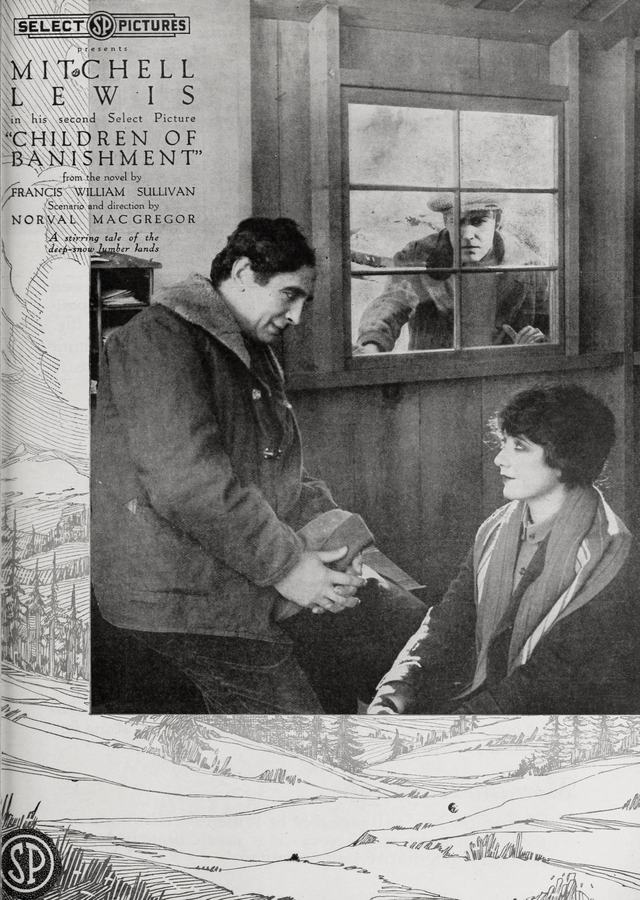
In the pantheon of early 20th-century cinema, few films capture the intersection of industrial ambition and the crushing weight of moral rectitude as poignantly as Children of Banishment. This is not merely a story of timber and trade; it is a sprawling exploration of the human condition set against the backdrop of a burgeoning American landscape. The film operates as a visceral critique of the Gilded Age's lingering shadows, where men like Hill and Burchard represent the cold, calculating machinery of progress, while characters like Dick Bream embody the rugged individualism that both built and was broken by that very progress. Much like the thematic weight found in The Debt of Honor, the narrative pivots on a singular debt—not of currency, but of conscience.
Francis William Sullivan’s script is a marvel of economy and emotional depth. It eschews the simplistic melodramatic tropes of its era in favor of a nuanced look at the psychology of the working man. When Dick Bream, played with a stolid, simmering intensity by Tom Bates, decides to sever his ties with his former employers, he isn't just quitting a job; he is declaring war on a system that views the natural world solely as a commodity to be exploited. The acquisition of the timber tract with Allen Mackenzie is his bid for autonomy, a theme that resonates deeply with the contemporary viewer who understands the precarious balance between labor and capital. The tension is palpable from the outset, as the film establishes the physical and metaphorical blockades Hill places in Bream's path. The sight of logs jammed purposefully into a river to prevent their transport is a powerful visual metaphor for the systemic hurdles that impede the honest laborer.
The middle act of Children of Banishment is a masterclass in escalating stakes. The dynamic between Bream and Mackenzie, portrayed with a shifting sense of loyalty by Arthur Morrison, provides a fascinating study in character contrast. Mackenzie is the archetype of the weak-willed opportunist, the kind of man who is easily swayed by the siren song of Hill’s corporate buyouts. This conflict mirrors the ethical dilemmas explored in The Chain Invisible, where the invisible bonds of greed often prove stronger than the visible bonds of partnership. Bream’s response to this betrayal is not one of mere anger, but of strategic moral realignment. By forcing Mackenzie to put his shares in Eloise’s name, Bream effectively creates a moral buffer, protecting the enterprise from Mackenzie’s own vacillating nature.
The technical execution of the sabotage scenes—specifically the use of dynamite to clear Hill's obstructions—showcases the high production values of the time. The practical effects carry a weight that modern CGI simply cannot replicate. Each explosion feels like a desperate gasp for air in a narrative that is increasingly suffocating under the pressure of Hill’s machinations. These sequences serve as the physical manifestation of Bream's internal struggle; he is a man of action forced into a situation where action is the only remaining language. The cinematography, utilizing the natural light and the vastness of the mountain ranges, creates a sense of scale that makes the human conflict feel both monumental and tragically small.
Where Children of Banishment truly transcends its genre is in its treatment of the romantic entanglement between Bream and Eloise, played with a luminous vulnerability by Bessie Eyton. In many films of this period, such as Husband and Wife, romantic conflicts are often resolved through convenient plot contrivances. Here, however, the love is treated as a debilitating affliction. Bream’s inability to eat or sleep is not portrayed as a poetic longing, but as a physical and mental decay. He is a man haunted by his own integrity. He loves Eloise, but his respect for the sanctity of her marriage—and perhaps more importantly, his own self-image as a man of honor—prevents him from acting on his desires.
This internal banishment is the film's namesake. Bream exiles himself from the camp, not because of a crime he committed, but because of a feeling he cannot control. This psychological exile is far more harrowing than any physical hardship. It reminds one of the moral isolation depicted in Fires of Conscience, where the protagonist must navigate a world that no longer fits their internal moral compass. The scenes of Bream wandering the desolate mountain paths, isolated from the community he helped build, are some of the most haunting in silent cinema. Tom Bates communicates a lifetime of regret through the slightest slump of his shoulders, a testament to the power of silent-era acting when stripped of its theatrical excesses.
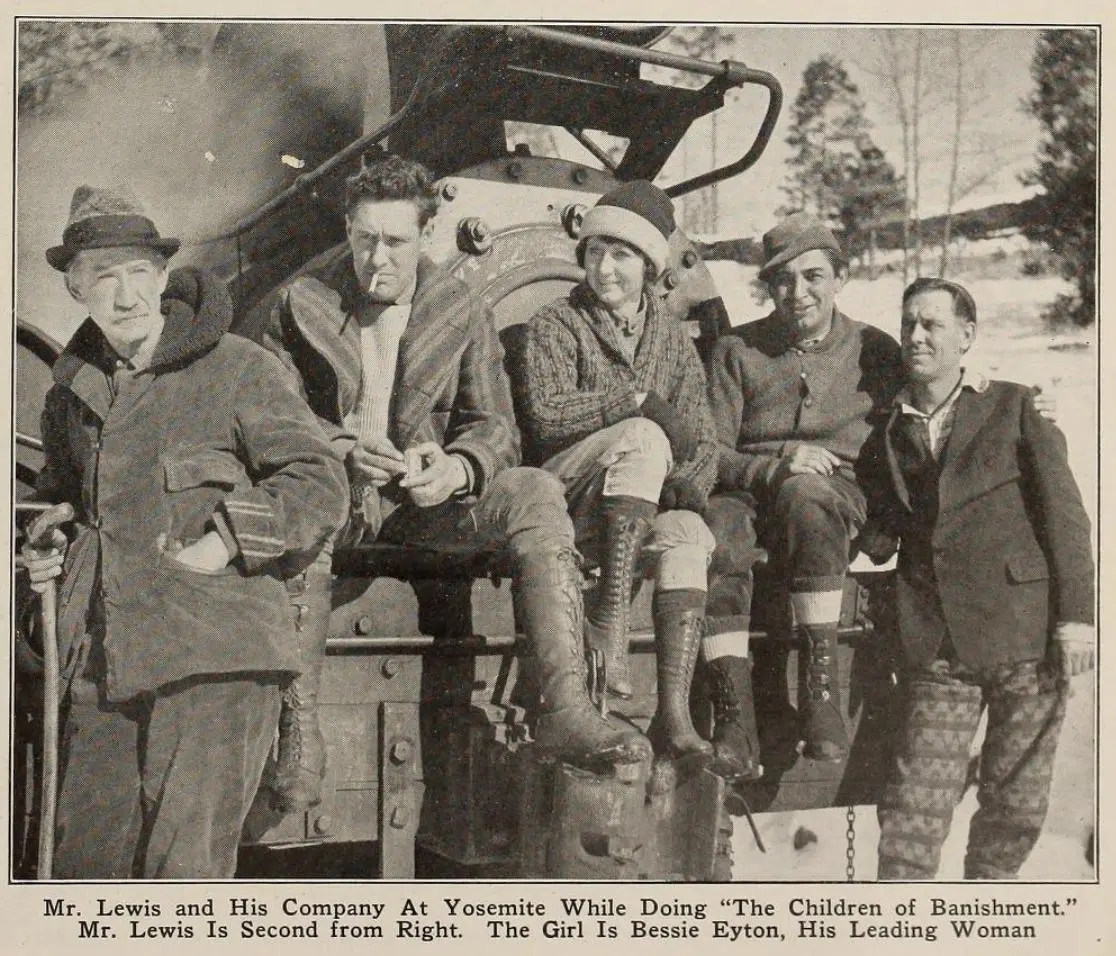
The final movement of the film is a harrowing descent into the sublime. The mountain stream, which earlier served as the lifeblood of the timber operation, transforms into a site of existential judgment. When Mackenzie falls into the freezing waters, the narrative offers Bream a moment of ultimate temptation. If he allows Mackenzie to drown, the path to Eloise is cleared. It is the classic 'test of the hero' seen in works like The Treasure of the Sea. But Bream is not a man who builds his happiness on the corpses of others. His plunge into the water is an instinctive rejection of selfishness.
The subsequent development—Bream contracting pneumonia and dying—is a brutal narrative choice that reinforces the film’s central theme: that true honor often comes at a terminal price. In the modern era, we might view this as overly sentimental, but in the context of 1917, it was a profound statement on the nature of sacrifice. Bream’s deathbed wish for the happiness of Mackenzie and Eloise is a moment of pure, unadulterated pathos. It elevates the film from a mere industrial drama to a secular hagiography. He dies so that the social order can remain intact, a sacrifice that feels both noble and incredibly lonely.
When comparing this to the more lighthearted fare of the era, such as On the Quiet, the weight of Children of Banishment becomes even more apparent. It is a film that demands to be taken seriously, grappling with the same heavy questions of fate and morality found in international works like Had og Kærlighed. The supporting cast, including George Nichols and Jane Keckley, provide a solid foundation, ensuring that the world feels lived-in and the stakes feel real. The direction is steady, allowing the natural beauty of the locations to contrast with the internal ugliness of the corporate antagonists.
To watch Children of Banishment today is to witness the birth of the American cinematic identity. It is a film that understands the cost of the frontier. It acknowledges that for every success story, there are men like Dick Bream who are consumed by the very fires they helped light. The film’s legacy can be seen in every subsequent story of the lone hero standing against the tide of corruption, from the westerns of the 1950s to the neo-noirs of the 1970s. It shares a certain DNA with Fighting for Gold, yet it possesses a spiritual melancholy that is entirely its own.
Ultimately, the film asks a question that remains relevant: what do we owe to ourselves, and what do we owe to our code? Bream chose his code, and in doing so, he achieved a form of immortality that Hill and his piles of lumber could never touch. It is a haunting, beautiful piece of art that deserves a place in the conversation of great silent dramas. Whether you are analyzing it for its industrial history or its romantic tragedy, Children of Banishment remains a towering achievement of narrative ambition and emotional honesty. It is a reminder that even in the harshest wilderness, the human spirit can find a way to shine, even if only for a final, flickering moment before the darkness takes hold.
For those exploring the depths of this era, I also recommend looking into Bread or Salvation Joan for further examples of how early cinema tackled the complexities of social status and personal salvation. Children of Banishment stands tall among them, a sturdy oak in a forest of saplings, weathered by the storms of time but still standing as a testament to the power of the moving image.
IMDb 5.8
1928
Community
Log in to comment.