DbcultAccessing Vault...
Cult Review
Senior Film Conservator
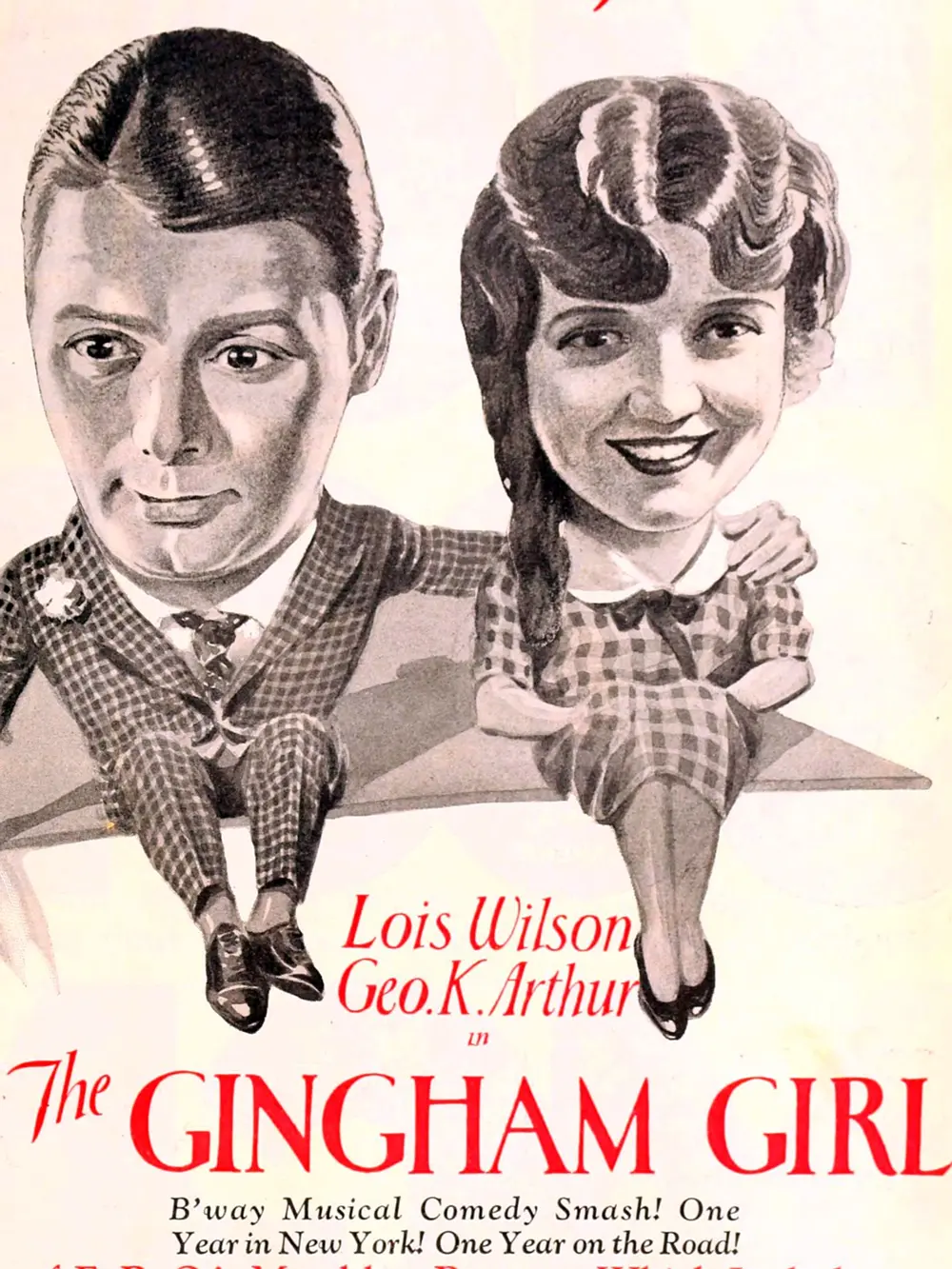
Should you spend ninety minutes with a 1927 silent film about a girl who sells cookies? Short answer: Yes, but only if you appreciate the sharp sting of social commentary hidden beneath a layer of sugar.
This film is for the cinephile who enjoys seeing the 'working girl' trope subverted by genuine business acumen. It is absolutely not for those who require high-octane thrills or have a low tolerance for the theatrical pantomime common in late-twenties silent comedies.
This film works because it refuses to let its female lead be a passive victim of her circumstances, giving Lois Wilson a role that demands both vulnerability and a steely, corporate resolve.
This film fails because the male lead, played by George K. Arthur, is written with such a lack of backbone that his eventual redemption feels more like a narrative obligation than a earned character arc.
You should watch it if you are a fan of Fig Leaves or The Nut, as it shares that specific 1920s obsession with the friction between traditional values and modern excess.
The Gingham Girl isn't just a romance; it’s a proto-feminist business procedural. Mary Thompson doesn't just 'get lucky' in New York. She identifies a market gap. In an era where the city was becoming increasingly impersonal and industrial, she sells the one thing the city cannot manufacture: the memory of home. The way David Kirkland directs the scenes of Mary’s rising success is fascinating. We see the transition from hand-baked batches to a mechanized factory line. It is a visual metaphor for the death of the very 'small-town' essence she is marketing.
Lois Wilson is the anchor here. While many of her contemporaries were still relying on wide-eyed mugging for the camera, Wilson uses her eyes to convey a sense of weary calculation. When she looks at John Cousins, she isn't just looking at a boyfriend; she's looking at a liability. There’s a specific scene in a high-end restaurant where Mary realizes that John is ashamed of her gingham dress. The flicker of hurt that crosses her face, followed immediately by a hardening of her jaw, is worth more than a thousand title cards. It’s a masterclass in silent restraint.
Compare this to the frantic energy found in The Yankee Consul. Where that film relies on slapstick, The Gingham Girl relies on the slow-burn realization that the person you love might not be the person you should be with. It’s a mature theme for a film that ostensibly markets itself as a light comedy. The cookies are the MacGuffin; the real story is the erosion of character in the face of sudden wealth.
We have to talk about George K. Arthur. He plays John as a man so easily manipulated that it borders on the pathological. Within fifteen minutes of arriving in New York, he is already being groomed by socialites who see him as a toy. While the script intends for us to feel sorry for him, modern audiences will likely find him insufferable. He is the original 'toxic' partner—the kind who piggybacks on a woman's success and then resents her for it.
The film tries to balance this with the comedic presence of George K. Arthur’s character, but the chemistry is lopsided. Wilson is acting in a drama; Arthur is acting in a farce. This tonal dissonance is the film's greatest hurdle. However, it does provide a unique look at the gender dynamics of the 1920s. Usually, it’s the woman who is 'corrupted' by the city. Reversing this role makes the film feel surprisingly modern, even if the resolution is tied up in a neat, traditional bow.
Director David Kirkland has a keen eye for contrast. The lighting in the small-town sequences is soft, almost ethereal, suggesting a world that doesn't actually exist outside of Mary's memory. Once the action moves to the city, the shadows become sharper. The cinematography captures the verticality of New York—the buildings look like they are closing in on the characters. This isn't the whimsical New York of The Accidental Honeymoon; this is a predatory New York.
The use of the gingham dress as a recurring motif is brilliant. It’s not just clothing; it’s a brand. In one of the film's most cynical moments, we see Mary’s marketing team discussing how to make the gingham look 'more authentic' for the city consumers. It’s a commentary on the commercialization of innocence. They are selling a lie, and Mary knows it. This layer of self-awareness elevates the film above standard silent fare like Robin Hood, Jr. or the more simplistic Runaway June.
Yes, The Gingham Girl is worth watching for its historical value and Lois Wilson's performance. It offers a rare look at a female character who succeeds in business without losing her agency. While the romantic subplot is dated and frustrating, the film's cynical take on the 'American Dream' remains relevant. If you can look past the 1920s moralizing, you will find a story that is surprisingly biting.
Pros:
Cons:
The film's title suggests a light, fluffy story about a girl in a pretty dress. But the gingham is a shield. It’s what Mary uses to protect herself from the predatory nature of the city. There is a deep irony in the fact that she becomes a millionaire by pretending to be a simple country girl. The film understands that in the city, identity is a performance. This makes it a fascinating companion piece to films like Lorraine of the Lions or even the darker Godless Men, which also deal with the loss of innocence in harsh environments.
One of the most surprising observations is how the film treats Mary’s wealth. Usually, in these types of movies, the protagonist realizes that 'money doesn't buy happiness' and returns to the farm. Mary doesn't do that. She keeps the money. She keeps the business. She just forces John to grow up. It’s a power move that feels incredibly ahead of its time. It’s a cookie movie with teeth.
"The Gingham Girl proves that you can sell the world a piece of home, but you can never truly go back there yourself once the checks start clearing."
The Gingham Girl is a fascinating anomaly. It is a silent comedy that works best when it is being a drama. It is a romance where the couple shouldn't be together. It is a business movie about cookies. While it has its flaws—mainly in the form of a spineless male lead—it is anchored by a phenomenal performance from Lois Wilson. It’s a film that questions the cost of success and the durability of the human spirit in the face of the big city lights. It works. But it’s flawed. And that’s exactly why it’s worth your time.
IMDb —
1916
Community
Log in to comment.