DbcultAccessing Vault...
6.6/10
Senior Film Conservator
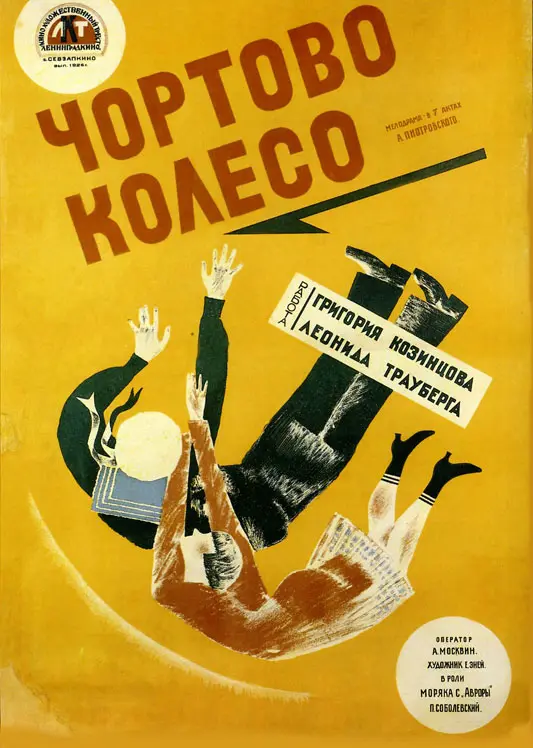
A definitive 6.6/10 rating for a film that redefined the boundaries of cult cinema. Chyortovo koleso remains a cornerstone of transgressive art.
Does the 1926 silent film Chyortovo koleso (The Devil's Wheel) still hold up for a modern audience? Short answer: yes, but only if you are willing to trade narrative cohesion for raw, unadulterated visual energy.
This film is specifically for those who find the polished structures of modern blockbusters sterile and crave the experimental, often messy, heartbeat of early 20th-century avant-garde cinema. It is emphatically not for viewers who require a linear, spoon-fed plot or high-definition clarity. It is a film of textures, shadows, and frantic movement.
1) This film works because it captures the manic, unstable energy of post-revolutionary Leningrad through a lens that feels genuinely dangerous and unpredictable.
2) This film fails because the second act loses the rhythmic momentum established at the fairground, occasionally sinking into standard-issue crime melodrama that lacks the punch of its opening.
3) You should watch it if you want to see the roots of Soviet montage theory applied to a 'low-brow' genre story, or if you are interested in the debut of the legendary Yanina Zheymo.
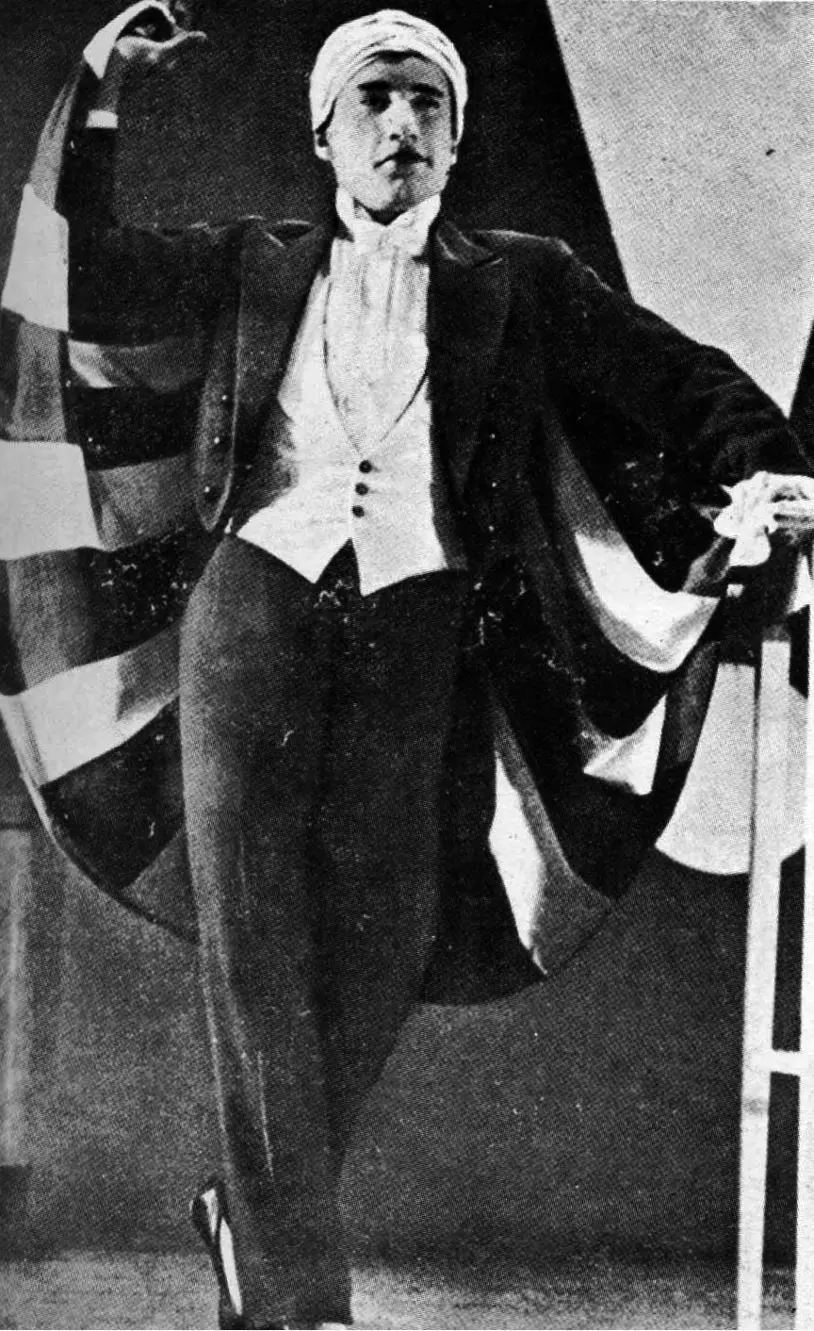
Directed by Grigori Kozintsev and Leonid Trauberg, Chyortovo koleso is a product of the FEKS (Factory of the Eccentric Actor) group. Their philosophy was simple: kill the theater, embrace the circus. You can see this in every frame. The camera doesn't just sit there; it pokes, prods, and spins. It’s a visual assault that feels surprisingly modern. While films like The Third Degree experimented with camera movement in the US, the FEKS group was doing something more abrasive and political in the USSR.
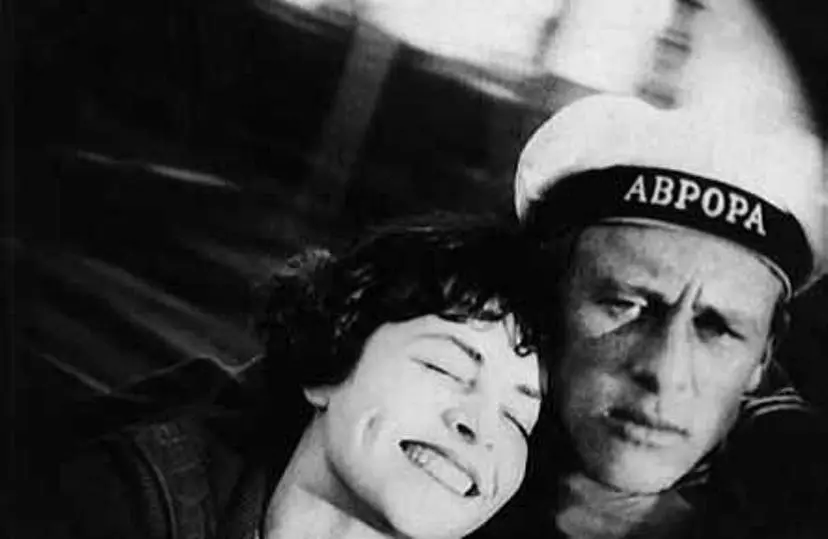
The fairground sequence is the film’s heartbeat. The way the directors cut between the spinning wheel and the faces of the protagonists creates a sense of vertigo that transcends the limitations of 1920s technology. It’s not just a ride; it’s a machine that grinds up social norms. Ivan, the sailor, is a symbol of the new Soviet order—disciplined, punctual, and naval. By staying on that wheel, he isn't just late for his ship; he is defecting from his own identity. The wheel is a centrifuge that separates the 'proper' citizen from the 'eccentric' outcast.
Yanina Zheymo, who would later become a Soviet icon, makes her debut here. She is a marvel of physical acting. In a world of oversized sets and aggressive editing, her small stature and expressive face provide the film's only real emotional anchor. She doesn't just act; she vibrates. Contrast her performance with the more traditional, stilted styles seen in contemporary films like The Song of the Soul, and you realize how far ahead of the curve she was.
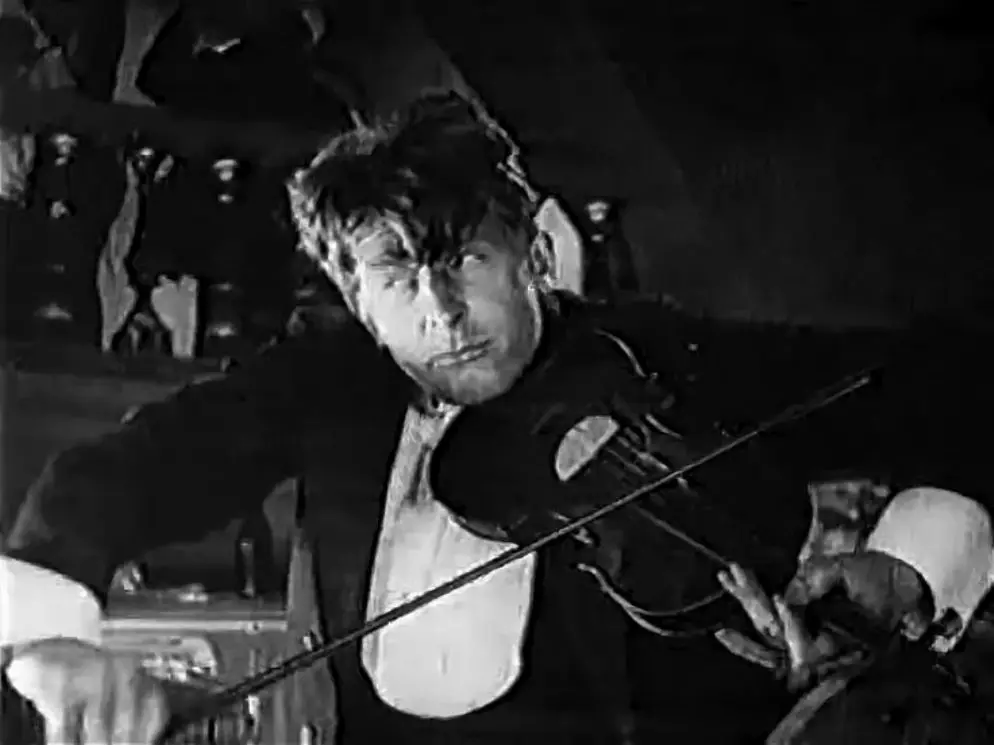
The supporting cast, particularly the members of the criminal underworld, are played with a grotesque, almost cartoonish flair. This was intentional. The FEKS group wanted 'eccentricism,' not realism. The villainous 'King' of the thieves doesn't just walk; he looms. The gang members don't just sit; they sprawl. It’s a stylistic choice that makes the criminal hideout feel like a fever dream. It reminds one of the psychological distortions found in Mad Love, where the environment reflects the internal rot of the characters.
Andrei Moskvin’s cinematography is the secret weapon here. He treats the city of Leningrad not as a backdrop, but as an antagonist. The use of chiaroscuro—the stark contrast between light and dark—is aggressive. One specific scene, where the protagonists are hiding in a basement, uses a single light source to create shadows that seem to swallow the actors whole. It is noir before noir existed. It lacks the polish of Blue Jeans, but it has ten times the atmosphere.
The pacing, however, is where the film stumbles. The transition from the kinetic fairground to the static hideout is a jarring gear shift. The middle section drags as the film tries to establish a more conventional plot involving a heist and a betrayal. For a film that prides itself on 'eccentricity,' these moments feel surprisingly pedestrian. It’s a common flaw in early experimental cinema: the creators are so good at the 'how' that they occasionally forget the 'why.'
Question: Is the 1926 film Chyortovo koleso worth watching today?
Answer: Yes. While the plot is a fairly standard melodrama about a fall from grace, the visual execution is a masterclass in early avant-garde techniques. It offers a rare, gritty look at the 1920s Soviet underworld that was soon erased by the strictures of Socialist Realism. It is a time capsule of a moment when Soviet cinema was the most radical and exciting in the world.
Pros:
- Visually daring cinematography that predates the noir aesthetic.
- A breakthrough performance by Yanina Zheymo.
- A fascinating look at the 'eccentric' style of the FEKS group.
- Exceptional use of urban locations in 1920s Leningrad.
Cons:
- The plot is thin and occasionally leans too hard on coincidence.
- The transition from the fairground to the underworld is clunky.
- Some of the 'eccentric' acting may feel too exaggerated for modern tastes.
When looking at Chyortovo koleso, one cannot help but compare it to other films of the era that dealt with social descent. For instance, Slaves of Pride or The Snarl explored themes of moral failing, but they did so within the confines of established theatrical traditions. Kozintsev and Trauberg, however, chose to blow those traditions up. They weren't interested in moralizing; they were interested in the sensation of falling.
The film’s obsession with the 'machine'—the wheel, the ship, the city—reflects a very specific Soviet anxiety about the industrialization of the human soul. It’s a theme that would be explored more gently in Castles for Two or more cynically in The Woman God Sent, but here it is presented as a literal physical force. The sailor is a cog that has slipped out of the machine, and the machine wants him back or it wants him crushed.
The film also serves as a fascinating counterpoint to the rural dramas of the time, such as Fiskebyn or The Kentuckians. While those films found drama in the soil and tradition, Chyortovo koleso finds it in the asphalt and the neon. It is a purely urban animal. It celebrates the grime. It celebrates the chaos.
One must discuss Andrei Moskvin’s lighting in more detail. In the 1920s, film stock was slow and required massive amounts of light. To achieve the deep shadows seen in this film was a technical nightmare. Moskvin used it to create a sense of psychological isolation. When Ivan and Valya are together, the light is often fragmented—coming through slats in a fence or the spokes of a wheel. They are never fully 'in the light.' They are characters born of the twilight.
This visual language is far more sophisticated than the flat, high-key lighting found in comedies like Ole Opfinders offer or Plain Jane. It’s a language of dread. Even when the characters are laughing, the shadows suggest they are already doomed. This is the hallmark of a director who understands that cinema is not just about what you see, but what you are prevented from seeing.
Chyortovo koleso is a flawed, frantic, and fascinating piece of cinema. It is the sound of a young nation trying to find a new way to tell stories, and failing in the most interesting ways possible. It works. But it’s flawed. The narrative might be a bit of a shambles, but the imagery will haunt you long after the credits roll.
If you’ve seen the more mainstream silent offerings like Mr. Billings Spends His Dime or Never Say Die, this film will feel like a bucket of cold water to the face. It’s abrasive, it’s loud (metaphorically), and it’s undeniably alive. It is a ride worth taking, even if the destination is a bit murky. It’s a reminder that sometimes, the best part of the carnival is the moment you realize you’ve stayed too long and the gates are locked.
Ultimately, this is a film about the gravity of the moment. Like My Pal, it deals with loyalty and the bonds we form in times of crisis, but it does so with a razor-sharp edge that only the Soviet avant-garde could provide. It is a dark, spinning jewel of a movie that deserves its place in the canon of urban noir.
IMDb 7.3
1922
Community
Log in to comment.