DbcultAccessing Vault...
4.7/10
Senior Film Conservator
A definitive 4.7/10 rating for a film that redefined the boundaries of cult cinema. Circus Day remains a cornerstone of transgressive art.
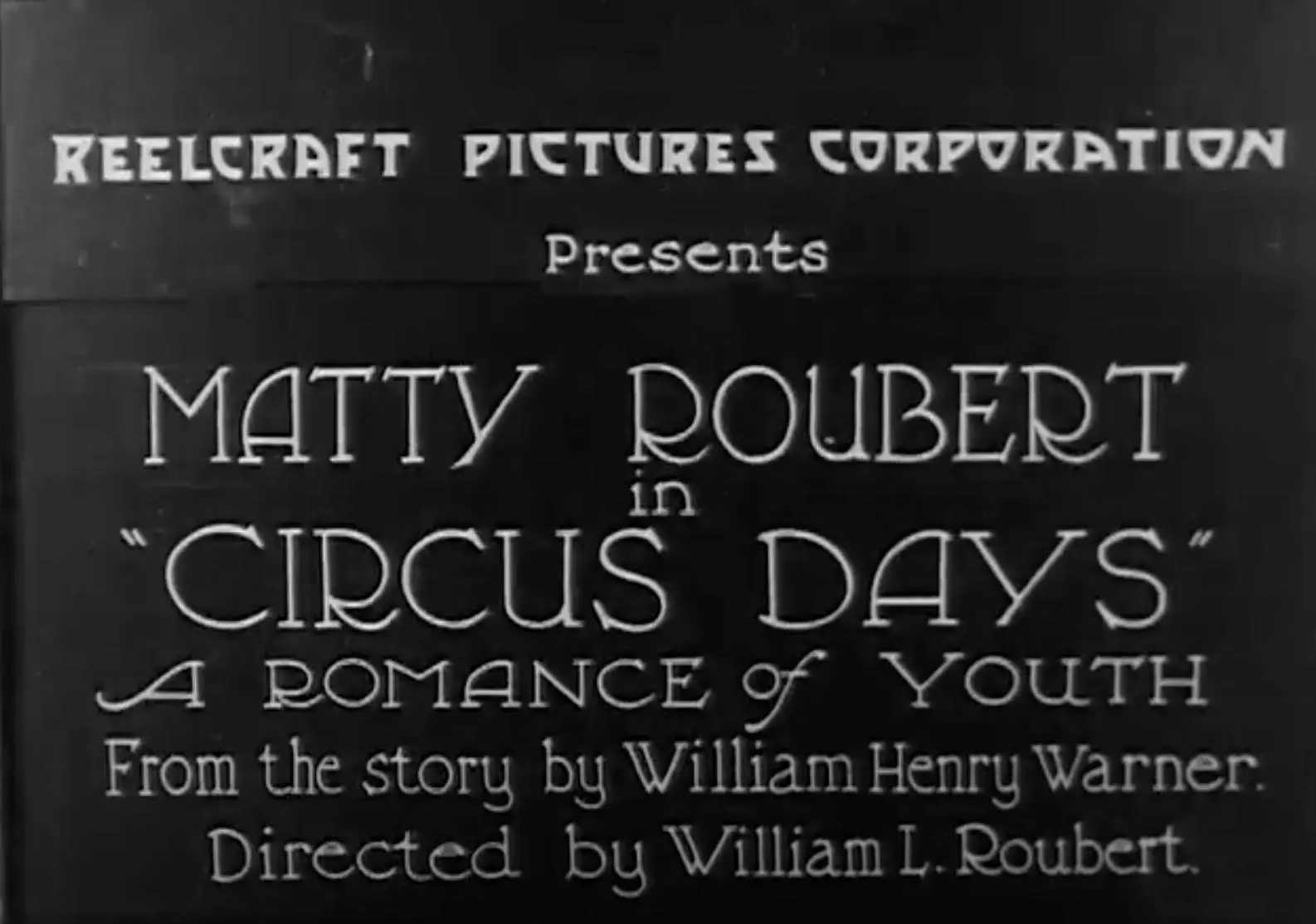
The first thing that strikes you about Circus Day is how aggressively it refuses nostalgia. Where contemporaries like Alias Jimmy Valentine lather on sepia sentiment, this 1927 one-reeler spits sawdust in your eye and dares you to blink. William Henry Warnert’s screenplay—economic as a carny’s handshake—distills an entire childhood into twelve dizzying minutes, yet leaves after-images that throb for days.
Director J. P. McGowan, better known for railroad thrillers, swaps iron horses for pachyderm flatcars and somehow the pace feels faster. His camera glides through canvas corridors with a voyeur’s breath on the nape, pausing only to catch a bead of sweat ricocheting off a high-wire. The resulting intimacy is closer to Dark and Cloudy’s claustrophobia than to the open-air spectacle promised by the title.
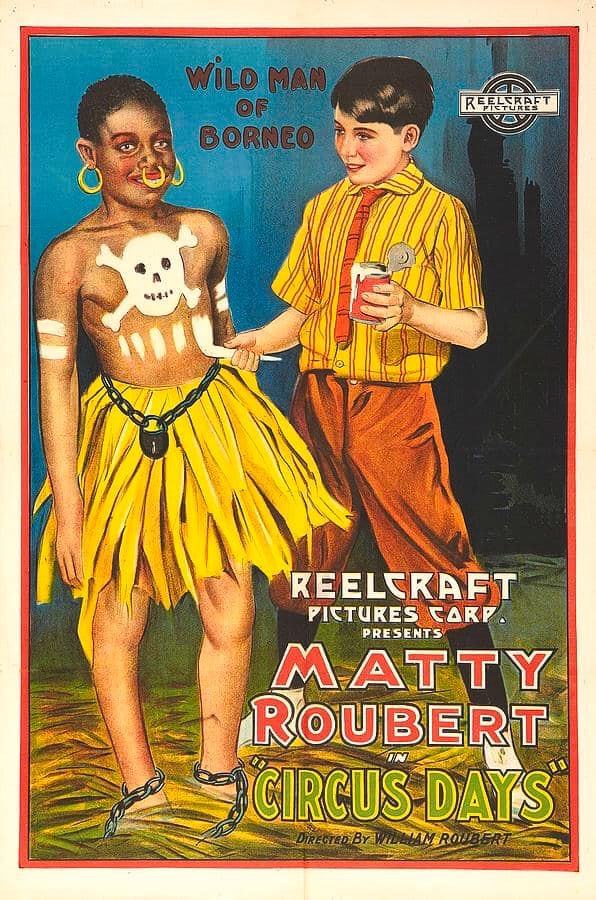
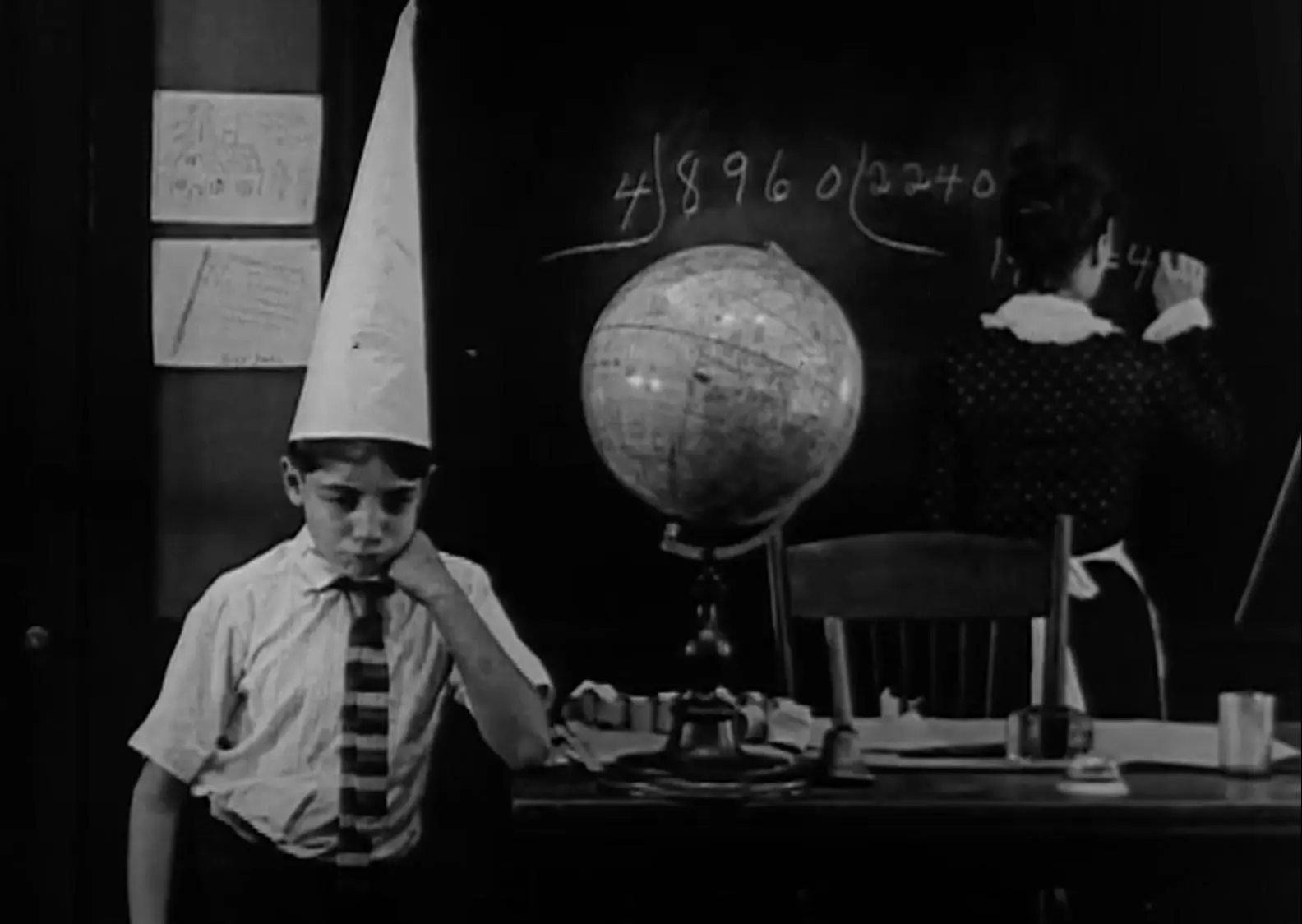
Matty Roubert—usually typecast as the second delinquent from the left—here carries the entire moral freight of the narrative on his scrawny shoulders. Watch the way his knuckles whiten around a fistful of peanuts when he realizes the circus is trading him like chattel. The gesture is microscopic, almost off-frame, yet it punches harder than any of the flickering volcanoes in The Reign of Terror.
Silent-film historians love to natter about “the language of the eyes,” but Roubert’s elbows speak louder: every pivot is a stanza of defiance. When he vaults back into the burning tent, smoke gnaws the edges of the frame and you realize the stunt is performed in real time—no rear projection, no safety net, just a twelve-year-old boy courting immolation for art. That single shot haunts the current debate on child labor in Hollywood more than any PSA.
The equestrienne—played by the tragically under-recorded actress Vivian O’Day—embodies the film’s aching contradiction: the brighter the spotlight, the deeper the scar. Her liberty routine is framed in chiaroscuro so severe that horses become origami silhouettes folding against the klieg lights. When she falls, McGowan cuts to a close-up of her sequins scattered like a galaxy losing cohesion; for a second the film morphs into cosmic horror, as though the universe itself were divesting its stars.
Compare that to A Woman There Was, where Theda Bara’s exoticism is fetishized to the point of camp. Here, the camera refuses to eroticize injury; instead it lingers on Lila’s calloused palms, the blister raised by reins, the way she swallows a scream so as not to frighten the ponies. It is empathy rendered in callus-form.
Warnert’s intertitles—often dismissed as perfunctory—deserve a seat in the pantheon of American minimalism. “He traded the boy for a poster and a drink,” reads one card, the letters stenciled in a font that resembles tin cut by rust. No exposition, no moral sermon; the abyss glints between those twelve words. The scarcity of text forces the viewer to inhabit the negative space, much as Nye dlya deneg radivshisya weaponizes silence to indict Tsarist greed.
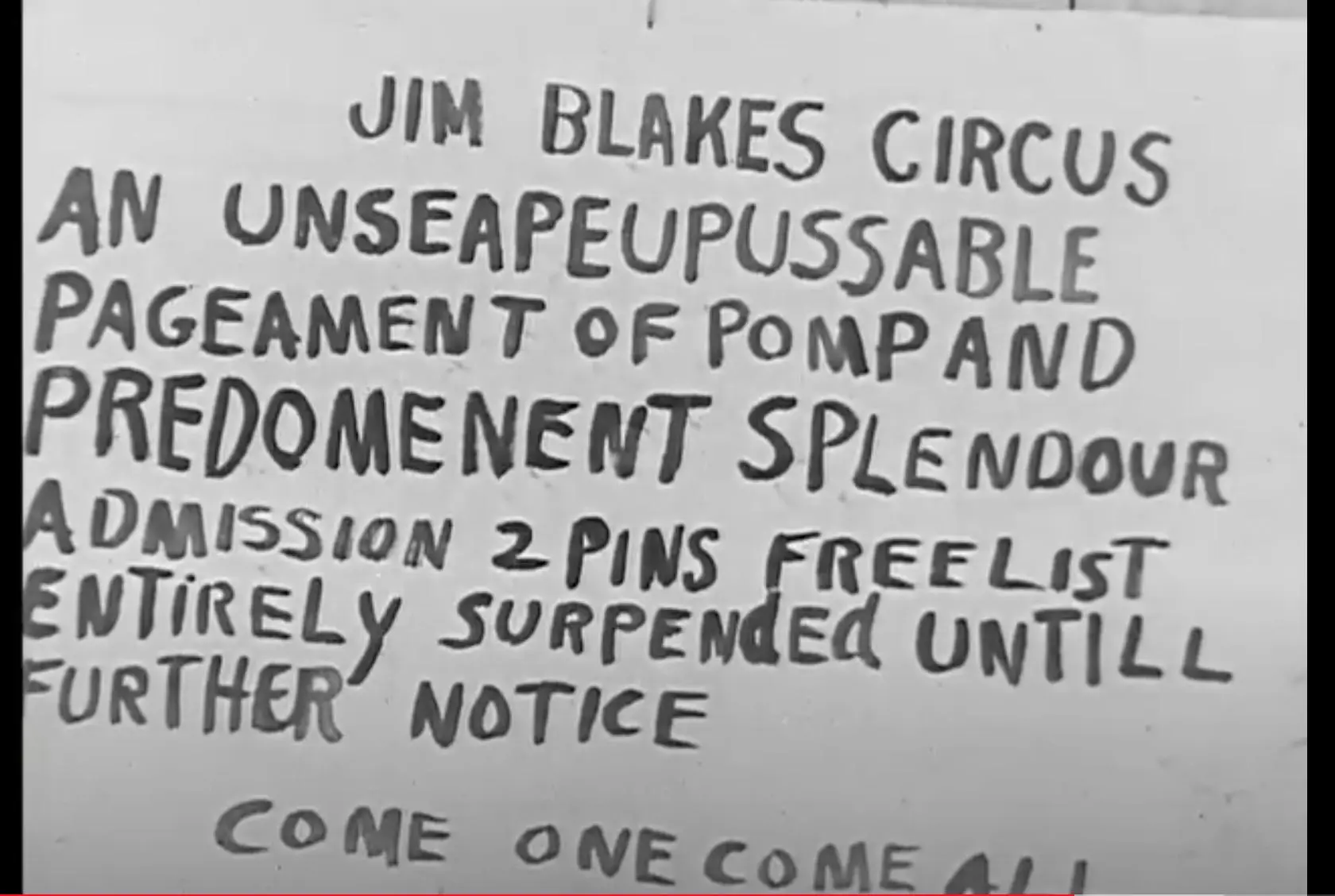
Yet Warnert is also slyly comic. A backstage sign reads “Elephants prohibited without written consent,” a burlesque of bureaucracy that anticipates the absurdist signage in Passing the Buck. The joke lands harder when you realize the pachyderms are sleeping twenty feet away, tethered by nothing stronger than institutional denial.
Cinematographer Ross Fisher shot the entire film on orthochromatic stock that renders blood as tar and gold leaf as lunar dust. The palette is intentionally carcinogenic: whites flare into solar flares, blacks swallow detail like tar pits. When the fire consumes the tent, the monochrome paradoxically feels more apocalyptic than technicolor conflagrations in modern blockbusters. Each frame appears corroded, as if the reel itself were coughing up its own ashes.
The influence on later works is subterranean but traceable. The melting marquee in Hell Bent quotes Fisher’s incendiary circus banner; the stroboscopic shoot-out in Apartment 29 lifts the flickering projector gag McGowan embeds in the midway scene.
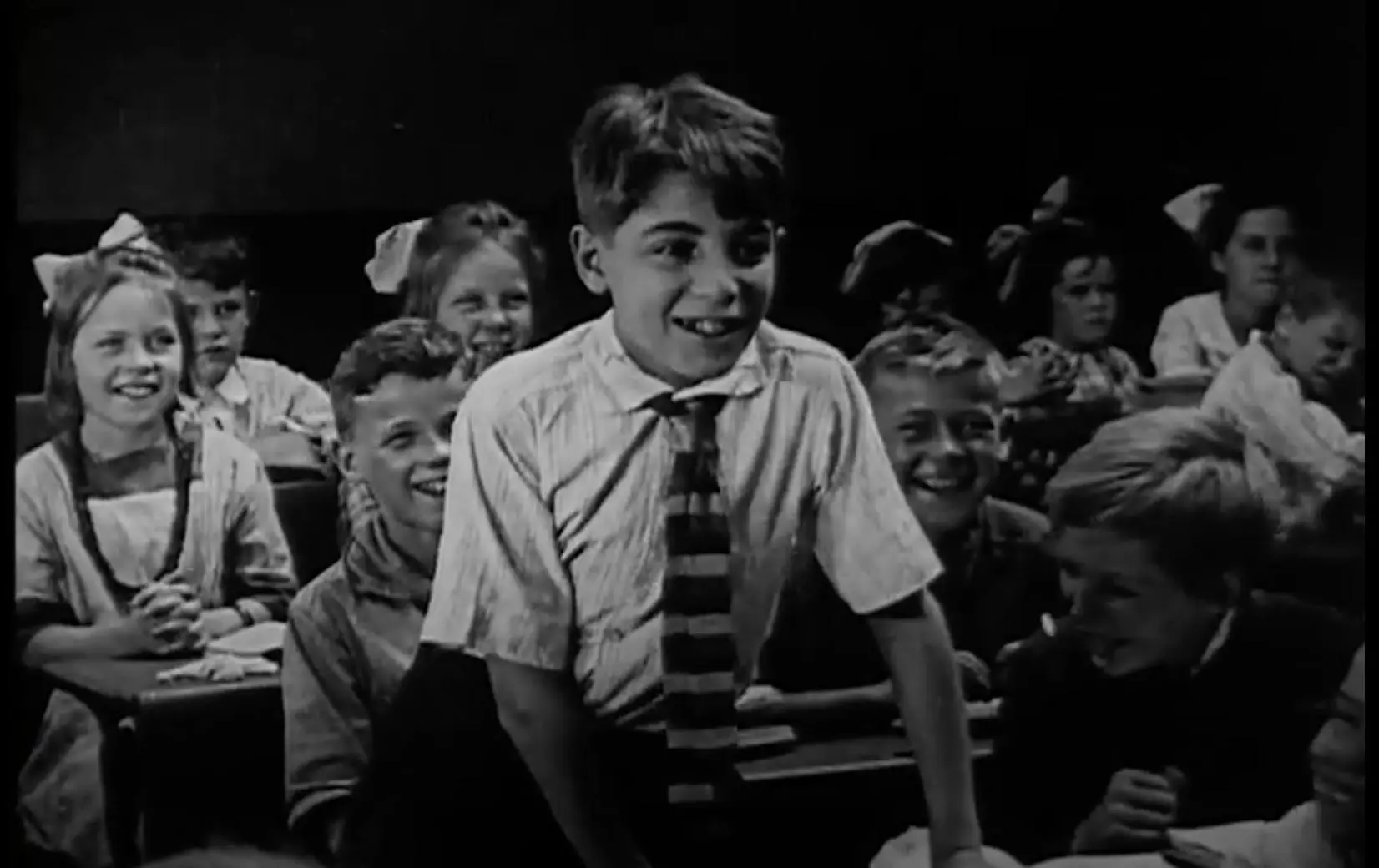
For decades the only extant copy languished in a Parisian basement, vinegar syndrome curling it into a fetal position. Enter the Cinémathèque Fragile, a plucky non-profit that crowd-funded enough euros to perform a 4K wet-gate scan. The restored version premiered at Bologna’s Il Cinema Ritrovato, accompanied by a live score that replaced the original theatre organ with prepared piano and looped calliope fragments. The effect is revelatory: every crease on Calhoun’s counterfeit money now reads like a fault line in the American dream.
Because the film was distributed without a cue sheet, exhibitors freestyle-scored it, leading to kaleidoscopic regional variations: ragtime in Kansas City, klezmer in Philadelphia, a solitary drum in El Paso. The recent Blu-ray offers three options: a historically accurate pastiche, an avant-garde improvisation, and—most terrifying—pure silence. Choose the latter and you’ll hear your own heart sync with the thud of Lila’s body hitting sawdust, a metronome of mortality.
Unlike Ginger Mick, where masculinity is a fist that keeps swinging, Circus Day interrogates manhood as currency. Calhoun sells the boy because his own virility is bankrupt; the lion tamer’s whip is a phallic prop that fails to intimidate aging cats. Meanwhile, Lila’s labor is literally equestrian—she rides in circles, generating spectacle but owning none. The film’s final image—Jimmie carrying her out of the flames—reverses the gendered rescue trope without sanctimony: the child becomes the patriarch, the woman the bruised ark of civilization.
The circus here is not the transcendent space of La crociata degli innocenti; it is a rust-eaten machine that grinds bodies into coin. Calhoun’s ledger tallies children as depreciable assets, forecasting the assembly-line logic satirized in Are They Born or Made? When Jimmie learns his market value is less than a crate of phosphorescent posters, the revelation lands like a slap that echoes across a century of gig-economy precarity.
Modern viewers may flinch at the practical hazards: twelve-year-old Roubert inches from flaming rafters, a leopard mere feet away. Yet the danger authenticates the anger; remove it and you sanitize the indictment. The film dares you to confront your voyeurism—every ticket bought is a vote for exploitation. In that sense it anticipates the meta-gaze of The Week-End, where characters watch their own surveillance footage.
Critics sniffing for lineage can spot DNA strands in Truffaut’s 400 Blows—Antoine Doinel’s carnival ride rebellion feels like Jimmie’s spiritual sequel. The incinerated tent prefigures the climactic warehouse blaze in Killer of Sheep, while the child’s stoic gaze haunts the final frame of The 400 Blows. Even Spielberg paid glancing homage: the train-station chase in Empire of the Sun borrows Roubert’s panicked silhouette against locomotive steam.
So is Circus Day worth your twenty-three minutes? If you crave the comfort of redemption, look elsewhere. If you want a film that brands its cauterized heart onto your corneas, roll up. The movie ends, but the smell of scorched canvas lingers like an ancestral memory. It reminds you that every entertainment is a transaction, every gasp a coin, every child a commodity waiting for the hammer to fall. And when the lights come up, you’ll swear you can taste copper in your mouth—the flavor of a century-old debt still unpaid.
IMDb —
1919
Community
Log in to comment.