DbcultAccessing Vault...
5.7/10
Senior Film Conservator
A definitive 5.7/10 rating for a film that redefined the boundaries of cult cinema. Collars and Cuffs remains a cornerstone of transgressive art.
To witness Collars and Cuffs (1923) is to observe the embryonic stages of a comedic deity. Before the bowler hat and the partnership with Oliver Hardy became synonymous with the very definition of cinematic humor, Stan Laurel was carving out a niche of frantic, high-energy slapstick that owed as much to the Vaudevillian stage as it did to the burgeoning possibilities of the silver screen. This film, set within the humid, claustrophobic confines of a commercial laundry, serves as a quintessential example of the Hal Roach studio's 'comedy factory' output—a period where the sheer volume of gags per minute was the primary metric of success.
The premise is deceptively pedestrian. Laurel plays an employee tasked with the Herculean labor of maintaining order in a workspace defined by chaos. However, the brilliance lies not in the 'what' but the 'how.' The laundry setting provides a tactile playground of textures—the slippery suds, the rigid starch, the scalding steam, and the unforgiving metal of the pressing machines. It is a environment that mirrors the mechanical frustrations seen in other contemporary works like The Village Smithy, where the protagonist is perpetually at odds with the tools of his trade.
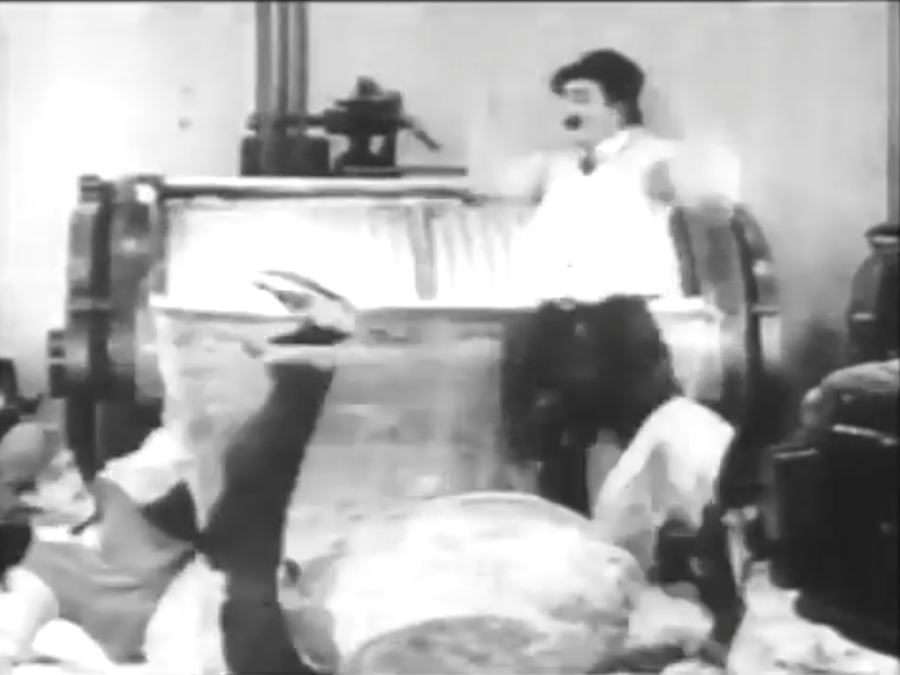
In Collars and Cuffs, the pacing is relentless. Unlike the later, more deliberate 'slow burn' style of the Laurel and Hardy era, this solo outing features a Stan who is remarkably agile, almost jittery in his movements. His interaction with the supporting cast—including the reliable Mark Jones and Katherine Grant—creates a friction that propels the narrative forward. The film utilizes the physical space of the laundry to create a multi-layered comedic experience. While Stan struggles with a pile of shirts in the foreground, the background is often a hive of activity, hinting at the broader social commentary of the industrial worker as a mere cog in a larger, indifferent machine.
Consider the sequences involving the washing vats. These are not merely props; they are antagonistic entities. The suds become a character in their own right, overflowing with a sentient malice that threatens to drown our protagonist in bubbles. This use of environmental hazards is a recurring trope in the slapstick genre, reminiscent of the nautical disasters found in All at Sea. In both films, the protagonist's survival is predicated on a series of improbable physical maneuvers that defy the laws of physics while adhering strictly to the logic of the cartoon.
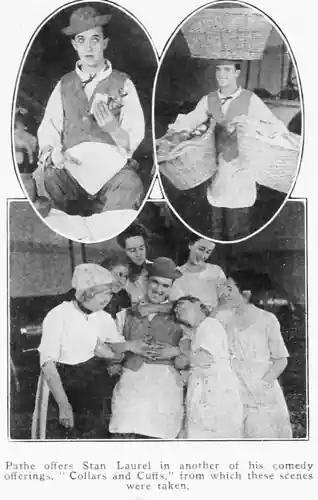
The ensemble surrounding Laurel in this production is a 'who's who' of the Roach lot. George Rowe and Jack Ackroyd provide the necessary gravitas and physical opposition to Laurel’s whimpering Everyman. The dynamic is one of constant escalation. A simple misunderstanding over a collar leads to a confrontation that inevitably involves the entire staff. This escalation is the DNA of silent comedy, a structural crescendo that mirrors the musicality of a symphony.
Katherine Grant, often the unsung heroine of these shorts, offers a grounding presence. In a world where men are constantly falling into tubs or getting their fingers caught in rollers, the female characters often represent the only semblance of sanity—or, conversely, the ultimate prize in the protagonist's quest for dignity. While the film lacks the romantic depth of The Lotus Eater, it possesses a raw, unpretentious energy that makes it arguably more accessible to a modern audience looking for pure, unadulterated escapism.
From a technical standpoint, Collars and Cuffs is surprisingly sophisticated. The cinematography, though restricted by the heavy cameras of the time, manages to capture the frenetic energy of the laundry through clever framing and sharp editing. The use of close-ups to emphasize Laurel's iconic facial contortions—the scratching of the head, the fluttering of the eyelids—demonstrates a keen understanding of how to translate stage performance to the intimacy of the screen.
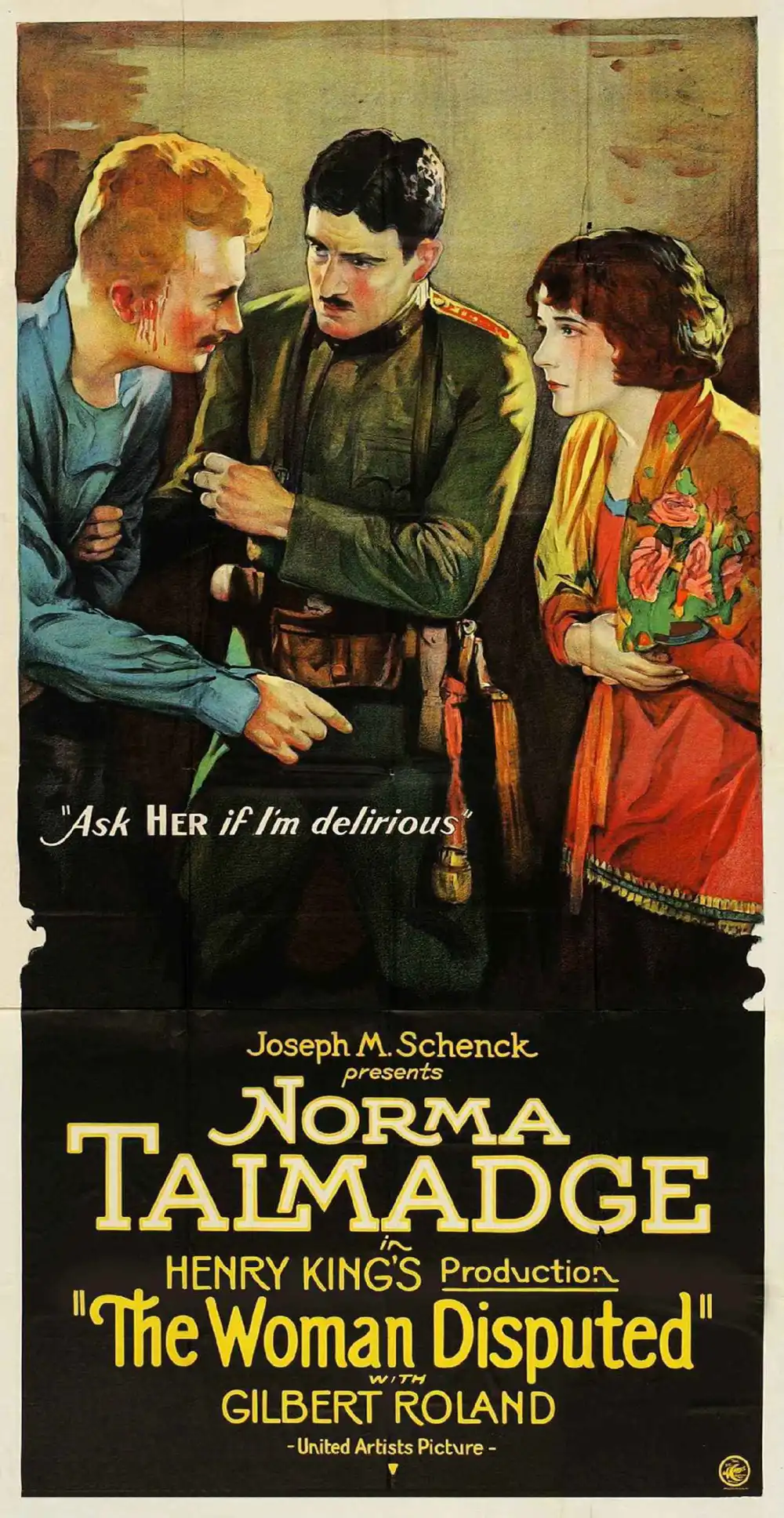
The film’s lighting, though primarily utilitarian, effectively conveys the sweltering atmosphere of the workspace. You can almost feel the humidity radiating from the screen. This atmospheric immersion is something that many contemporary dramas, such as Her Secret, strove for but often failed to achieve with the same visceral impact. In the world of slapstick, the environment must be felt for the pain to be funny, and Collars and Cuffs succeeds in making the laundry feel like a genuine purgatory for the working class.
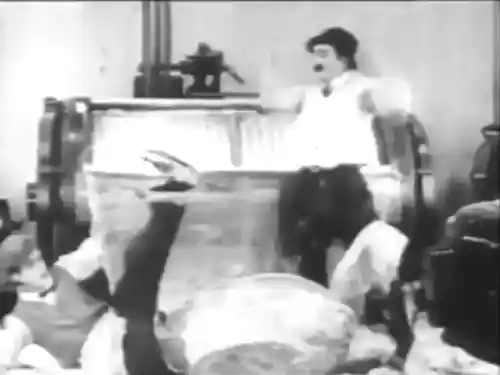
Scholars of film often debate the exact moment Stan Laurel became 'Stan.' In Collars and Cuffs, we see a transitional figure. He is more aggressive than the later, dim-witted version of himself, yet he retains that essential vulnerability that makes him sympathetic. He is a victim of circumstance, much like the characters in Jubilo, yet he reacts with a manic intensity that is uniquely his own. This film is a bridge between the broad, often violent humor of the 1910s and the more character-driven narratives of the late 1920s.
The writing, though uncredited in many records, bears the hallmarks of the Roach gag-room. It is a sequence of vignettes tied together by a loose narrative thread. This modular approach to storytelling allowed for maximum flexibility—if a gag didn't work, it could be excised without collapsing the entire film. However, in this particular short, almost every beat lands. The rhythmic clatter of the machinery provides a percussive backbeat to the visual jokes, creating a proto-cinematic language that would later influence everything from animated cartoons to the works of Jacques Tati.
While it might seem hyperbolic to suggest a twenty-minute comedy about a laundry worker is a piece of social commentary, one cannot ignore the subtext. The 1920s was a period of rapid industrialization and shifting labor dynamics. By placing a comedic figure in the heart of this industrial grind, Roach and Laurel were highlighting the absurdity of the modern condition. The laundry is a place of transformation—dirty to clean, chaos to order—yet Stan remains the constant variable of entropy. He is the glitch in the system, the human element that refuses to be standardized.
This theme of the individual versus the institution is a common thread in silent cinema, seen in more serious iterations like Danton or even the rural struggles of The Trail of the Lonesome Pine. In Collars and Cuffs, the critique is softened by laughter, but the underlying tension remains. The struggle to maintain one's dignity while covered in soap and being chased by an angry foreman is a universal one, transcending the specific historical context of 1923.
Looking back at Collars and Cuffs through a century of cinematic evolution, its freshness is startling. The physical comedy is executed with a precision that modern digital effects can rarely replicate. There is a weight to the objects, a realness to the collisions, and a genuine sense of peril in the stunts. It lacks the sentimentality of Little Mary Sunshine or the cosmic ambition of The Man Who Stole the Moon, but it possesses a purity of purpose that is commendable.
Stan Laurel's performance here is a masterclass in facial economy. He tells us everything we need to know about his internal state with a single twitch of his eyebrow. It is this ability to communicate complex emotions through simple physical gestures that allowed silent film to become a universal language. Whether you are watching this in a restored theater or on a mobile device, the humor remains intact because it is rooted in the fundamental human experience of failing spectacularly at a simple task.
In the grand tapestry of Laurel's career, Collars and Cuffs is a bright, albeit soapy, thread. it demonstrates the importance of the solo years in developing the skills that would eventually change the face of comedy. It is a reminder that even the greatest artists had to start somewhere—often in a room full of dirty laundry and broken dreams, turning those mundane frustrations into a source of eternal joy.
For those interested in the broader spectrum of 1920s cinema, from the slapstick of Laurel to the dramatic weight of Halkas Gelöbnis or the delicate character studies of My Little Boy, this era remains a fertile ground for discovery. Collars and Cuffs stands as a testament to the enduring power of a well-timed pratfall and the genius of a man who knew exactly how to fall down so that we could all stand up a little taller.
IMDb —
1916
Community
Log in to comment.