DbcultAccessing Vault...
6.1/10
Senior Film Conservator
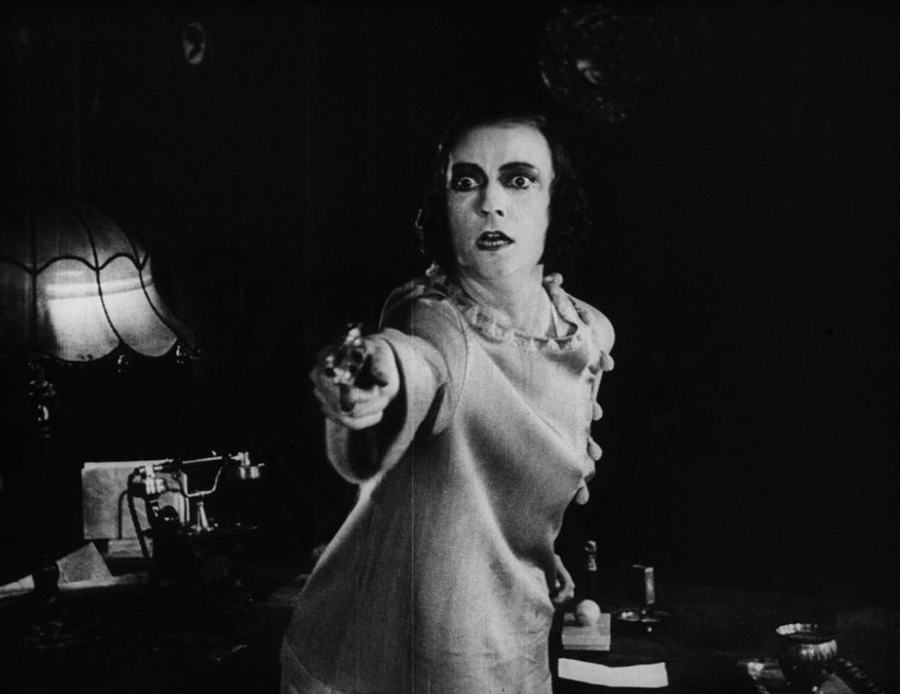
A definitive 6.1/10 rating for a film that redefined the boundaries of cult cinema. Das Ende vom Liede remains a cornerstone of transgressive art.
From the opening frame, the cinematography of *Das Ende vom Liede* immerses the viewer in a chiaroscuro world where shadows dominate the screen, echoing the internal darkness of its protagonists. The director’s choice to linger on the barren kitchen table—its surface scarred by years of neglect—sets a tone of desolation that pervades every subsequent scene. Marga Köhler’s portrayal of the weary wife is nothing short of a masterclass in restrained anguish; her eyes convey a lifetime of unspoken sorrow, while her movements remain deliberately measured, as if each step were a negotiation with an invisible weight.
Erner Huebsch, as the husband, oscillates between detached indifference and explosive fury. The camera often frames him in tight close‑ups, capturing the subtle twitch of a jaw or the flicker of a clenched fist—visual cues that betray a simmering jealousy long suppressed. When the narrative introduces the compassionate doctor, embodied by Max Zilzer, a stark contrast emerges: his demeanor exudes calm authority, his presence bathed in a soft, almost sepia‑toned light that momentarily lifts the oppressive gloom.
The infant, though rarely given a name, functions as a narrative fulcrum. His rescue by the doctor is filmed with a tender, almost reverent camera movement that lingers on the delicate act of bandaging, underscoring the thematic motif of salvation versus corruption. This scene resonates with the same visual language employed in The Child of Destiny, where a child’s fate similarly becomes a battleground for adult morality.
As the husband’s envy mutates into an obsessive possessiveness, the film employs a recurring visual motif: the child's silhouette against a cracked window, fragmented light slicing through the panes, symbolizing the fractured family unit. The moment he harms the child is shot in a jarring, handheld style, the camera shaking as if mirroring the chaos within his psyche. The sound design—sharp, metallic clangs punctuating the child's cry—creates an auditory rupture that lingers long after the scene ends.
The wife's decision to fire the pistol is rendered with a stark, almost operatic intensity. The gun, glinting ominously in the low light, becomes a visual metaphor for both agency and tragedy. When the bullet finds its mark, the frame freezes momentarily, the sound of the shot echoing like a gunfire in a deserted hall. This cinematic choice amplifies the irreversible nature of her act, echoing the fatalistic tone present in The Dance of Death where a single violent act reverberates through the narrative.
In the aftermath, the doctor's self‑sacrifice is portrayed with a quiet dignity. He steps forward, shoulders squared, accepting blame with a stoic resignation that feels both noble and tragic. His confession is delivered in a single, unbroken take, his voice a low rumble that seems to absorb the room’s tension. The wife's promise to wait for his release is spoken softly, the words barely audible, yet they carry the weight of a pact forged in blood and remorse.
At its core, *Das Ende vom Liede* interrogates the corrosive power of jealousy and the paradoxical nature of sacrifice. The film’s exploration of a husband’s misplaced envy mirrors the psychological undercurrents in Vengerkák, where a man's vendetta against his own lineage leads to familial ruin. Both narratives employ a bleak visual palette, yet where *Vengerkák* leans into mythic allegory, *Das Ende* remains firmly grounded in stark realism.
The doctor's altruism, however, introduces a counterpoint to the surrounding darkness. His willingness to bear the weight of another’s crime evokes the moral ambiguity found in The Right to Lie, where truth becomes a pliable commodity in the service of love. This thematic thread underscores the film’s meditation on the elasticity of ethical boundaries when confronted with personal devotion.
The ensemble cast delivers performances that transcend the script’s simplicity. Asta Nielsen, though in a supporting role, infuses her brief appearances with a lingering melancholy that enriches the film’s emotional tapestry. Julius Geisendörfer’s portrayal of a peripheral yet pivotal neighbor adds a layer of societal judgment, his eyes constantly scanning the domestic drama as if measuring its moral decay.
Robert Hartmann and Fritz Wrede, cast as the husband’s confidants, provide a chorus of muted commentary, their dialogues peppered with sardonic wit that briefly lifts the oppressive atmosphere. Their interplay recalls the dark humor present in Shark Monroe, where levity serves as a foil to tragedy.
The director’s use of static shots juxtaposed with sudden kinetic movements creates a rhythmic tension that mirrors the characters’ emotional volatility. The recurring motif of mirrors—fractured, tarnished, and sometimes absent—serves as a visual metaphor for identity disintegration. In one particularly haunting sequence, the wife gazes into a cracked mirror, her reflection splintered, suggesting a self that is both present and irrevocably broken.
Lighting plays a pivotal role; the pervasive use of low-key illumination casts long shadows that seem to creep across the set, a technique reminiscent of German Expressionist cinema. The occasional flare of harsh, artificial light—most notable during the courtroom scene where the doctor stands trial—creates a stark contrast, emphasizing the binary of guilt and innocence.
The film’s score, a minimalist arrangement of mournful strings and distant piano chords, underscores the narrative’s somber tone without overwhelming it. The strategic silence that follows the child's injury amplifies the audience’s discomfort, allowing the emotional weight to settle. This restraint aligns with the auditory strategies employed in The Barricade, where sound is wielded as a narrative device rather than mere background.
Ambient noises—creaking floorboards, the faint hum of a distant streetcar—are woven subtly into the mix, grounding the story in a palpable reality. The occasional diegetic sound of a ticking clock serves as an ever‑present reminder of time’s inexorable march toward inevitable consequence.
Produced in the early Weimar era, the film reflects the societal anxieties of a nation grappling with post‑war disillusionment. The portrayal of a fractured marriage mirrors broader themes of national identity crisis, while the doctor’s self‑sacrifice can be read as an allegory for the collective yearning for redemption amid moral ambiguity. This period also saw an emergence of films that interrogated the human condition through stark realism, placing *Das Ende vom Liede* alongside works like The Silk‑Lined Burglar in its unflinching examination of personal versus societal ethics.
The script, penned by Hans Gaus, employs dialogue that is sparse yet potent. Each line feels weighted, as if every utterance could tip the delicate balance of the characters’ precarious lives. The language, though rooted in the era’s vernacular, retains a timeless resonance that speaks to contemporary audiences familiar with the complexities of familial duty and personal desire.
While *Das Ende vom Liede* never achieved the commercial acclaim of some of its contemporaries, its influence can be traced through later cinematic explorations of domestic tragedy. The film’s nuanced portrayal of a husband’s destructive jealousy prefigures narrative arcs in modern dramas that dissect toxic masculinity. Moreover, the doctor’s moral ambiguity anticipates the anti‑hero archetype that would become prevalent in later twentieth‑century cinema.
Its visual language—particularly the use of fragmented mirrors and stark lighting—has been cited by scholars as a precursor to the visual motifs in the Nouvelle Vague’s introspective works. The film’s willingness to confront uncomfortable truths without resorting to melodramatic excess remains a benchmark for filmmakers seeking authenticity within the drama genre.
*Das Ende vom Liede* stands as a haunting study of love’s darker undercurrents, a cinematic tapestry woven from threads of jealousy, sacrifice, and redemption. Its deliberate pacing rewards patient viewers, inviting them to linger on each lingering glance, each suppressed sigh. The performances, particularly those of Köhler and Huebsch, are imbued with a raw honesty that elevates the script’s stark dialogue. The director’s visual choices—dark orange accents that punctuate moments of revelation, sea‑blue tones that hint at fleeting hope, and the ever‑present yellow that flickers like a dying ember—create a palette as emotionally resonant as the story itself.
For cinephiles attuned to the subtle interplay of narrative and visual symbolism, this film offers a rewarding, if unsettling, experience. Its relevance persists, echoing contemporary conversations about the fragility of familial bonds and the moral complexities inherent in acts of self‑sacrifice. In the annals of early German cinema, *Das Ende vom Liede* may not dominate the marquee, but its quiet power endures, inviting repeated viewings and continual re‑examination.
IMDb 7.7
1932
Community
Log in to comment.