DbcultAccessing Vault...
Cult Review
Senior Film Conservator
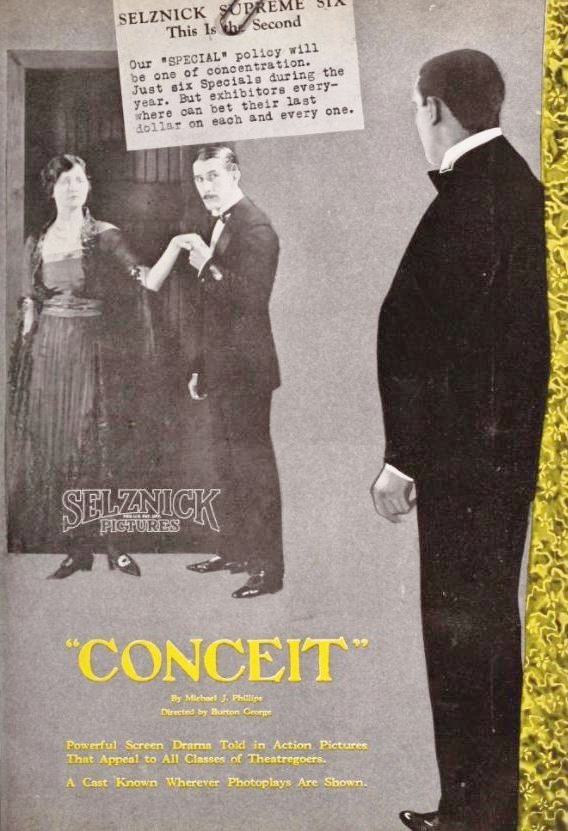
William Crombie’s odyssey begins with the brittle crack of a twig—an aristocrat’s walking-stick snapping beneath the weight of its own pretense. The camera, hungry, glides past fur-trimmed coats and follows him into a thicket where shadows bruise like overripe plums. Director Phillips refuses to romanticize the wild; instead, he lets the forest exhale a chill that settles on Crombie’s starched collar until the linen wilts. It is here, amid cathedral-spires of pine, that Warren Cook’s micro-expressions bloom—his nostrils flare as though sniffing his own evaporating privilege.
Louis Wolheim’s Bowles lumbers into frame like a myth carved from bark and iron ore. The man doesn’t speak; he resonates, each grunt a tectonic shift. Beside him, Betty Hilburn’s Jeanette is no ingénue but a luminous predator, her cheekbones sharp enough to slice the patriarchy in half. Watch the way she peels an apple with a hunting knife, never breaking eye contact with Crombie: the spiral of green skin becomes a strip-tease of his nerve.
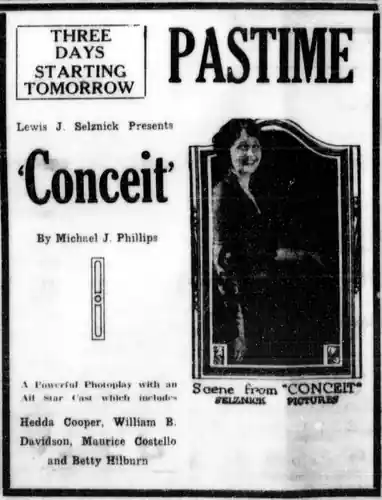
Crombie’s infatuation is less erotic than archaeological—he digs in her gaze for the fossil of the man he might have been, unearths only contempt. The film’s genius lies in refusing him the easy catharsis of a fistfight; instead, Phillips traps him in a tableau of impotence, framed by rifle racks and bear skins that seem to sneer. When he finally flees back to Fifth Avenue, the transition is a hemorrhage: the screen bleeds from viridian to gilt, and we feel the temperature rise until morality itself begins to sweat.
Home is a mausoleum perfumed by his wife Hedda—played by Hedda Hopper in a role that anticipates her future gossip-queen ferocity. She drapes herself in chiffon like a flag of surrender, yet her eyes conduct a silent auction of affections. The lover, Charles K. Gerrard’s effete sculptor, is a study in porcelain decadence; when Crombie discovers them, the camera lingers on a shattered bust of the cuckold—an omen rendered in white dust. The ensuing brawl is shot from below, fists flailing like broken metronomes, each punch a referendum on inherited wealth versus earned pain.
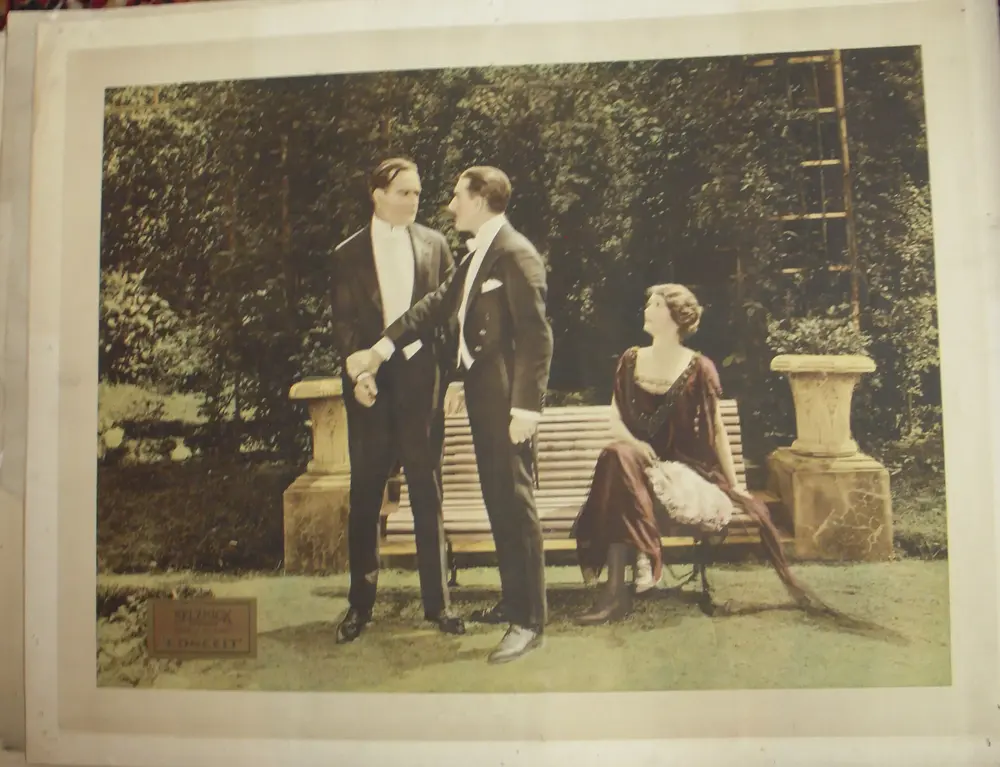
Cue the training montage—decades before Rocky—where Crombie hoists hay bales in a barn that smells of diesel and shame. Intertitles shrink to single verbs: LIFT. RUN. BLEED. His reflection in a cracked mirror multiplies into a cubist portrait of self-loathing. By the time he thrashes the sculptor, we no longer cheer; we witness a man swapping one mask for another, the coward’s face merely bronzed, not transfigured.
But the film’s ethical fulcrum tilts when Crombie returns to the woods and finds Bowles supine, shirt undone to reveal a chest like a battlefield. Consumption? Bullet wound? Phillips never diagnoses; sickness here is existential. Jeanette’s contempt has curdled into something tender—she washes Bowles’s feet, water turning rust. Crombie’s wallet disgorges banknotes like doves, yet the act feels less charity than exorcism. In a haunting medium shot, he places Jeanette’s hand in Bowles’s calloused paw, sealing a future where he will be the ghost at their table.
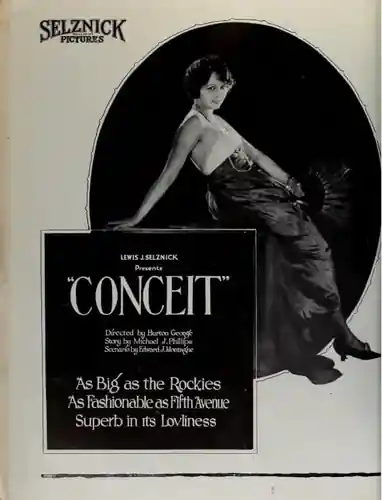
Back at the lodge, snow begins to fall—each flake a mute witness. Inside, Crombie’s wife waits, no longer a harpy but a penitent clutching a muff that might hide forgiveness or a derringer. The final intertitle reads: “A man may conquer beasts, yet bow to the specter within.” Fade-out on Crombie’s face: half-profile, half-shadow, an chiaroscuro of perpetual becoming.
Cook’s performance is a masterclass in micro-gesture; watch his Adam’s apple bob when Jeanette laughs—a semaphore of self-disgust. Wolheim, pre-All Quiet, already wields that granite visage like a blunt instrument, yet in close-up his eyes shimmer with the hurt of a bear denied honey. Hilburn walks the tightrope between feral and fragile; when she smiles, the forest itself seems to lean closer for warmth.
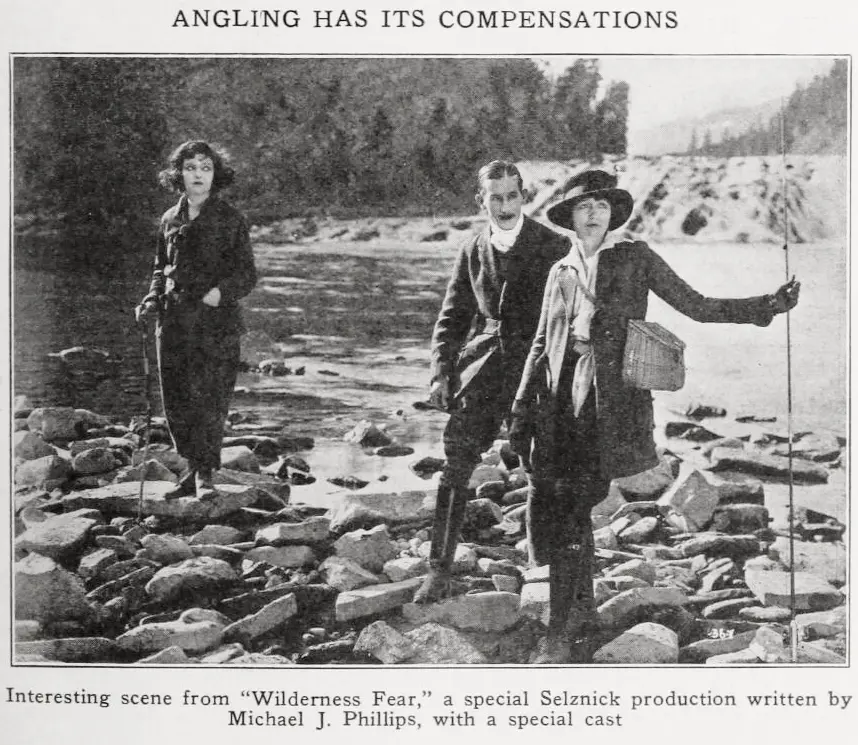
Phillips’s direction favors depth staging: characters recede into shafts of light that feel like moral interrogations. The 1919 influenza epidemic shadows the production—note how often hands are washed, how fever becomes narrative currency. Cinematographer William B. Davidson (pulling double duty as actor) bathes interiors in amber gaslight, exteriors in pewter gloom, creating a dialectic between civilization’s fever and nature’s anesthesia.
Place Conceit beside The Cowardly Way and you’ll see two diverging treatises on masculine shame: where the latter opts for battlefield redemption, Phillips insists that cowardice is a rot cured only by the scalpel of empathy. Its DNA also mutates in Human Clay, another Montagne-scripted parable where bodies are molded by social expectation. Yet Conceit is leaner, its cynicism honed to a stiletto.
For decades, the film languished in nitrate purgatory until a 2018 MoMA restoration salvaged 73 minutes from a Portuguese collector’s attic. The tinting—ochre for interiors, viridian for woods—has been reconstructed via Desmet method, yielding hues that throb like fresh bruises. The new 4K scan reveals texture: the nap of Crombie’s hunting jacket, the moss on Bowles’s boots, the faint acne scars on Jeanette’s temple—details that make mythology mortal.
Conceit is not a tale of redemption but of rearrangement: the same cowardice, now gilded by philanthropy, the same desire, now rerouted into self-sacrifice. It asks whether transformation is possible when the mirror remains cracked. In an era obsessed with self-actualization, this 1921 relic whispers a heresy: perhaps the self is a palimpsest, endlessly written and rewritten, yet never pristine. Watch it for the performances, stay for the existential hangover.
Runtime: 73 min (restored) | Silent with English intertitles | Available on MoMA streaming thru 2025.
IMDb —
1918
Community
Log in to comment.