DbcultAccessing Vault...
Cult Review
Senior Film Conservator
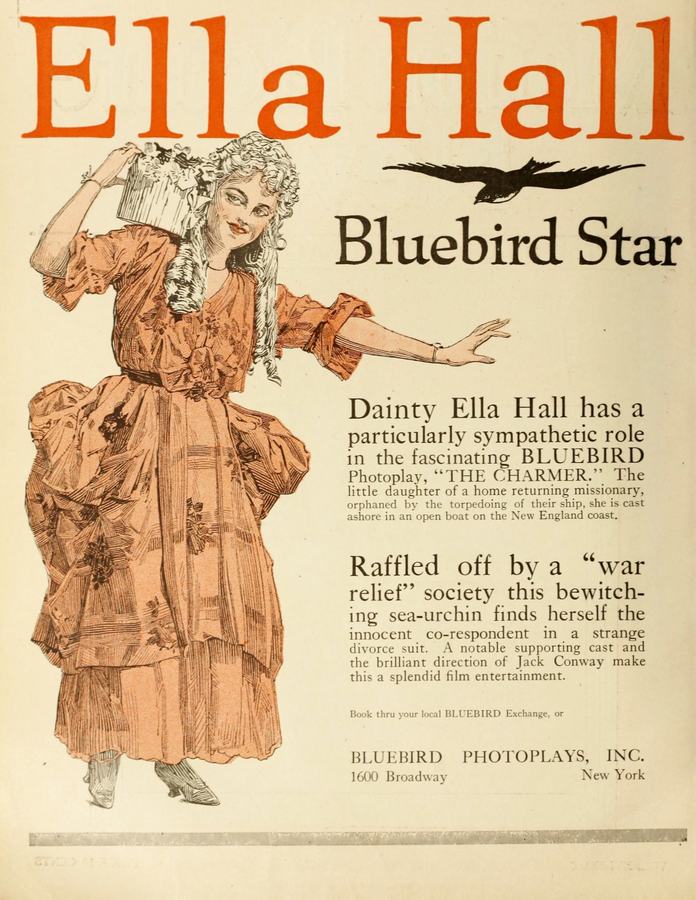
Stepping into the world of early 20th-century cinema, one often encounters narratives distilled to their purest emotional essence, and The Charmer, a cinematic offering from 1917, is a quintessential example. It’s a film that, despite its apparent simplicity, resonates with a profound human truth: the quiet, often overlooked, power of genuine kindness and selfless intervention. In an era often characterized by melodramatic flourishes and grand gestures, this picture offers a refreshing, almost understated, portrayal of a young woman whose greatest strength lies not in overt heroism, but in her inherent capacity for empathy and her unwavering desire to alleviate the suffering of others. It’s a delicate dance of domestic drama, imbued with a gentle optimism that feels both timeless and deeply specific to its period. The film unfolds with an almost pastoral grace, inviting viewers to immerse themselves in a narrative that champions the subtle art of emotional repair. It reminds us that sometimes, the most significant victories are won not on battlefields, but within the intimate confines of family life, mended by the soft touch of a compassionate soul.
At the heart of this heartwarming narrative is Ambrosia Lee, brought to vivid life by the luminous Ella Hall. Hall’s performance here is nothing short of captivating, a masterclass in conveying depth and nuance without the aid of spoken dialogue. She embodies Ambrosia with an ethereal grace, a character who is not merely sweet-natured but possesses an almost preternatural ability to soothe troubled souls. Hall’s expressive eyes and delicate gestures speak volumes, allowing her to project an inner strength and boundless compassion that transcends the confines of the silent medium. It’s a portrayal that distinguishes Ambrosia from a mere saccharine figure, elevating her to a symbol of pure, unadulterated benevolence. Her every movement, every subtle shift in expression, communicates a profound understanding of her character’s mission: to bring light and harmony wherever shadows gather. This isn’t a performance reliant on histrionics; rather, it’s a meticulously crafted study in understated power, a testament to Hall’s formidable talent as an actress. One might draw parallels to other compelling female leads of the era, such as those seen in Suzanne, where the protagonist similarly navigates complex social landscapes with a blend of resilience and charm, though perhaps with a different set of societal expectations weighing upon her. Hall’s Ambrosia, however, feels uniquely centered in her own moral compass, an anchor in a sea of emotional turbulence.
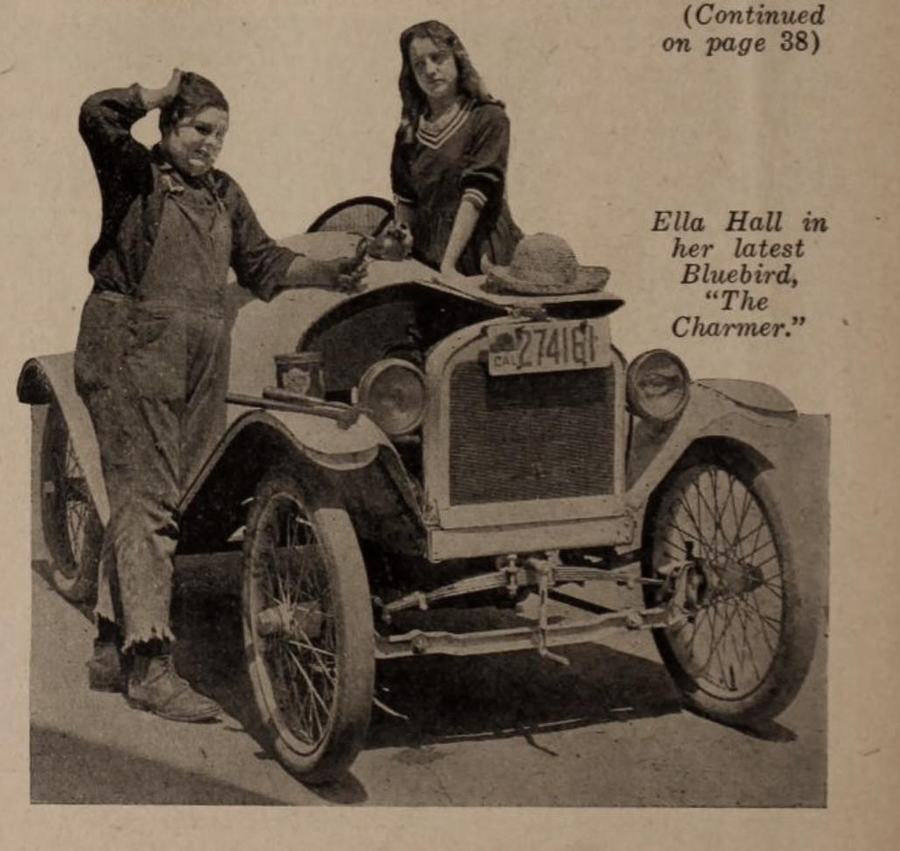
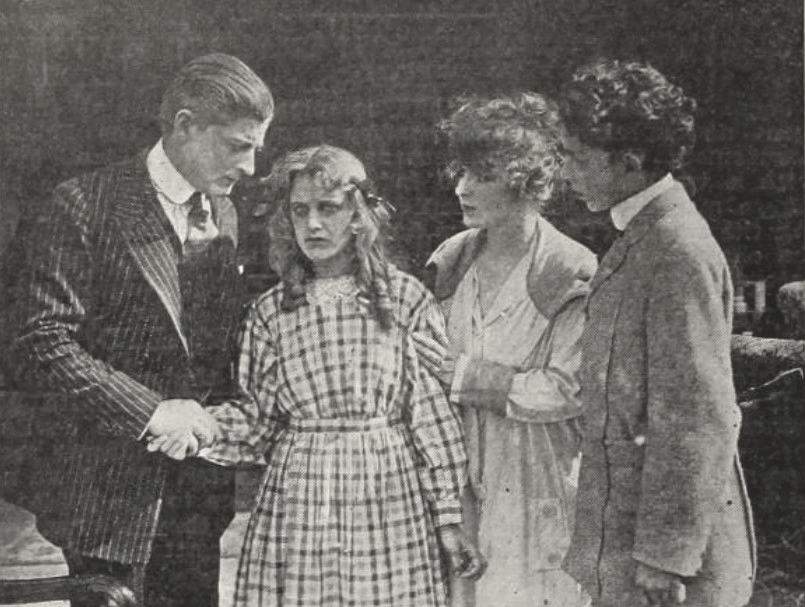
The ensemble cast surrounding Hall contributes significantly to the film’s rich tapestry. Frank MacQuarrie and Belle Bennett, as Ambrosia’s estranged Aunt Charlotte and Uncle, deliver performances that are both convincing and emotionally resonant. Their portrayal of a couple grappling with the slow erosion of their marital bond is handled with a sensitivity that prevents them from becoming mere caricatures of domestic discord. MacQuarrie, in particular, manages to convey the weariness and frustration of a man teetering on the brink of despair, while Bennett imbues Aunt Charlotte with a palpable sense of hurt and vulnerability. Lincoln Stedman, James McCandlas, A.E. Witting, Martha Mattox, and George Webb round out the supporting players, each adding a distinct flavor to the narrative, creating a believable community within which Ambrosia’s mission unfolds. The interplay between these characters, often communicated through subtle glances and body language, is a testament to the directorial skill of the era, allowing the audience to piece together the unspoken tensions and affections that bind (or unbind) them. This collective effort ensures that the emotional stakes feel genuine, making Ambrosia’s eventual triumph all the more satisfying. The nuanced performances highlight the often-overlooked depth achievable in silent cinema, where gestures and facial expressions carry the full weight of character psychology.
The screenplay, penned by Fred Myton and J. Grubb Alexander, is remarkably efficient in its storytelling, especially considering the inherent limitations of the silent film format. They craft a narrative that, while straightforward, avoids becoming simplistic. The plot’s focus on domestic reconciliation, driven by a protagonist’s innate goodness, is a timeless theme, yet it feels fresh in their hands. The writers understand that the true drama lies not in external conflict, but in the internal struggles of the characters and the delicate process of healing fractured relationships. There’s a commendable absence of gratuitous sensationalism, a common pitfall for melodramas of the period. Instead, Myton and Alexander lean into the quiet power of human connection, allowing Ambrosia’s actions to speak louder than any dramatic contrivance. This measured approach to storytelling allows the emotional core of the film to shine through, making the eventual resolution feel earned and genuinely heartwarming. In an era where films like The Naked Truth might delve into more scandalous or overt societal issues, The Charmer opts for a more intimate, universally relatable conflict, proving that profound stories don't always require grand-scale theatrics.
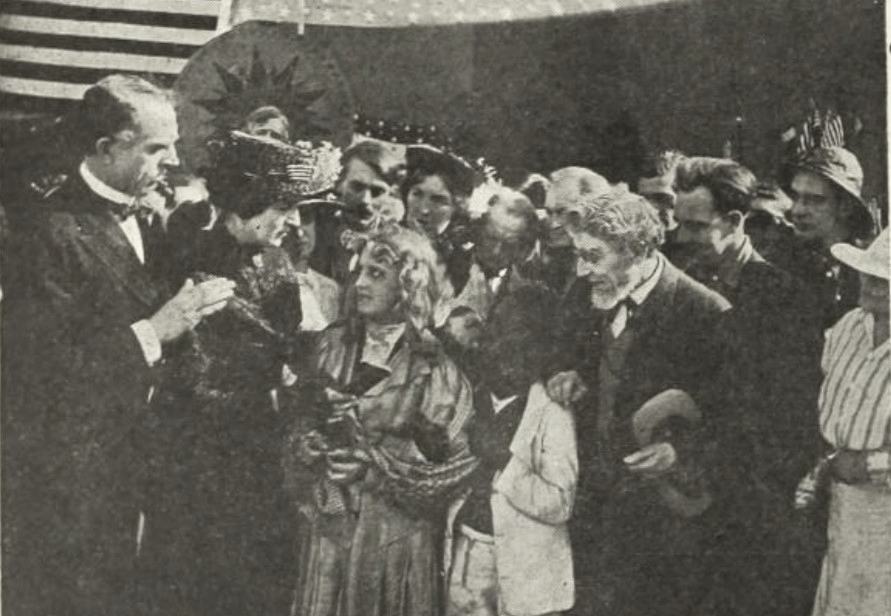
From a technical standpoint, the film exhibits many of the stylistic conventions and emerging techniques of early cinema. While the cinematography might appear rudimentary by today’s standards, it is effective in conveying the narrative and capturing the emotional beats of the actors. The use of intertitles is judicious, providing necessary exposition without interrupting the flow of the visual storytelling. The direction prioritizes clarity and emotional impact, ensuring that even the most subtle expressions from Ella Hall are given ample screen time to register with the audience. There's a particular charm in witnessing how filmmakers of this era managed to convey complex emotions and intricate plot points with such limited tools, relying heavily on visual cues, actor's prowess, and carefully constructed mise-en-scène. The pacing, though deliberate, never drags, maintaining a steady rhythm that guides the viewer through Ambrosia’s journey of familial mediation. It’s a testament to the nascent art form’s ability to engage and move audiences, proving that innovation often blossoms from constraint. Comparing it to something like War and Peace, a much grander epic, highlights the diverse ambitions of cinema even in its early days, with The Charmer finding its strength in its focused, intimate scope rather than sprawling historical drama.
The thematic resonance of The Charmer extends beyond its immediate narrative. It speaks to the universal human desire for harmony and the often-challenging path to achieving it within personal relationships. Ambrosia’s character, a beacon of selflessness, offers a compelling counterpoint to the more cynical or self-serving protagonists that occasionally populated the screen during this period. Her unwavering belief in the power of love and understanding, even in the face of entrenched bitterness, is both inspiring and aspirational. The film implicitly suggests that true strength lies not in dominance or power, but in compassion and the willingness to bridge divides. This makes it a surprisingly profound watch, elevating it beyond a simple melodrama into a contemplation on human nature and the restorative potential of genuine affection. It's a cinematic exploration of the idea that individual actions, however small, can have far-reaching positive consequences, a sentiment that echoes through other films centered on benevolent figures, such as The Habit of Happiness, where the protagonist similarly strives to bring joy and positivity to those around him, albeit through different means.
One cannot discuss The Charmer without acknowledging its place within the broader context of silent cinema. Films of this era, often dismissed as mere historical curiosities, frequently reveal a surprising sophistication in their storytelling and character development. This particular picture stands as a testament to the enduring appeal of narratives that champion moral rectitude and the triumph of good intentions. It highlights the evolving craft of filmmaking, showcasing how directors and actors were learning to communicate complex human emotions and societal dynamics through purely visual means. The film is a valuable artifact, offering insights into the cultural values and artistic sensibilities of its time, while simultaneously delivering a story that remains universally relatable. It contributes to a rich lineage of cinema that explored the intricacies of domestic life, a theme that would continue to captivate audiences for decades to come. Its quiet impact is a stark contrast to the more sensationalist fare, or even the documentary-style films of the period like Gira política de Madero y Pino Suárez, demonstrating the breadth of cinematic ambition even in nascent stages.
The enduring appeal of The Charmer lies in its unpretentious charm and its unwavering belief in the inherent goodness of humanity. It’s a film that doesn’t seek to shock or provoke, but rather to soothe and inspire. Ella Hall’s central performance is a luminous anchor, guiding the audience through a narrative that, while simple in premise, is rich in emotional depth and moral conviction. The film’s message – that genuine kindness and empathetic understanding possess an unparalleled power to heal even the most profound rifts – remains as relevant today as it was over a century ago. It serves as a gentle reminder that sometimes, the most effective solutions to life’s complex problems stem not from grand schemes or dramatic confrontations, but from the quiet, persistent efforts of a truly compassionate heart. For those seeking a glimpse into the heartfelt storytelling of early cinema, or simply a dose of optimistic humanism, The Charmer offers a profoundly rewarding experience, a small gem that continues to radiate its quiet, benevolent light across the decades. It’s a film that leaves a lingering sense of warmth and a renewed appreciation for the often-underestimated strength of gentle persuasion and unwavering love. It is a testament to the idea that some stories, like the most beautiful melodies, simply transcend time. While not overtly dramatic like Dolken or exploring complex philosophical questions like Leben heisst kämpfen, its quiet strength is undeniably potent.
IMDb 4.8
1925
Community
Log in to comment.