DbcultAccessing Vault...
Cult Review
Senior Film Conservator
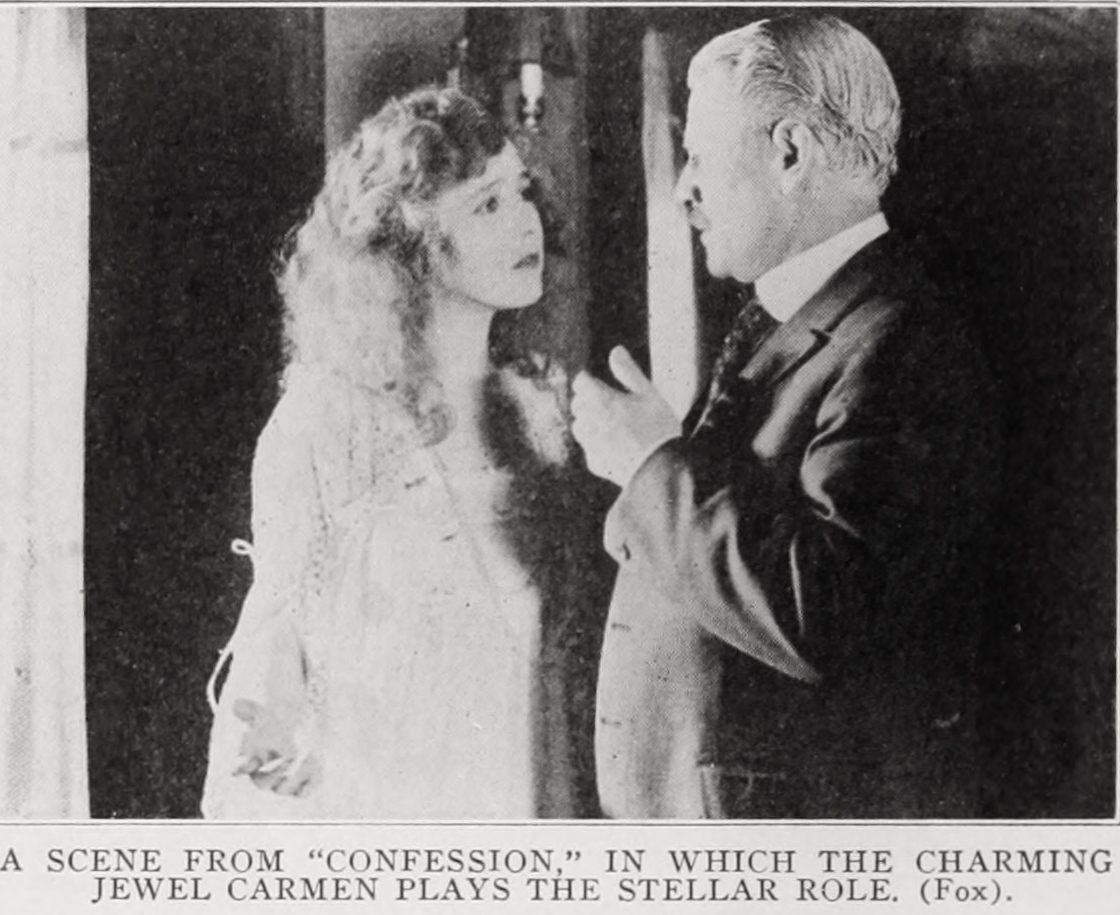
Welcome, cinephiles, to a journey back in time, to an era where flickering shadows and the eloquence of silence conveyed narratives with a potency that often rivals our modern soundscapes. Today, we're unearthing a gem from 1921, a film that, despite its relative obscurity compared to some of its contemporaries, delivers a psychological punch that resonates long after the final frame fades. Sidney Franklin's Confession is not merely a film; it is an unsettling descent into a waking nightmare, a masterclass in building tension through the sheer vulnerability of its protagonists. This early cinematic endeavor, penned by Franklin himself, masterfully manipulates audience expectations, weaving a tapestry of dread and injustice that culminates in a truly unforgettable, albeit perplexing, revelation.
The narrative commences with an idyllic scene: Bob Anderson, portrayed by the earnest Jack Brammall, and his radiant bride Mary, brought to life by the expressive Jewel Carmen, embarking on their honeymoon. Their journey, however, is swiftly marred by an encounter with highwaymen, a brutal snatching that leaves them bereft of their valuables, including Mary's precious wedding ring. This initial trauma sets an ominous tone, stripping them of not just possessions, but also a sense of security and identity. Arriving at a secluded country inn, already shaken and vulnerable, they are met with an unexpected cruelty: a hotel clerk, whose suspicious gaze and outright disbelief in their marital status deny them proper lodging. Relegated to a common parlor, the young couple finds themselves isolated, their joy replaced by a gnawing unease. This sequence, deftly handled by Franklin, establishes a profound sense of helplessness, a precursor to the escalating horrors that await. The clerk's sinister demeanor, a subtle yet potent performance, immediately brands him as a figure of suspicion, a dark harbinger in an already darkening landscape. The film doesn't waste time in establishing an atmosphere thick with foreboding, turning what should be a sanctuary into a den of potential danger.
The fragile peace of the parlor is shattered before dawn by a blood-curdling scream. Bob, rushing to investigate, stumbles upon a ghastly discovery: a woman murdered. The arrival of the police, swift and unforgiving, seals his fate. In a chilling display of circumstantial evidence and perhaps a touch of narrative expediency typical of early thrillers, Bob is arrested, tried, and convicted with alarming speed. The judicial process is depicted as a relentless, impersonal machine, crushing the innocent under its ponderous weight. This segment of the film is particularly harrowing, as the audience is forced to witness Bob's agonizing descent from hopeful newlywed to condemned man. His bewilderment and Mary's anguish are palpable, conveyed through the raw, unadorned power of silent acting. The film brilliantly captures the terror of being trapped in a Kafkaesque nightmare, where logic and truth are irrelevant against the tide of accusation. In its exploration of wrongful conviction and the arbitrary nature of fate, Confession echoes the thematic gravitas found in other contemporary works exploring societal injustice. While not directly comparable in plot, the sense of impending doom and the fight against a rigged system might bring to mind the dramatic tension of a film like Der letzte Tag, where characters face an inexorable fate, or even the more procedural, yet equally grim, aspects of crime narratives like Mysteries of London, albeit with a far more intimate and psychological focus here.
With Bob languishing on death row, the narrative shifts its focus to Mary, whose initial vulnerability transforms into a steely determination. Believing implicitly in her husband's innocence, she refuses to succumb to despair. Aided by her father, she embarks on her own perilous investigation, convinced that the true culprit still lurks within the inn's shadowy confines. This pivot highlights Mary's burgeoning agency, making her a compelling figure of resilience. Her meticulous planning to expose the real killer, setting a cunning trap within the very place that became their undoing, is a testament to her courage and ingenuity. The tension here is exquisitely crafted, as Mary and her father navigate the treacherous environment, their every move fraught with risk. The film elevates Mary beyond a mere damsel in distress, portraying her as an active participant in her own fate and the salvation of her beloved. This detective-like pursuit, while rudimentary by modern standards, is remarkably effective for its time, maintaining a taut sense of suspense as the audience anticipates the unmasking of the true villain. The discovery that the insidious hotel clerk is indeed the murderer brings a chilling satisfaction, confirming the audience's initial suspicions and validating Mary's unwavering conviction.
The clerk's confession, wrung from him through Mary's ingenious ploy, ignites a frantic, desperate race against the clock. With Bob's execution imminent, Mary embarks on a heart-stopping dash to reach the governor, clutching the confession as her last hope. The film expertly builds suspense in this sequence, intercutting between Mary's frantic journey and the grim preparations for Bob's demise. Every flicker of the film reel, every quickening shot, amplifies the urgency. This is classic silent film melodrama at its finest, extracting maximum emotional impact from the ticking clock. Jewel Carmen's performance here is particularly poignant, her face a canvas of raw desperation and fading hope. The audience is left on the edge of their seats, breath held, praying for a miracle. Then, the crushing blow: Mary arrives, only to be informed that it is too late. The news is delivered with an almost unbearable finality, plunging the viewer into the depths of despair alongside Mary. It's a moment designed to evoke profound anguish, a cruel twist of fate that seems to seal the tragic narrative with an indelible mark of sorrow. The power of this scene lies in its absolute bleakness, leaving no room for reprieve or last-minute heroics, or so it seems.
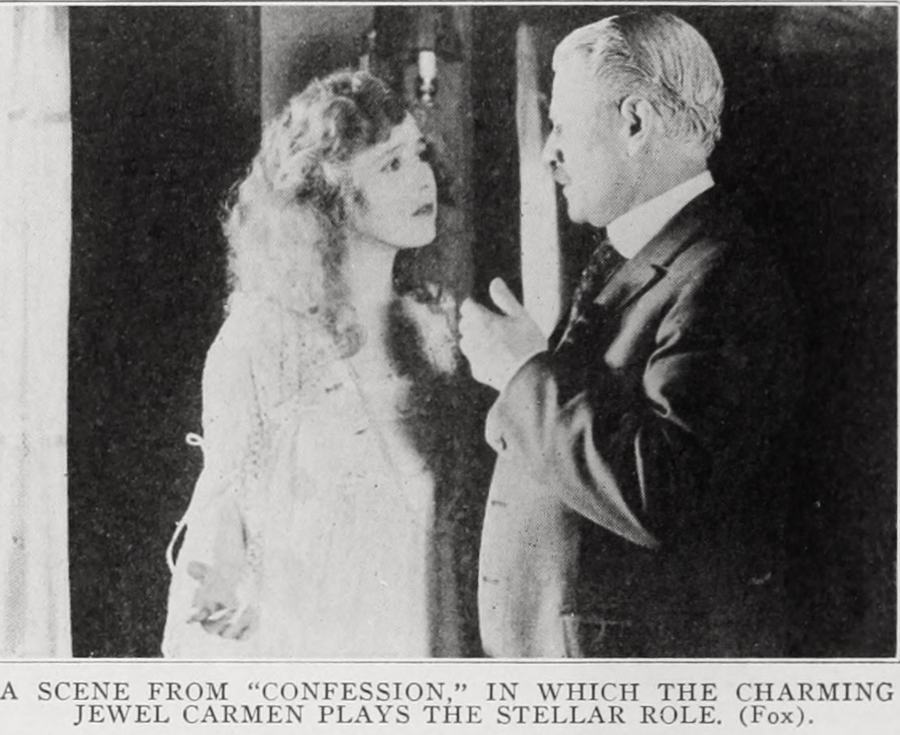
Just as the audience is grappling with the devastating finality of Bob's presumed execution, the film delivers its most audacious narrative maneuver: Mary awakens, her entire agonizing ordeal revealed to be nothing more than a terrifying, vivid dream. This twist, while a common trope in early cinema, is handled with a certain panache that elevates it beyond mere convenience. It retroactively recontextualizes every moment of dread, every pang of injustice, every race against time, as a product of Mary's subconscious anxieties. The relief is instantaneous, yet it leaves a lingering chill, a phantom dread that speaks to the power of the human mind to construct elaborate horrors. Some critics might argue that such an ending cheapens the preceding tension, reducing a compelling narrative to a mere psychological exercise. However, in the context of early 20th-century cinema, it serves as a fascinating exploration of the inner world, a precursor to more complex psychological thrillers. It allows the filmmakers to explore extreme scenarios without having to fully commit to their tragic implications, offering a cathartic release while still acknowledging the profound emotional journey undertaken. This dream device is a powerful tool, one that can either frustrate or fascinate, depending on the viewer's susceptibility to such narrative sleights of hand. It forces a re-evaluation of the entire film, transforming it from a straightforward crime drama into a meditation on fear, paranoia, and the fragility of peace. Compared to other films of the period that might offer more definitive resolutions, Confession dares to delve into the ambiguity of subjective experience, leaving the audience to ponder the psychological scars of a nightmare so real.
The success of Confession rests heavily on the shoulders of its principal cast, who, without the aid of dialogue, must convey a vast spectrum of emotions. Jack Brammall as Bob delivers a nuanced performance, transitioning from honeymoon bliss to utter despair with convincing intensity. His wide, expressive eyes and slumped posture effectively communicate his character's psychological torment and helplessness. Jewel Carmen, as Mary, is the film's emotional anchor. Her portrayal is a masterclass in silent acting; her initial joy, her crushing fear, her unwavering determination, and ultimately, her profound relief are all rendered with remarkable clarity. She embodies the spirit of resilience, making her character's desperate quest entirely believable. The supporting cast, including Lee Shumway, Andrew Arbuckle, Fred Warren, and Charles Gorman, contribute significantly to the film's atmosphere. The hotel clerk, in particular, is a standout, his subtle sneers and suspicious glares building a tangible sense of menace long before his true villainy is revealed. These actors understood the power of gesture, facial expression, and body language to tell a story, allowing the audience to project their own understanding onto the characters' silent struggles. Their performances are a vivid reminder of the artistry inherent in the silent film era, where actors were true physical storytellers, capable of commanding attention and evoking empathy through sheer presence and expressive movement. The raw, unfiltered emotion they bring to the screen is a testament to their craft, making the audience deeply invested in the harrowing journey of Bob and Mary.
Sidney Franklin, both as writer and director, demonstrates a keen understanding of suspense and psychological tension in Confession. His direction is precise, utilizing the visual language of silent cinema to maximum effect. The use of close-ups to emphasize emotional distress, the strategic deployment of shadows to heighten menace, and the dynamic editing during moments of heightened drama (like Mary's race to the governor) all contribute to the film's immersive quality. Franklin masterfully controls the pacing, allowing moments of quiet dread to build before unleashing bursts of frantic action. The screenplay, though reliant on a well-worn trope, is structured to maximize emotional impact, drawing the audience deeper into Mary's nightmare. He understands that in silent film, the visual narrative must be paramount, and he ensures that every frame contributes to the overarching mood and story. His ability to evoke such strong feelings of fear, injustice, and eventual relief without a single spoken word is a testament to his skill as a filmmaker. Franklin's work here showcases the potential of early cinema to transcend simple storytelling, venturing into the realm of psychological exploration and emotional manipulation, leaving a lasting impression that defies the limitations of its medium. It's a reminder that compelling narratives are timeless, regardless of the technological advancements in filmmaking.
While Confession may not enjoy the same widespread recognition as some of its more celebrated silent contemporaries, it stands as a compelling example of early psychological thrillers. Its exploration of wrongful accusation, the fragility of identity, and the blurring lines between reality and nightmare contributes significantly to the genre's nascent development. The film’s bold use of the dream sequence, while a narrative device that can divide audiences, nevertheless sparks discussion about the nature of perception and the power of the subconscious. It reminds us that filmmakers were experimenting with complex themes and narrative structures even in the earliest days of cinema. For those interested in the evolution of suspense and the ingenuity of silent storytelling, Confession offers valuable insights. It holds up remarkably well, its emotional core still potent, its suspense still effective, proving that universal human fears and desires transcend the passage of time and technological advancements. It's a testament to the enduring power of a well-crafted story, regardless of the era in which it was told, and a fascinating window into the creative spirit of early Hollywood.
In conclusion, Confession is more than just a silent film; it's a visceral experience, a plunge into the depths of terror and despair, only to resurface into a world where the nightmare's echoes still linger. Sidney Franklin, along with his talented cast, crafts a narrative that is both harrowing and thought-provoking, showcasing the profound capabilities of early cinema to manipulate emotion and challenge perception. For aficionados of classic cinema, especially those with an appreciation for psychological thrillers and the unique artistry of the silent era, this film is an absolute must-see. It's a powerful reminder that sometimes, the most terrifying stories are those that unfold not on the screen, but within the intricate labyrinth of our own minds. Seek it out, and prepare for a journey that will stay with you long after the final credits roll, prompting you to question the very fabric of reality itself.
IMDb 6.9
1926
Community
Log in to comment.