DbcultAccessing Vault...
Cult Review
Senior Film Conservator
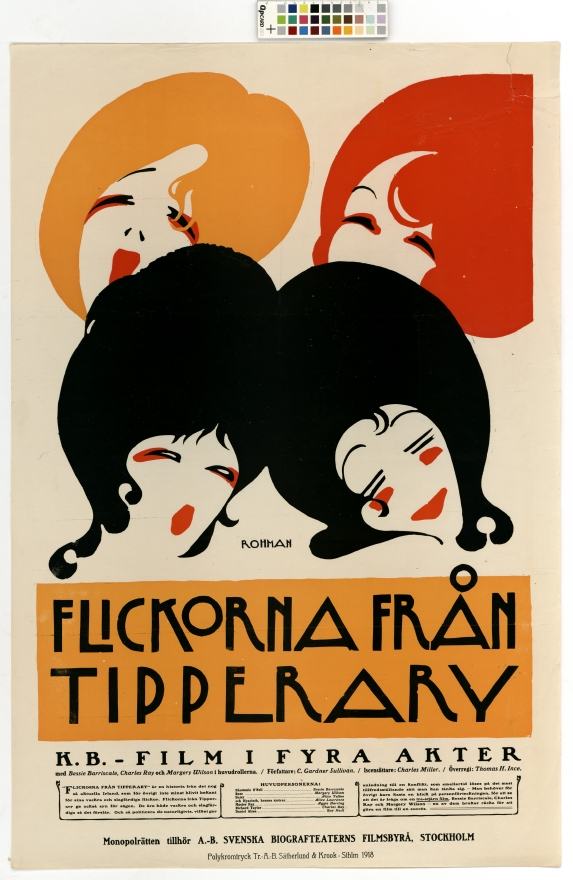
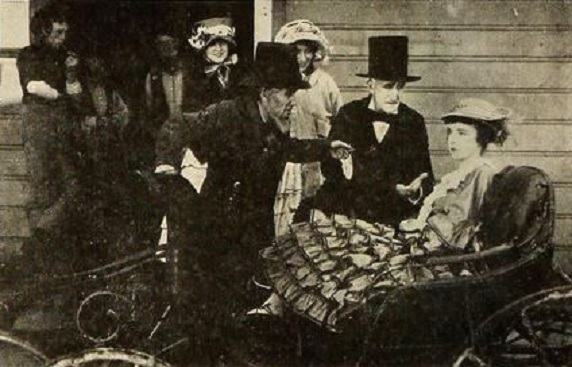
Stepping back into the nascent days of cinematic storytelling, before the cacophony of synchronized sound or the dazzling spectacle of technicolor, we encounter 'A Corner in Colleens', a delightful silent film from 1916 that, despite its vintage, still manages to pluck at the heartstrings and evoke a sense of nostalgic wonder. Directed by Roy William Neill, this picture, penned by C. Gardner Sullivan, is more than just a quaint relic; it's a testament to the universal appeal of romance, the allure of the unknown, and the timeless draw of the Emerald Isle. In an era where films like The Making of Maddalena and The River of Romance were captivating audiences with their own unique narratives of transformation and love, Neill's work carved out its own charming niche.
The narrative of A Corner in Colleens commences with a premise as old as storytelling itself: the lure of inheritance. Our protagonist, a young American, whose name, like many details in early silent cinema, is often less important than his journey, receives word of a distant Irish relative's passing. This news ignites in him the prospect of a substantial legacy, prompting a voyage across the Atlantic to claim what he believes is rightfully his. What begins as a fiscally motivated expedition, however, rapidly morphs into an adventure far richer in emotional currency than any monetary sum could ever promise. It's a classic fish-out-of-water tale, but one imbued with a particular Irish charm that elevates it beyond mere trope.
Upon his arrival in Ireland, the young American finds himself immersed in a culture vibrant with tradition, hospitality, and an almost mystical connection to the land. It’s here, amidst the rolling green hills and the warm, welcoming communities, that he encounters her: a beautiful Irish colleen. Her presence, her spirit, her very being, captures his attention and, quite swiftly, his heart. This unexpected romantic entanglement becomes the true inheritance, far surpassing the value of any material wealth he had initially sought. The film, in its silent eloquence, masterfully portrays this pivot, showing a man whose priorities are subtly, yet profoundly, reshaped by the power of love and cultural immersion. It's a journey not just across oceans, but across the landscape of his own soul, echoing the transformative power of love seen in films like The Eternal Question, where personal quests often lead to unexpected emotional revelations.
The success of any silent film hinges almost entirely on the expressive capabilities of its cast, and A Corner in Colleens is blessed with a formidable ensemble. Leading the charge is Bessie Barriscale, an actress whose talent for conveying complex emotions through gesture and facial expression was truly remarkable. Her portrayal of the titular colleen is imbued with a natural grace and captivating authenticity that makes her character instantly endearing. Barriscale’s eyes, in particular, speak volumes, conveying innocence, longing, and burgeoning affection without the need for a single intertitle. She brings a luminous quality to the screen that is simply enchanting, making her character the undeniable heart of the film.
Charles Ray, playing the young American, provides a compelling counterpart. Ray, known for his ability to embody earnest, often slightly bewildered, yet ultimately good-hearted characters, perfectly captures the initial naiveté and subsequent transformation of his role. His journey from a somewhat mercenary seeker of wealth to a man utterly smitten by love is portrayed with a nuanced subtlety that resonates deeply. He avoids caricature, instead crafting a relatable figure whose emotional awakening feels genuine and earned. His reactions to the Irish landscape and its people, particularly to Barriscale’s character, are a masterclass in silent film acting, utilizing body language and subtle shifts in expression to communicate inner turmoil and growing affection. One can draw parallels to the earnestness found in performances in other period pieces, though Ray's particular brand of wholesome charm is distinctly his own.
The supporting cast, featuring talents such as Alice Terry, Margery Wilson, Walter Perry, and Aggie Herring, further enriches the film’s tapestry. Alice Terry, even in a supporting role, often brought a striking presence to the screen, foreshadowing her later stardom. Margery Wilson, another prolific actress of the era, adds depth to the community dynamics, while character actors like Charles K. French and Walter Perry provide robust and often humorous portrayals that ground the fantastical elements of romance in a believable, lively setting. Each performer, under Roy William Neill's direction, contributes to a cohesive and engaging cinematic experience, proving that even without dialogue, a skilled ensemble can create a world brimming with personality and emotional resonance. The collective effort here is reminiscent of the detailed ensemble work seen in historical dramas like The Hoosier Schoolmaster, where a community comes alive through its diverse inhabitants.
Roy William Neill, a director whose career spanned silent films to the talkies, including some iconic Sherlock Holmes entries, demonstrates a keen eye for visual storytelling in A Corner in Colleens. He leverages the picturesque Irish landscapes to their fullest, imbuing the film with a palpable sense of place that is both romantic and authentic. The cinematography, though rudimentary by today's standards, effectively captures the rustic beauty of Ireland, making it an integral character in the unfolding drama. Neill understands that the setting is not merely a backdrop, but an active participant in the protagonist’s transformation, a visual metaphor for the untamed, passionate heart of the colleen herself. His direction guides the audience's gaze, ensuring that every gesture, every lingering look, and every scenic vista contributes to the emotional arc of the narrative.
The pacing of the film is deliberate, allowing moments of quiet contemplation and grand romantic gestures to breathe. Neill avoids the frenetic editing that would sometimes plague less confident silent film directors, instead opting for a rhythm that feels organic to the story being told. This measured approach allows the audience to fully absorb the emotional weight of each scene, to truly connect with the characters' internal struggles and joys. The direction is clear, concise, and effectively communicates the film's themes of love, destiny, and the clash (and eventual harmonization) of cultures. It's a directorial hand that, much like in Blind Justice, guides the viewer through moral and emotional landscapes with a steady, insightful touch.
Beyond the surface-level romance, A Corner in Colleens subtly explores several compelling themes. The most apparent is the contrast between material wealth and emotional fulfillment. Our protagonist's initial pursuit of an inheritance represents a conventional, tangible form of gain. His eventual realization that the love of the colleen is the true treasure underscores a powerful message about intrinsic value over extrinsic acquisition. This thematic thread resonates with many human experiences, suggesting that the most meaningful riches often lie beyond the grasp of mere financial transaction. It's a sentiment echoed in countless stories, from ancient folklore to modern cinema, and here, it feels particularly poignant amidst the rustic simplicity of the Irish setting.
Another significant theme is the clash and eventual integration of cultures. The American, arriving from a presumably more industrialized and individualistic society, is confronted with the communal warmth, the traditional values, and the unique cadence of Irish life. His journey is one of adaptation and appreciation, as he sheds his preconceived notions and embraces the beauty of a different way of living. This cultural exchange is handled with a gentle touch, avoiding stereotypes and instead focusing on the enriching experience of cross-cultural connection. It’s a nuanced portrayal of how new environments can challenge and ultimately expand one's worldview, a journey of discovery not unlike the character's quest in A Maori Maid's Love, where different traditions meet and intertwine.
Furthermore, the film touches upon themes of identity and belonging. The protagonist, initially a stranger in a foreign land, finds a sense of belonging not through his inherited estate, but through his relationship with the colleen and his integration into her community. This speaks to the human desire for connection and the idea that 'home' is often found not in a place, but in the people with whom we share our lives. It’s a testament to the idea that love can anchor us, providing a foundation for a new identity rooted in shared experience and affection. This search for identity and place is a recurrent motif in cinema, often seen in films that explore personal journeys against grand backdrops, such as 'Tween Heaven and Earth.
While not as widely remembered as some of the monumental epics of the silent era, A Corner in Colleens holds a special place for those who appreciate the subtle artistry and genuine emotion that defined early cinema. It’s a film that, despite its age, feels remarkably fresh in its depiction of love and cultural discovery. The performances, particularly from Barriscale and Ray, are captivating, drawing the audience into their world with an effortless charm that transcends the lack of spoken dialogue. The film serves as a beautiful reminder of the power of visual storytelling and the enduring appeal of a good old-fashioned romance.
For modern viewers, watching A Corner in Colleens is an opportunity to connect with a foundational period of film history, to appreciate the craftsmanship involved in conveying complex narratives through expression, gesture, and carefully composed shots. It’s a window into a time when cinema was still finding its voice, yet already capable of delivering profound emotional impact. The film stands as a testament to the timeless nature of human connection and the universal language of love. It’s a quiet gem that deserves to be rediscovered, much like the unexpected treasures found in a forgotten corner of the world, or the intricate plots in films like Seven Keys to Baldpate, where every detail matters.
In an era dominated by rapid technological advancements in filmmaking, there’s a distinct pleasure in revisiting a work that relies on pure performance and evocative imagery. A Corner in Colleens offers just that: a simple yet profound story, beautifully told, that reminds us that some cinematic experiences are truly timeless. It’s a corner of Irish charm, wrapped in a romantic embrace, waiting to be explored by new generations of film enthusiasts. Its gentle spirit and engaging storyline ensure its place, if not in the grand pantheon, then certainly in the affectionate memories of those who stumble upon its quiet brilliance. Like a treasured antique, its value only increases with the passage of time, offering insights into the past while still resonating with contemporary hearts. It embodies the quiet heroism and personal growth often found in narratives like Was He a Coward?, where inner strength triumphs over initial doubts.
The film's exploration of Irish identity and American perspective provides a fascinating cultural lens, a characteristic shared with other works that delve into national character, even those as distinct as The Rajah's Diamond Rose or Fången på Karlstens fästning, each reflecting their own unique cultural milieu. The screenplay by C. Gardner Sullivan, a prolific writer of the era, demonstrates a nuanced understanding of character motivation and plot progression, crafting a story that feels both familiar and fresh. His ability to weave a compelling narrative without the crutch of dialogue speaks volumes about his skill, ensuring that the film's emotional beats land with precision. This careful crafting of narrative is a hallmark of enduring cinema, whether silent or sound, and allows films like The Life of Moses to transcend their historical context.
In conclusion, A Corner in Colleens is more than just a historical artifact; it is a vibrant, heartwarming romance that speaks to the enduring power of love and the transformative journey of self-discovery. It reminds us that sometimes, the greatest treasures are not found in gold or property, but in the unexpected corners of the heart, and in the captivating eyes of a beautiful colleen. Its charm is undeniable, its message timeless, and its place in the annals of early cinema well-deserved. Much like the pursuit of happiness itself, as explored in The Keys to Happiness, the protagonist's true quest leads him to an invaluable, intangible reward. And for those who appreciate the quiet grace of early filmmaking, this corner of cinematic history is a delightful discovery.
IMDb —
1927
Community
Log in to comment.