Summary
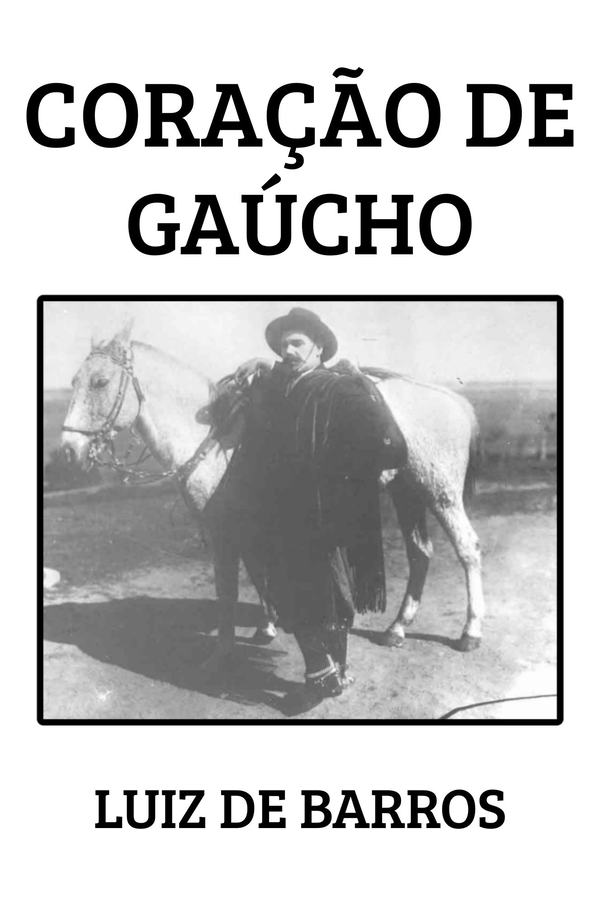
On the blood-ochre pampas where wind carves psalms into the swaying capim, a taciturn cowboy named Coração—his sobriquet a sardonic gift from comrades who swore the organ in his chest beat only for the horizon—rides southward clutching a single silver spur, the surviving relic of a brother lynched by cattle barons. The land itself becomes libretto: storm clouds bruise the sky like overripe plums, mirroring the protagonist’s inner weather, while colonial towns—half Portuguese lace, half Guarani shadow—tremble beneath the hooves of militias paid in gold and fear. He seeks vengeance, yes, yet what he unearths is a labyrinth of debts: a mute orphan girl who attaches to his saddle like a barnacle of memory, a widowed actress trading stage rouge for political pamphlets, and a Jesuit fugitive sketching maps of a republic that exists only on tobacco-stained parchment. Each encounter refracts the question Alencar’s script whispers: can a man trade solitude for solidarity without fracturing the myth that made him fearsome? When the final duel erupts at dusk inside an abandoned saloon whose floorboards ooze yerba-mate resin, bullets are never merely lead; they are unpaid tithes to ancestry, love letters to the future, and the sound they make is less gunfire than the ripping of a nation’s adolescence. The curtain falls not on a corpse but on a horizon now crimson, as if the earth itself has begun to menstruate, and the surviving girl lifts the orphaned spur to her ear like a seashell, hearing in its hollow the gallop of stories still untold.
Review Excerpt
"
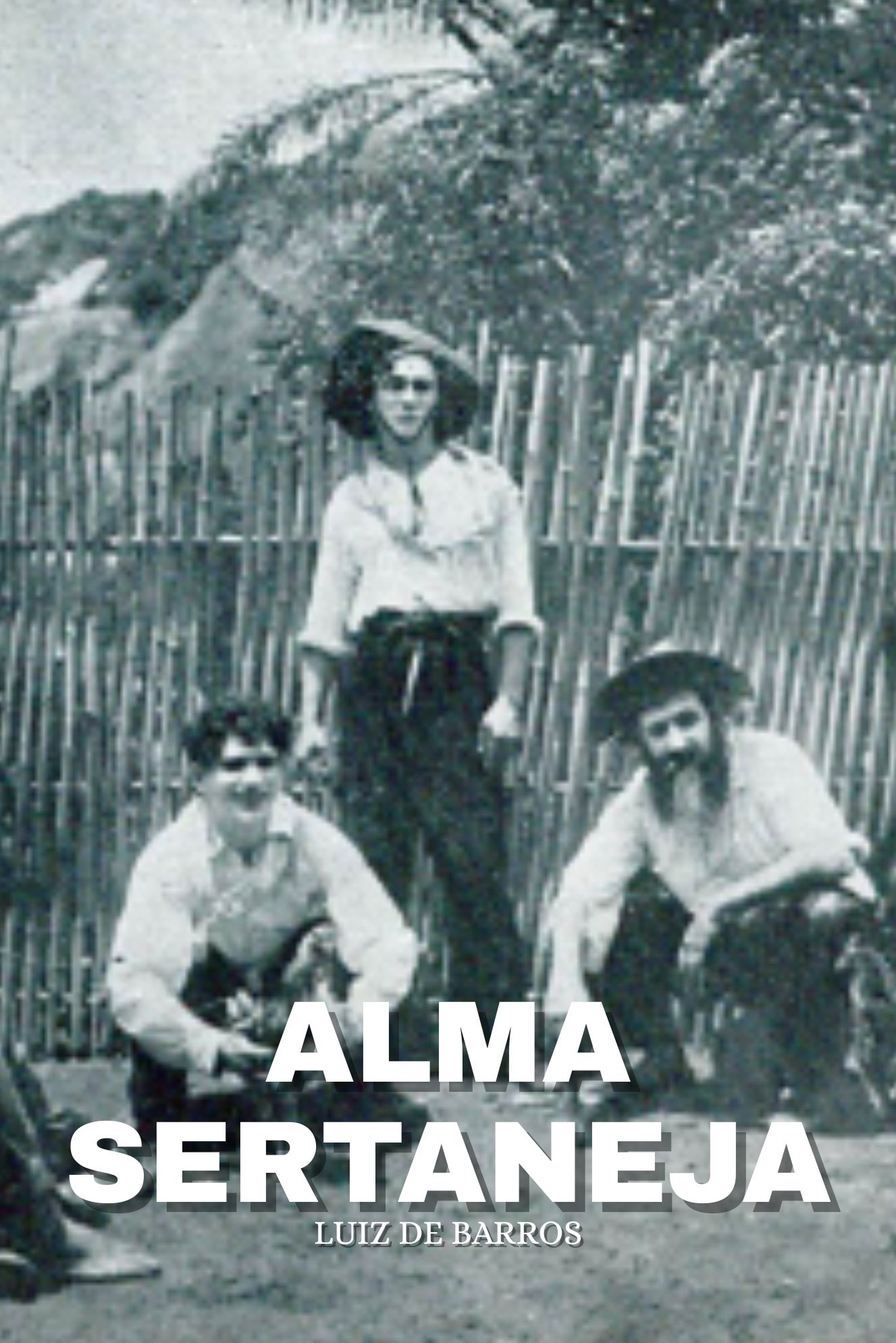
A chiaroscuro of candleflame and moonscarce night opens Coração de Gaúcho, Luiz de Barros’s 1920 gaúcho-noir that predates the spaghetti Western’s operatic bloodletting by four decades yet feels startlingly post-modern in its refusal to genuflect before moral binaries. The film—restored in 4K from the sole surviving nitrate print unearthed in a Porto Alegre basement—unfurls like a tango that forgot its choreography, each frame slipping between ethnographic record and fever dream.
Manuel F. Ar..."