DbcultAccessing Vault...
Cult Review
Senior Film Conservator
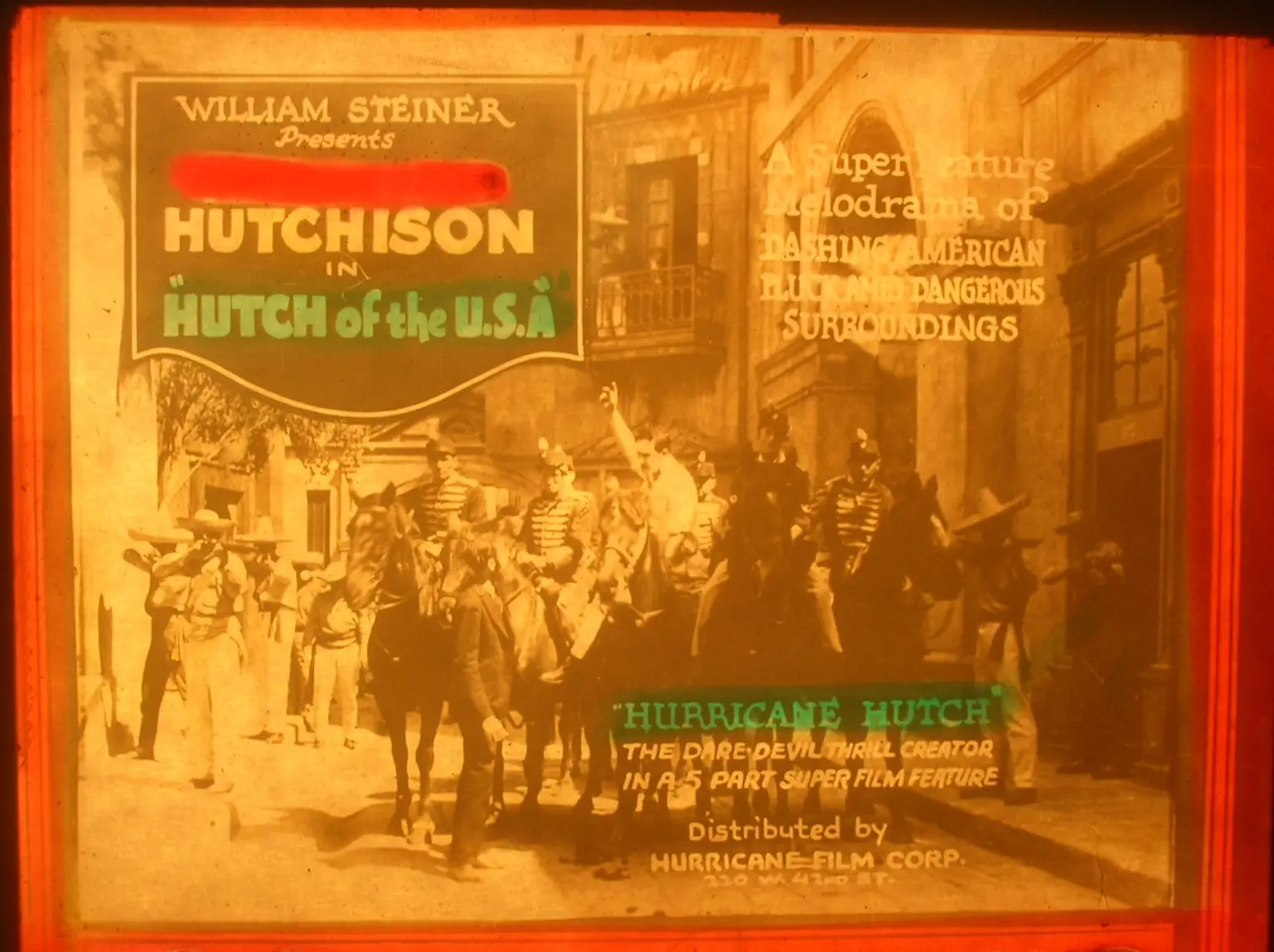
In the annals of early cinematic history, amidst the flickering shadows and grand gestures of the silent era, certain films stand out not just for their technical innovation but for their sheer narrative audacity. 'Hutch of the U.S.A.', a compelling 1924 offering, is precisely one such picture, a vibrant tapestry woven with threads of international intrigue, fervent patriotism, and the undeniable allure of a burgeoning romance. It encapsulates the very essence of what made silent action-adventure serials so captivating to audiences of the time: a dashing hero, a damsel in distress (or, in this case, a spirited woman caught in political turmoil), and a clear-cut struggle between good and evil, all set against an exotic backdrop. This film isn't merely a relic; it's a pulsating testament to storytelling prowess that transcends the spoken word.
The narrative thrust of 'Hutch of the U.S.A.' plunges us headfirst into the fictional Republic of Guadala, a nation teetering on the precipice of political upheaval. Our protagonist, simply known as Hutch, is dispatched there as a newspaper reporter, ostensibly to provide an objective account of the volatile conditions. However, the veneer of journalistic neutrality quickly dissipates as he uncovers the sinister machinations of General Moreno, a figure whose ambition knows no bounds. Moreno's plot to overthrow the legitimate President Bonilla and establish a dictatorial regime is painted with broad, villainous strokes, immediately establishing a moral imperative for our hero. This initial setup, a common trope in adventure serials, effectively positions Hutch not just as an observer but as a potential catalyst for change, a man whose principles will inevitably draw him into the fray. The stakes are clear: freedom versus tyranny, and Hutch, with his American sensibilities, finds himself unable to remain a bystander.
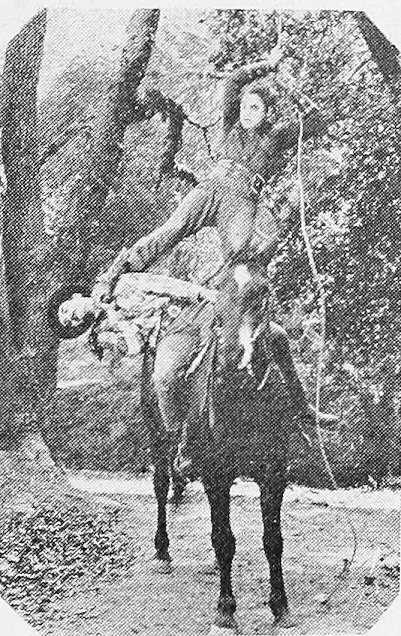
Charles Hutchison, embodying the titular role, brings a physicality and earnestness to Hutch that was characteristic of his on-screen persona. Known for his daredevil stunts and athletic prowess, Hutchison was a genuine action star of his time, and 'Hutch of the U.S.A.' clearly leverages these strengths. His portrayal of a reporter-turned-revolutionary isn't just about delivering lines (or intertitles, rather); it's about conveying conviction through action, through the set of his jaw, the determined glint in his eye, and the sheer force of his dynamic movements. One can easily imagine the audience of the 1920s cheering as Hutchison's character leaps across rooftops or engages in a thrilling pursuit, much like they would for other athletic heroes of the era. This dedication to physical performance makes the stakes feel incredibly real, even without the benefit of synchronized sound. His presence alone elevates the film from a mere political drama to an exhilarating adventure.
The romantic subplot, often a crucial element in silent serials, is skillfully interwoven with the political machinations. Marquita, General Moreno's ward, becomes the focal point of Hutch's affections, providing a deeply personal motivation for his involvement. Edith Thornton, as Marquita, portrays a character who is not merely a prize to be won but a woman with her own agency, albeit one constrained by her circumstances. Her connection to Moreno adds a layer of tragic complexity to the romance, forcing Hutch to confront not only a political adversary but also the guardian of the woman he loves. This dynamic creates compelling tension, as Hutch must navigate both the dangers of revolution and the delicate intricacies of winning Marquita's heart. The love story here isn't a distraction; it's the emotional anchor, providing a powerful human element to the broader struggle for liberty. It reminds us that even in the grandest conflicts, personal connections often drive the greatest acts of courage.
Jack Natteford's script, while adhering to the conventions of the time, demonstrates a keen understanding of pacing and dramatic escalation. The plot unfolds with a relentless momentum, each revelation and action sequence building upon the last. From the initial exposition of Moreno's treachery to Hutch's gradual immersion into the revolutionary cause, the narrative never truly lets up. The portrayal of the revolutionaries, though perhaps idealized, taps into a universal yearning for justice and self-determination. They are depicted not as a faceless mob but as individuals fighting for their homeland, lending a moral weight to Hutch's decision to abandon his journalistic impartiality. This transformation from detached observer to committed participant is a central arc, showcasing a hero who finds his true purpose not in reporting the news, but in shaping it through his own principled actions.
The supporting cast, including Frank Leigh as the nefarious General Moreno, Ernie Adams, Jack Mathis, Frederick Vroom, Alphonse Martell, Julian Rivero, and Natalie Warfield, each contribute to the film's vibrant atmosphere. Leigh, in particular, delivers a memorable performance as the antagonist, his villainy palpable even without spoken dialogue, conveyed through exaggerated expressions and menacing body language. The effectiveness of these performances highlights the unique demands of silent acting, where every gesture, every facial contortion, had to communicate volumes. They collectively build a world that feels both exotic and dangerous, a perfect stage for Hutch's heroics. Their contributions are essential in creating the rich tapestry of Guadala, making the conflict feel tangible and the stakes acutely personal for both the characters and the audience.
Visually, 'Hutch of the U.S.A.' likely employed the common techniques of its era: dynamic camera angles during action sequences, carefully constructed sets to evoke the foreign locale, and effective use of intertitles to convey dialogue and exposition. While detailed records of its specific cinematographic innovations might be scarce, the film's success would have relied heavily on these visual storytelling elements. The exotic setting of Guadala, though undoubtedly a studio creation, would have transported audiences to a world far removed from their everyday lives, much like the adventurous locales explored in films such as The Secret of the Pueblo or Birthday Guests and Jungle Pests. These visual elements were crucial in establishing the film's tone and immersing the viewer in its thrilling narrative, proving that silent cinema could create truly expansive and believable worlds with clever staging and evocative imagery.
The thematic undercurrents of 'Hutch of the U.S.A.' are particularly fascinating. The film touches upon themes of foreign intervention, the fight against oppression, and the universal quest for freedom. While viewed through the lens of early 20th-century American idealism, Hutch's decision to aid the revolutionaries out of 'sympathy with their cause' speaks to a timeless human impulse to stand up against injustice. This moral clarity, though perhaps simplistic by today's nuanced standards, was a powerful draw for audiences seeking escapism infused with a sense of righteous purpose. The film doesn't shy away from presenting a clear moral dichotomy, making Hutch's choices unambiguous and his heroism easily celebrated. This direct approach allowed the audience to fully invest in the struggle, knowing exactly who to root for and why.
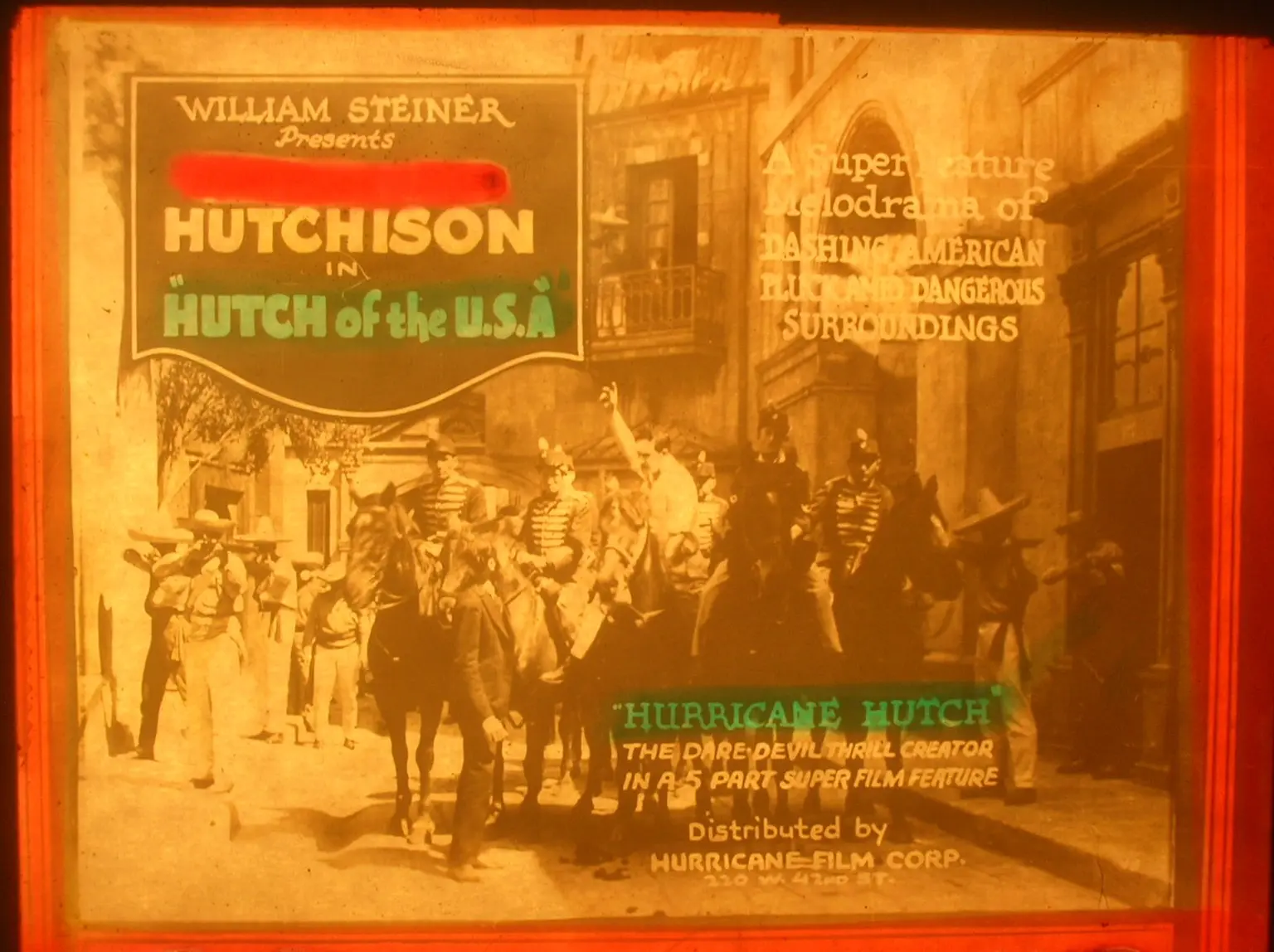
One cannot discuss 'Hutch of the U.S.A.' without acknowledging its place within the broader context of silent action cinema. It belongs to a lineage of films that prized thrilling escapades and virtuous heroes, a tradition that laid the groundwork for countless adventure stories to follow. The film's climactic resolution, with Moreno's troops defeated and Hutch winning the girl, provides the satisfying closure audiences craved. It's a classic hero's journey, complete with trials, tribulations, and a triumphant conclusion that reaffirms the power of courage and love. The straightforward narrative arc, culminating in a clear victory for the protagonists, was a hallmark of popular entertainment of the era, offering a comforting sense of order restored. The romantic resolution, much like in Love Without Question, offers a sweet reward for the hero's daring deeds.
Reflecting on the film today, it serves as a valuable artifact, offering insights into the popular entertainment and cultural sensibilities of the 1920s. It reminds us of an era when cinematic storytelling relied purely on visual artistry, compelling performances, and well-crafted narratives to engage its audience. The absence of dialogue forced filmmakers and actors to be incredibly expressive, honing a craft that, while different from sound cinema, was no less sophisticated. The lasting appeal of films like 'Hutch of the U.S.A.' lies in their ability to transcend the limitations of their medium, delivering a timeless tale of heroism and romance that continues to resonate. It’s a testament to the enduring power of classic storytelling, proving that a well-told story, regardless of its technological era, can always capture the imagination.
The legacy of Charles Hutchison, prominently displayed in this film, further solidifies its historical significance. His career, built on a foundation of athletic dynamism and clear-cut moral uprightness, is a microcosm of the heroic archetype prevalent in early cinema. 'Hutch of the U.S.A.' is not just a film about a reporter in Guadala; it's a chapter in the larger story of how cinema itself was defining its heroes and villains, its narrative structures, and its capacity for spectacle. While it might not possess the avant-garde experimentation of some contemporary European films like Morphium or the grand literary adaptations such as Dombey and Son, it absolutely excels in its chosen genre: pure, unadulterated adventure. Its directness and vigor are what make it a quintessential example of American silent action filmmaking.
In conclusion, 'Hutch of the U.S.A.' remains a shining example of silent era adventure filmmaking. It is a film that, despite its age, still manages to captivate with its spirited hero, perilous plot, and heartwarming romance. It reminds us that sometimes, the most effective stories are those that simplify the world into clear choices and noble actions, offering a potent blend of escapism and moral reaffirmation. For enthusiasts of silent cinema, or anyone curious about the roots of the action-adventure genre, this film is an essential watch, a vibrant window into a bygone era of cinematic heroism. It’s a compelling journey that proves the silent screen was anything but quiet when it came to delivering thrilling entertainment and enduring human drama.
Director: Not explicitly listed in prompt, but characteristic of serials to have multiple or uncredited directors.
Writers: Jack Natteford
Cast: Charles Hutchison, Frank Leigh, Ernie Adams, Jack Mathis, Frederick Vroom, Alphonse Martell, Edith Thornton, Julian Rivero, Natalie Warfield
For more thrilling tales of international intrigue and daring heroes, explore classics like The Faithful Heart or the action-packed Going! Going! Gone!.
IMDb —
1917
Community
Log in to comment.