DbcultAccessing Vault...
5.8/10
Senior Film Conservator
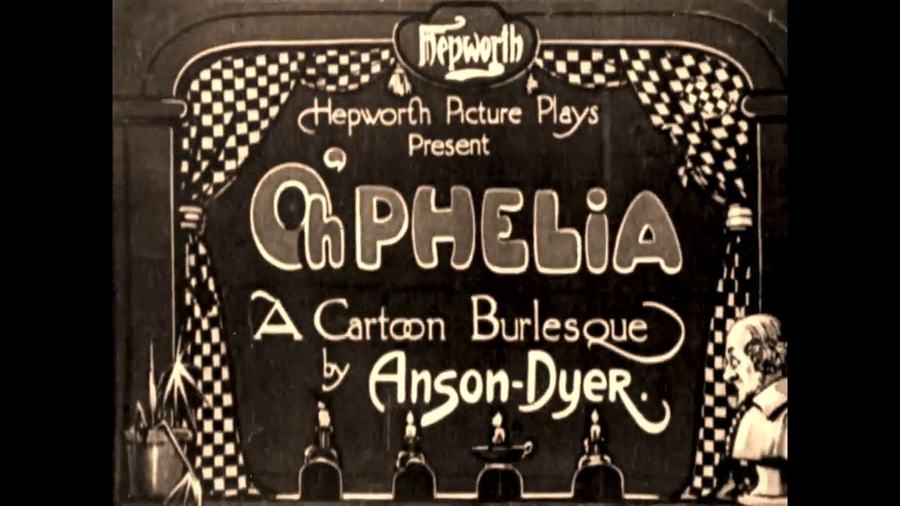
A definitive 5.8/10 rating for a film that redefined the boundaries of cult cinema. Oh'phelia remains a cornerstone of transgressive art.
To witness Oh'phelia is to step into a temporal rift where the high-gravity drama of William Shakespeare meets the burgeoning, almost anarchic spirit of early British animation. Anson Dyer, a name that should be etched more deeply into the annals of cinematic history, takes the quintessential tragedy of the Prince of Denmark and distills it into a visual shorthand that is as irreverent as it is insightful. This isn't the brooding, three-hour marathon we've come to expect from modern interpretations; it is a lean, skeletal exploration of indecision. In the same year that audiences were grappling with the heavy-handed morality of The House of Tears, Dyer was experimenting with the very limits of how much narrative weight a few hand-drawn lines could carry.
The film opens not with the thunderous atmosphere of a castle battlement, but with a stark, minimalist aesthetic that forces the viewer to confront the psychological core of the characters. Hamlet, voiced—if one can use that term for a silent animation—by the sheer kinetic energy of his movements, is a creature of pure hesitation. While the live-action dramas of the era, such as Der stumme Zeuge, relied on the physical gravitas of their actors to convey silent turmoil, Dyer utilizes the fluidity of animation to externalize the Prince's internal rot. The suspicion that his uncle, the now-crowned King, orchestrated the murder of his father is not merely a plot point; it is a visual contagion that seems to warp the very scenery around the characters.
What distinguishes Oh'phelia from contemporary Shakespearean adaptations is its willingness to poke fun at the solemnity of the source material. By 1919, the 'Hamlet' archetype was already a well-worn cliché in the theater. Dyer leans into this, presenting a Hamlet who is almost a caricature of his own melancholy. This satirical edge provides a fascinating contrast to the more traditional, melodramatic films of the period like Monna Vanna, which treated historical and literary figures with a hushed, almost religious reverence. In Dyer's hands, the Prince's vacillation is not just a tragic flaw; it's a source of dark, rhythmic comedy.
The visual language here is remarkably sophisticated for its time. Note the way the ghost of Hamlet's father is rendered—a shimmering, translucent presence that stands in stark contrast to the solid, blocky figures of the living. This use of contrast serves as a metaphor for the thin veil between the memory of the past and the corruption of the present. While a film like The Flower of Doom might use lighting and shadow to create a sense of dread, Dyer uses the inherent properties of the animated medium to suggest a world that is literally coming apart at the seams. The character of Ophelia, often relegated to a secondary role of tragic victimhood, is here given a peculiar kind of agency through Dyer's stylistic choices, reflecting perhaps a shift in the cultural zeitgeist similar to the depictions of femininity in A Perfect Lady.
The central conflict—the murder of a father and the hand of a mother—is handled with a briskness that might shock those accustomed to the slow-burn pacing of It Happened in Paris. Yet, this brevity does not equate to a lack of depth. Instead, it highlights the absurdity of the revenge cycle. The uncle is not just a villain; he is a bloated symbol of usurped authority, a visual echo of the corrupt power structures explored in His Robe of Honor. When Hamlet stares into the abyss of his own indecision, the animation slows, the lines become more jagged, and the viewer is pulled into a vortex of existential dread that feels surprisingly modern.
Consider the technical constraints Dyer faced. In 1919, animation was a grueling, frame-by-frame labor of love. Every movement had to be calculated, every expression hand-drawn. This labor is visible in the final product, giving the film a tactile, organic quality that CGI can never replicate. The jittery nature of the film strip adds a layer of nervous energy that perfectly complements Hamlet’s mental state. It’s a far cry from the polished, almost sterile beauty of Beach Birds, opting instead for a gritty, expressive aesthetic that prioritizes emotional truth over aesthetic perfection.
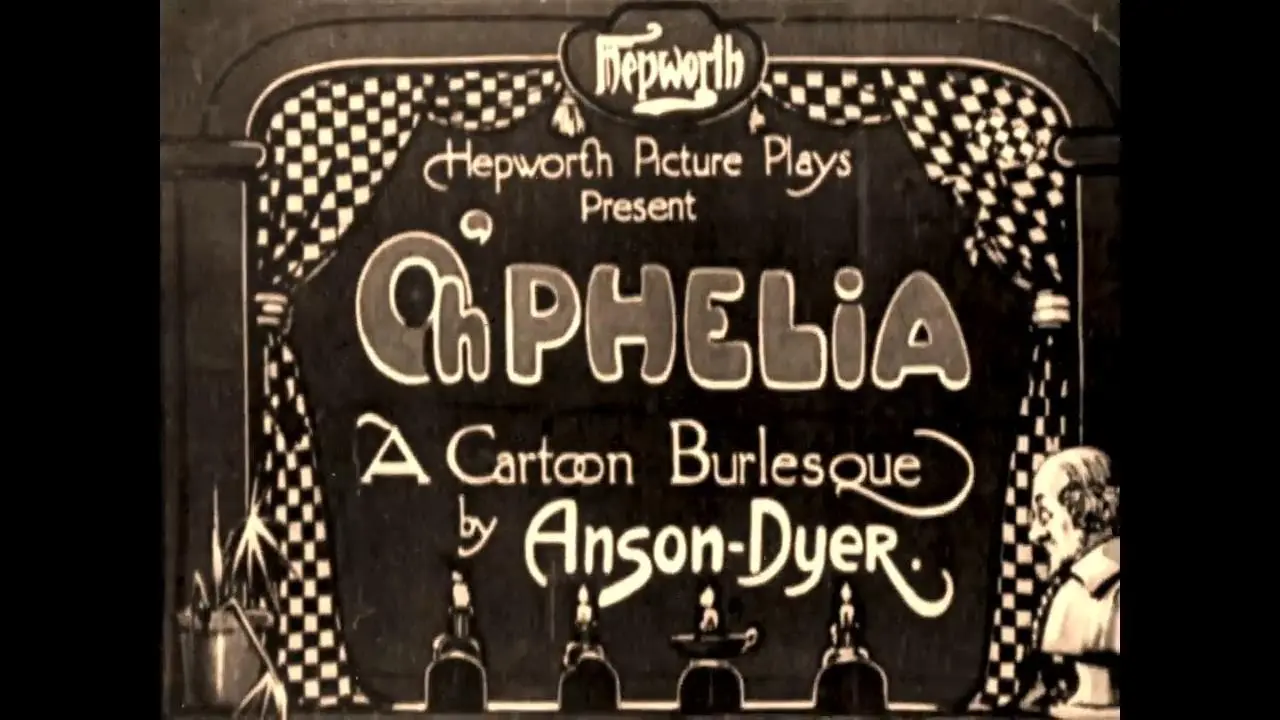
To fully appreciate Oh'phelia, one must look at the broader cinematic landscape of the late 1910s. This was an era of intense experimentation. While directors like those behind Maternità were exploring the depths of maternal sacrifice through realism, Dyer was proving that animation could tackle the most complex philosophical questions of Western literature. The film shares a certain thematic DNA with Revelation, particularly in its obsession with the supernatural and the lingering presence of the deceased, but it eschews the latter's grandiosity for a more intimate, almost claustrophobic focus on the individual psyche.
The pacing of the film is a masterclass in economy. While a contemporary drama like Viviette might take its time to establish character motivations through long takes and intertitles, Dyer uses the visual shorthand of animation to convey complex emotions in a matter of seconds. A single arched eyebrow or a slumped shoulder in Oh'phelia carries the weight of a dozen pages of dialogue. This efficiency is also found in The Fight, though applied to a much different genre. Both films understand that in the silent era, movement was the primary vehicle for meaning.
Dyer’s work on Oh'phelia serves as a bridge between the Victorian theatrical tradition and the modern age of visual storytelling. It is a film that refuses to be categorized easily. Is it a tragedy? A comedy? A technical demonstration? It is all of these and more. It possesses the same kind of daring spirit found in The Flames of Chance, a willingness to take a familiar narrative and set it ablaze to see what remains in the ashes. The Prince's inability to take vengeance becomes a meta-commentary on the state of the world in 1919—a world paralyzed by the trauma of the Great War, unable to move forward but haunted by the ghosts of the past.
Even when compared to the epic scale of The Beggar of Cawnpore or the visceral intensity of Haceldama ou Le prix du sang, Oh'phelia holds its own through sheer creative audacity. It reminds us that the power of cinema lies not in the budget or the size of the cast, but in the clarity of the vision. Anson Dyer understood that Hamlet’s struggle is universal because it is fundamentally a struggle with the self—a struggle that is perfectly captured in the flickering, hand-drawn lines of this animated gem.
In the end, Oh'phelia is a testament to the enduring power of Shakespeare and the limitless potential of the animated form. It is a film that demands to be seen not just as a historical curiosity, but as a vibrant, living piece of art. The way it handles the theme of vengeance—not as a heroic quest, but as a crushing burden—is more nuanced than many live-action films that followed. The Prince's final moments, rendered with a poignant simplicity, leave the viewer with a sense of profound melancholy that lingers long after the credits roll.
For any serious student of cinema, Oh'phelia is essential viewing. it challenges our perceptions of what early animation could achieve and provides a unique perspective on one of the greatest stories ever told. It stands as a lonely, brilliant beacon in the history of film, a reminder that even in the silence of the early 20th century, there were voices—and drawings—that spoke with incredible power and wit. Dyer didn't just adapt Hamlet; he reinvented him for a new, visual age, ensuring that the Prince of Denmark would continue to haunt our collective imagination in ever-evolving forms.
Reviewer's Note: The preservation of films like Oh'phelia is crucial for understanding the evolution of visual narrative. Its stylistic choices continue to influence animators who seek to blend high art with popular entertainment.
IMDb —
1916
Community
Log in to comment.