DbcultAccessing Vault...
6.6/10
Senior Film Conservator
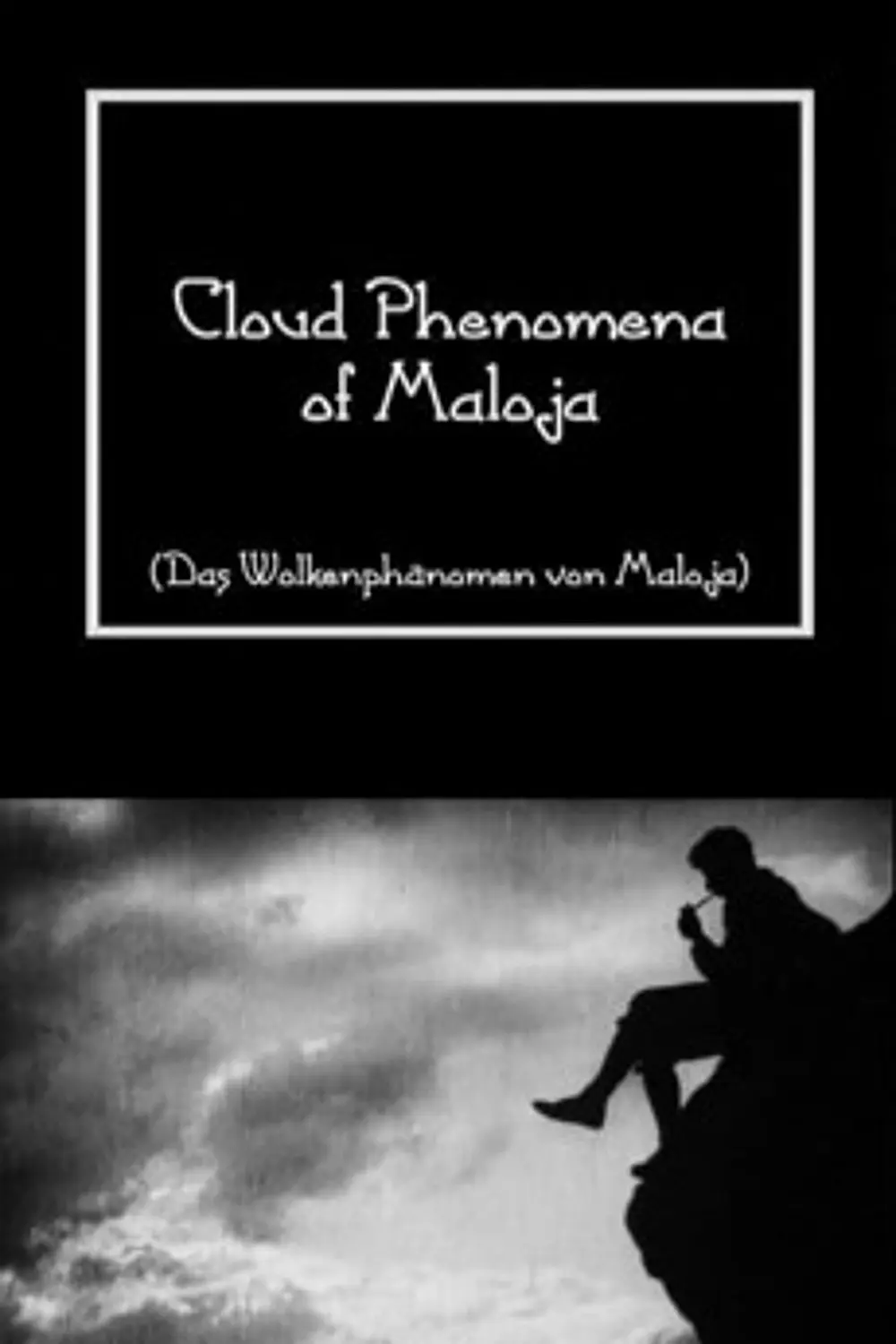
A definitive 6.6/10 rating for a film that redefined the boundaries of cult cinema. Das Wolkenphänomen von Maloja remains a cornerstone of transgressive art.
Das Wolkenphänomen von Maloja, a cinematic gem directed by Arnold Fanck, is a masterful exploration of human drama and atmospheric tension. The film's narrative is expertly crafted, with a mysterious stranger's arrival in a small village setting off a chain reaction of events that forever alter the lives of its inhabitants.
The cinematography in Das Wolkenphänomen von Maloja is nothing short of breathtaking, with the majestic Swiss Alps serving as a stunning backdrop to the unfolding drama. The film's use of natural light and shadow adds depth and texture to the narrative, creating a visually stunning experience that immerses the viewer in the world of the film.
One of the standout aspects of Das Wolkenphänomen von Maloja is its thoughtful pacing. Fanck takes his time developing the characters and plot, creating a sense of foreboding that permeates the film. The performances are nuanced and multifaceted, imbuing the narrative with a sense of authenticity and depth.
In comparison to other films of the era, such as Cameo Kirby and The Littlest Scout, Das Wolkenphänomen von Maloja stands out for its unique blend of drama and atmospheric tension. While films like Juan José and The Lotus Eater share some similarities with Das Wolkenphänomen von Maloja in terms of their dramatic tone, Fanck's film is distinguished by its masterful use of cinematography and pacing.
The film's themes of human relationships and the consequences of one's actions are timeless and universal, evoking comparisons to films like A Lady of Quality and The Bugle Call. However, Das Wolkenphänomen von Maloja is more than just a simple morality tale - it is a complex exploration of the human condition, with characters that are multidimensional and relatable.
The performances in Das Wolkenphänomen von Maloja are top-notch, with the cast delivering nuanced and convincing portrayals of their characters. The film's attention to detail, from the costumes to the set design, adds to the overall sense of authenticity and immersion.
In the context of early cinema, Das Wolkenphänomen von Maloja is a significant work that showcases the artistic potential of the medium. Like This Way Out and The Rescue, the film demonstrates a keen understanding of the power of visual storytelling, using images and atmosphere to convey complex emotions and themes.
The film's influence can be seen in later works, such as Teeth and The Golden Wall, which share some similarities with Das Wolkenphänomen von Maloja in terms of their use of atmospheric tension and visual storytelling. However, Fanck's film remains a unique and important work in its own right, offering a captivating narrative and stunning cinematography that continue to enthrall audiences today.
In conclusion, Das Wolkenphänomen von Maloja is a masterpiece of cinematic storytelling, with a captivating narrative, stunning cinematography, and nuanced performances. If you're a fan of classic cinema, or simply looking for a film that will transport you to another time and place, then Das Wolkenphänomen von Maloja is a must-see.
With its thoughtful pacing and attention to detail, the film is a true work of art that continues to inspire and captivate audiences today. Don't miss the opportunity to experience this cinematic gem for yourself - Trimmed and A kuruzsló are just a few examples of other films that showcase the artistic potential of early cinema, but Das Wolkenphänomen von Maloja stands out as a true masterpiece.
The film's exploration of the human condition, coupled with its stunning cinematography and nuanced performances, make it a must-see for anyone interested in classic cinema. Like John Barleycorn and A Man's Prerogative, Das Wolkenphänomen von Maloja is a film that will stay with you long after the credits roll, its themes and characters lingering in your mind like a haunting melody.
In the end, Das Wolkenphänomen von Maloja is a film that defies categorization, blending elements of drama, romance, and atmospheric tension to create a unique and captivating narrative. With its stunning cinematography, nuanced performances, and thoughtful pacing, it is a true masterpiece of cinematic storytelling that continues to enthrall audiences today.
The film's influence can be seen in later works, such as The Picture of Dorian Gray, which shares some similarities with Das Wolkenphänomen von Maloja in terms of its use of atmospheric tension and visual storytelling. However, Fanck's film remains a unique and important work in its own right, offering a captivating narrative and stunning cinematography that continue to inspire and captivate audiences today.
IMDb 4.4
1927
Community
Log in to comment.