DbcultAccessing Vault...
Cult Review
Senior Film Conservator
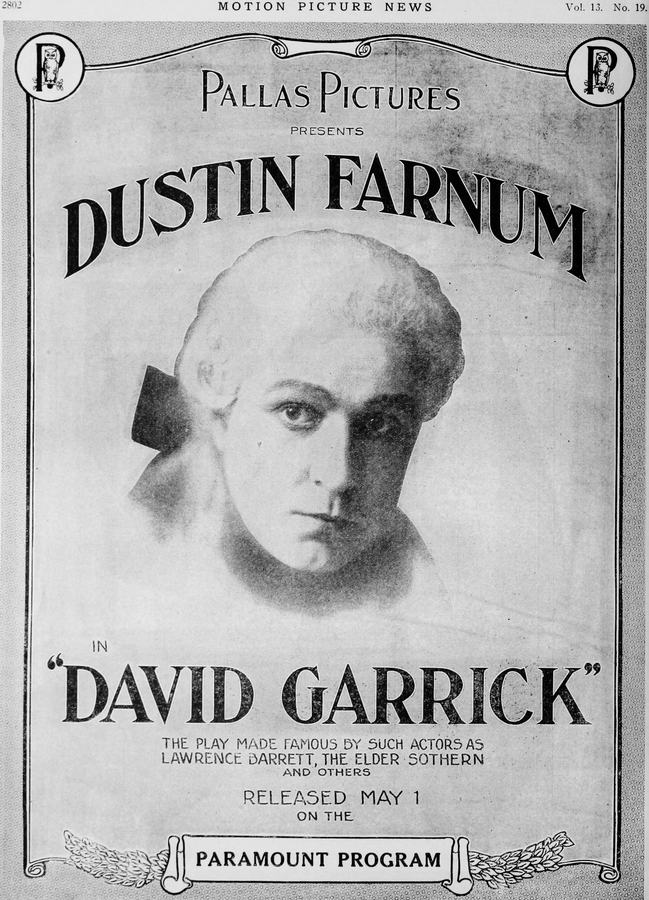
Stepping back into the nascent days of cinematic storytelling, one encounters 'David Garrick' (1916), a film that, even a century hence, resonates with the potent drama of a true story—the famed British actor's profound affection for Ada Ingot. This motion picture, a product of an era still discovering its visual lexicon, attempts to capture the grandeur and the intimate vulnerabilities of a figure who defined an epoch of British theatre. It’s a fascinating artifact, not merely for its historical significance but for its earnest endeavor to translate complex human emotions onto the silver screen with the tools available at the time. The film, directed with a certain period charm, invites us to consider the enduring power of narrative, even when conveyed through the stark, expressive language of silent cinema.
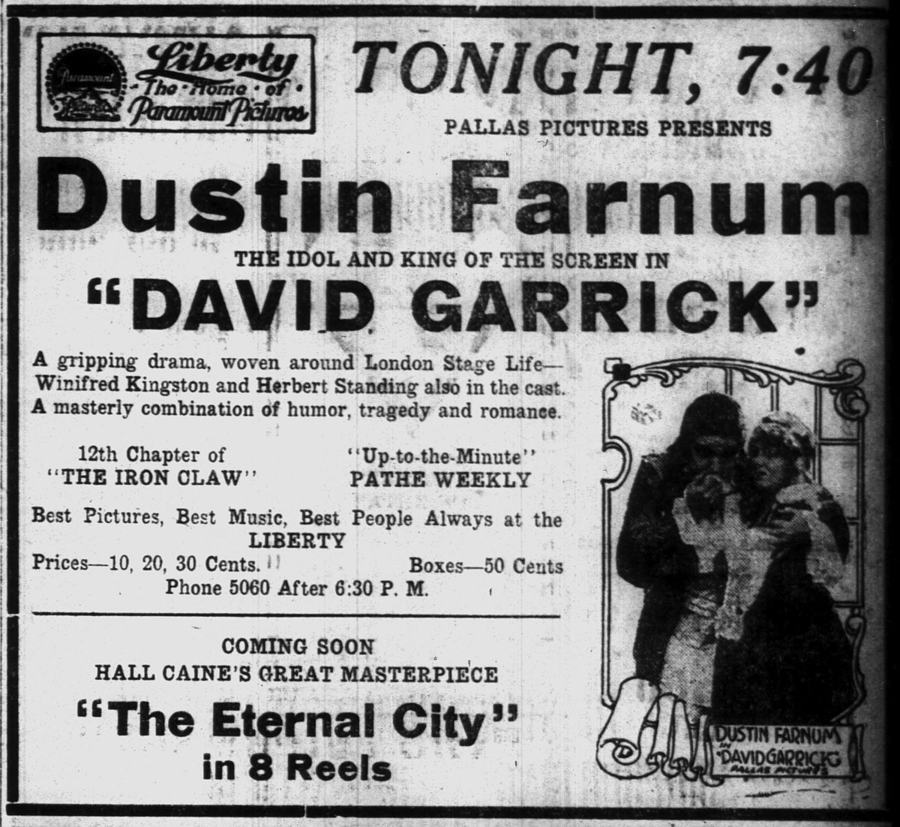
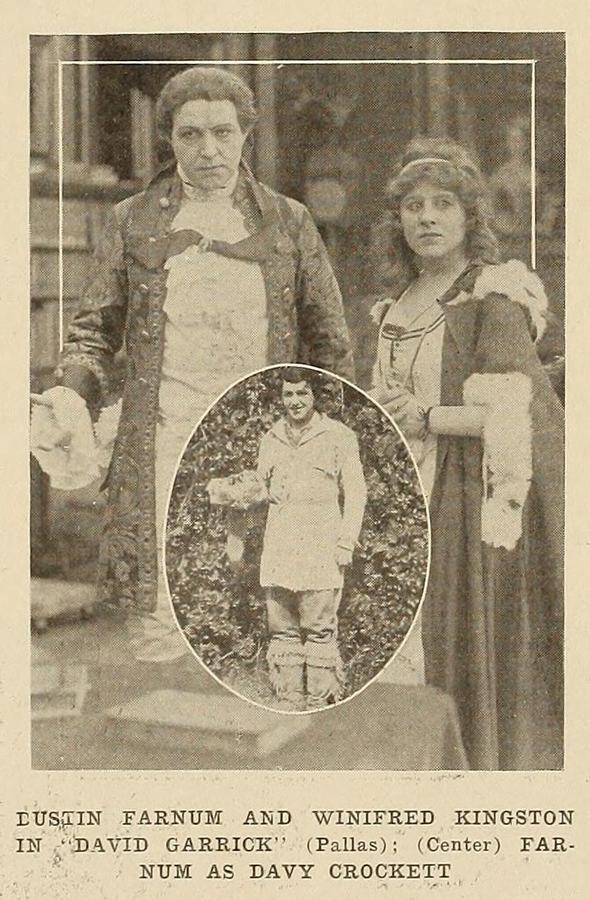
The very premise—a celebrated actor's love for a woman whose family scorns his profession—is a timeless conflict, one that has fueled countless dramas across various mediums. Here, the theatricality of David Garrick's real-life persona is mirrored in the grand gestures and poignant silences of the film. Dustin Farnum, in the titular role, carries the weight of a legendary stage presence. His portrayal, while necessarily broad for the silent era, conveys a palpable sense of internal conflict. One can almost see the gears turning behind his expressive eyes as Garrick orchestrates his elaborate deception. Farnum, a prominent figure of his time, brings a certain gravitas, an almost inherent theatricality that suits the character of Garrick, an individual who lived as much on the stage as off it. His performance is a masterclass in silent film acting, relying on nuanced facial expressions and body language to communicate a torrent of unspoken emotions. The sheer audacity of Garrick's plan—to feign moral decay to protect the woman he loves—demands a performer capable of conveying both profound affection and a calculated, almost ruthless, dedication to his scheme. Farnum largely succeeds, grounding the dramatic flourishes in a believable human core.
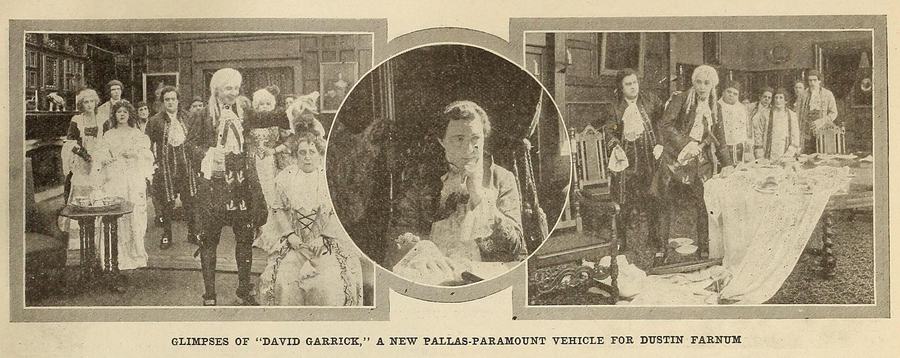
The supporting cast, including Lydia Yeamans Titus, Herbert Standing, Mary Mersch, Olive White, and Winifred Kingston, each contribute to the film's emotional tapestry. Lydia Yeamans Titus, for instance, in her role, adds a layer of maternal warmth or societal judgment that would have been instantly recognizable to audiences of the period. Herbert Standing, often cast in roles of authority or sternness, likely embodied the disapproving father figure, Mr. Ingot, with suitable gravitas, creating an effective foil for Garrick's artistic temperament. The contrast between the free-spirited world of the theatre and the rigid confines of Georgian high society is keenly felt through these performances. Mary Mersch and Olive White, while perhaps not as prominently featured as Farnum, would have brought their own unique inflections to their respective roles, contributing to the overall texture of the narrative. Winifred Kingston’s presence would have added another dimension, perhaps as a confidante or a rival, further complicating the emotional landscape. The collective effort of this ensemble, under the guidance of the filmmakers, paints a vivid if occasionally melodramatic picture of an age grappling with the evolving perceptions of art and artists. It reminds one of the grand scale and dramatic intensity seen in epics like D.W. Griffith’s Intolerance, where vast ensembles conveyed sweeping narratives, albeit 'David Garrick' operates on a more personal, romantic scale.
Julia Crawford Ivers and T.W. Robertson, credited as writers, faced the unique challenge of adapting a well-known theatrical narrative—Robertson’s play, in fact—for the nascent medium of film. This transition from stage to screen in the early 20th century was fraught with experimentation. How does one convey the intricate dialogue and subtle character interactions of a play without spoken words? The answer, as demonstrated in 'David Garrick', lies in exaggerated gestures, detailed mise-en-scène, and the strategic use of intertitles. The film's reliance on visual storytelling, while occasionally feeling quaint to modern eyes, is a testament to the ingenuity of early filmmakers. They understood that the camera offered a new perspective, a different way of experiencing a story, one that could zoom into a character's emotional state or pan across a lavish set. This early form of adaptation laid the groundwork for countless future cinematic interpretations of stage works, a tradition that continues to this day. The narrative structure, focusing on the central deception and its emotional fallout, is remarkably clear, a credit to the writers' ability to streamline a stage play for silent consumption. The story unfolds with a deliberate pace, allowing moments of emotional intensity to fully register with the audience.
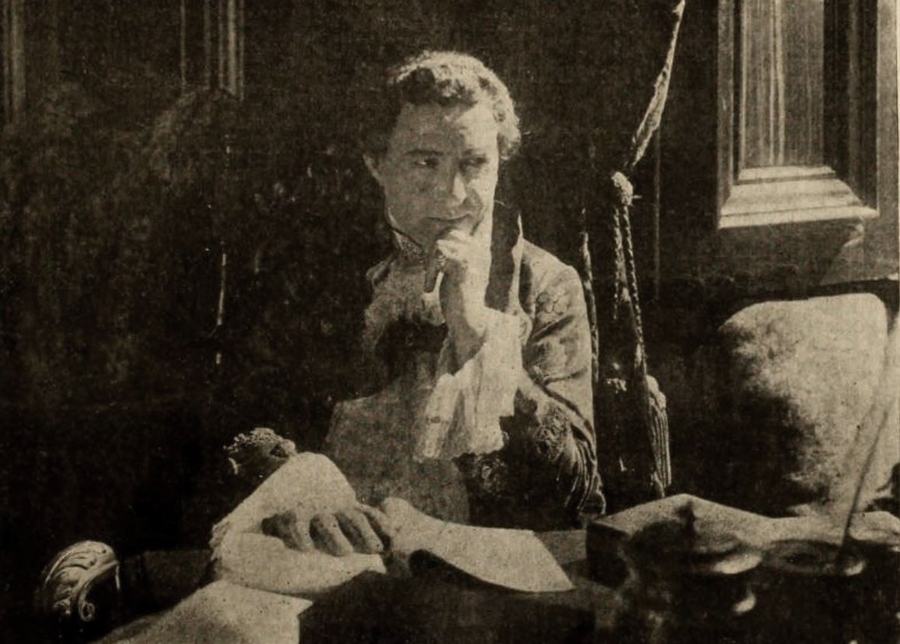
At its core, 'David Garrick' is a romance, but one complicated by societal expectations and personal sacrifice. Ada Ingot’s father, a wealthy merchant, embodies the prevailing prejudice against actors—a profession often viewed as morally dubious and socially inferior. This conflict between the bohemian artistry of the stage and the rigid respectability of the merchant class provides the film with its central tension. Garrick’s decision to play the villain in Ada’s eyes, to deliberately alienate her for her own perceived good, is a profound act of self-sacrifice. It’s a theme explored in various forms throughout cinematic history, from the tragic misunderstandings of The Coquette to the more overt class struggles depicted in films like Cleopatra, where societal power structures dictated personal fates. The film asks: what are the boundaries of love? How much can one person sacrifice for another's happiness, especially when that sacrifice involves shattering their own image? This intricate dance of love, deception, and societal pressure gives the film a timeless quality, allowing it to resonate beyond its historical context. The emotional stakes are consistently high, making the audience genuinely root for a resolution that defies the initial premise of Garrick's elaborate ruse.
The aesthetic of the film, while undoubtedly a product of its time, offers glimpses into the visual artistry that early cinema was capable of. The sets, costumes, and overall production design would have been meticulously crafted to evoke Georgian England. While extant prints might not always do full justice to the original cinematography, one can still appreciate the effort to create an immersive historical world. The use of natural light, the framing of shots, and the careful composition of scenes all speak to an emerging cinematic language. These elements, though rudimentary by today's standards, were revolutionary then, creating a sense of realism and spectacle that captivated audiences. The visual storytelling, bereft of spoken dialogue, relies heavily on these design choices to convey atmosphere and character status. One can imagine the opulent drawing rooms and the bustling theatrical backstages, each setting contributing to the narrative's texture. The visual richness, even in black and white, would have been a significant draw, much like the detailed historical reconstructions in films such as Votsareniye doma Romanovykh, though on a different scale of historical ambition.
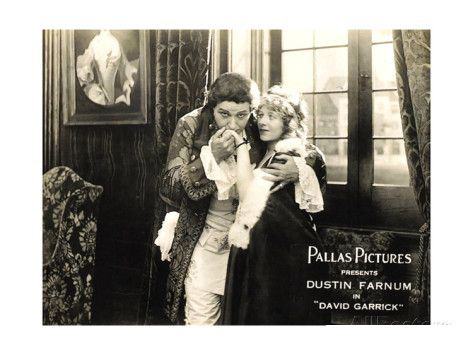
The central conceit of Garrick’s performance off-stage is particularly compelling. It delves into the very nature of acting itself—the ability to embody a character, to manipulate perception, and to blur the lines between reality and illusion. For Garrick, his greatest role is not played for an audience in a theatre, but for Ada Ingot and her disapproving father. This meta-narrative about the power of performance adds a layer of intellectual intrigue to the romantic drama. It forces us to consider the ethical implications of such deception, even when motivated by love. Is Garrick's act a noble sacrifice or a manipulative ploy? The film, through its dramatic unfolding, allows the audience to ponder this moral ambiguity. This theme of deceptive appearances and hidden motives echoes through cinema, finding resonance in films like The Masked Motive or the psychological complexities of characters in The Grip of Jealousy, where emotions often mask ulterior intentions. The tension builds as Garrick’s true feelings clash with his feigned boorishness, creating a fascinating study of internal conflict.
The film also subtly critiques the societal judgment of artists. In Georgian England, actors were often viewed with suspicion, their profession considered less respectable than more traditional trades. Garrick, despite his fame and talent, faces the entrenched snobbery of the upper classes. This prejudice is a barrier to his happiness, forcing him into his elaborate charade. It’s a poignant commentary on the timeless struggle for artists to gain acceptance and respect in societies that often value commerce over creativity. This struggle for acceptance, the fight against societal norms, is a narrative thread that continues to be explored in modern cinema, underscoring the enduring relevance of 'David Garrick's' thematic concerns. The film, in its quiet way, champions the artist, portraying Garrick not as a mere entertainer but as a man of profound feeling and integrity, willing to endure public scorn for the sake of love.
For cinephiles and historians, 'David Garrick' offers a valuable window into the techniques and sensibilities of early cinema. The pacing, the acting styles, the use of intertitles—all provide insights into how stories were told before the advent of synchronized sound. It’s a reminder of the foundational elements of film grammar that were being established during this period. The film's enduring appeal lies not just in its narrative but in its historical context, demonstrating the industry's rapid evolution. Comparing it to other films of the era, such as The New Exploits of Elaine, which often focused on serial adventures, 'David Garrick' presents a more introspective and character-driven drama, showcasing the breadth of early filmmaking. The film's relative simplicity in execution belies the complex emotions it attempts to convey, a testament to the power of the story itself and the performers' commitment.
The resolution of the narrative, without revealing specific plot points, typically involves the triumph of true love over misunderstanding and prejudice. The ultimate reveal of Garrick’s true intentions, his selfless love for Ada, is designed to be a moment of catharsis, both for the characters and the audience. It’s a classic romantic arc, deeply satisfying in its emotional payoff. The journey to this resolution is paved with emotional turbulence, moments of despair, and eventual enlightenment. This journey is what makes the film compelling, even with its century-old cinematic language. It speaks to the universal desire for genuine connection and the hope that love can conquer all obstacles, even those self-imposed. The film leaves the viewer with a sense of hope and the reaffirmation of enduring human virtues, much like the timeless lessons found in narratives like The Crucible, though with a decidedly romantic rather than socio-political focus.
'David Garrick' stands as a testament to the enduring appeal of biographical drama, especially when infused with a compelling romance. It reminds us that the lives of historical figures, particularly those in the arts, often contain stories far more dramatic and intricate than fiction. The film, in its quiet way, preserves a slice of theatrical history, celebrating a man who revolutionized the British stage while also exploring the personal costs of public life. For those interested in the evolution of film as an art form, or simply captivated by a good old-fashioned love story against a backdrop of societal friction, 'David Garrick' offers a rewarding experience. It's a film that, despite its age, still manages to tug at the heartstrings and provoke thought, a true gem from the silent era. Its narrative resilience is comparable to the lasting impact of films like Her Mother's Secret or Hans Faders Ære, which also navigated complex familial and romantic entanglements with grace and emotional depth.
The portrayal of Ada Ingot, while perhaps less central than Garrick, is crucial. She is not merely a passive object of affection but a character who must navigate her own feelings amidst conflicting perceptions. Her journey from idealization to disillusionment and eventually to understanding forms the emotional core of the audience's experience. Her reactions to Garrick's performance, her internal struggle to reconcile the man she loves with the boorish figure he presents, are vital to the film's success. This emotional arc, though conveyed without dialogue, is designed to be deeply empathetic. It’s a narrative strategy that requires strong visual cues and expressive acting, all of which the filmmakers and cast strive to deliver. The narrative's focus on Ada's perspective ensures that the audience experiences the full weight of Garrick's audacious plan, making the eventual resolution all the more impactful.
Ultimately, 'David Garrick' is more than just a historical curiosity; it is a thoughtful exploration of love, sacrifice, and the often-blurred lines between public image and private truth. It highlights the power of performance, not just on the stage, but in the intricate drama of human relationships. The film serves as a poignant reminder of the challenges faced by artists throughout history and the enduring human desire for acceptance and genuine connection. It's a narrative that continues to resonate because its core themes are universal, transcending the specificities of its Georgian setting and its silent film medium. The film, in its own quaint yet powerful way, showcases the foundational strengths of early cinema: its ability to evoke strong emotions, tell compelling stories, and transport audiences to different worlds and times. It’s a cinematic experience that, for those willing to engage with its historical context, offers rich rewards, fostering an appreciation for the pioneering spirit of filmmaking and the timeless allure of a well-told tale. It’s a testament to how even with limited technical means, a compelling story and passionate performances can create something truly memorable, much like the enduring charm of films such as The Dragon or Dzieje grzechu, each offering a unique lens into human experience. The legacy of 'David Garrick' is not just in its portrayal of a historical figure, but in its contribution to the evolving art of cinema itself.
IMDb 6.8
1921
Community
Log in to comment.