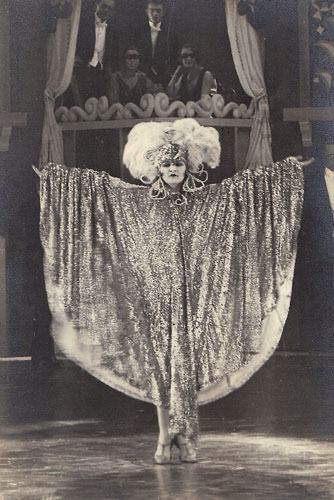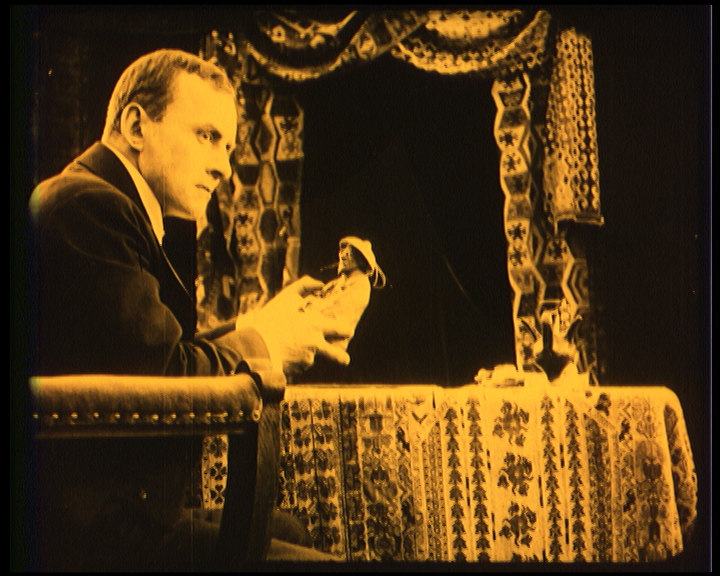
The Twilight of the Hapsburg Psyche To engage with Der Mandarin (1918) is to confront the ghosts of a vanishing empire. Directed by Fritz Freisler, this silent-era curiosity stands as a seminal monument to the burgeoning expressionist movement that would soon define the Weimar aesthetic. Unlike the ...
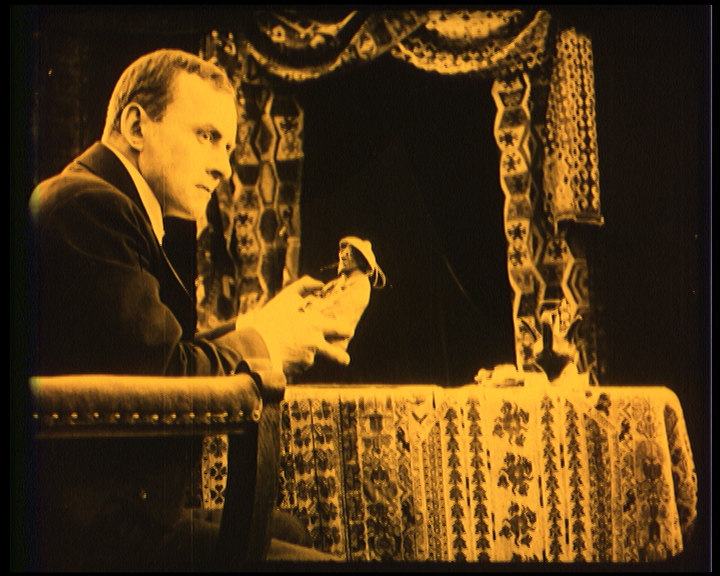
still_frame


Comparing the cinematic DNA and archive impact of two defining moments in cult history.
Fritz Freisler
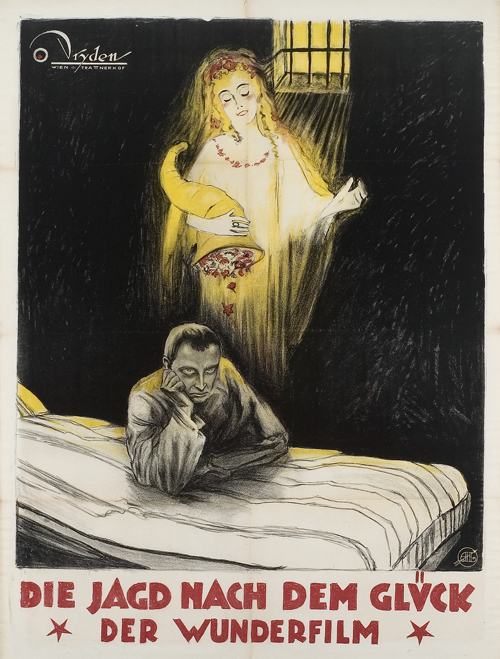
Fritz Freisler
Community
Log in to comment.
" The Twilight of the Hapsburg Psyche To engage with Der Mandarin (1918) is to confront the ghosts of a vanishing empire. Directed by Fritz Freisler, this silent-era curiosity stands as a seminal monument to the burgeoning expressionist movement that would soon define the Weimar aesthetic. Unlike the more rugged, frontier-focused narratives such as The Luck of Roaring Camp, *Der Mandarin* retreats inward, burrowing into the subconscious anxieties of a Vienna caught between the ..."