Summary
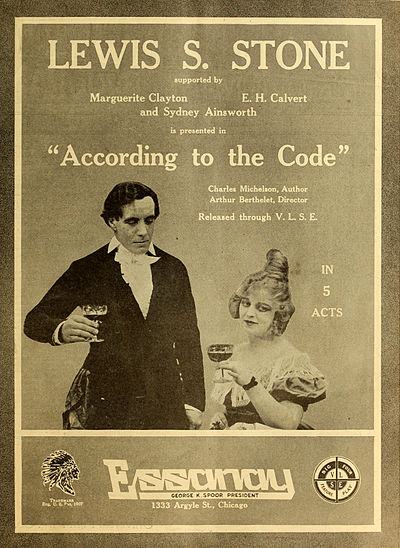
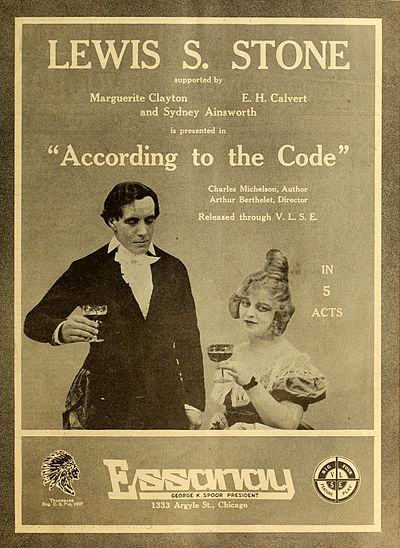
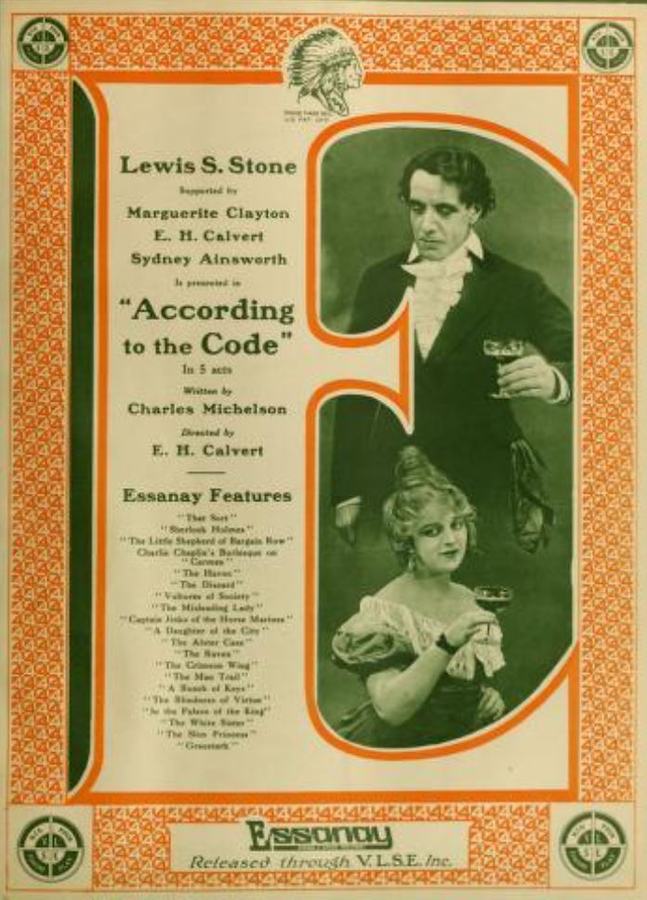
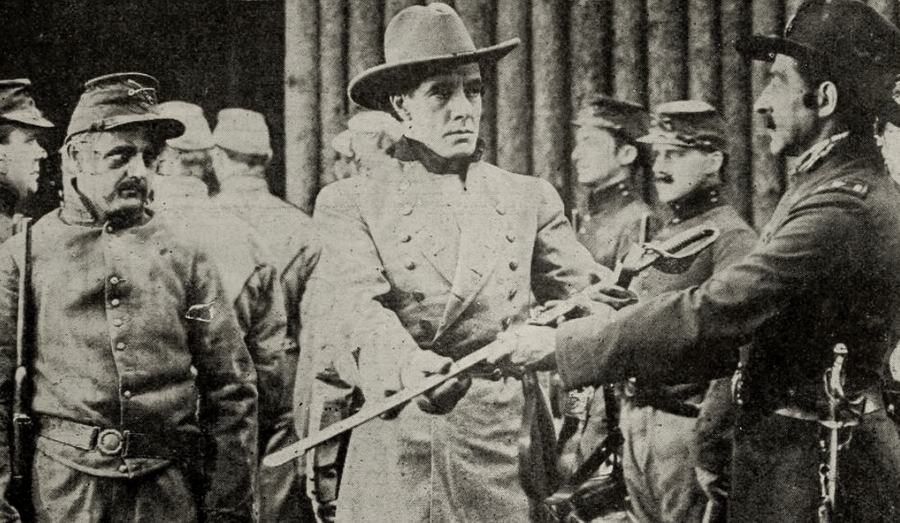
A gaunt relic of the Confederacy, Basil Breckenridge—bones clothed in frayed dignity—shuffles through a cobblestone alleyway, hunger gnawing his gut yet pride soldered to his spine. A wolf-pack of street-corner wolves, led by the cocky scion of municipal power, taunt the antique soldier; pride flares, fists clench, and the old man shakes the youth like a rat. Alderman Connors, political puppet-master and father to the shaken cub, materializes in theatrical fury; cane meets flesh, steel sings from within the hickory, and the patriarch’s blood spots the gutter. Police swarm, charge: assault with intent to murder. Enter Colonel Wright, a legal paladin for the friendless, who drags the tattered case into Judge Andrews’ wood-paneled arena. Fate, that sardonic dramaturge, now unveils its trump cards: prosecuting the ancient rebel stands John Andrews, freshly minted Assistant D.A., ward of Boss Connors—unknown to him, the very son whose cradle he once rocked. Basil, blinking through cataract dusk, spots the scar livid on the bench; memory detonates—Shiloh mud, minié-ball haze, a Union captain left for dead, carried to a Virginia plantation, nursed, only to “repay” by spiriting away the Confederate’s bride and infant. In the hushed gallery that bride, silver-haired and spectral, clutches her reticule; before her, the boy she lost to time and Northern “charity.” The sword—once awarded Captain Knighton for battlefield gallantry, yesterday pawned for bread—gleams as exhibit A, yet Basil denies it, knowing possession would brand him liar and thief. Chambers doors close; recognition floods judge, wife, matron; entreaties to Connors and son ricochet off ambition’s iron hide. Verdict falls: guilty. The condemned, too brittle to stand, remains seated, head bowed in a silence louder than bugles. “Your Honor,” Wright intones into the hush, “the defendant has removed his appeal to a higher jurisdiction.” Grief-stricken, Judge Andrews and his wife step forward, sliding the reclaimed sword beneath the lifeless fingers—the only mourners who know the blade was always Basil’s by right of blood and honor.
Synopsis
Basil Breckenridge, a broken old man on the verge of starvation, but concealing it because of his proud southern ancestry, is set upon by young ruffians on the street. The old man becomes infuriated and gives the young leader a shaking. His father, Ald. Connors, the city's political boss, happens along and attacks the old man, who strikes at him with his cane. The sword blade inside falls out and the police arrest him on the charge of assault with intent to kill. Col. Wright, attorney for the friendless, takes his case. It comes up before Judge Andrews. John Andrews, protégé of Boss Connors, has just been made assistant district attorney, and is there to prosecute. The aged defendant sees the scar on the judge's forehead and hears his name. He sees the two as rival captains in the Civil War, the Confederate picking up the wounded Union officer and taking him to his home. He recalls that when he was believed dead the Northerner took his young wife and baby home with him. Both are near him now, the first time he has seen either for decades. His wife sits behind him, his son is prosecuting him. The scar on the judge's forehead is the mark of their secret duel. A sword, awarded Capt. Knighton for gallantry and pawned by the aged defendant the day before is introduced at the trial but the defendant disclaims ownership. Recognition comes on the part of Judge and Mrs. Andrews and in chambers they plead with Connors and their son, but to no avail. The prisoner's head sinks to his breast when the jury returns. He does not rise when bidden. "Your honor," says Col. Wright, after a pause, "The defendant has taken his case to a higher court." Reverently, Judge Andrews and his wife place the historic sword in the still hands of the late defendant as they are the only persons in the crowded courtroom knowing to whom it rightfully belonged.
Review Excerpt
"
p,blockquote{margin:0 0 1.2em 0;text-align:justify}
blockquote{border-left:4px solid #0E7490;padding-left:1.2em;font-style:italic;color:#EAB308}
a{color:#C2410C;text-decoration:none;font-weight:bold}
a:hover{color:#EAB308}
h2,h3{color:#0E7490;margin:2em 0 .6em 0}
ul{list-style:square inside}
li{margin-bottom:.4em}
The first time I watched According to the Code I expected a creaky curio, moth-eaten morality and title cards thick with Victorian apostrophes. Instead the film unsheathes itself l..."