DbcultAccessing Vault...
Cult Review
Senior Film Conservator
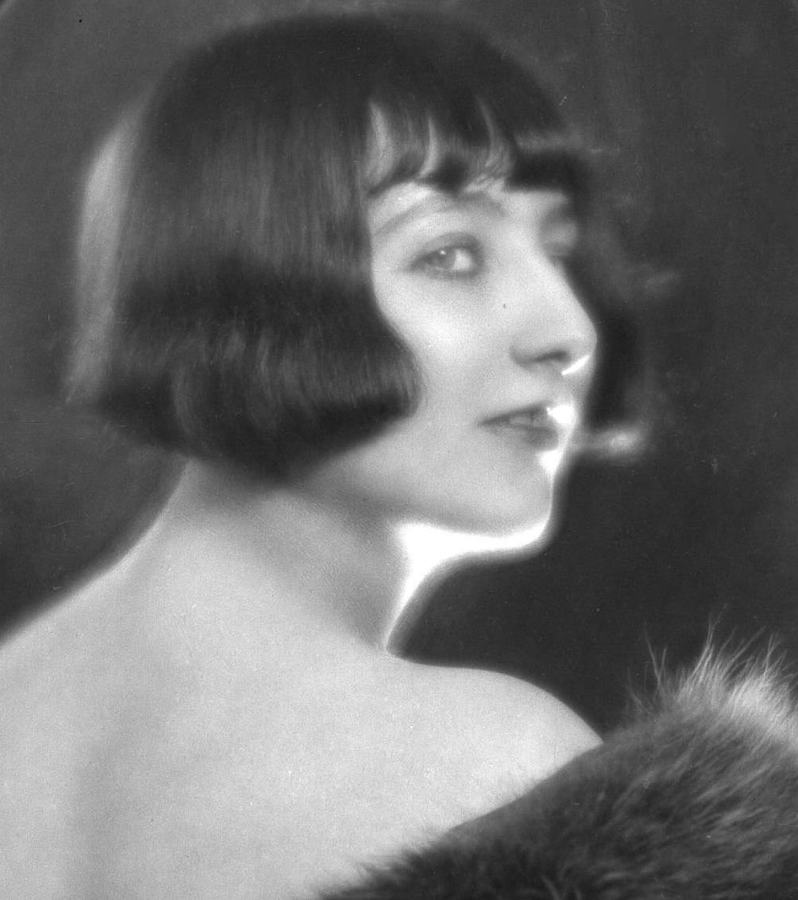
Stepping into the world of early 20th-century silent cinema, one often encounters narratives steeped in melodrama, social commentary, or grand historical epics. Yet, every so often, a film emerges that transcends its era, offering a timeless exploration of the human condition. Paul Leni and Ewald André Dupont's Der weisse Pfau (The White Peacock) is precisely such a cinematic artifact, a nuanced tapestry woven from threads of societal rigidity, suppressed desire, and the intoxicating allure of the 'other.' It’s a film that, despite its age, resonates with a profound emotional intelligence, painting a vivid portrait of a man on the precipice of an unexpected awakening.
At its heart, Der weisse Pfau is a masterful study in contrasts, personified by the enigmatic figure of Lord Cross. Portrayed with an almost sculptural stillness by Hans Mierendorff, Cross is the embodiment of Edwardian aristocratic reserve. He is a man so steeped in decorum and self-control that society has branded him 'the man without a laugh' – a descriptor that speaks volumes about his emotional landscape. His very existence seems to be a carefully curated performance of dignity, devoid of spontaneous joy or overt passion. Mierendorff’s performance is a triumph of understated acting, conveying a vast inner world through subtle gestures, the set of his jaw, and the profound, often melancholic, depth in his eyes. He is a man imprisoned by his own reputation, a gilded cage of expectations and social standing.
The film brilliantly establishes this world of stifling propriety through Cross’s interactions, particularly with his snobbish girlfriend from the British upper class. She represents the suffocating conformity of his milieu, a mirror reflecting his own carefully constructed facade. Their joint venture into the disreputable yet pulsating district of Whitechapel, specifically to the variety show 'Zur Goldenen Kugel,' is not merely a change of scenery; it is a deliberate plunge into an antithetical universe. Whitechapel, even in its cinematic portrayal, feels alive, a throbbing counterpoint to the sterile elegance of the aristocracy. Here, the raw, unvarnished aspects of life are on full display, a stark reminder of the social chasm that defined early 20th-century London.
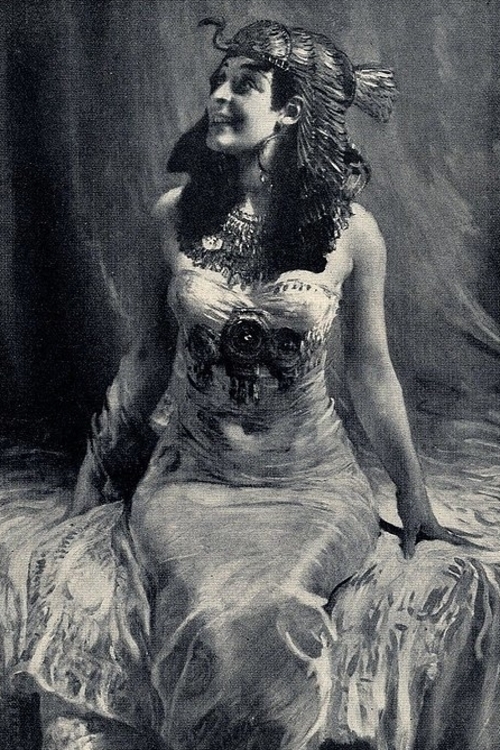
It is within this vibrant, almost chaotic environment that Lord Cross’s carefully maintained composure begins to fray. The variety show itself, with its director Navratil (Guido Herzfeld) earnestly striving for comic effect, serves as a backdrop to the true spectacle: the emergence of Maryla. Grit Hegesa, as the young gypsy girl, delivers a performance that is nothing short of mesmerizing. Her Maryla is not just a dancer; she is a force of nature, an embodiment of freedom and uninhibited expression. Her dance to the violin is not merely entertainment; it is a primal outpouring of emotion, a stark contrast to the repressed emotions that define Lord Cross's world. Hegesa’s movements are fluid, expressive, and imbued with an authenticity that instantly captivates not only the audience within the film but also the viewer watching a century later.
The moment Lord Cross's eyes fall upon Maryla is the pivotal turning point of the narrative. It’s a silent recognition, an unspoken yearning that transcends the social barriers and the cacophony of the variety hall. This is not merely infatuation; it is a profound connection to something he has long denied himself: genuine emotion, unbridled passion, and perhaps, a glimpse of his own dormant soul. The film masterfully uses close-ups and subtle shifts in Mierendorff’s expression to convey this internal seismic shift, demonstrating the power of silent cinema to communicate complex psychological states without a single spoken word. In this regard, it shares a thematic resonance with films like Body and Soul, which also explored the internal struggles and spiritual awakenings of its protagonists, albeit in a different context.
The collaborative directorial efforts of Paul Leni and Ewald André Dupont are evident in every frame of Der weisse Pfau. Leni, known for his work in expressionist cinema, brings a certain psychological depth and visual flair, particularly in the atmospheric depiction of Whitechapel and the internal world of Lord Cross. Dupont, with his keen eye for realism and social drama, grounds the narrative in a believable, if melodramatic, reality. Together, they craft a film that is both visually striking and emotionally resonant. The cinematography skillfully employs chiaroscuro lighting, emphasizing the dramatic contrasts between light and shadow, purity and perceived corruption, and the stark delineation between social classes. The set design, from the opulent, yet sterile, drawing rooms of the aristocracy to the bustling, grimy vitality of the variety hall, is meticulously crafted, serving not just as a backdrop but as an active participant in the narrative, reflecting the characters' inner and outer worlds.
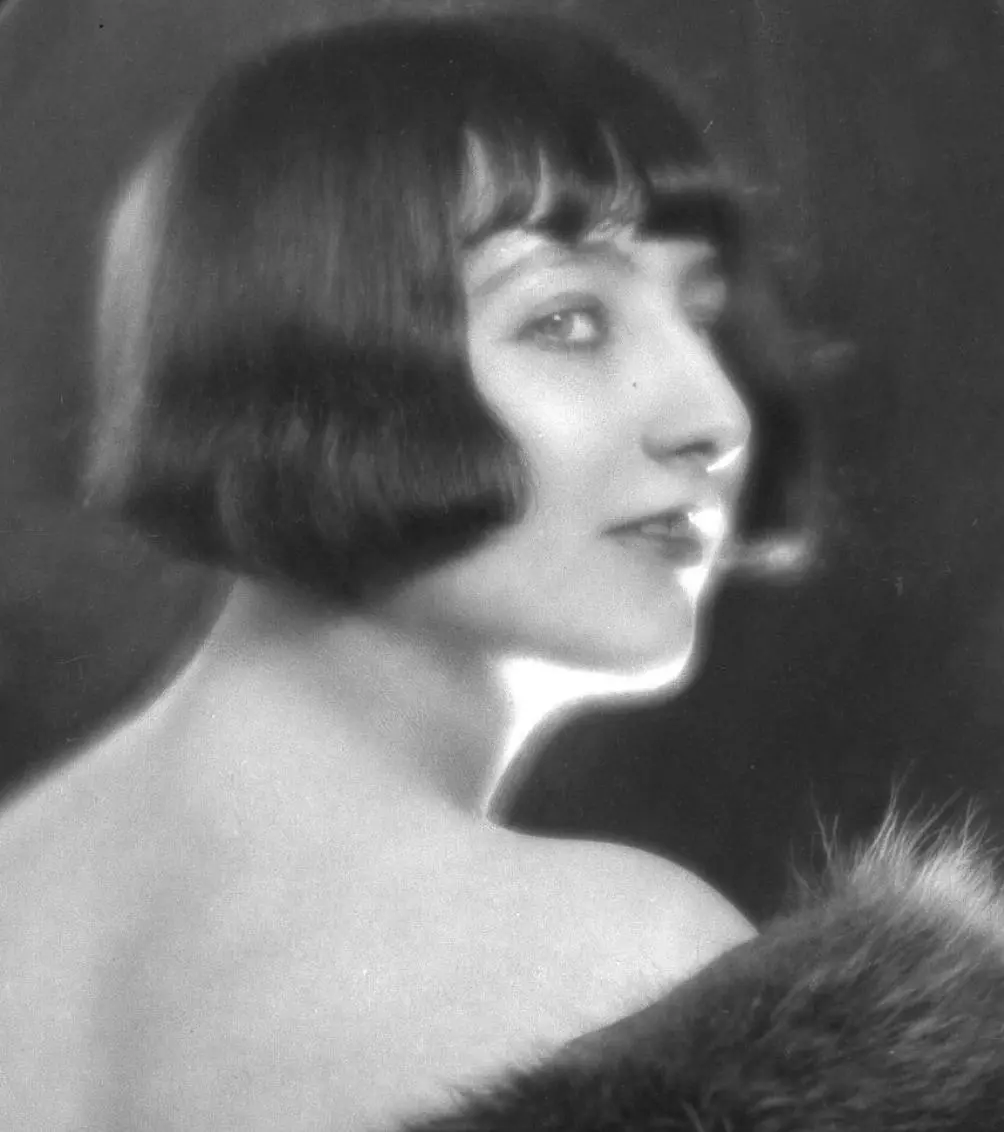
The film’s pacing is deliberate, allowing moments of quiet contemplation to breathe, punctuated by bursts of vibrant activity. This measured approach ensures that the audience is fully immersed in Lord Cross’s journey of introspection and burgeoning desire. The use of intertitles is sparse but impactful, often serving to underscore emotional states rather than simply advance the plot, a hallmark of sophisticated silent film storytelling. This careful balance ensures that the visual narrative remains paramount, allowing the actors’ expressions and gestures to carry the bulk of the storytelling burden.
Beyond Hegesa and Mierendorff, the supporting cast provides a rich tapestry of characters. Guido Herzfeld’s Navratil, the variety show director, is a figure of endearing pathos, his attempts at humor often falling flat, yet his presence adds a layer of human vulnerability to the Whitechapel setting. Lore Sello, as Lord Cross’s snobbish girlfriend, perfectly embodies the superficiality and rigid expectations of the upper echelons, making her a compelling antagonist to Maryla’s free spirit. Karl Platen, Emil Rameau, Robert Scholz, and Adolf E. Licho, though perhaps in smaller roles, contribute to the film’s rich ensemble, each adding texture and authenticity to their respective spheres.
The strength of these performances lies in their ability to communicate complex emotions and motivations without dialogue. This demands a mastery of physical acting, facial expression, and gestural language that is unique to the silent era. Grit Hegesa, in particular, shines, her captivating presence dominating every scene she graces. Her Maryla is not just beautiful; she is spirited, defiant, and utterly authentic, a beacon of life that draws Lord Cross out of his emotional hibernation. Her portrayal evokes memories of other strong female leads navigating challenging social landscapes, perhaps akin to the resilience seen in characters from films like Rose of the Alley or Johanna Enlists, who, despite different circumstances, assert their agency in worlds that seek to define them.
Der weisse Pfau is more than just a romantic drama; it is a profound commentary on the suffocating nature of societal expectations and the liberating power of authentic connection. Lord Cross's transformation, however subtle, speaks to a universal human desire to break free from the roles imposed upon us and to embrace a more genuine self. The contrast between his world of stifling ceremony and Maryla's world of raw, uninhibited expression serves as a powerful metaphor for the internal struggle between duty and desire. The 'white peacock' itself could be interpreted as a symbol of rare, delicate beauty, perhaps representing the fragile hope for true happiness or the unique, untamed spirit that Lord Cross discovers within himself, or sees reflected in Maryla.
The film also touches upon themes of class division and prejudice, inherent in the very setting of Whitechapel and the reaction of Cross's girlfriend to Maryla. The gypsy girl, an outsider by birth and profession, challenges the entrenched social order simply by existing and by being seen. This exploration of social boundaries and the inherent dignity of individuals from marginalized communities is a recurring motif in cinema, much like the social realism found in films such as Lights of London, which also delves into the lives of those on the fringes of society.
In its meticulous craftsmanship, nuanced performances, and enduring thematic depth, Der weisse Pfau stands as a testament to the artistic heights achieved during the silent era. It reminds us that storytelling does not require dialogue to convey profound truths or complex emotions. Indeed, the very absence of spoken words often amplifies the power of visual storytelling, forcing both filmmakers and audiences to engage on a deeper, more intuitive level. The film’s exploration of identity, social conformity, and the search for genuine connection remains remarkably pertinent, making it a valuable piece of cinematic history that continues to provoke thought and stir the soul. For anyone interested in the evolution of dramatic storytelling, the psychological intricacies of character development, or simply the sheer artistry of silent film, Der weisse Pfau is an essential viewing experience. It invites us to look beyond the surface, much like Lord Cross himself, and discover the vibrant, often hidden, truths that lie beneath.
The film’s ability to weave together a compelling narrative with rich character arcs, all while maintaining a visually engaging aesthetic, speaks volumes about the talents of its creators, Paul Leni and Ewald André Dupont. Their collaboration produced a work that is both a product of its time and remarkably timeless, a silent film that speaks volumes about the human heart. It serves as a reminder that the true strength of cinema lies not just in technological advancements, but in its capacity to capture and convey the universal human experience, regardless of the era or the medium. Its legacy, though perhaps not as widely celebrated as some of its contemporaries, is undoubtedly significant, offering a subtle yet potent commentary on the enduring tension between societal expectation and individual desire. Much like the quiet rebellion hinted at in A Petticoat Pilot or the internal conflicts depicted in The Second in Command, this film explores the nuances of personal transformation against a backdrop of external pressures, cementing its place as a thoughtful and compelling piece of early 20th-century filmmaking.
IMDb —
1920
Community
Log in to comment.