DbcultAccessing Vault...
5.9/10
Senior Film Conservator
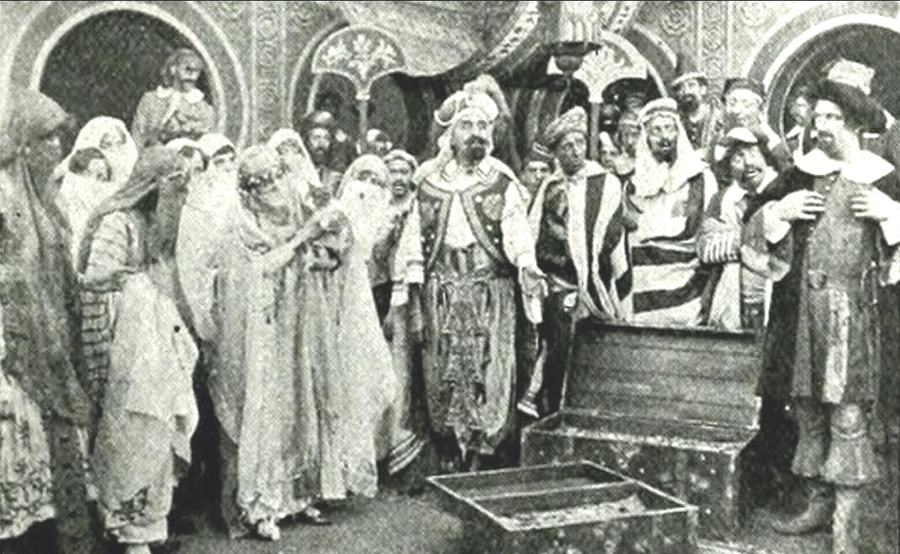
A definitive 5.9/10 rating for a film that redefined the boundaries of cult cinema. Dick Whittington and his Cat remains a cornerstone of transgressive art.
A 65-second phantasmagoria can still detonate centuries of folklore if the right woman cranks the handle. In 1896, Alice Guy peeled legend off nursery walls and threaded it through the gauntlet of a Gaumont camera: grainy, guttering, but breathing.
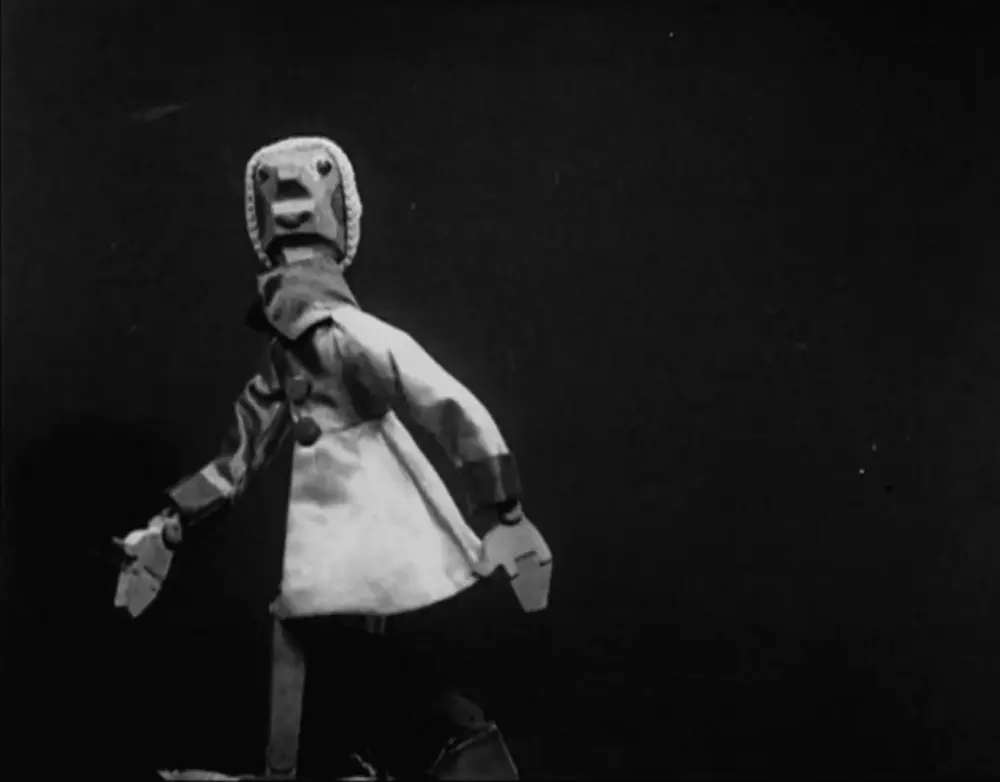
Dick Whittington and his Cat—often mistaken for a lost curio—survives in a spliced print at CNC archives, and what flickers past is less a linear tale than a kinetic tapestry: three interior set-ups, one exterior tilt of a cardboard London skyline, and a cat so self-possessed it practically demands separate billing.
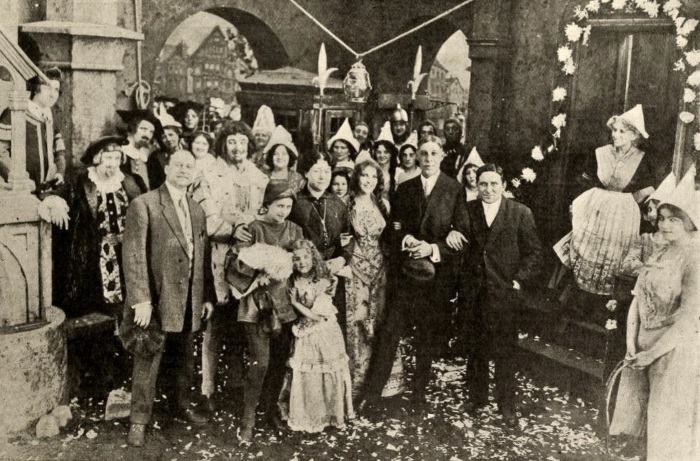
When your celluloid ribbon is shorter than a TikTok, every frame must sweat significance. Guy inverts chronology: the opening tableau already frames Dick in ermine, a mayoral chain slung like a constellation across his chest. The viewer travels backward, not forward—flashback as embryo. Visual economy births mythic compression; we intuit ascent because descent is implied. The camera never pans; it stares, as if the lens itself were a parish beadle cataloguing paupers turned patricians.
Audrey Berry’s cat—gender unspecified, autonomy undisputed—operates as both MacGuffin and moral barometer. In shot 2, it hops onto a scale poised beside sacks of pepper; the counterweight signifies not commerce but conscience. Pre-Hays, pre-PCA, the moment is subtextually radical: value measured not by avoirdupois but by the ripple of compassion across a creature’s spine. Compare this to the equine cadavers dragged through Napoléon or the bloodied gloves of Der Eid des Stephan Huller; Guy opts for the politics of the petite.
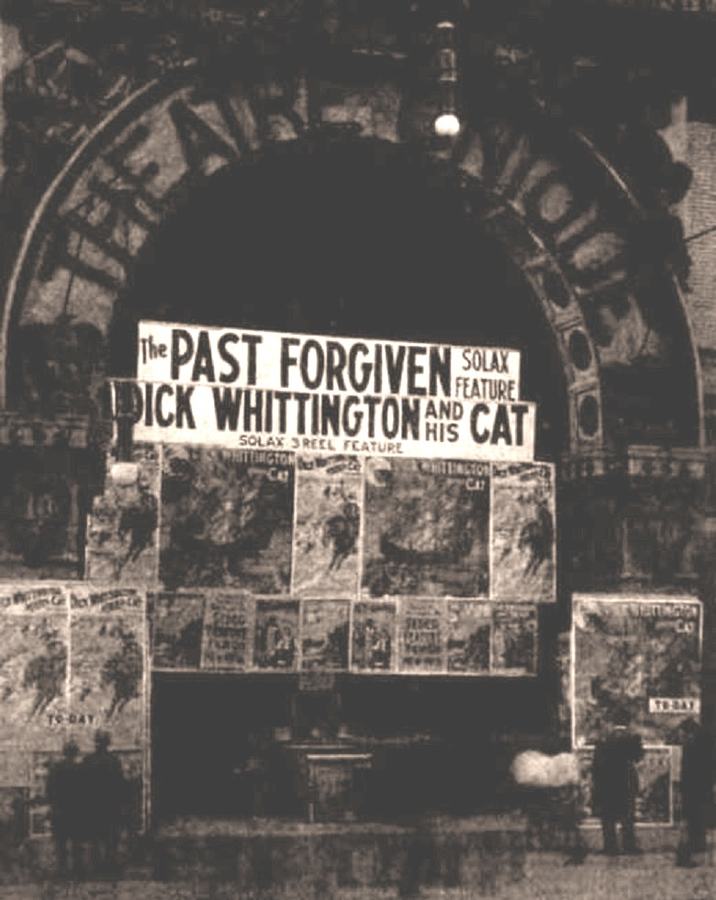
Because electric lighting is still an infant screaming in its cradle, Guy paints with naphtha jets and reflected sunlight. Backgrounds swim in umber; actors’ cheeks blister with overexposure. The resultant chiaroscuro anticipates the noir catwalks of Fantômas by two decades. Note the moment Dick peels back a canvas curtain to ‘see’ London—what emerges is a liminal bloom: half-city, half-void. The metropolis remains an idea; imperial cartography be damned.
Alice Guy, cinema’s first freethinker, subtly queers the hero’s journey. Dick’s success hinges less on muskets or machismo than on relational intelligence: bartering, listening, nurturing the animal. By reframing the capitalist parable (rags-to-riches) through empathic labour, she anticipates the communal ethos of Germinal yet sidesteps Zola’s sooty determinism.
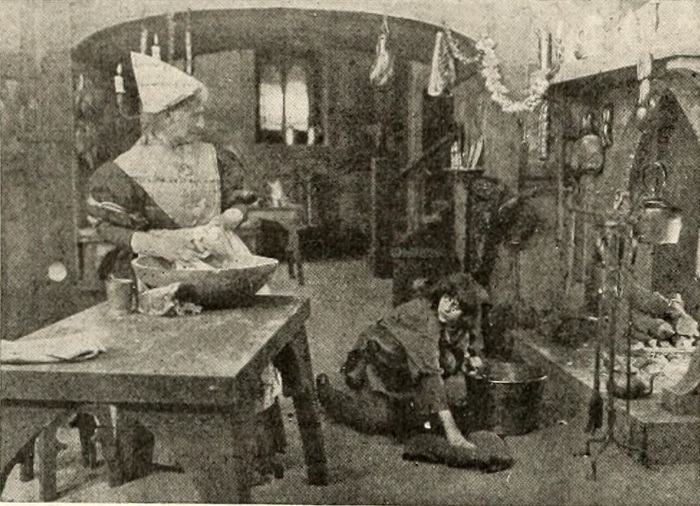
Surviving prints lack an official score; most festivals slap on jaunty hurdy-gurdy jigs. Resist. I propose a contrapuntal approach: field recordings of Bow bells at dawn, layered with the purr of a shelter-rescued tabby. The absence of image-sync lets us re-sequence Dick’s myth as phonographic hallucination, thereby reclaiming early cinema from the tyranny of ‘authenticity’.
Where From the Manger to the Cross (1912) monumentalises spiritual capital, Dick commodifies it, but with a wink. Where Oliver Twist wallows in parish cruelty, Guy offers upward mobility via feline intervention—less Dickens, more modern-day hustle culture. And while Les Misérables fetishises suffering, this miniature revels in the possibility that luck, like fur, lands on those who stroke it the right way.
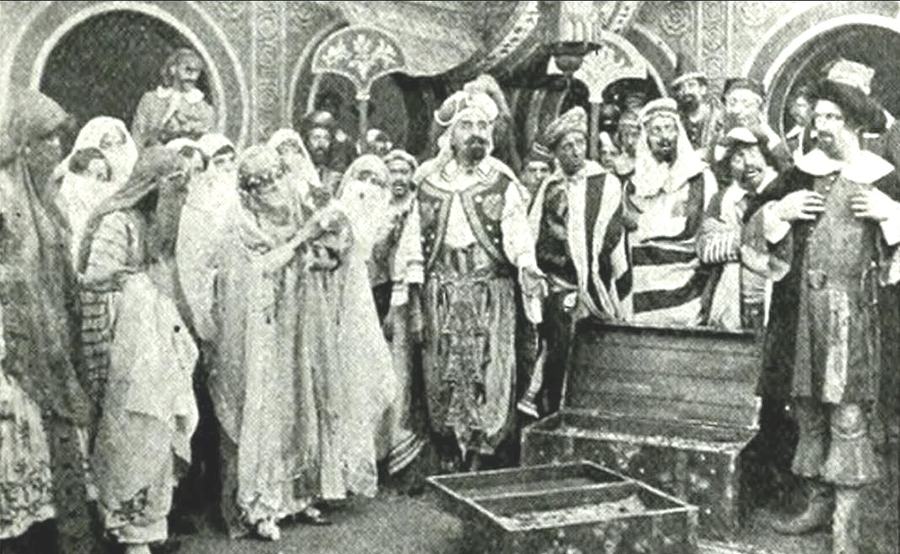
Vinnie Burns essays Dick with the kinetic stiffness of Victorian tableaux—arms semaphore-wide, spine hinged like a marionette. Yet this stylisation works; the narrative is already a pop-up book, so naturalism would puncture the spell. Audrey Berry’s merchant is all eyebrows and fiduciary appetite, a proto-Rotwang sans lab. Their gestural semaphore speaks the Esperanto of pre-Method cinema: if you feel it, they’ll see it.
One cannot ignore the Barbary episode, truncated though it is in the extant print. The African coast becomes a soundstage for mercantile fantasy, the captured cargo mere set dressing. Guy, for all her trailblazing, is a child of empire; her lens exoticises. Yet within the Gaumont catalogue this micro-aggression appears almost quaint beside the imperial bombast of With Our King and Queen Through India (1912) or the orientalist excesses of A Princess of Bagdad.
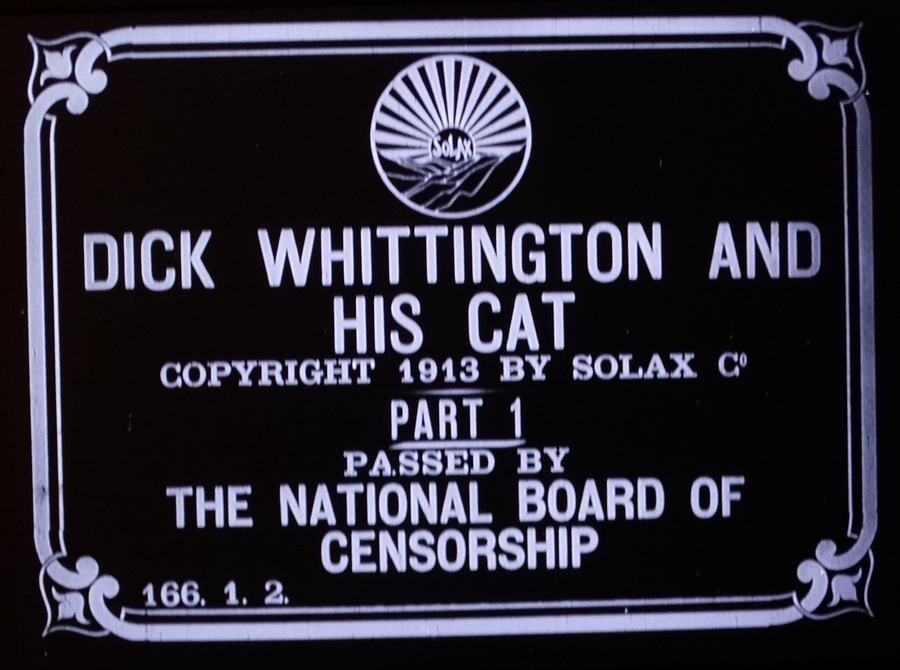
Because myth is not a fossil; it is a palimpsest. Each generation rewrites Dick on the window-fog of its own longing. In 1896, London’s streets glimmered with imperial gold; in 2024, they gleam with crypto wallets and NFTs. The cat remains the one constant—an avatar of ungovernability, reminding every hustle-culture initiate that fortune favours the paws that refuse to be declawed.
Gaumont’s 4K scan, issued on the Alice Guy: First Lady of Cinema Blu-ray, is revelatory: perforation hairs dance like iron filings, yet the tonality is charcoal-lush. Avoid YouTube rips—they flatten gamma and smear the cat into spectral ectoplasm. Seek the DCP; project it with a single carbon-arc if you can still locate one; the flicker becomes heartbeat.
Great art need not sprawl; sometimes it flicks its tail, arches its back, and vanishes. Dick Whittington and his Cat is that flicker—an 1896 firefly caught in a jar of nitrate. Watch it thrice: once for plot, once for texture, once to feel the whiskers of history brush your cheek. Then release it, like Dick, into the myth-stream where stories, not skyscrapers, are the true currency of cities.
—Projectionist’s log, 2024
IMDb —
1923
Community
Log in to comment.