DbcultAccessing Vault...
Cult Review
Senior Film Conservator
Is this film worth watching today? Short answer: yes, but primarily as a masterclass in late-silent era performance and social observation. This is a film for the patient cinephile who enjoys dissecting the nuances of Weimar-era class dynamics, but it is certainly not for those who require the frenetic energy of modern blockbusters or even the high-octane slapstick of its contemporaries.
To understand Die große Pause, one must understand the weight of its cast and the cultural moment it captured. It stands as a bridge between the expressionist experiments of the early 20s and the grounded realism that would soon take over German cinema. It is a film that demands your attention not through spectacle, but through the sheer gravity of its character studies.
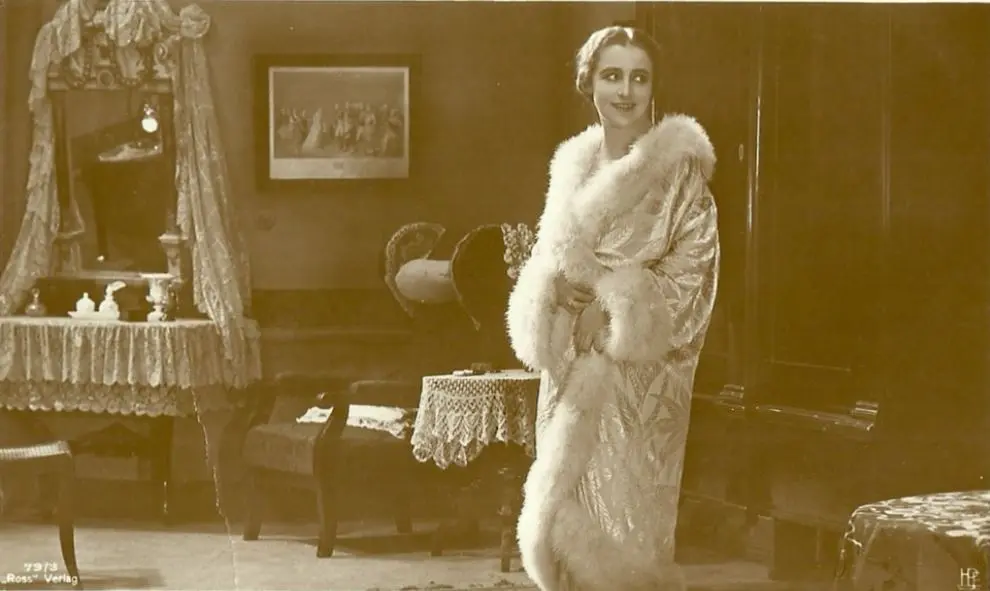
This film works because it leverages the immense screen presence of Henny Porten to ground a sprawling ensemble narrative in genuine human pathos.
This film fails because its third-act resolution feels somewhat beholden to the conservative theatrical traditions of its writers, Oskar Blumenthal and Walter Supper, rather than leaning into the radical possibilities of the medium.

You should watch it if you are a student of performance who wants to see how a silent actress can convey complex internal conflict without the aid of intertitles or exaggerated gestures.
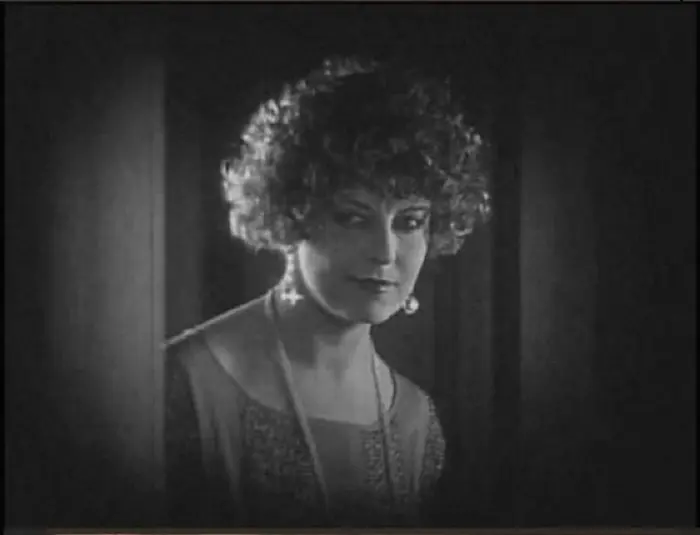
Henny Porten remains one of the most fascinating figures in film history, and Die große Pause is a testament to why she was Germany's first true movie star. In an era where many actors were still relying on the broad, theatrical movements seen in films like The Cloister and the Hearth, Porten operates with a startling modernity. There is a specific scene in the second act where she sits alone in a study, the lighting casting long, geometric shadows across her face. Without moving a muscle, she communicates a decade of regret.
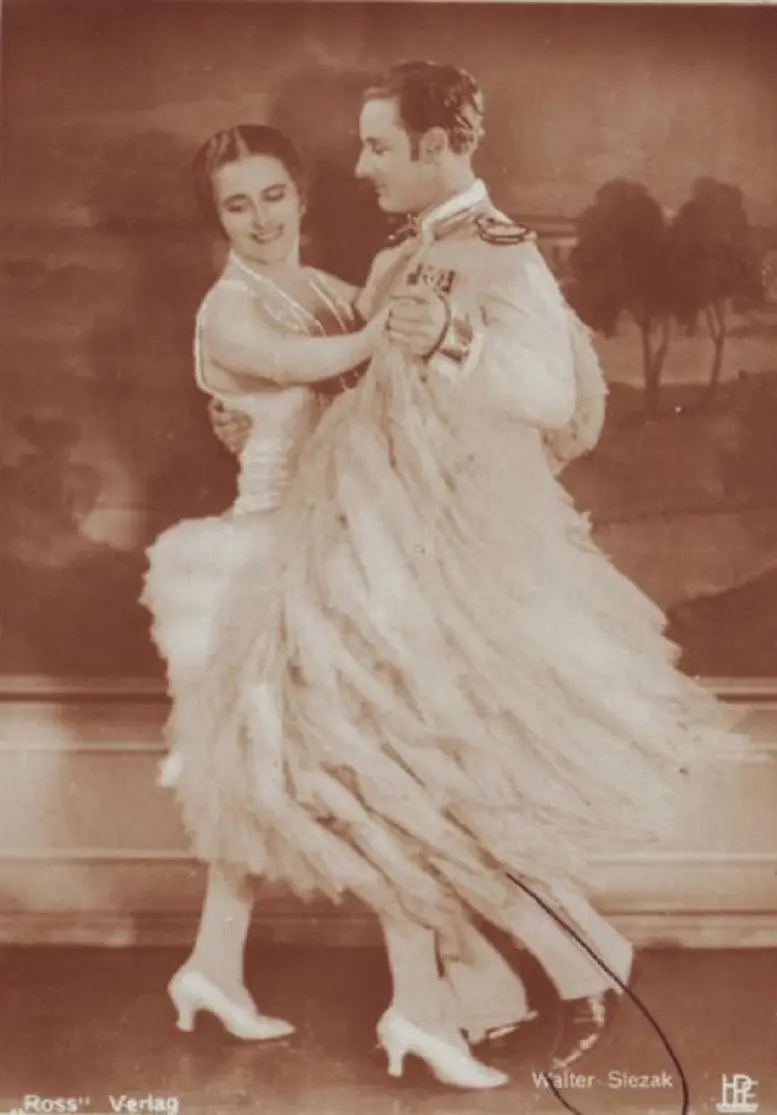
It is this subtlety that separates Die große Pause from more overt melodramas like Ashamed of Parents. Porten doesn't play to the back of the room; she plays to the lens. Her chemistry with Walter Slezak provides the film with its emotional heartbeat. Slezak, long before he became the quintessential Hollywood character actor, displays a youthful vulnerability here that is genuinely moving. Their interactions are characterized by a 'push and pull' dynamic that feels authentic, avoiding the saccharine pitfalls of many 1920s romances.
The supporting cast, including Paul Westermeier and Iwa Wanja, provides the necessary levity to balance the film’s heavier themes. Westermeier, in particular, utilizes a physical comedy style that feels more aligned with the energy of Why Girls Say No, yet he never feels out of place in this more serious drama. This tonal balance is one of the film's greatest technical achievements.
The direction and cinematography of Die große Pause use the school setting as more than just a backdrop; it is a character in its own right. The high ceilings and rigid rows of desks serve as a visual metaphor for the societal pressures weighing on the characters. Unlike the sprawling outdoor adventures of The Pioneers or the rugged landscapes of Wild Beauty, this film is intentionally claustrophobic.
There is a brilliant use of depth of field in the classroom scenes. The camera often lingers on a character in the foreground while the strict, rhythmic movement of students continues in the background, out of focus. This creates a sense of isolation amidst a crowd, a theme that resonates throughout the film. It suggests that even in our 'breaks' or 'recesses,' we are still being watched, still being measured by the yardstick of institutional expectation.
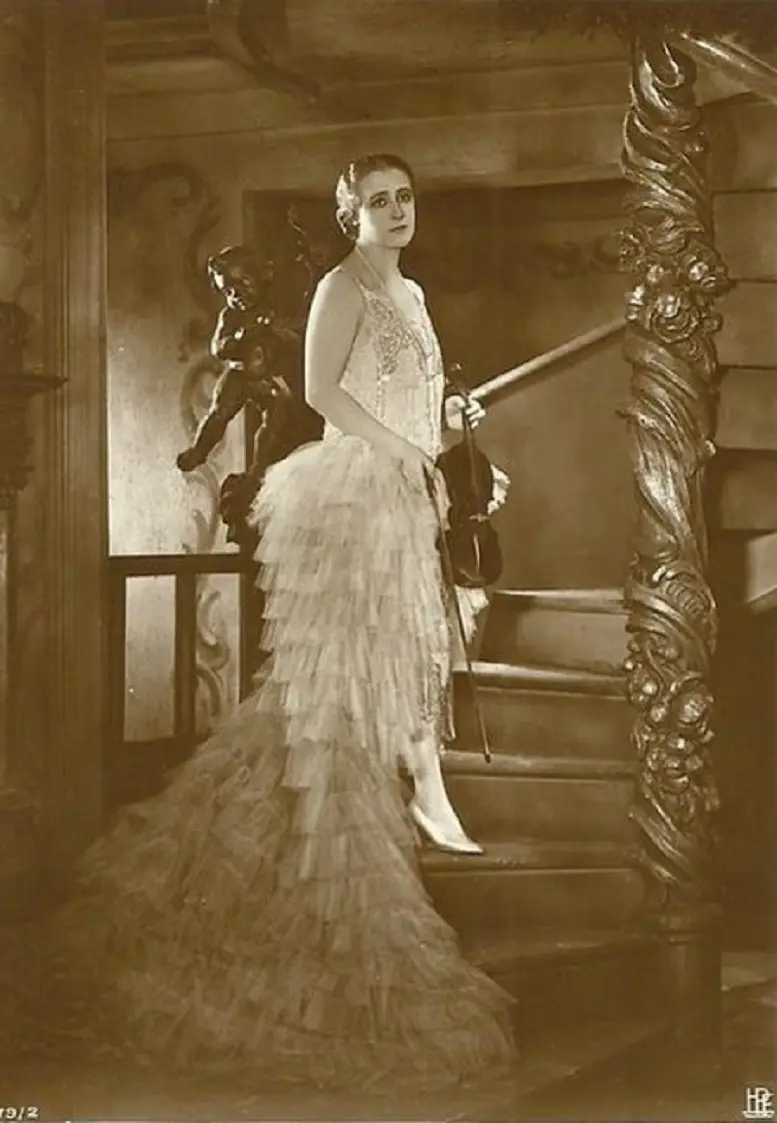
The pacing, however, is where the film may lose modern audiences. It is deliberate. It is slow. It breathes. While films like Up in the Air rely on a sense of momentum, Die große Pause is content to sit in a moment until it becomes uncomfortable. This is a bold choice, but it is one that pays off for those willing to invest the time.
Yes, Die große Pause is a vital watch for anyone interested in the evolution of dramatic acting. It offers a sophisticated look at 1920s social structures through a lens that is both critical and deeply empathetic. If you value character-driven narratives over plot-heavy spectacles, this film will reward your patience.
When comparing Die große Pause to other films of the era, such as The Call of the Game, one notices a distinct difference in intent. While many films of the mid-20s were preoccupied with the 'new world' and the thrill of modern technology, Die große Pause is more concerned with the 'old world' and the psychic cost of maintaining its traditions. It feels more akin to The Complete Life in its attempt to capture the totality of a human experience within a confined social structure.
Even when compared to more genre-focused works like The Sea Tiger or Taming the West, this film stands out for its psychological density. It doesn't need a villain or a physical conflict to generate tension. The tension is inherent in the way the characters look at one another across a dinner table or a classroom. It is a quiet war of attrition.
Die große Pause is a reminder that the most significant dramas often happen in the spaces between our public responsibilities. It is a film about the 'recess' of the soul.
One surprising element of Die große Pause is its treatment of the 'rebellious' youth. Unlike the moralizing tone found in God's Law and Man's, this film treats the desires of its younger characters with a surprising amount of dignity. It doesn't seek to punish them for their transgressions; rather, it seeks to understand the environment that made those transgressions necessary. This empathetic stance was quite rare for its time and makes the film feel much more contemporary than its 1927 release date would suggest.
Furthermore, the film’s use of mirrors is obsessive. Nearly every major emotional revelation happens while a character is looking at their own reflection. This suggests a theme of self-reckoning that is far more advanced than the usual 'good vs. evil' tropes found in films like The Hope or The Barnstormers. It is a film about the masks we wear, and the exhaustion that comes from never being able to take them off.
Die große Pause is a quiet, devastatingly efficient piece of filmmaking. It works. But it’s flawed. The ending might feel like a retreat into safety, but the journey there is paved with some of the most intelligent character work of the silent era. It lacks the prurient fascination of a film like Sex, opting instead for a dignified, almost clinical examination of the human heart. If you can handle the slow burn, the rewards are immense. It is a poignant reminder that even in the most rigid societies, the human spirit is always looking for a way to slip out for a cigarette during the big break.

IMDb 6.1
1932
Community
Log in to comment.