DbcultAccessing Vault...
7.3/10
Senior Film Conservator
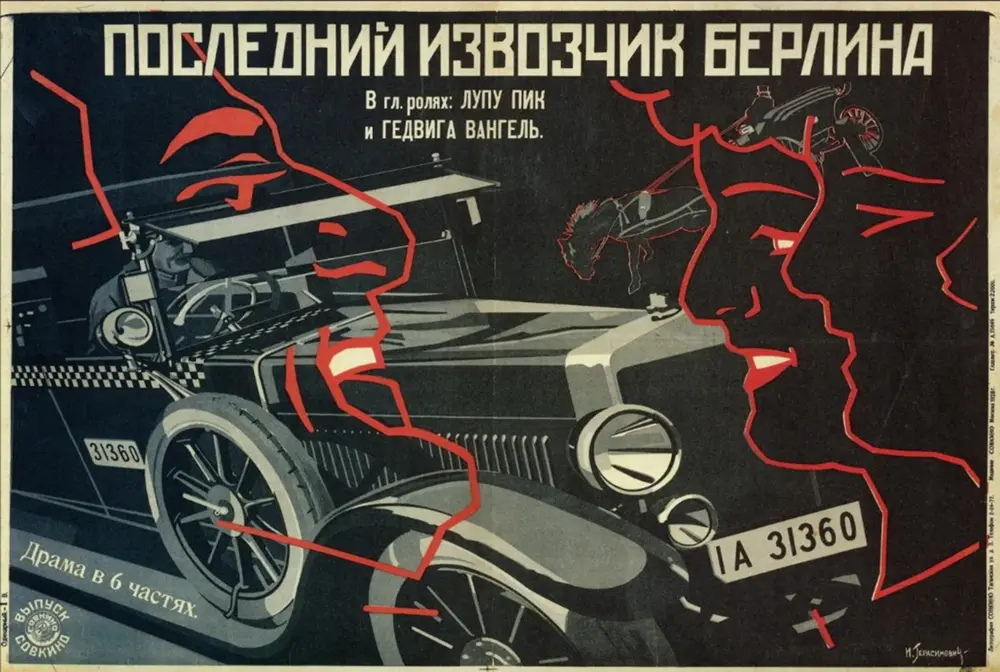
A definitive 7.3/10 rating for a film that redefined the boundaries of cult cinema. Die letzte Droschke von Berlin remains a cornerstone of transgressive art.
Is Die letzte Droschke von Berlin worth your time today? Short answer: Yes, but only if you are willing to trade the speed of modern cinema for the soul-crushing weight of historical realism.
This film is for the viewer who finds beauty in the decay of old systems and the silent heartbreak of the working class. It is absolutely not for those seeking the escapist glamor often associated with the roaring twenties; this is the soot-covered reality of the era.
1) This film works because: It treats the obsolescence of the horse-drawn carriage as a genuine existential crisis rather than a mere plot point.
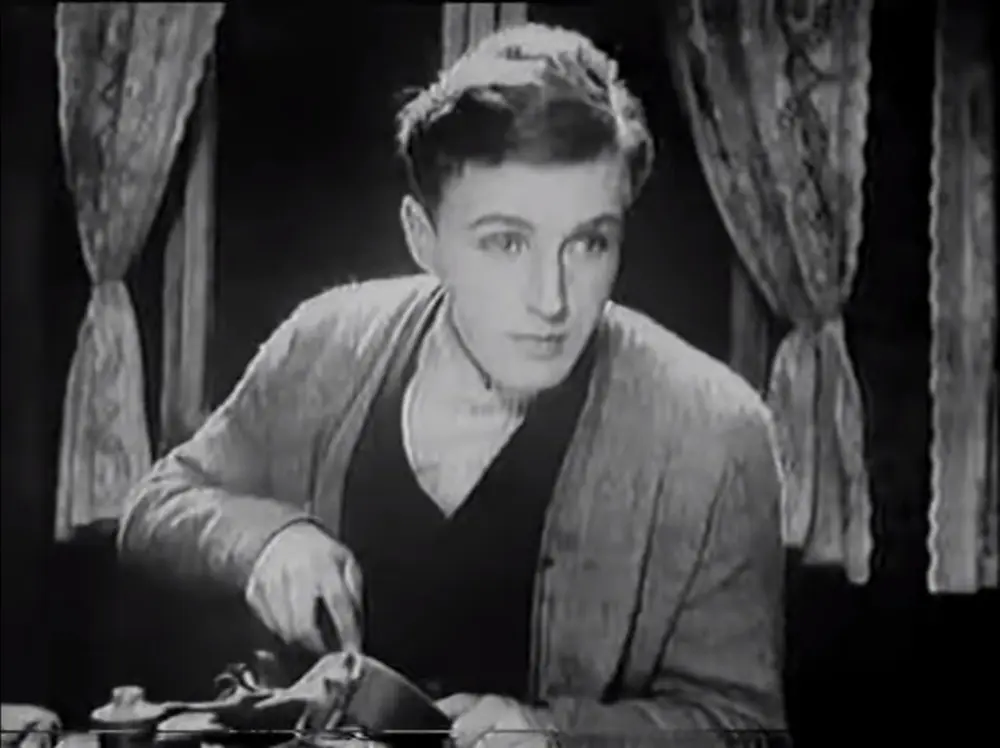
2) This film fails because: The melodrama involving the daughter’s romantic entanglements occasionally threatens to derail the stark, documentary-like power of the main narrative.
3) You should watch it if: You want to see the exact moment the 19th century died on the streets of Berlin, captured with a grit that digital restoration can barely contain.
In 1926, Berlin was a city undergoing a nervous breakdown. The transition from the droschke to the motor-taxi wasn't just a change in transportation; it was a wholesale slaughter of a lifestyle. Director Lupu Pick (appearing here as an actor) and the production team understood that the horse is more than an animal in this context—it is a symbol of a slower, perhaps more humane, epoch.
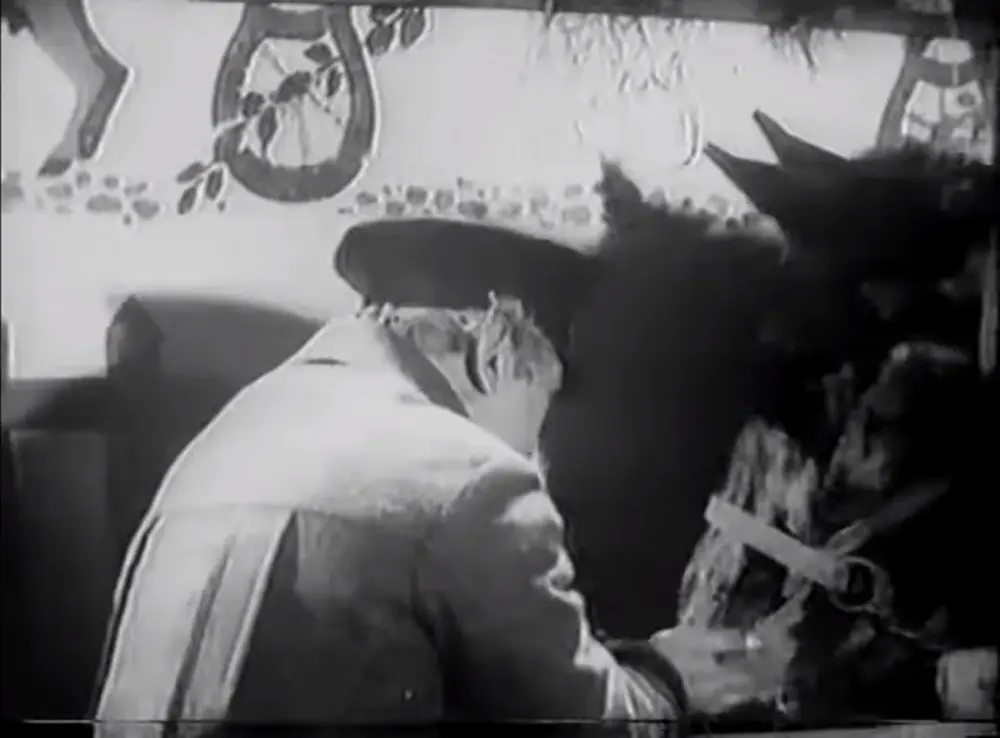
Karl Falkenberg delivers a performance that is agonizingly restrained. As Lüdecke, his face is a map of the city’s cobblestones—hard, weathered, and increasingly overlooked. When he looks at his horse, there is a kinship that the motor-taxi drivers, with their goggles and grease, could never understand. The film excels in these quiet moments of connection between man and beast.
Contrast this with the frenetic energy of films like The Cabaret. While other films of the era were obsessed with the neon lights and the jazz age, Die letzte Droschke von Berlin stays in the shadows of the stables. It is a film that smells of hay and exhaust fumes in equal measure.
The visual language here is rooted in the Kammerspielfilm tradition, though it spills out into the streets. The camera work is not flashy, but it is deliberate. There is a specific scene where Lüdecke’s carriage is caught in a traffic jam of motorized cars. The framing makes the horse look small, fragile, and absurdly out of place.
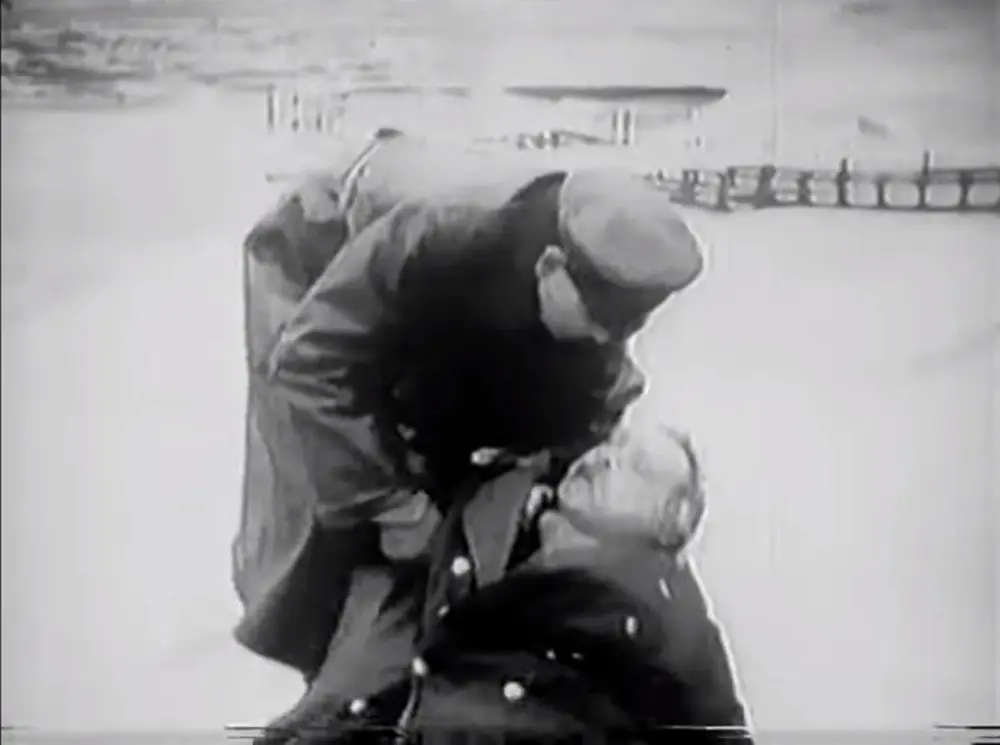
The lighting is equally impressive. The interiors of the Lüdecke household are dim, lit by what feels like the dying embers of the previous century. In contrast, the streets of Berlin are beginning to glow with a harsh, artificial light. This visual dichotomy reinforces the theme: the world is getting brighter, but it is also getting colder.
Unlike the stylized grandeur of Confessions of a Queen, this film embraces a muddy, tactile reality. You can almost feel the dampness of the Berlin air. This isn't a studio-bound fantasy; it's a living record of a city’s transformation.
Why does a movie about a 1920s taxi driver matter in the age of AI and automation? The answer is simple: the human fear of being replaced is universal and timeless.
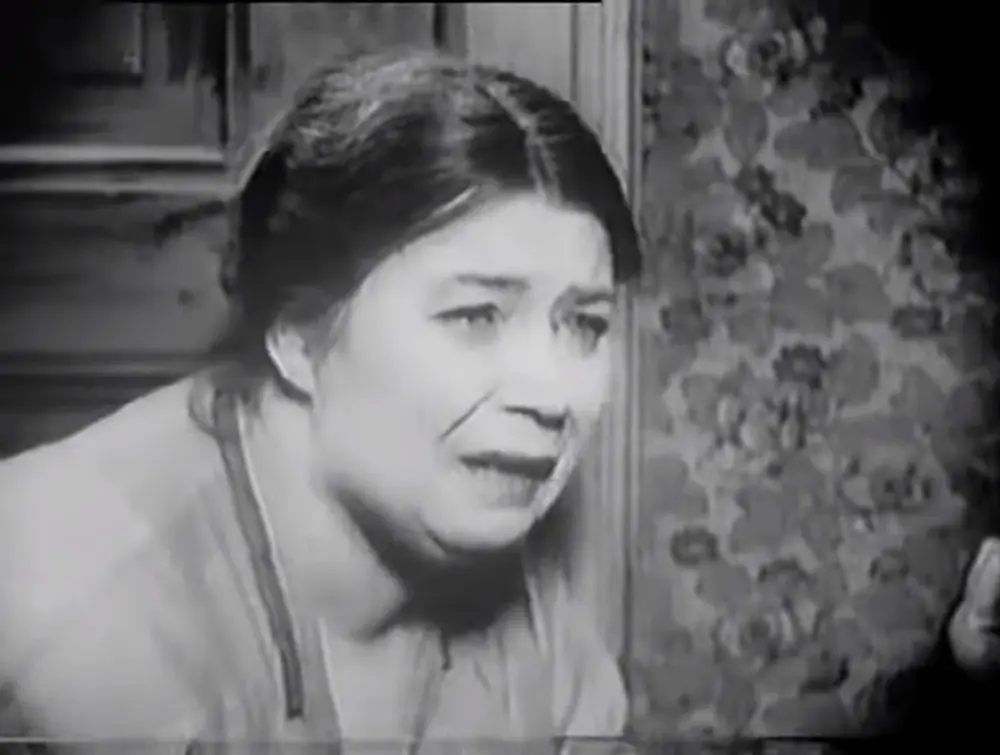
Die letzte Droschke von Berlin is worth watching because it captures the visceral pain of a man watching his world disappear. It isn't just a history lesson; it's a mirror. If you have ever felt the world moving faster than you can keep up with, this film will resonate with a haunting frequency.
Karl Falkenberg is the undisputed anchor here. His performance avoids the wild gesticulation common in lesser silent films. Instead, he uses his posture—the way he slumps on the driver’s seat—to communicate a lifetime of labor and a decade of disappointment. It’s a performance that feels surprisingly modern.
The supporting cast, including Werner Pittschau and Evi Eva, provide the necessary friction. Evi Eva, playing the daughter, represents the bridge to the new world. Her struggle is between loyalty to her father and the practical necessity of survival in a city that no longer respects his trade. Their scenes together are some of the most emotionally resonant in the film.
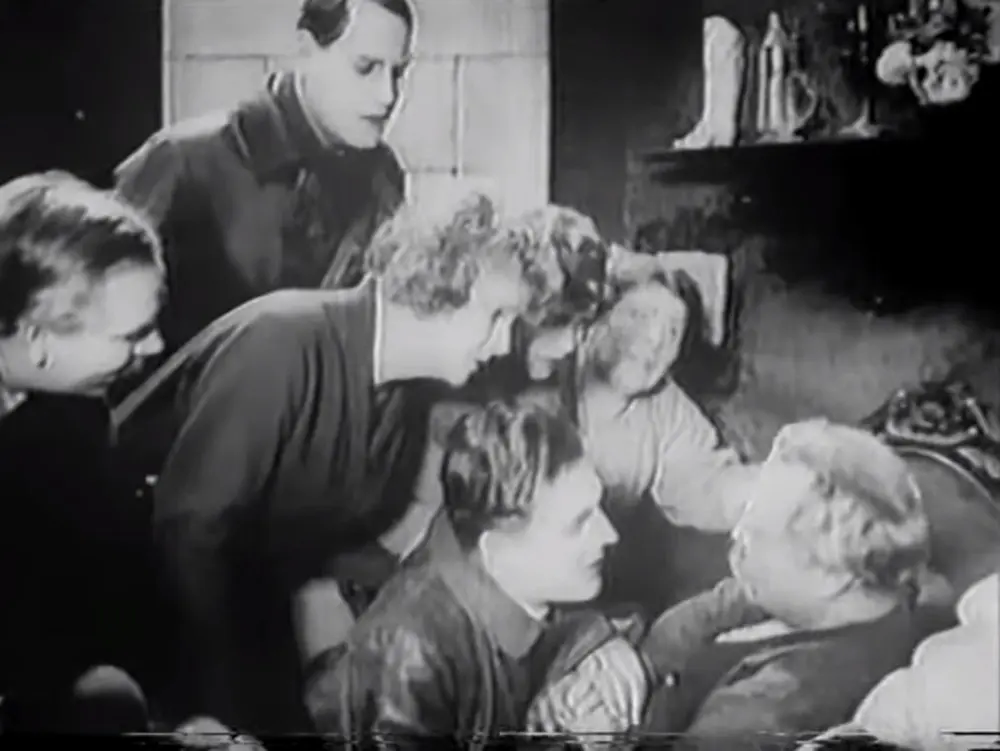
While it lacks the epic scale of Spartak, the intimate stakes here feel just as high. A man’s livelihood is his life, and the film never forgets that. The domestic drama is played straight, with a sincerity that avoids the saccharine traps of contemporary Hollywood productions like Charity.
Let’s be honest: the pacing is deliberate. It moves at the speed of a horse through a crowded city. For some, this will be a deterrent. For others, it is an essential part of the experience. The film forces you to slow down, to inhabit the space of a man who is being pushed out of time.
There is a heavy, melancholic tone that permeates every frame. Even the moments of levity feel tinged with the knowledge that the end is coming. It is a funeral march for a profession. It lacks the adventurous spirit of Roaring Lions on the Midnight Express, opting instead for a somber, reflective atmosphere.
Pros:
Cons:
Most critics focus on the man, but the true tragedy is the horse. In one specific sequence, the horse is brushed and cared for with a tenderness that Lüdecke fails to show his own family. The animal is his last link to a version of himself that was relevant. When the horse eventually leaves the frame, the film loses its heartbeat. It is a brutal realization: in the eyes of the city, the man and the horse are the same—disposable technology.
Die letzte Droschke von Berlin is a somber, essential piece of Weimar cinema. It doesn't offer easy answers or happy endings. It simply documents the crushing reality of change. The film is a quiet masterpiece of social realism that manages to be both a specific historical artifact and a universal tale of human pride.
Modernity is a meat grinder. Lüdecke is just the latest portion of gristle.
If you can handle the slow trot, the reward is a deeply affecting experience. It works. But it’s flawed. And in that flaw, it finds its humanity. For those looking for more varied silent era experiences, consider the contrast with The Man from Glengarry or the social critiques found in Prohibition. However, for a pure look at the death of the old world, this is the definitive text.
IMDb 5.5
1930
Community
Log in to comment.