DbcultAccessing Vault...
Cult Review
Senior Film Conservator
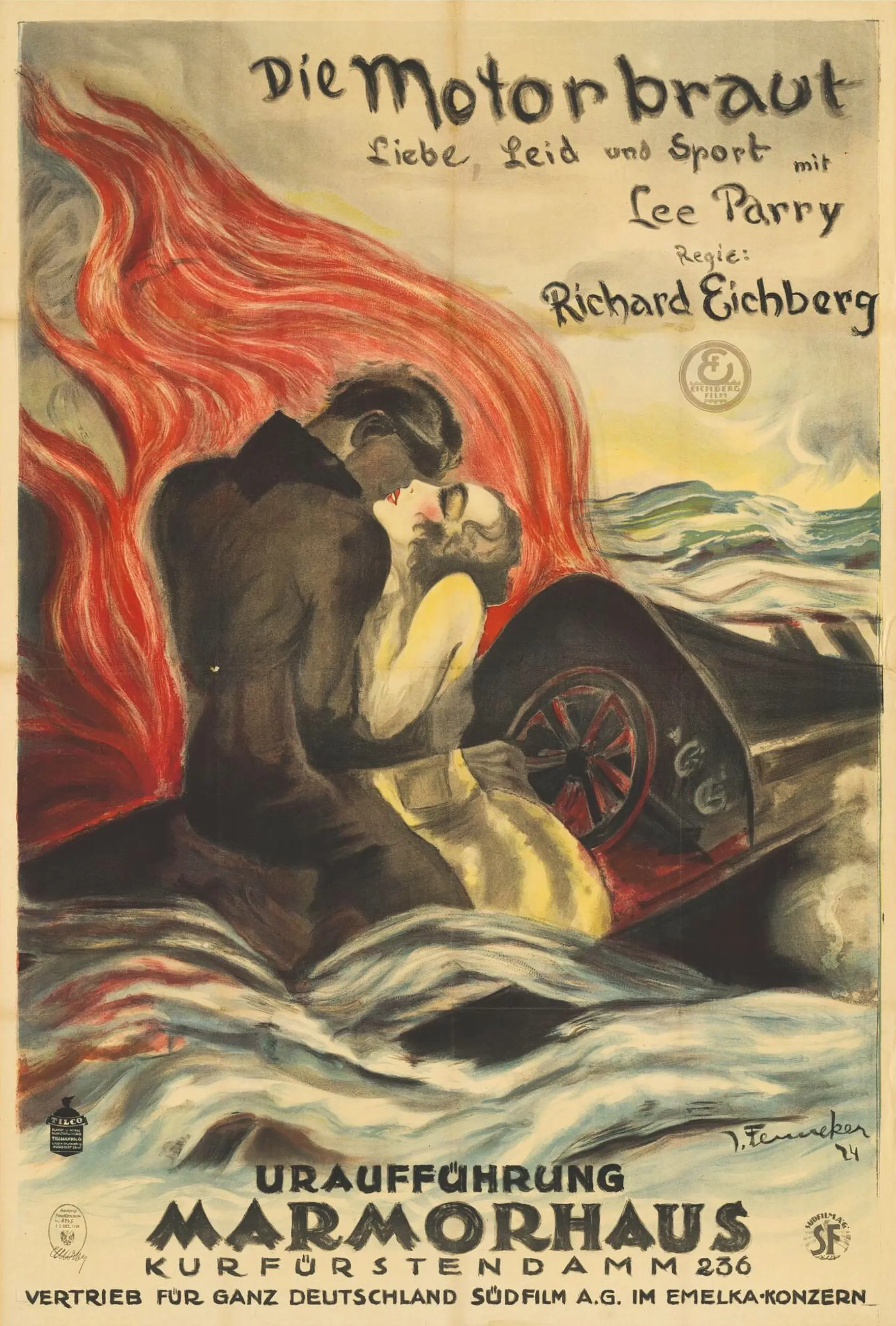
Is Die Motorbraut a film worth your time in the modern era? Short answer: yes, but only if you appreciate the historical evolution of the 'action heroine' and can tolerate the rhythmic quirks of silent-era comedy.
This film is for the cinephile who wants to see the exact moment European cinema fell in love with speed and female autonomy. It is NOT for those who demand high-fidelity sound or a plot devoid of 1920s slapstick tropes.
1) This film works because it leverages the motorcycle not just as a prop, but as a symbol of social rebellion that still feels visceral nearly a century later.
2) This film fails because its middle act gets bogged down in repetitive romantic misunderstandings that feel sluggish compared to its high-energy opening.
3) You should watch it if you are interested in the 'New Woman' archetype of the Weimar Republic or the early directorial work of Richard Eichberg.
Yes, Die Motorbraut remains relevant because it captures the foundational shift in how women were portrayed on screen. It moved away from the passive suffering seen in dramas like Tess of the D'Urbervilles and toward a proactive, physically capable protagonist. The film acts as a bridge between the Victorian damsel and the modern action star.
Lee Parry was the undisputed star of this era, and in Die Motorbraut, she displays a level of physical comedy that rivals the greats. Unlike the more somber performances in Eye for Eye, Parry uses her entire body to communicate a sense of restless energy. There is a specific scene where she attempts to fix her motorcycle while wearing a formal dress; the contrast between her delicate attire and the mechanical grime is a perfect microcosm of the film's themes.
Her chemistry with Angelo Ferrari provides the necessary romantic tension, though Ferrari often feels like he is struggling to keep up with Parry's pace. While films like The Rough Lover leaned into traditional masculine dominance, Die Motorbraut allows the woman to take the driver's seat—literally and figuratively. It is a refreshing subversion that makes the film stand out from its contemporaries.
Richard Eichberg’s direction is surprisingly modern in its obsession with motion. The camera doesn't just sit still; it tries to capture the blur of the wheels and the wind in Parry's hair. This focus on technology was a hallmark of 1920s German cinema, but here it feels more personal than political. The use of close-ups on the mechanical parts of the bike creates a fetishistic relationship with technology that prefigures modern sci-fi.
Compare this to the more static, stage-bound feel of Le sorprese del divorzio. Eichberg wants the audience to feel the vibration of the road. One standout sequence involves a chase through a wooded area where the shadows of the trees create a stroboscopic effect on the protagonist's face. It is a sophisticated piece of visual storytelling that requires no intertitles to explain the character's internal thrill.
The film’s greatest flaw is its uneven pacing. It starts with the velocity of a racing engine but occasionally stalls in the parlor rooms of the supporting cast. Characters like those played by Margarete Kupfer and Hans Mierendorff are excellent, but their subplots often feel like they belong in a more traditional melodrama like Reputation. When the film leaves the road, it loses its soul.
The transition from high-speed action to domestic comedy is jarring. It works. But it’s flawed. The script by Helmuth Orthmann and James Cox tries to please too many audiences—the thrill-seekers and the traditionalists. This results in a narrative that feels like it’s constantly shifting gears without ever reaching top speed in the final act. However, the sheer charisma of the cast keeps the engine from completely cutting out.
Die Motorbraut is a fascinating historical document because it treats its heroine's hobby not as a quirk, but as a lifestyle. She isn't a 'tomboy' waiting to be 'fixed' by a man, as seen in some American silents like A Bit of Jade. Instead, her mastery of the machine is what makes her attractive. This was a radical stance for 1925.
The film suggests that the modern world requires a new kind of partner—one who can navigate the complexities of technology and social change with equal ease. This theme is explored with much more nuance here than in the broad comedy of Hearts and Arts. It’s an unconventional observation, but the motorcycle in this film acts as a prophylactic against the boredom of traditional marriage.
Pros:
- Lee Parry’s magnetic and physically demanding lead performance.
- High-quality production design that captures the glitz of 1920s Berlin.
- A genuinely progressive take on female independence.
- Excellent use of location shooting for the chase sequences.
Cons:
- Supporting characters are often one-dimensional caricatures.
- The comedic timing of the intertitles can feel clunky in certain scenes.
- The resolution of the romantic plot is somewhat predictable and safe.
When placed alongside other 1920s releases like The Blue Moon or The Unknown Ranger, Die Motorbraut feels significantly more urban and sophisticated. While American films were often exploring the frontier or rural morality, German cinema was obsessed with the city and the machine. This film is a prime example of that 'Metropolis-lite' energy, focusing on the individual's joy within the machine age rather than the collective's struggle.
Even compared to something like A Double-Dyed Deceiver, which plays with identity and social status, Die Motorbraut is more interested in the physical sensation of freedom. It is a film that you don't just watch; you feel its tempo. It shares a certain bohemian spirit with Amor e Boemia, but with a much sharper, more modern edge.
Die Motorbraut is a fascinating, high-speed relic that proves the 'New Woman' of the 1920s wasn't just a social concept, but a cinematic powerhouse. Despite its occasional narrative stalls, the film’s energy and Lee Parry’s performance make it a vital watch for anyone exploring the roots of modern cinema. It is a loud, proud, and beautifully greasy celebration of independence.
Final Score: 7.5/10 - A must-see for silent film aficionados.
IMDb —
1935
Community
Log in to comment.