DbcultAccessing Vault...
6.7/10
Senior Film Conservator
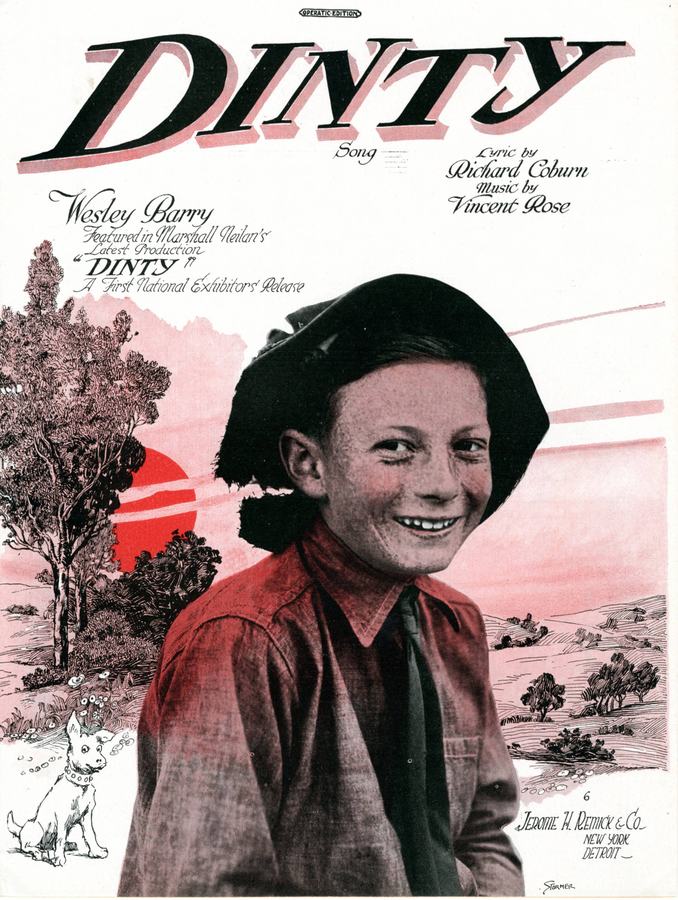
A definitive 6.7/10 rating for a film that redefined the boundaries of cult cinema. Dinty remains a cornerstone of transgressive art.
The sepia-toned echoes of early cinema often conceal treasures, films whose narratives, despite their age, resonate with an uncanny contemporary relevance. Dinty (1920), a silent-era production helmed by the prolific Marshall Neilan and penned by Neilan and Marion Fairfax, is precisely such a gem. It’s a vivid, often brutal, portrayal of urban hardship, filial devotion, and the insidious creep of organized crime, all filtered through the wide, hopeful eyes of a young protagonist. To dismiss it as merely another relic of a bygone cinematic epoch would be to overlook its profound emotional depth and its surprisingly sophisticated narrative construction.
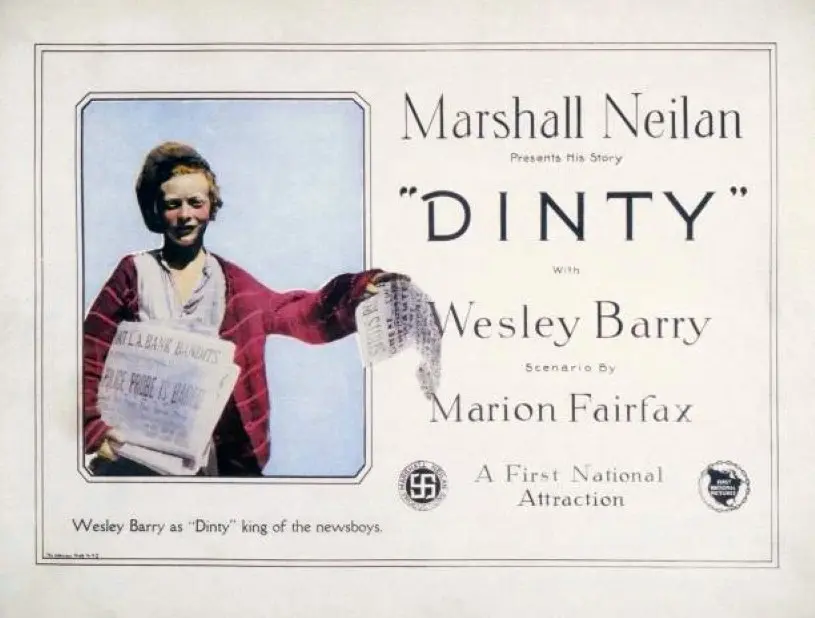
At its core, Dinty is a saga of survival, a testament to the fierce, unyielding bond between a mother and her child. Noah Beery, in a role that showcases his early dramatic capabilities, embodies Dinty, a newsboy navigating the unforgiving streets of a bustling metropolis. His daily grind is not merely about hawking papers; it’s a desperate, relentless pursuit of pennies to secure medicine and care for his ailing mother, portrayed with quiet pathos by Kate Price. This central motivation, the palpable weight of responsibility on Dinty's young shoulders, forms the emotional bedrock of the entire film. It’s a universal theme, transcending the specificities of the silent era, speaking to anyone who has ever fought against insurmountable odds for the sake of a loved one. The film doesn't shy away from depicting the harsh realities of poverty; the cramped living quarters, the threadbare clothes, the constant gnawing anxiety of medical bills—all contribute to a gritty verisimilitude that feels remarkably authentic.
Neilan's direction, even in these early scenes, establishes a sense of kinetic energy. The camera captures the frenetic pace of street life, the rough-and-tumble camaraderie and rivalry among the newsboys. These initial conflicts, though seemingly minor, are crucial. They establish Dinty's character: resilient, quick-witted, and fiercely protective. He's not a saint; he's a product of his environment, capable of both generosity and defiance. This nuanced portrayal prevents Dinty from becoming a one-dimensional archetype, lending him a compelling humanity that draws the audience into his plight. The world he inhabits feels lived-in, a vibrant tapestry woven from the threads of struggle and fleeting moments of joy.
The narrative takes a darker, more complex turn as Dinty’s struggles escalate beyond the familiar skirmishes with fellow newsboys like the spirited but mischievous 'Weary' (Wesley Barry). The transition from petty street rivalry to a confrontation with organized crime is seamless, driven by circumstance and Dinty’s desperate need. This is where the film truly broadens its scope, moving from a localized drama to a more expansive thriller. The introduction of drug smugglers operating within the shadowy confines of Chinatown marks a significant shift in tone and stakes. This shift isn't abrupt; it's a gradual immersion into a world far more dangerous than Dinty's innocent, albeit tough, street life.
The portrayal of Chinatown, while undoubtedly filtered through the lens of early 20th-century Hollywood's often exoticizing gaze, is less about explicit caricature and more about creating an atmosphere of mystery and danger. It becomes a labyrinthine backdrop for illicit activities, a stark contrast to the open, bustling streets Dinty usually inhabits. Here, the film introduces characters who operate outside the conventional moral codes, most notably the menacing drug lord portrayed by Sôjin Kamiyama. Kamiyama, a Japanese actor who often played villainous or exotic roles in American silent films, brings a chilling intensity to his character, a silent but palpable threat that elevates the film's tension considerably. His performance is a masterclass in silent menace, conveying a world of evil with just a glance or a subtle gesture.
Crucially, Dinty also features an early, albeit brief, appearance by the legendary Anna May Wong. Even in a minor role, her presence is notable, a glimpse of the groundbreaking talent that would later challenge and redefine Asian representation in Hollywood. Her scenes, though fleeting, add another layer of intrigue to the Chinatown setting, hinting at the complex lives and struggles within that community. It’s a fascinating historical footnote that enriches the film's legacy, offering a glimpse into the nascent careers of actors who would leave indelible marks on cinema. While her role here is small, one can already discern the nascent star power that would define her career, much like an early role in The Quest might hint at a future star's potential.
Marshall Neilan, a prominent director of the era, demonstrates a keen eye for visual storytelling in Dinty. The film employs the conventions of silent cinema—expressive acting, dramatic intertitles, and carefully composed shots—to maximum effect. Neilan understands that in the absence of spoken dialogue, every gesture, every facial expression, every camera angle must speak volumes. He masterfully uses close-ups to convey Dinty’s emotional turmoil and the villain’s chilling resolve. The pace is brisk, maintaining tension while allowing moments of quiet reflection, particularly in scenes depicting Dinty’s tender interactions with his mother. The cinematography, though perhaps rudimentary by today's standards, is effective in establishing mood and atmosphere, from the bustling daylight streets to the shadowy, gas-lit interiors of Chinatown dens.
Neilan's approach to realism, while filtered through the dramatic conventions of the time, feels remarkably grounded. He doesn’t shy away from the ugliness of poverty or the brutality of crime, yet he imbues the narrative with a sense of hope and resilience. This balance is crucial; it prevents the film from descending into pure melodrama, instead anchoring it in a believable, if heightened, reality. In this regard, Dinty shares a thematic kinship with other socially conscious films of the era, exploring the plight of the marginalized and the corrupting influence of societal ills. It’s a stark contrast to lighter fare like The Head Waiter, focusing instead on the darker undercurrents of urban life.
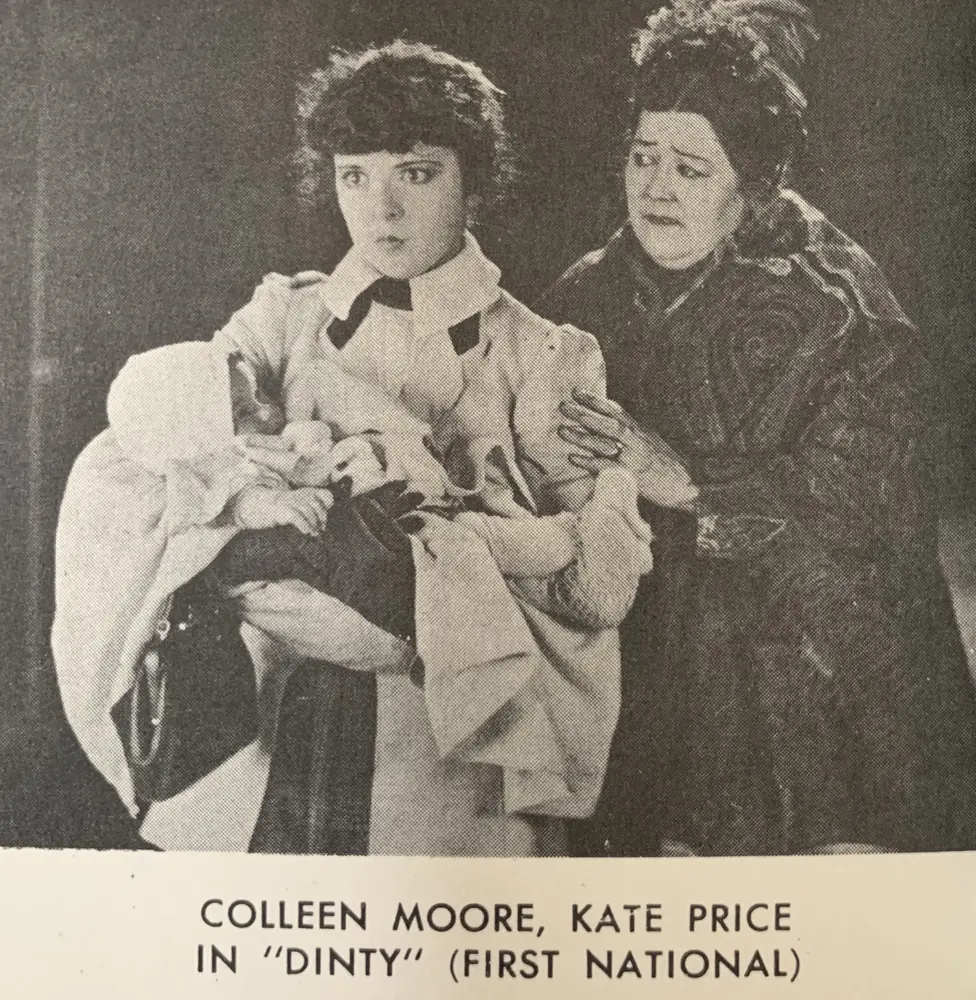
The cast of Dinty delivers performances that are both era-appropriate and surprisingly nuanced. Noah Beery as Dinty carries the emotional weight of the film with remarkable conviction. His youthful energy, combined with moments of profound despair and fierce determination, makes Dinty a character the audience genuinely roots for. Beery’s ability to convey complex emotions without dialogue is a testament to the skill required of silent film actors. He navigates the transition from street urchin to inadvertent hero with an authenticity that belies the often exaggerated acting styles of the period.
Sôjin Kamiyama, as the primary antagonist, is a standout. His portrayal is chillingly effective, a study in quiet menace. He doesn't need grand gestures to convey his character's villainy; a narrowed eye, a subtle sneer, or a deliberate movement is enough to project an aura of danger. This understated approach makes his character all the more frightening, a stark contrast to the more overtly theatrical villains often seen in contemporary films. His performance adds a layer of sophisticated evil to the proceedings, elevating the conflict beyond simple good versus bad.
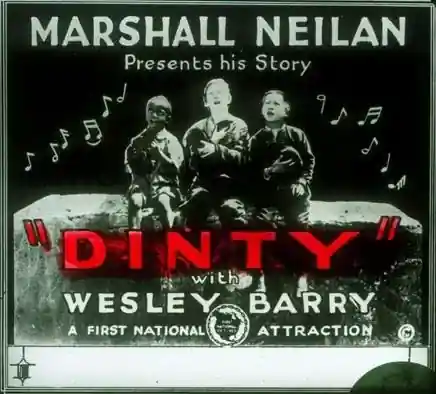
Marjorie Daw, playing the love interest, provides a touch of innocence and vulnerability amidst the grit, offering Dinty moments of respite and motivation beyond his immediate familial duties. Even in smaller roles, actors like Wesley Barry as 'Weary' and the aforementioned Anna May Wong make their presence felt, contributing to the rich tapestry of characters that populate Dinty’s world. The ensemble works cohesively, each actor understanding their role in advancing the narrative and enhancing the film's emotional impact. This collective effort ensures that the silent drama communicates its message with clarity and force, much like the intricate character dynamics observed in a film such as Old Wives for New.
The themes explored in Dinty are remarkably enduring. The film speaks to the pervasive nature of poverty and its ability to push individuals to desperate measures. It celebrates the strength of familial love as a driving force and a bulwark against despair. The clash between innocence and corruption, the individual’s struggle against systemic forces, and the question of moral compromise in the face of survival are all woven intricately into the narrative. These are not merely plot devices; they are profound inquiries into the human condition, making the film resonate far beyond its historical context.
Furthermore, Dinty serves as an important historical document, offering insights into early 20th-century urban life and societal anxieties. Its portrayal of Chinatown, while imperfect by contemporary standards, reflects the cultural perceptions and cinematic tropes of its time. For film historians and enthusiasts, it provides a valuable window into the craftsmanship of silent cinema, showcasing how directors and actors communicated complex stories and emotions in the absence of synchronous sound. It stands as a testament to the ingenuity and artistry that defined the early decades of filmmaking, demonstrating that compelling storytelling doesn't require dialogue to be powerful. One might draw parallels to the emotional depth in foreign silent films like Kampen om barnet, which also explored profound human struggles without spoken words.
For those willing to engage with the unique language of silent film, Dinty offers a rich and rewarding experience. It's more than just a historical curiosity; it's a gripping drama that holds up remarkably well, thanks to its strong narrative, compelling performances, and sensitive direction. The film’s ability to evoke empathy for its characters and to immerse the viewer in its vibrant, dangerous world is a testament to its enduring power. It reminds us that the fundamental elements of compelling storytelling—character, conflict, and emotional resonance—are timeless, transcending technological advancements in cinema.
In an era saturated with sensory overload, there's a unique pleasure in stripping back to the essentials, in allowing the visual narrative and the actors' expressions to carry the weight of the story. Dinty provides that opportunity, delivering a powerful emotional punch that belies its age. It deserves to be rediscovered and appreciated not just as an artifact of the past, but as a vibrant, moving piece of cinema that speaks to the heart of human experience. Much like the enduring appeal of a classic literary adaptation such as A Study in Scarlet, Dinty’s narrative strength allows it to transcend its original medium and remain captivating.
Ultimately, Dinty is a poignant exploration of resilience in the face of adversity, a narrative that champions the unwavering spirit of a young boy fighting for his family's survival against a backdrop of urban squalor and criminal intrigue. It’s a film that leaves a lasting impression, a quiet yet potent reminder of the power of love and the human will to overcome. It's a journey into a forgotten past that feels surprisingly immediate, a testament to the timeless artistry of early Hollywood and a compelling reason to delve into the rich archives of silent cinema.
IMDb —
1914
Community
Log in to comment.