DbcultAccessing Vault...
2.8/10
Senior Film Conservator
A definitive 2.8/10 rating for a film that redefined the boundaries of cult cinema. The Young Nobleman remains a cornerstone of transgressive art.
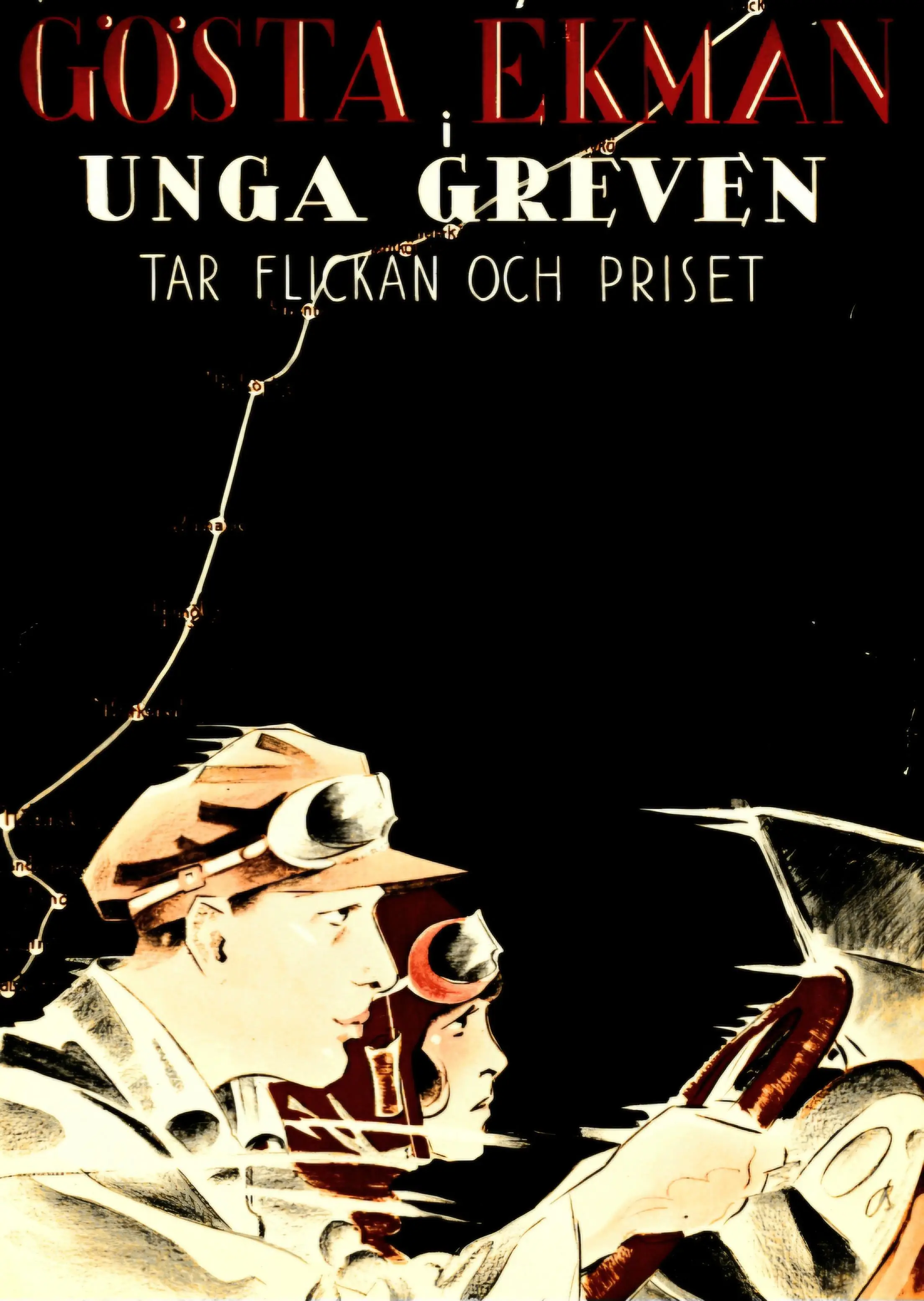
When we peer back into the sepia-toned annals of the 1920s, we often expect a certain stasis—a theatrical rigidity that defined much of early European cinema. However, The Young Nobleman (Unge greven) shatters these expectations with a kinetic energy that feels remarkably contemporary. It is a film that doesn't just sit within its frame; it vibrates with the hum of a four-cylinder engine. In an era where many productions were content with the drawing-room melodramas of Daddy-Long-Legs, this Swedish masterpiece directed by Rune Carlsten chose to take the high road—literally.
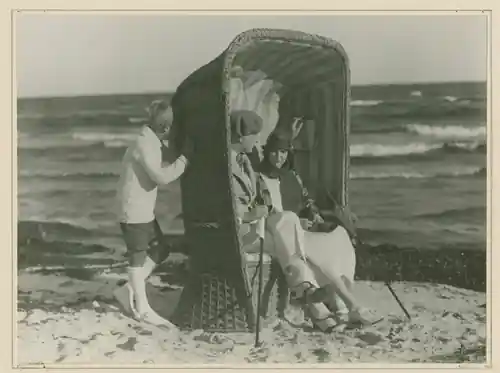
The screenplay, a collaborative effort by Carlo Keil-Möller, Torsten Ohlsson, and Rune Carlsten, avoids the pitfalls of generic romance by anchoring the emotional stakes in a tangible, modern hobby: fast cars. This isn't merely a plot device; it is a character trait that defines the Countess and the Count. They are individuals who find the slow pace of ancestral estates unbearable. While films like The Story of the Jaguar would later explore the car as a symbol of predatory grace, *The Young Nobleman* treats the automobile as a vessel for liberation. The cinematography captures the wind-swept hair and the focused intensity of the drivers with a clarity that rivals the tension found in Blackmail, though the stakes here are of the heart rather than the gallows.
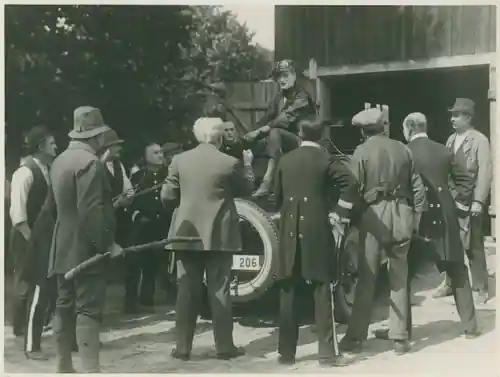
The casting is a veritable 'who's who' of the period's Swedish elite. Anita Dorr brings a refreshing agency to the role of the Countess. She isn't a damsel waiting for a rescue; she is a woman who knows her way around a gearbox. Opposite her, Hasse Ekman displays the early flashes of the brilliance that would later make him a titan of the industry. Their chemistry is built on a foundation of mutual respect and shared velocity, a far cry from the submissive dynamics often seen in The Desired Woman.
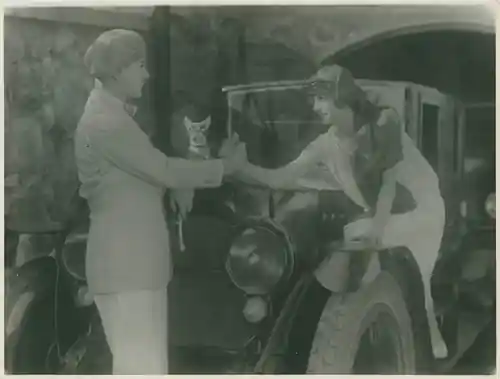
What strikes the modern viewer is the film's refusal to be purely escapist. There is a subtle, sharp-edged satire regarding the obsolescence of the nobility. Karin Swanström and Nils Aréhn provide the grounding for this social commentary, representing the old guard who view the internal combustion engine with a mixture of suspicion and terror. The film suggests that if the aristocracy is to survive, it must learn to drive—metaphorically and literally. This thematic weight elevates the work above the level of a mere romantic comedy, placing it in conversation with more serious social dramas like Mothers of Men or The Average Woman.
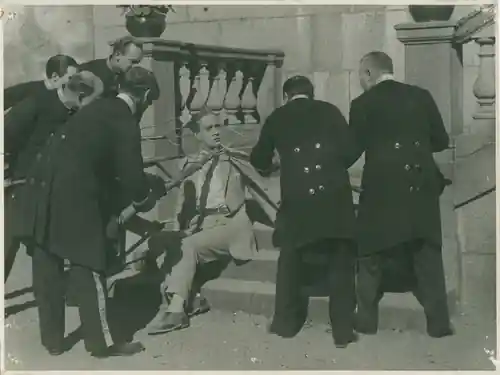
The inclusion of Gösta Ekman, even in a supporting capacity, adds a layer of prestige. His presence reminds us of the theatrical roots of Swedish cinema, yet his performance here is remarkably restrained, adapted perfectly for the camera's intimate gaze. The film's pacing is masterfully handled by Carlsten, who utilizes the outdoor landscapes of Sweden not just as pretty backdrops, but as an expansive playground for the protagonists' rebellion. It reminds one of the atmospheric use of environment in The Secret of the Swamp, though the tone here is one of exhilaration rather than dread.
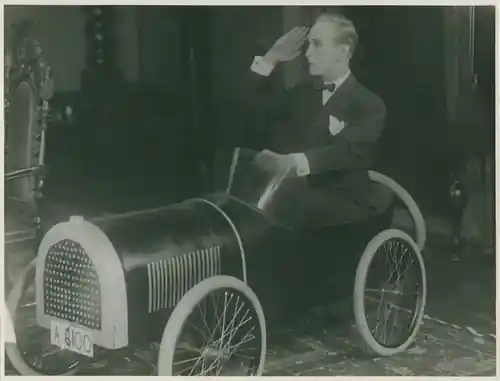
Technically, *The Young Nobleman* is a marvel. The editing during the car sequences uses quick cuts—a rarity for the time—to simulate the sensation of speed. This rhythmic editing creates a visceral reaction in the audience, pulling them out of the safety of their seats and into the passenger side of the Count’s roadster. It lacks the fantastical elements of Ruslan i Lyudmila, but it replaces magic with the very real, very loud magic of the machine age. The attention to detail in the costume design and the period-accurate vehicles provides a level of immersion that rivals the epic scale of St. Elmo.
The supporting cast, including Mona Geijer-Falkner and Ernst Brunman, fills the screen with recognizable human types, ensuring the film never feels like a hollow exercise in style. Even the minor characters are given moments of clarity, preventing the story from becoming a binary struggle between the young and the old. It’s a nuanced approach to ensemble storytelling that we see in works like Gyermekszív or Captain Swift, where every gear in the narrative machine must turn in unison.
In the grand tapestry of silent cinema, *The Young Nobleman* stands out as a vibrant, colorful thread. It captures the zeitgeist of the 'Roaring Twenties' with more authenticity than many of its contemporaries. It isn't just about the pursuit of love; it’s about the pursuit of the future. The Countess and the Count are the vanguard of a new world, one where the dust of the road is more desirable than the dust of the library. If you are looking for a film that combines the adventurous spirit of Cupid's Roundup with the sophisticated social observation of Konsumtionsföreningen Stockholm med omnejd, look no further.
Ultimately, the film succeeds because it treats its subjects with a mix of affection and irony. It recognizes the absurdity of their privilege while celebrating the genuine human connection that arises through their shared passion. It is a reminder that even in the most stratified societies, common interests can bridge the widest gaps. Unlike the tragic overtones of Evdokiia Rozhnovkaia, *The Young Nobleman* leaves the viewer with a sense of optimism—a feeling that as long as there is a road ahead and enough fuel in the tank, the future is something to be embraced at full throttle.
A breathtaking journey through the landscapes of both Sweden and the human heart, this film remains a vital piece of cinematic history that deserves a modern audience.
IMDb 6.4
1925
Community
Log in to comment.