DbcultAccessing Vault...
6.7/10
Senior Film Conservator
A definitive 6.7/10 rating for a film that redefined the boundaries of cult cinema. Dog Heaven remains a cornerstone of transgressive art.
Is Dog Heaven worth watching in a modern context? Short answer: yes, but only if you view it as a fascinating psychological study of canine jealousy rather than just a simple kid's comedy. This film is for silent film purists and those interested in the mechanical precision of 1920s slapstick, but it is certainly not for anyone who finds the 'Our Gang' brand of chaotic cruelty uncomfortable.
This film works because it treats the emotional life of a dog with the same dramatic weight as a Shakespearean tragedy. This film fails because the middle section drags significantly during the schoolyard mocking sequences, which feel repetitive even for a short. You should watch it if you want to see the exact moment when animal acting moved from simple tricks to genuine character work.
While Joe Cobb is the name on the marquee, the real star here is Pal the Wonder Dog. In 1927, animal acting was often a series of 'sit' and 'stay' commands captured on film. In Dog Heaven, Pal exhibits a level of expressive resentment that rivals the best human actors of the era. Look at the scene where Joe is grooming himself for Clarabelle. The camera lingers on Pal’s face, catching a specific tilt of the head and a drooping of the ears that communicates pure betrayal. It is not just a dog sitting there; it is a character feeling the sting of replacement. This isn't the high-stakes melodrama of A Sainted Devil, but in its own way, it’s just as intense.
The film’s title, Dog Heaven, is a masterstroke of irony. For Pal, the current situation is anything but heavenly. The direction by Anthony Mack (Robert A. McGowan) utilizes tight close-ups on the dog to contrast with the wide, chaotic shots of the children. This creates a psychological depth that was rare for the Rascals shorts of the mid-20s. We aren't just watching a boy chase a girl; we are watching a loyal friend being ghosted by his best mate.
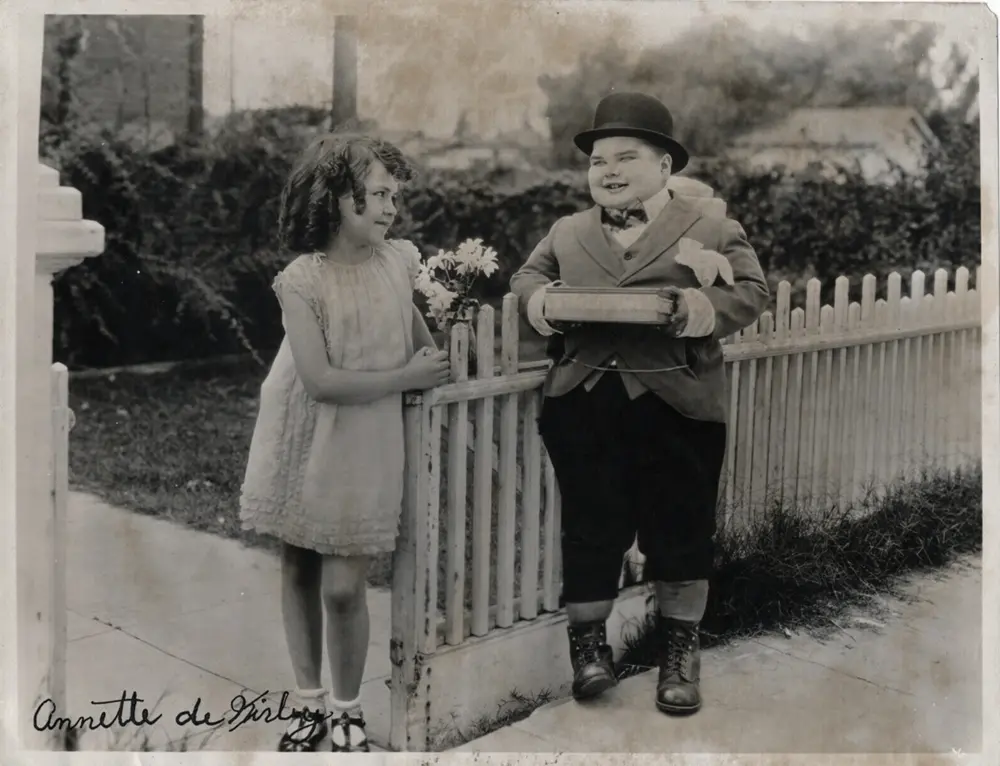
The Our Gang shorts were always at their best when they weaponized the social hierarchy of children. When Joe tumbles into the mud puddle, the reaction from the gang isn't one of sympathy; it's a collective roar of derision. This reflects a gritty reality often missing from more polished films like Young Mrs. Winthrop. Here, the children are small adults with their own cruel codes of conduct. The mud puddle scene is choreographed with a mechanical perfection that defines the Hal Roach style. Joe’s fall isn't just a slip; it’s a total loss of social standing captured in a single, messy frame.
The cinematography in these outdoor sequences is surprisingly robust. Despite the technical limitations of the time, the use of natural light during the lakeside climax provides a sense of place that studio-bound films like Captain Alvarez often lacked. The water feels cold, the mud feels thick, and the stakes feel oddly real. When Clarabelle is pushed into the lake, the film shifts from comedy to a rudimentary thriller. The pacing quickens, the cuts become shorter, and the dog’s eventual intervention feels earned rather than scripted.
Yes, Dog Heaven is worth watching because it provides a raw look at early Hollywood's ability to blend high-concept slapstick with genuine character emotion. It serves as a historical bridge between the primitive shorts of the early 1920s and the more sophisticated storytelling of the 1930s. If you appreciate seeing the foundations of modern comedy, this is a vital watch.
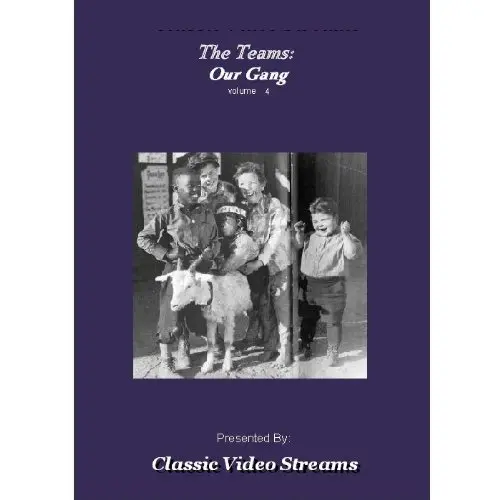
One cannot discuss Dog Heaven without mentioning Allen 'Farina' Hoskins. While modern audiences might struggle with the racial caricatures prevalent in this era, Farina often emerged as the most competent and grounded character in the gang. In this film, his reactions to Joe’s romantic blunders provide the 'straight man' energy needed to keep the slapstick from becoming too surreal. Compared to the heavy religious themes of From the Manger to the Cross, the Rascals shorts were the pop music of their day—accessible, rhythmic, and occasionally subversive.
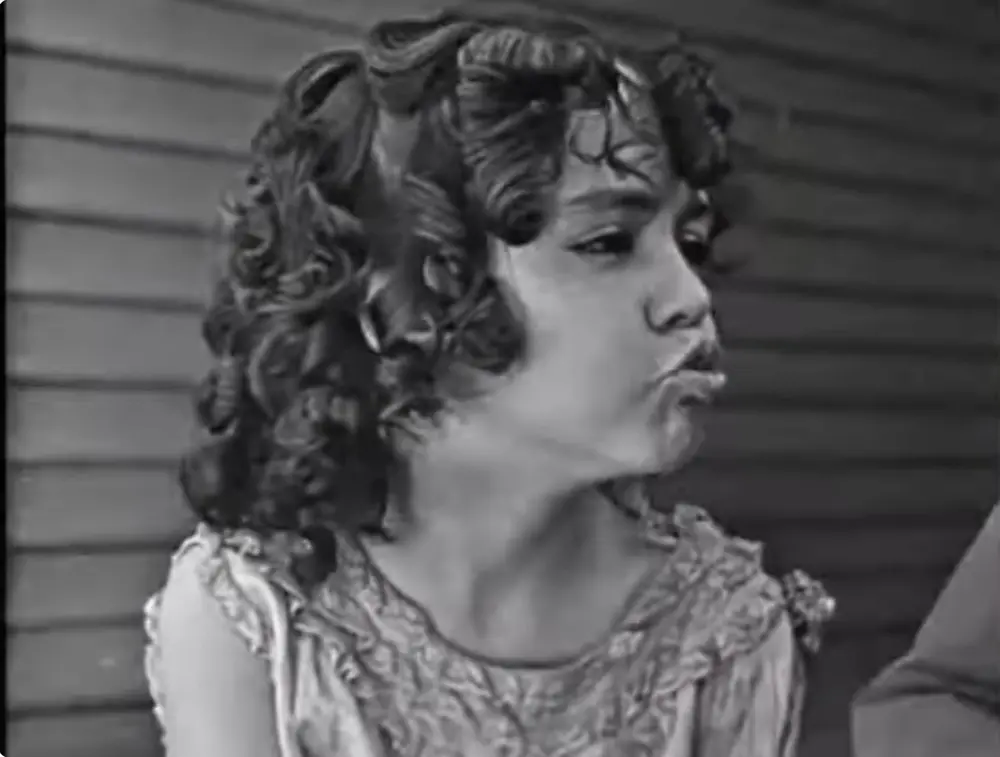
The chemistry between the kids is palpable. These weren't child actors who spent their days in trailers; they were a traveling troupe that lived and breathed these roles. This familiarity allows for a level of improvisation that you don't see in films like Fearless Flanagan. When the gang makes fun of Joe, the laughter feels genuine. The mockery is sharp, and the physical comedy is executed with a disregard for safety that would give a modern insurance adjuster a heart attack.
Pros:
- Exceptional use of a canine protagonist.
- High-quality location shooting at the lake.
- Joe Cobb’s fearless commitment to physical comedy.
- A genuine sense of stakes in the final act.
Cons:
- Some gags feel dated and overly long.
- The 'crush' subplot is a bit thin compared to other Rascals shorts.
- The transition from the mud puddle to the lake is somewhat jarring.
The pacing of Dog Heaven is a bit of a rollercoaster. It starts with a brisk introduction to the conflict, but then settles into a long-winded series of jokes about Joe's appearance. However, the film redeems itself in the final five minutes. The lake sequence is a masterclass in silent tension. By removing the dialogue, the filmmakers force us to focus on the geography of the scene—the distance between the shore, the dog, and the struggling girl. It’s a primitive but effective way to build suspense.
The tone is also surprisingly complex. It vacillates between lighthearted play and a strange, existential sadness. There is a moment where Pal looks at Joe and Clarabelle from a distance that feels genuinely lonely. It’s a bold choice for a comedy short to allow its audience to feel bad for a dog for ten minutes straight. This emotional honesty is what separates Dog Heaven from forgotten silents like Balloons.
"The film succeeds because it understands that to a dog, a master’s first crush is the end of the world. It’s a small story told with grand emotional stakes."
Dog Heaven is a fascinating artifact. It isn't perfect—it's flawed, occasionally slow, and carries the baggage of its time. But it works. It works because it centers on a universal truth: the pain of being replaced. Whether you are a dog or a human, that sting is real. The film’s ability to capture that through a series of mud puddles and lake plunges is nothing short of impressive. It’s a must-watch for anyone who wants to see the Rascals at their most emotionally 'dogged'.
IMDb —
1917
Community
Log in to comment.