DbcultAccessing Vault...
6.6/10
Senior Film Conservator
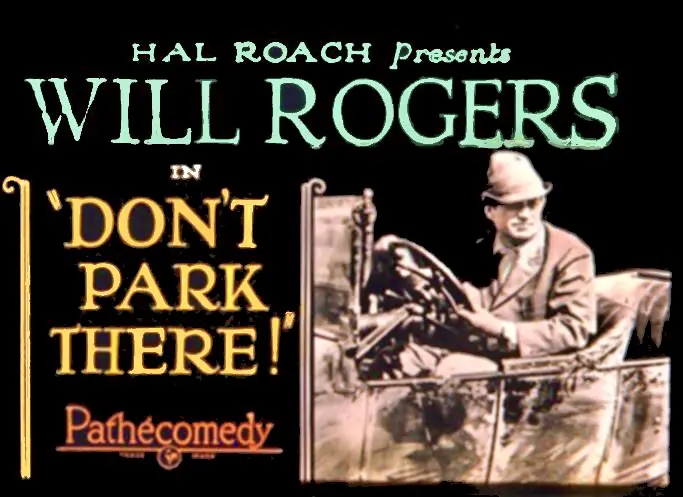
A definitive 6.6/10 rating for a film that redefined the boundaries of cult cinema. Don't Park There remains a cornerstone of transgressive art.
Among the numerous cinematic artifacts that have survived the test of time, 'Don't Park There' (1923) stands out as an endearing and insightful relic of a bygone era. Directed by Tay Garnett and penned by H.M. Walker, this silent comedy film stars the inimitable Will Rogers, whose folksy charm and down-to-earth demeanor continue to captivate audiences to this day.
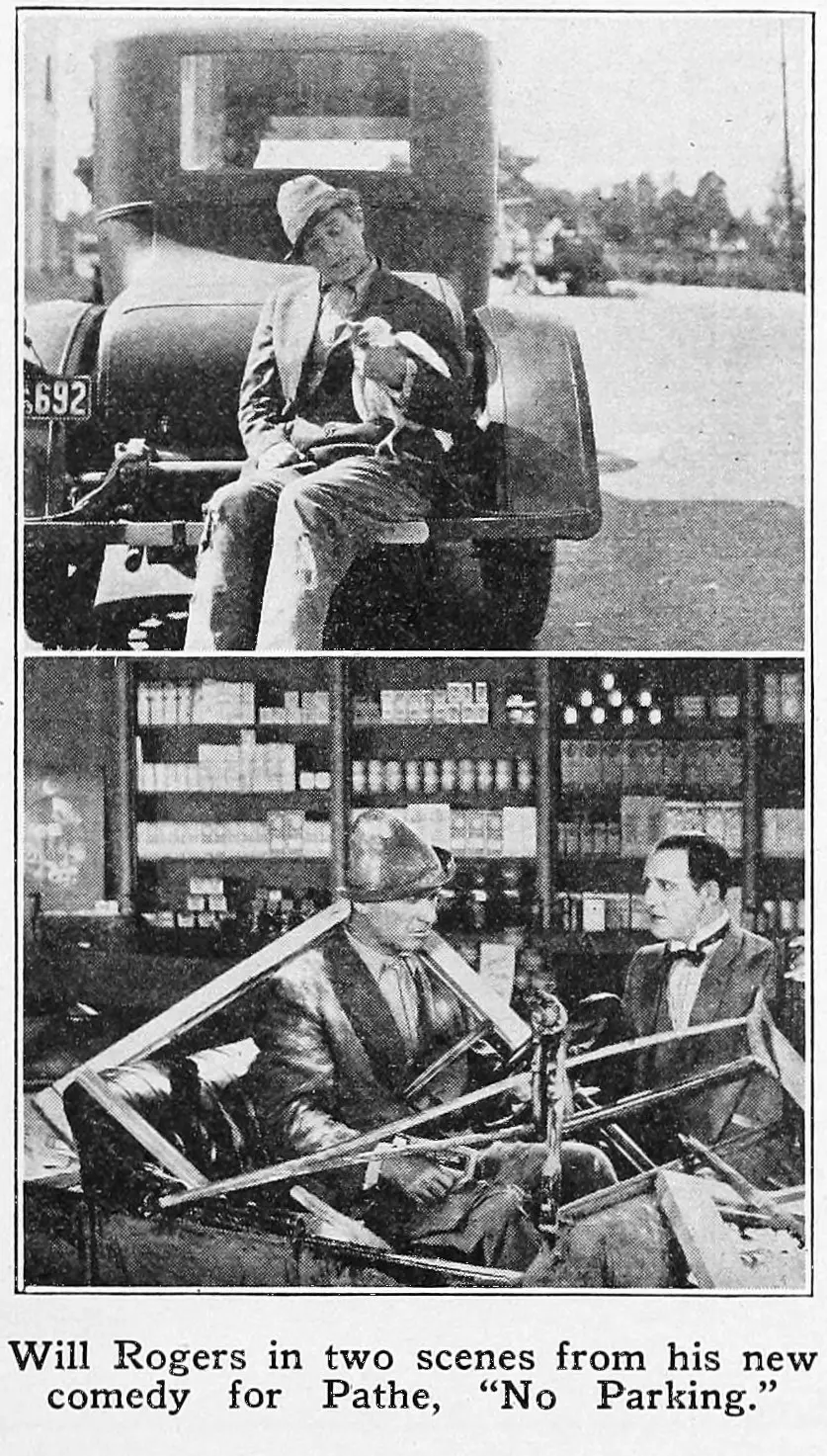
The film's narrative is deceptively simple: Will Rogers plays Will, a rural dweller who ventures into town with his horse-drawn wagon to obtain liniment for his ailing steed. Upon arrival, he is struck by the ubiquity of automobiles, which have supplanted his trusty horse and buggy as the primary mode of transportation. This juxtaposition of old and new serves as the backdrop for a series of comedic misadventures as Will navigates the uncharted territory of modernity.
The cast of 'Don't Park There' is a veritable Who's Who of silent film luminaries. Earl Mohan, Jack Hill, and Olive Borden deliver memorable performances, imbuing their characters with a sense of effervescent energy that proves contagious. The chemistry between the leads is undeniable, and their collective efforts help to elevate the film's humor and pathos.
One of the standout aspects of 'Don't Park There' is its effective use of character actors. The likes of Jack Gavin, Charles Lloyd, and 'Tonnage' Martin Wolfkeil add depth and texture to the film's narrative, populating its world with a diverse array of believable, if eccentric, characters. Marie Mosquini and William Gillespie also make notable appearances, further enriching the film's social tapestry.
'Don't Park There' can be seen as a microcosm of the societal shifts that were taking place during the early 20th century. The rise of the automobile, as symbolized by Will's awkward encounters with this new technology, serves as a potent metaphor for the inexorable march of progress. As tradition and modernity intersect, the film's characters must adapt to a changing world, one in which the old certainties are being rapidly eroded.
This theme of transformation is one that resonates deeply with audiences today. As we navigate our own rapidly changing world, 'Don't Park There' serves as a poignant reminder that the challenges of the past are not so different from those of the present. The film's lighthearted approach belies a profound insight into the human condition, one that continues to inform and entertain audiences to this day.
From a technical standpoint, 'Don't Park There' is a tour de force of silent filmmaking. The cinematography is crisp and evocative, capturing the quaint charm of rural life in the 1920s. The editing is seamless, with a well-judged pacing that keeps the narrative engaging and entertaining. The score, while not extensive, complements the on-screen action and helps to establish the film's lighthearted tone.
In comparison to other films of the era, such as El amor que huye and The Wild Woman, 'Don't Park There' stands out for its relatable characters and accessible narrative. While films like The Challenge and Zigeunerprinsessen may boast more elaborate storylines, 'Don't Park There' makes up for its simplicity with a genuine charm that is difficult to resist.
In conclusion, 'Don't Park There' is a hidden gem of the silent film era. Its endearing characters, witty dialogue, and effective storytelling make it a must-see for fans of classic cinema. As a window into the past, this film offers a fascinating glimpse into a bygone era, one that continues to inform and entertain audiences today. If you're a film enthusiast or simply looking for a lighthearted comedy, 'Don't Park There' is an excellent choice that is not to be missed.
Ultimately, 'Don't Park There' serves as a testament to the power of cinema to transcend time and circumstance. As a film critic, it is a privilege to be able to share this overlooked gem with a wider audience, and I wholeheartedly recommend it to anyone interested in exploring the rich history of cinema.
IMDb 5.4
1925
Community
Log in to comment.