A definitive 5.5/10 rating for a film that redefined the boundaries of cult cinema. Double Trouble remains a cornerstone of transgressive art.
Is Double Trouble (1927) worth watching today? Short answer: yes, but with a significant caveat. This silent comedy short is a delightful, if somewhat rudimentary, slice of vintage slapstick that offers genuine laughs for those with an appreciation for the era's specific brand of physical humor and a tolerance for its narrative simplicity. It's a film tailor-made for silent film enthusiasts, comedy historians, and anyone curious about the foundational elements of screen comedy, but it will likely leave modern audiences accustomed to rapid-fire dialogue and intricate plots feeling underwhelmed.
It's not for those seeking deep character studies, complex themes, or a meticulously crafted plot. This is pure, unadulterated, low-stakes entertainment designed to elicit immediate guffaws, and in that modest ambition, it largely succeeds.
The Unsung Heroes of Silent Comedy
Before diving into the specifics, let's address the core of the experience:
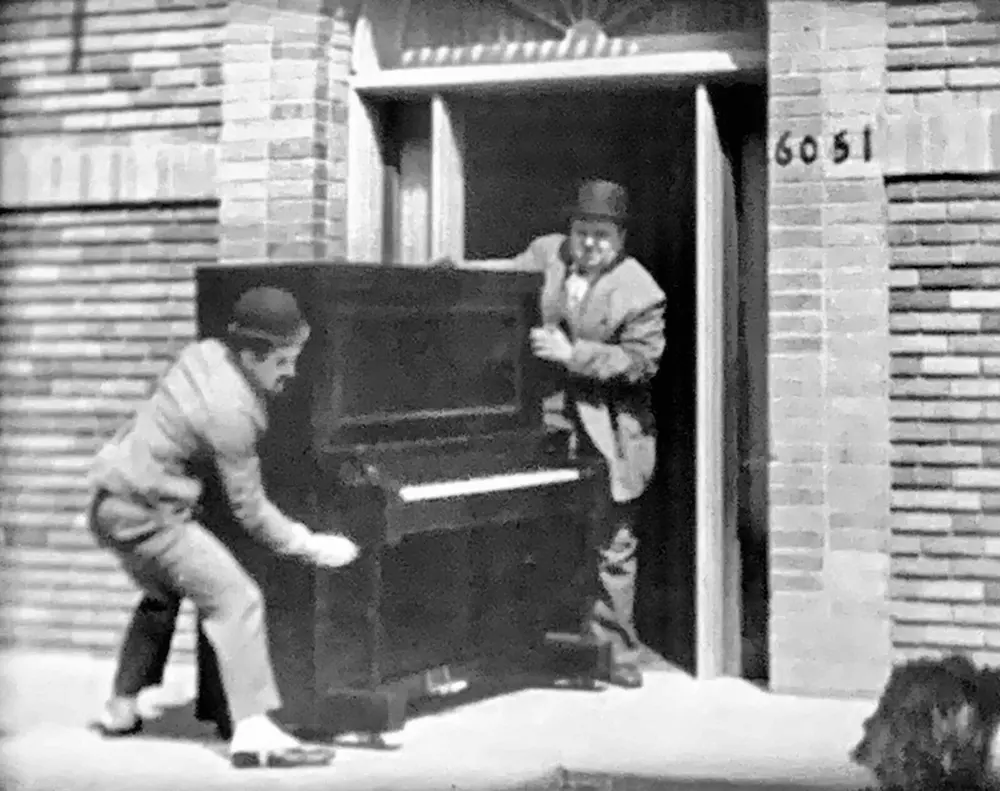
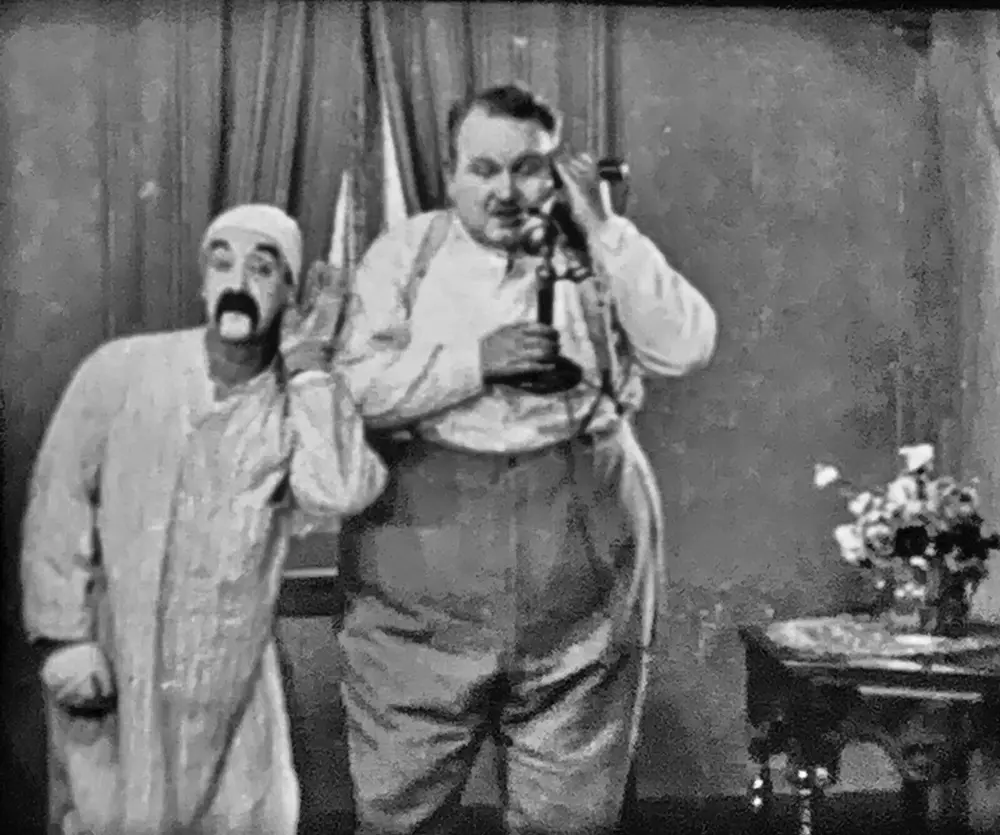
Scene from Double Trouble
Cinematic perspective: Exploring the visual vocabulary of Double Trouble (1927) through its definitive frames.
This film works because... it understands the fundamental power of physical comedy, delivering a relentless barrage of visual gags expertly performed by 'Snub' Pollard, whose rubbery physicality is the undeniable engine of its humor.
This film fails because... its narrative is exceedingly thin, serving merely as a flimsy framework for the gags rather than a cohesive story, which can feel repetitive and uninspired by today's standards.
You should watch it if... you are a devotee of early cinema, particularly the silent era's unique brand of slapstick, and wish to witness a skilled practitioner like Pollard in his element, unburdened by dialogue.
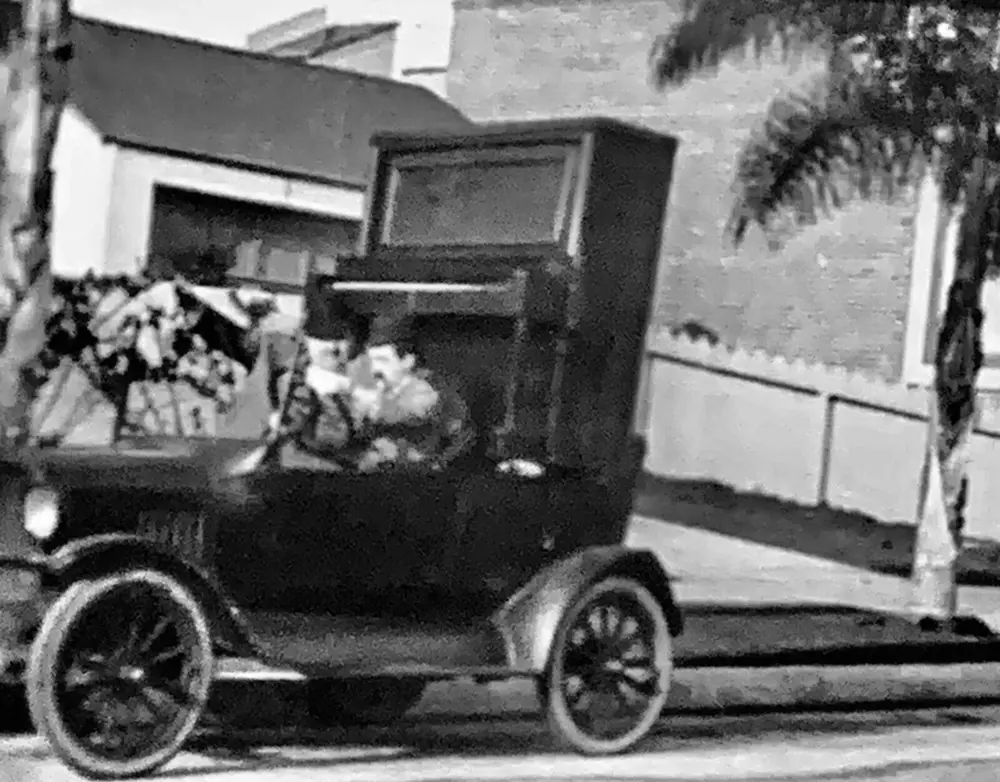
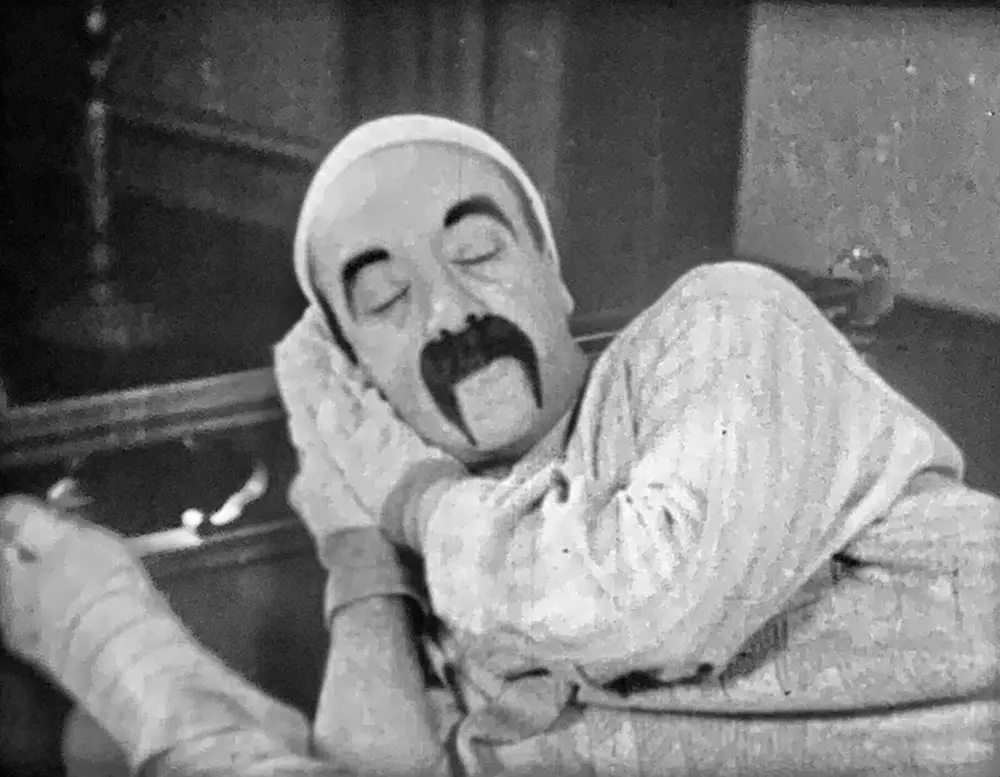
Scene from Double Trouble
Cinematic perspective: Exploring the visual vocabulary of Double Trouble (1927) through its definitive frames.
The Art of the Pratfall: Snub Pollard's Enduring Appeal
At the heart of Double Trouble lies 'Snub' Pollard, a name that, while perhaps less globally recognized than Chaplin or Keaton, was synonymous with a certain brand of frantic, often bewildered, slapstick during the 1920s. Pollard's performance here is a masterclass in controlled chaos. He possesses a unique ability to convey both earnestness and utter bewilderment simultaneously, a comedic tightrope walk that few could manage with such consistent success.
The film's direction, while uncredited for a writer, is clearly attuned to Pollard's strengths. The camera is often static, allowing the long takes to showcase the full breadth of his physical comedy. There's a particular sequence during the audition where Snub attempts a series of increasingly desperate dance moves, culminating in a spectacular, almost balletic, fall over a prop. This isn't just a simple pratfall; it's a carefully choreographed piece of physical theatre, designed to build tension before its inevitable, hilarious release. The timing is impeccable, a testament to Pollard's experience and the director's understanding of comedic rhythm.
The pacing is brisk, as one would expect from a short film of this era. There’s little time for exposition or character development; instead, the film hurtles from one comedic set-piece to the next. This relentless energy is both a strength and a weakness. It ensures that the audience is rarely bored, but it also prevents any moment from truly resonating beyond its immediate comedic impact. Unlike the more character-driven shorts of Laurel and Hardy, or the narrative ambition of Keaton's features, Double Trouble is content to be a vehicle for gags, and it embraces that identity with joyful abandon.
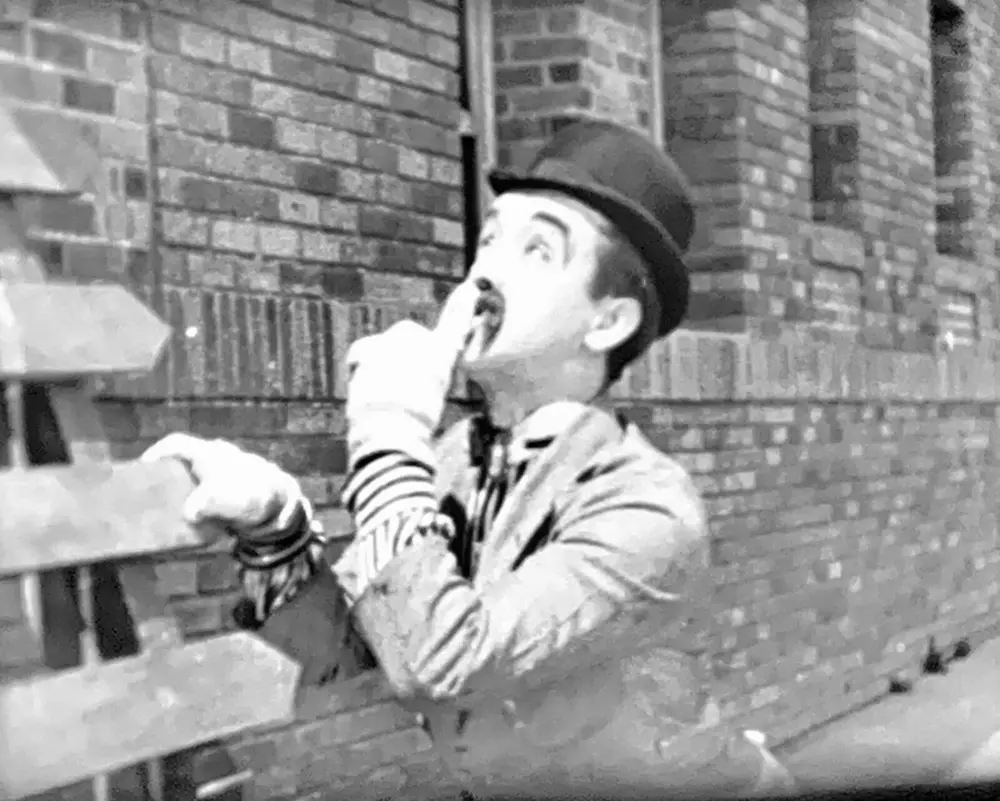
Scene from Double Trouble
Cinematic perspective: Exploring the visual vocabulary of Double Trouble (1927) through its definitive frames.
Character and Chemistry: A Duo's Dynamic
Pollard is ably supported by Jack 'Tiny' Lipson as Fat, his roommate and comedic foil. The dynamic between Snub and Fat is classic silent comedy pairing: the wiry, energetic, often put-upon lead and his larger, more grounded, but equally inept companion. Their shared struggles as vaudevillians attempting to land an audition form the initial, rather thin, premise of the film. It's a relationship built on unspoken understanding and mutual exasperation.
Their interactions, while lacking dialogue, are rich with non-verbal communication. A shared glance, a frustrated sigh, a physical shove – these are the building blocks of their camaraderie and conflict. The scene where they prepare for their audition, each trying to outdo the other in their clumsy attempts at showmanship, highlights this chemistry. Fat’s exasperated reactions to Snub’s increasingly outlandish antics are as crucial to the humor as Snub's antics themselves. It’s a simple, effective pairing that recalls the timeless duos of the era, even if it doesn't quite reach the iconic status of a Innocent Husbands or a Boomerang Bill.
The supporting cast, including Jean Douglas and Harry Martell, largely serves as backdrop or additional targets for the protagonists' comedic blunders. The chorus girls, for instance, are depicted with a wonderfully cynical world-weariness, their disdain for Snub and Fat's amateurish act palpable even without a single spoken word. Their collective eye-rolls are a silent punchline in themselves, effectively amplifying the protagonists' comedic failures.
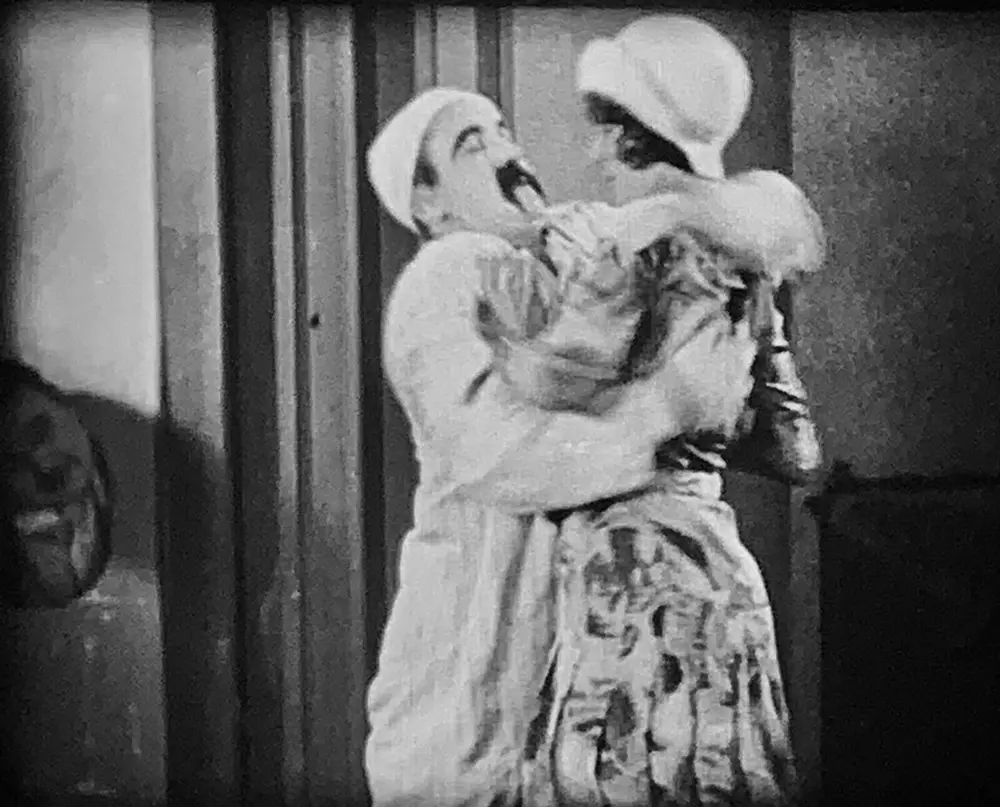
Scene from Double Trouble
Cinematic perspective: Exploring the visual vocabulary of Double Trouble (1927) through its definitive frames.
Visual Storytelling and the Gags That Land
Cinematography in Double Trouble is functional rather than flashy. It's a straightforward approach, prioritizing clarity of action over artistic flourishes. The camera is typically positioned at a medium distance, allowing the audience to fully appreciate the physical gags in their entirety. There are no elaborate tracking shots or complex camera movements; the focus remains squarely on the performers and their comedic predicaments. This simplicity is, in many ways, a strength, preventing any visual distractions from the primary goal of making the audience laugh.
The gags themselves are a mix of clever visual puns and classic slapstick tropes. The transition from aspiring vaudevillians to reluctant bill collectors provides a fresh canvas for new comedic scenarios. One particularly memorable sequence involves Snub attempting to repossess an item from a much larger, more aggressive individual. The escalating absurdity of this encounter, with Snub's desperate attempts to maintain control against overwhelming odds, is pure comedic gold. It’s a testament to the film’s ability to extract humor from everyday situations, albeit exaggerated to ludicrous proportions.
The film also makes effective use of props and environment. A rickety stage, an oversized prop, a cluttered apartment – these aren't just backdrops; they are active participants in the comedic chaos. The way Snub interacts with his surroundings, often inadvertently causing more trouble than he solves, is a core element of his comedic persona. This isn’t a film that relies on grand sets or intricate special effects; its magic lies in the inventive use of the mundane.
Scene from Double Trouble
Cinematic perspective: Exploring the visual vocabulary of Double Trouble (1927) through its definitive frames.
A Glimpse into Vaudeville and the Silent Era
Beyond its comedic value, Double Trouble offers a fascinating, albeit brief, glimpse into the entertainment landscape of the 1920s. The opening scenes depicting the vaudeville audition capture a sense of the era's performance culture – the hopefuls, the jaded onlookers, the often brutal reality of trying to make it in show business. While played for laughs, there's an underlying authenticity to the portrayal of these struggling artists.
It reminds us of a time when physical comedy was king, when a well-timed fall or an expressive facial contortion could elicit roars of laughter from an audience. This film, like many of its contemporaries, served as a vital form of escapism, providing lighthearted entertainment in an era of rapid social and technological change. It stands as a small but significant artifact of a bygone cinematic age, illustrating the raw, energetic beginnings of screen comedy before the advent of synchronized sound fundamentally reshaped the medium.
The shift from vaudeville to bill-collecting also subtly reflects the economic realities of the time. For many performers, the dream of the stage was often secondary to the necessity of earning a living, leading to unconventional career paths. This pragmatic pivot, while humorous in its execution, grounds the film in a relatable, if exaggerated, reality.
Is This Film Worth Watching Today?
Should I watch Double Trouble (1927)?
Yes, if you enjoy silent film. It's a short, brisk watch. It showcases classic slapstick humor. 'Snub' Pollard's performance is excellent. It offers a window into 1920s comedy. It's not for those who dislike silent movies. It lacks modern narrative depth. Don't expect a profound cinematic experience.
Pros and Cons
Pros:
Exceptional physical comedy from 'Snub' Pollard.
Brisk pacing keeps the gags coming.
Authentic glimpse into silent era humor and vaudeville.
Strong comedic chemistry between Snub and Fat.
Simple, effective visual storytelling.
Cons:
Extremely thin plot, almost non-existent.
Relies entirely on physical gags, which may not appeal to all.
Limited character development.
Can feel dated for audiences unfamiliar with silent film conventions.
Repetitive humor at times.
Key Takeaways
Best for: Silent comedy aficionados and film historians.
Not for: Viewers seeking modern narrative complexity or dialogue-driven humor.
Standout element: 'Snub' Pollard's incredibly agile and expressive physical performance.
Biggest flaw: Its almost aggressively simplistic plot, which feels more like an excuse for gags than a story.
Verdict
Double Trouble (1927) is a charming, if slight, piece of silent cinema. It works. But it’s flawed. Its primary value lies in its historical context and the sheer comedic talent of 'Snub' Pollard. He is the reason to watch this film, a whirlwind of expressive faces and improbable tumbles that consistently delivers genuine laughs. The film doesn't aim to be anything more than a vehicle for his particular brand of slapstick, and in that, it largely succeeds. It’s a film that demands an audience willing to meet it on its own terms – terms dictated by a bygone era of filmmaking where physical prowess and visual gags reigned supreme.
While it won't redefine your understanding of cinema or offer profound insights, it provides a valuable, entertaining snapshot of early screen comedy. It's a testament to the enduring appeal of well-executed physical humor, even nearly a century later. So, if you’re looking for a quick dose of vintage hilarity and want to experience the foundational genius of a lesser-known silent star, give Double Trouble a watch. Just don’t expect the narrative depth of The Light or the dramatic tension of Queen of Spades; this is purely for the laughs, and it delivers them with a confident, if boisterous, wink.