DbcultAccessing Vault...
Cult Review
Senior Film Conservator
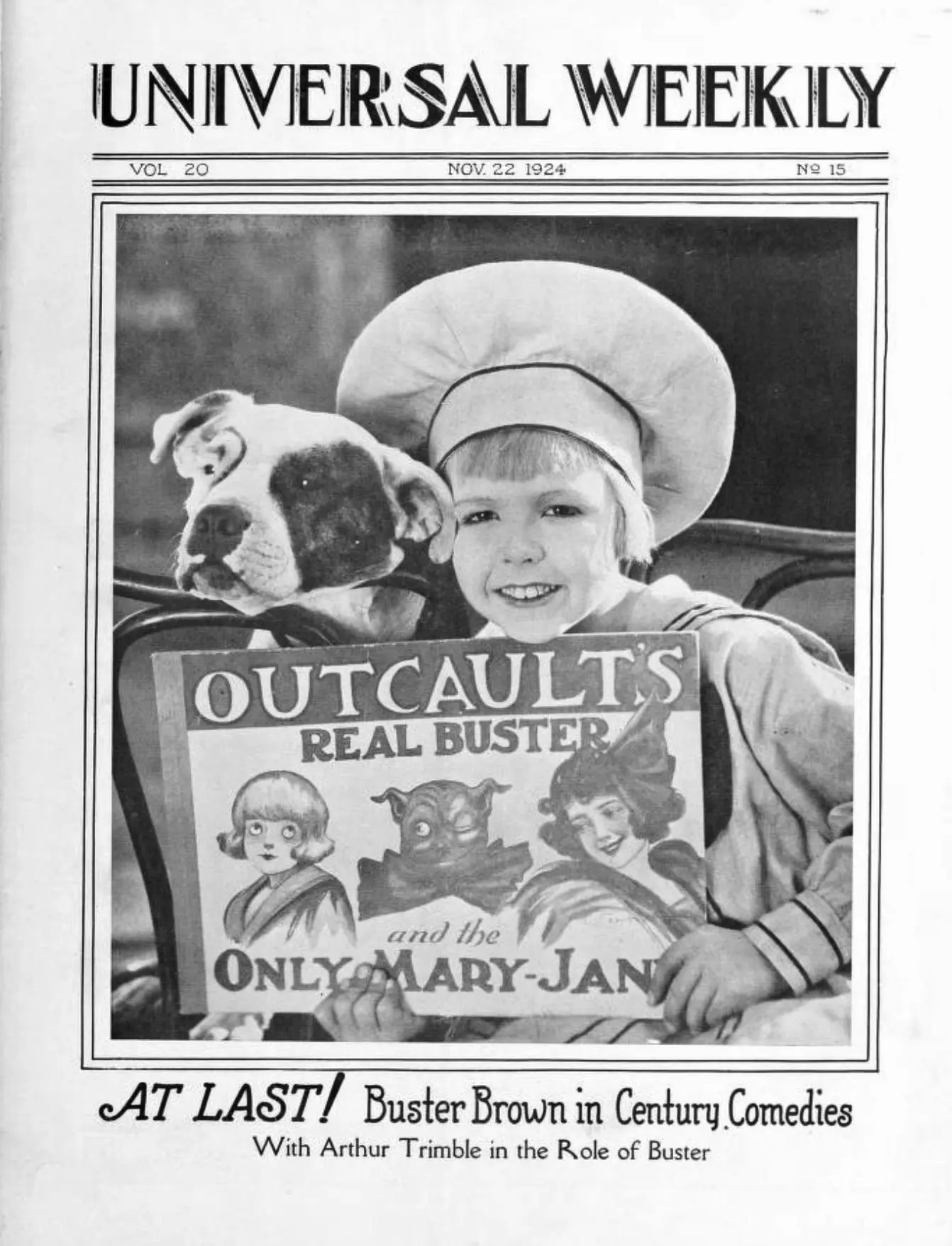
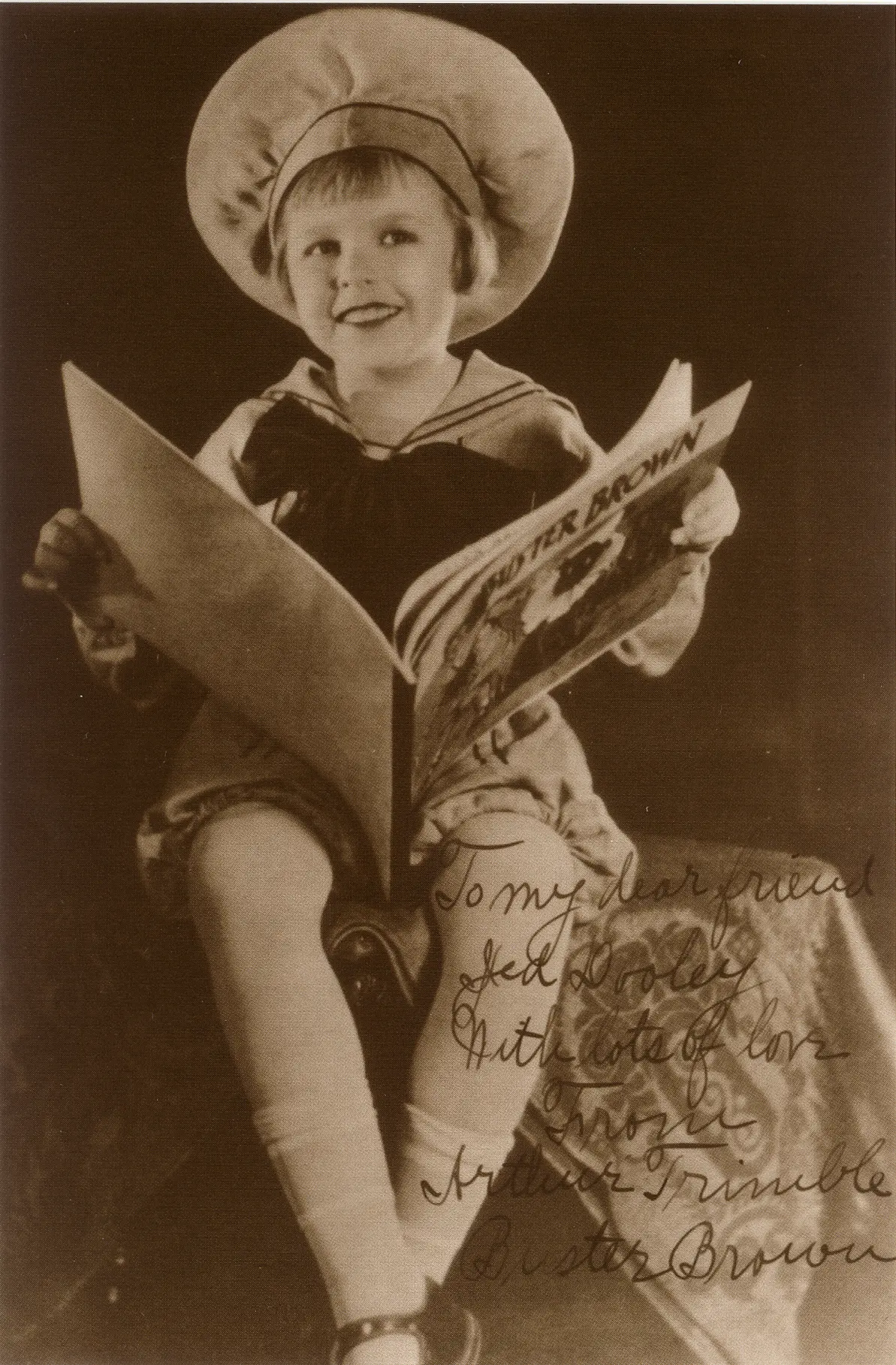
The 1920s represented a peculiar crucible for American humor, a decade where the transition from vaudevillian stagecraft to the silver screen allowed for a specific brand of visual hyperbole. Educating Buster, directed by the prolific Charles Lamont, serves as a fascinating specimen of this era’s penchant for translating sequential art into temporal mayhem. Based on the characters created by Richard F. Outcault, the film captures the quintessence of childhood rebellion against the burgeoning suburban and institutional norms of the early 20th century.
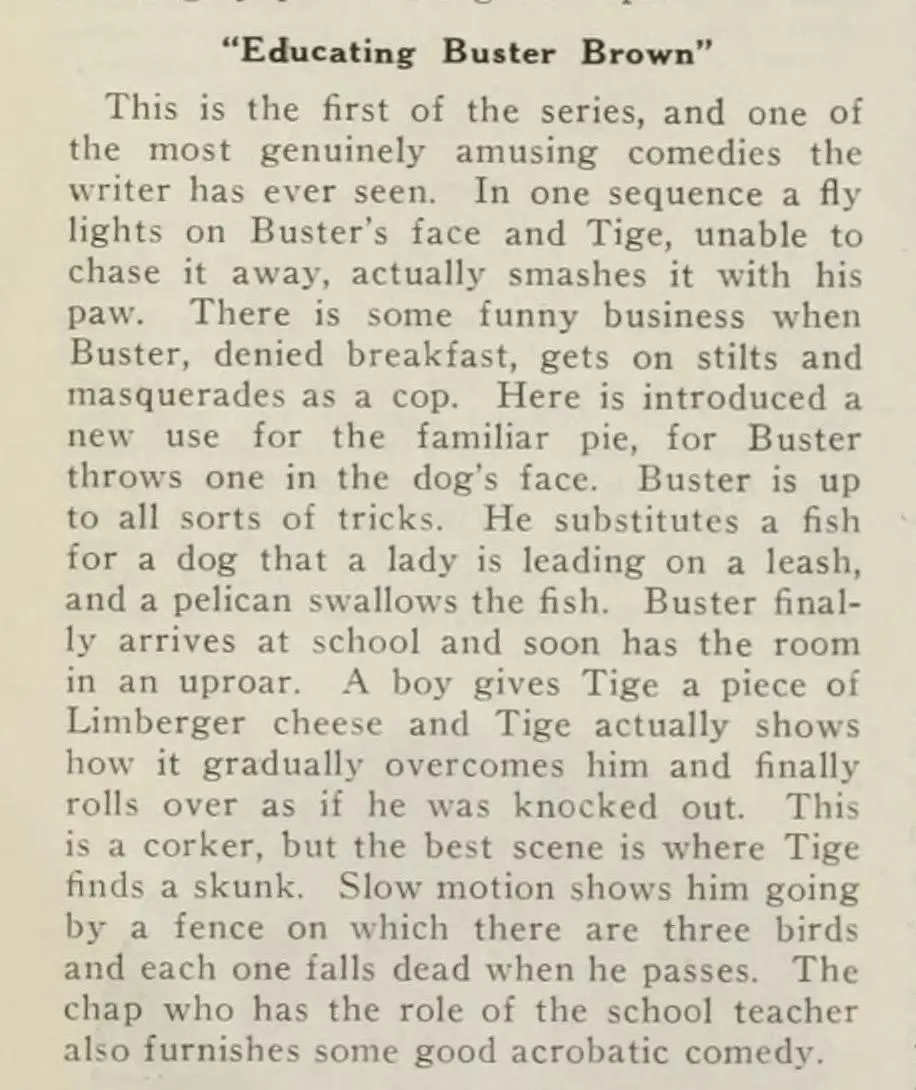
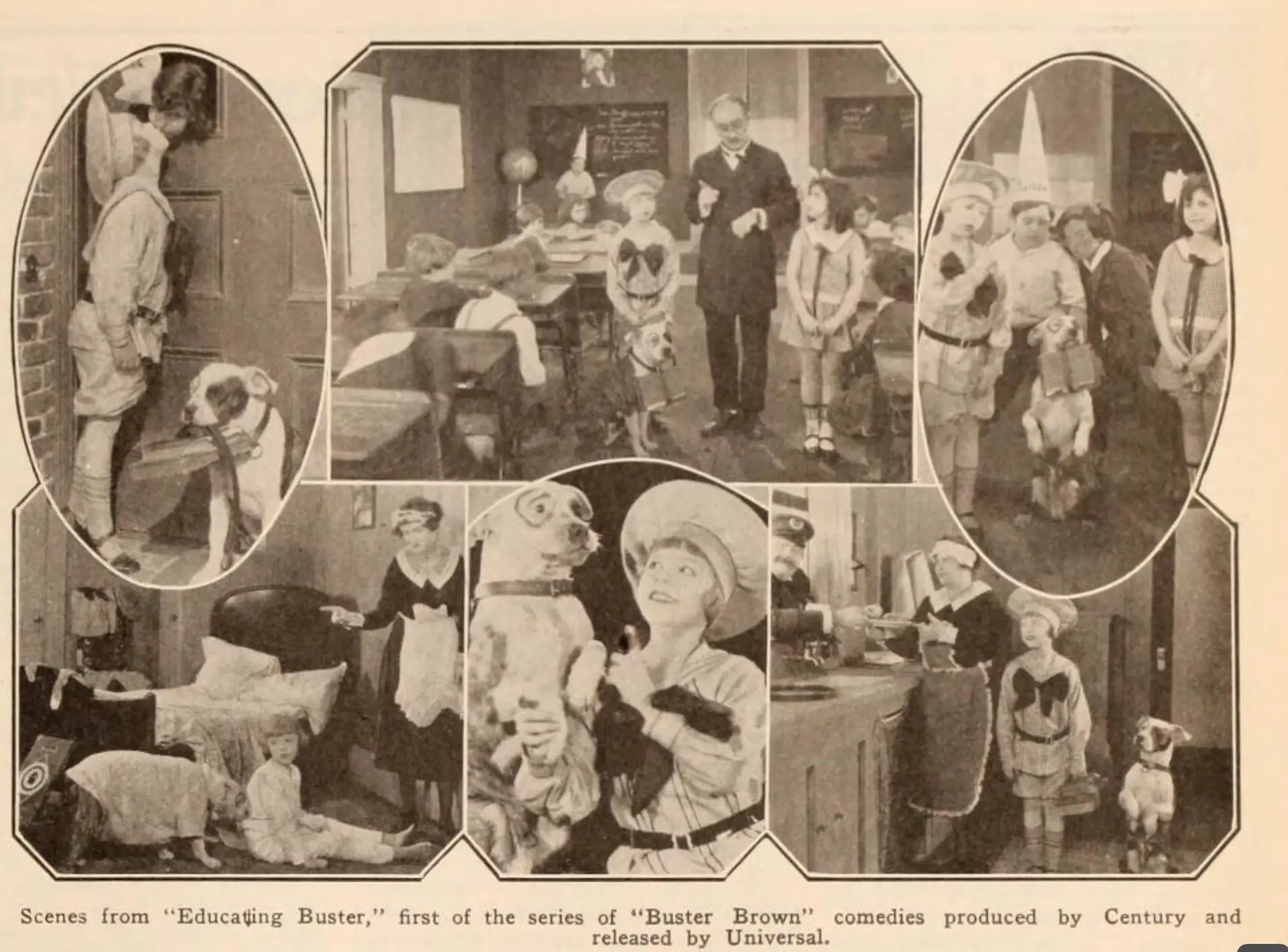
The film’s introductory sequence is a masterclass in silent-era economy. We witness a microcosm of domestic life: a boy and his dog. The fly, a diminutive antagonist, acts as the primary catalyst for movement. When the dog, Pal (credited as The Wonder Dog), attempts to assist Buster by crushing the insect against his master’s face, we see the foundational logic of the film—loyalty expressed through accidental violence. This sequence mirrors the physical comedy found in other contemporary works like The Runt, where the canine-human bond is both a source of comfort and a fountain of slapstick disaster.
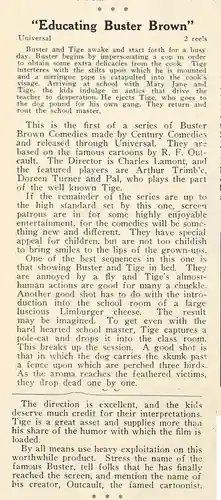
The transition from the bedroom to the exterior world introduces the film's most visually arresting gag: the stilt-walking impersonation. Buster’s decision to elevate himself—literally and figuratively—to the status of a policeman is a sharp satirical jab at authority. By donning the guise of a 'roundsman' to swindle a pie from the cook, the film explores the fluidity of identity. The stilts represent a precarious social ladder, one that is easily toppled by the very companion meant to protect him. When Tige bites at the stilts, the resulting trajectory of the pie into the cook’s face is not merely a gag; it is a rhythmic punctuation mark in a larger discourse on the instability of artifice.
As the narrative shifts to the classroom, Educating Buster enters a more structured environment, only to dismantle it with surgical precision. The schoolmaster, played with a delightful rigidity by the supporting cast, represents the Victorian hangover of discipline. Buster’s tardiness and his subsequent attempts to smuggle Tige into the room highlight the friction between natural instinct and institutional confinement. Unlike the more somber explorations of social entrapment seen in The Branded Woman, this film treats the 'trap' of the schoolroom as a playground for subversion.
The introduction of Limburger cheese is where the film transcends standard slapstick and enters the realm of the grotesque. In the silent medium, portraying a scent is a formidable challenge, yet Lamont succeeds through exaggerated reaction shots and a surrealist sequence where birds literally drop dead from a fence. This use of invisible forces to dictate physical action is a hallmark of high-tier silent comedy. The cheese becomes a weapon of mass disruption, a pungent protest against the sterile environment of the school. It is a biological agent of anarchy that levels the playing field between the adult oppressor and the youthful protagonist.
One cannot discuss this film without acknowledging the extraordinary performance of The Wonder Dog Pal. Animal acting in the 1920s was often hit-or-miss, frequently relying on off-camera cues that resulted in stiff, distracted movements. However, Pal exhibits a level of focus and comedic timing that rivals his human counterparts. Whether he is 'washing' himself at a fountain after a custard-pie bath or reacting with genuine nausea to the Limburger cheese, his contributions are central to the film’s efficacy. His performance shares a certain kinetic DNA with the animals in Loose Lions, though with a much more refined, domestic charm.
The cinematography, while standard for the period, utilizes the depth of field in the schoolroom effectively. The 'giant cracker' (firecracker) gag under the teacher’s chair is framed to maximize the anticipation of the explosion. The viewer is positioned as a co-conspirator with Buster, watching the fuse burn with a mixture of glee and dread. This engagement with the audience’s sense of timing is what separates a mediocre short from a classic. The explosion is the ultimate catharsis, a literal shattering of the schoolmaster’s seat of power.
In the broader context of 1924 cinema, Educating Buster stands as a lighthearted counterpoint to the more dramatic or experimental fare of the year. While films like The Isle of the Dead delved into atmospheric horror, and Christopher Columbus attempted historical grandeur, Buster Brown shorts focused on the immediate, visceral joy of the prank. There is a purity in this focus. It doesn't aim for the psychological complexity of Green Eyes or the urban peril of Trapped by the London Sharks. Instead, it perfects the 'boy-and-his-dog' archetype that would resonate through decades of American media.
The film’s pacing is relentless. From the moment the fly appears to the final chaotic flurry of the cheese-induced riot, there is no wasted celluloid. This efficiency is partly due to the writing of Outcault and Lamont, who understood that in a short film, every movement must serve the punchline. The recurring motif of the 'false alarm'—seen in various forms in A False Alarm—is inverted here; the alarms are real, the chaos is earned, and the consequences are delightfully non-existent for our hero.
Why does a film about a stinky piece of cheese and a firecracker still resonate? Perhaps because it taps into a universal human desire to see the rigid structures of society—represented by the school and the law—unraveled by something as simple as a smell or a prank. Educating Buster is not just a relic of the silent era; it is a blueprint for the rebellious spirit of youth. It shares a thematic lineage with international works like Syndig Kærlighed in its depiction of societal friction, albeit through a much more comedic and accessible lens.
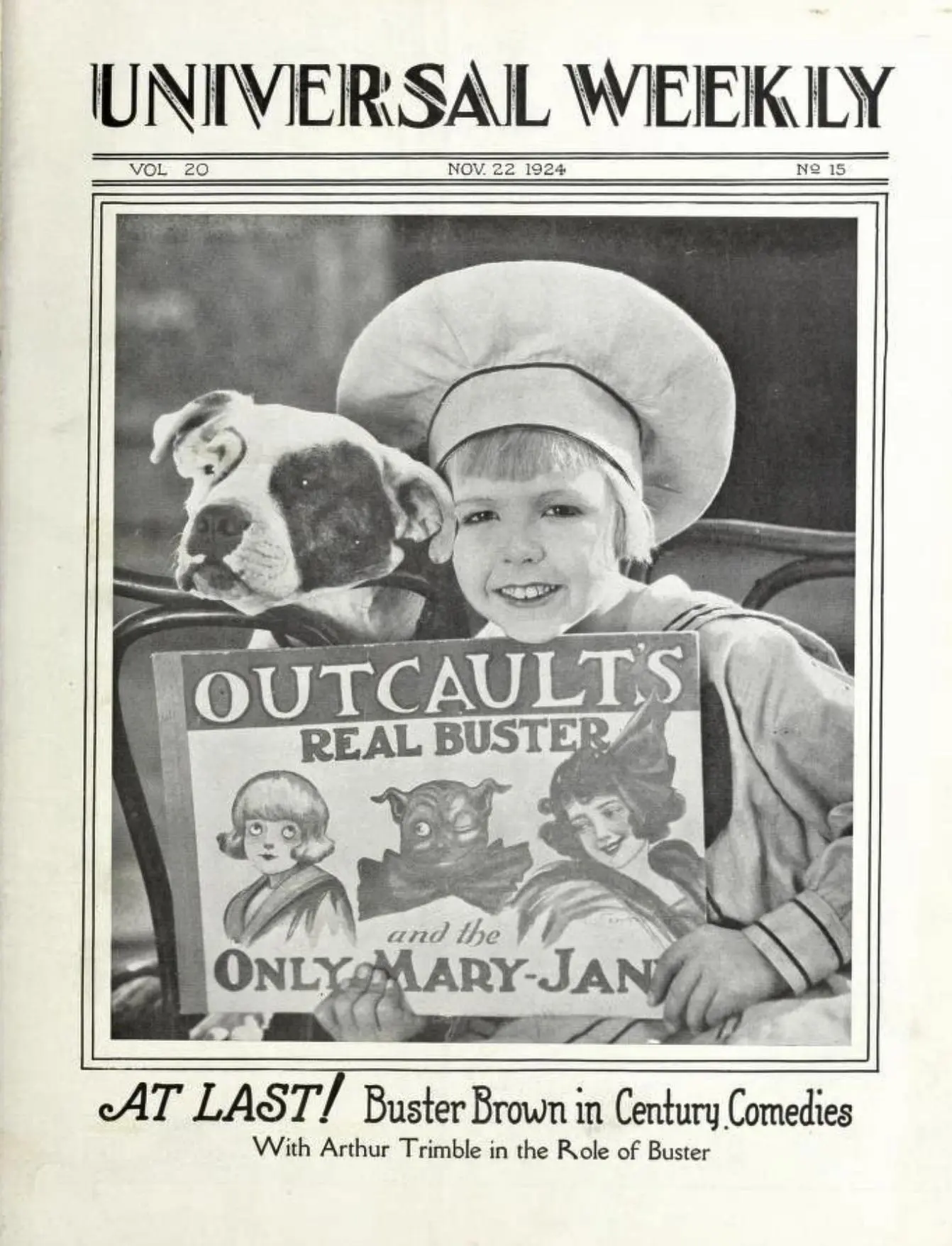
In the final analysis, the film is a testament to the power of the visual gag. It doesn't need intertitles to explain the revulsion caused by the cheese or the shock of the explosion. The actors—both human and canine—convey everything through a sophisticated language of gesture and grimace. Even in the crowded marketplace of 1920s shorts, where titles like Seven Bald Pates or Broadway Gold vied for attention, the Buster Brown series maintained a distinct identity through its blend of domesticity and destruction.
For the modern viewer, Educating Buster offers a window into a world that was simultaneously simpler and more physically inventive. It reminds us that comedy, at its best, is a form of education—not the kind found in textbooks, but the kind that teaches us how to laugh at the absurdity of our own rules. Whether compared to the silent dramas like Married in Name Only or the whimsical In a Naturalist's Garden, this film holds its ground as a foundational piece of American slapstick. It is a loud, smelly, and utterly joyous explosion of creativity that remains as potent as a Limburger-induced fainting spell.
IMDb 7
1932
Community
Log in to comment.