DbcultAccessing Vault...
7.1/10
Senior Film Conservator
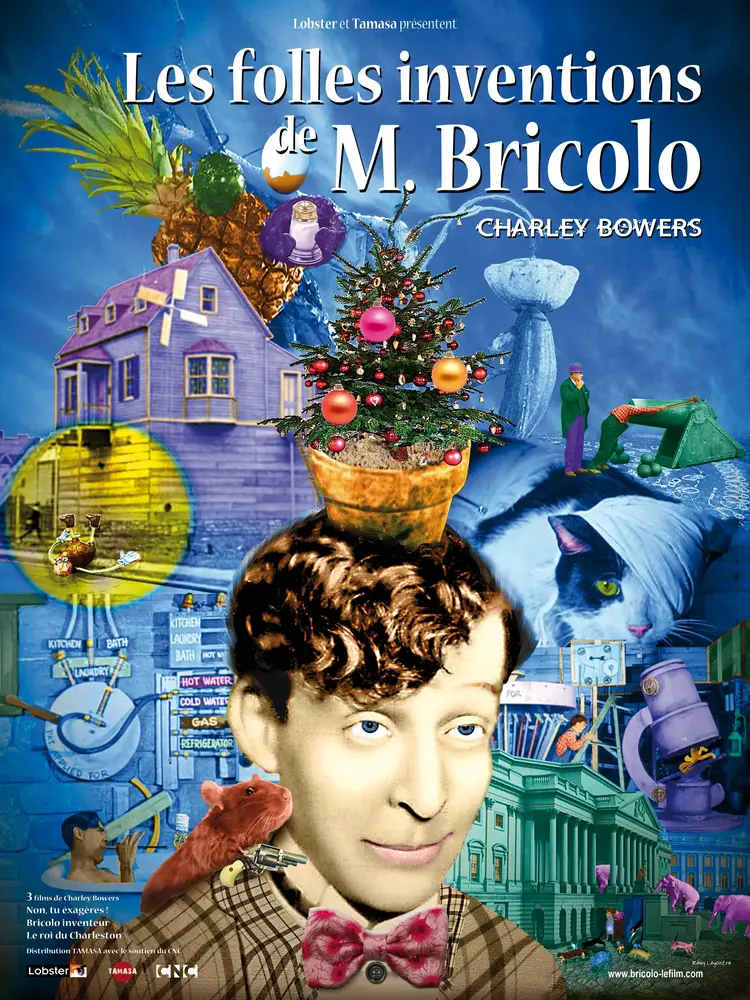
A definitive 7.1/10 rating for a film that redefined the boundaries of cult cinema. Now You Tell One remains a cornerstone of transgressive art.
Is Charley Bowers’ 1926 oddity Now You Tell One still worth a look in an era of seamless digital effects? Short answer: yes, but only if you prefer your comedy with a side of deranged mechanical logic. This film is a mandatory watch for anyone who thinks surrealism started with Dalí or that stop-motion began with Ray Harryhausen. It is absolutely not for those who demand a coherent, grounded plot or emotional character arcs.
This film works because it treats the impossible with a blue-collar, matter-of-fact sincerity that makes the visual gags hit harder. This film fails because the framing device of the Liars Club feels static compared to the kinetic madness of the inner narrative. You should watch it if you have an affinity for the 'uncanny valley' of early cinema and want to see a man grow a literal crop of cats.
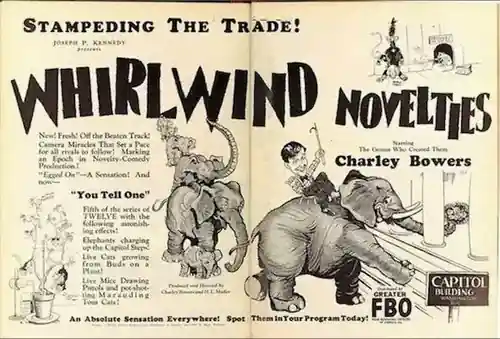
To understand Now You Tell One, you have to understand the man behind the 'Bowers Process.' While his contemporaries like Buster Keaton were jumping off moving trains, Charley Bowers was busy making inanimate objects behave like biological organisms. In this short, the central conceit is a grafting potion. It sounds like a simple gag, but Bowers pushes it to a point of obsessive detail. When he grafts a piece of a straw hat onto a plant, we don't just see a hat appear; we see the organic growth of headwear. It is unsettling. It is hilarious. It is deeply weird.
The specific scene involving the feline harvest is where the film earns its place in the surrealist hall of fame. Charley grafts a cat's tail to a plant, and soon, a dozen cats are 'blooming' from the branches. This isn't just a trick; it’s a nightmare disguised as a joke. The way the stop-motion cats move—jittery, slightly off-tempo, and entirely alien—creates a texture that modern CGI simply cannot replicate. It feels tactile. You can almost smell the dust on the film stock.
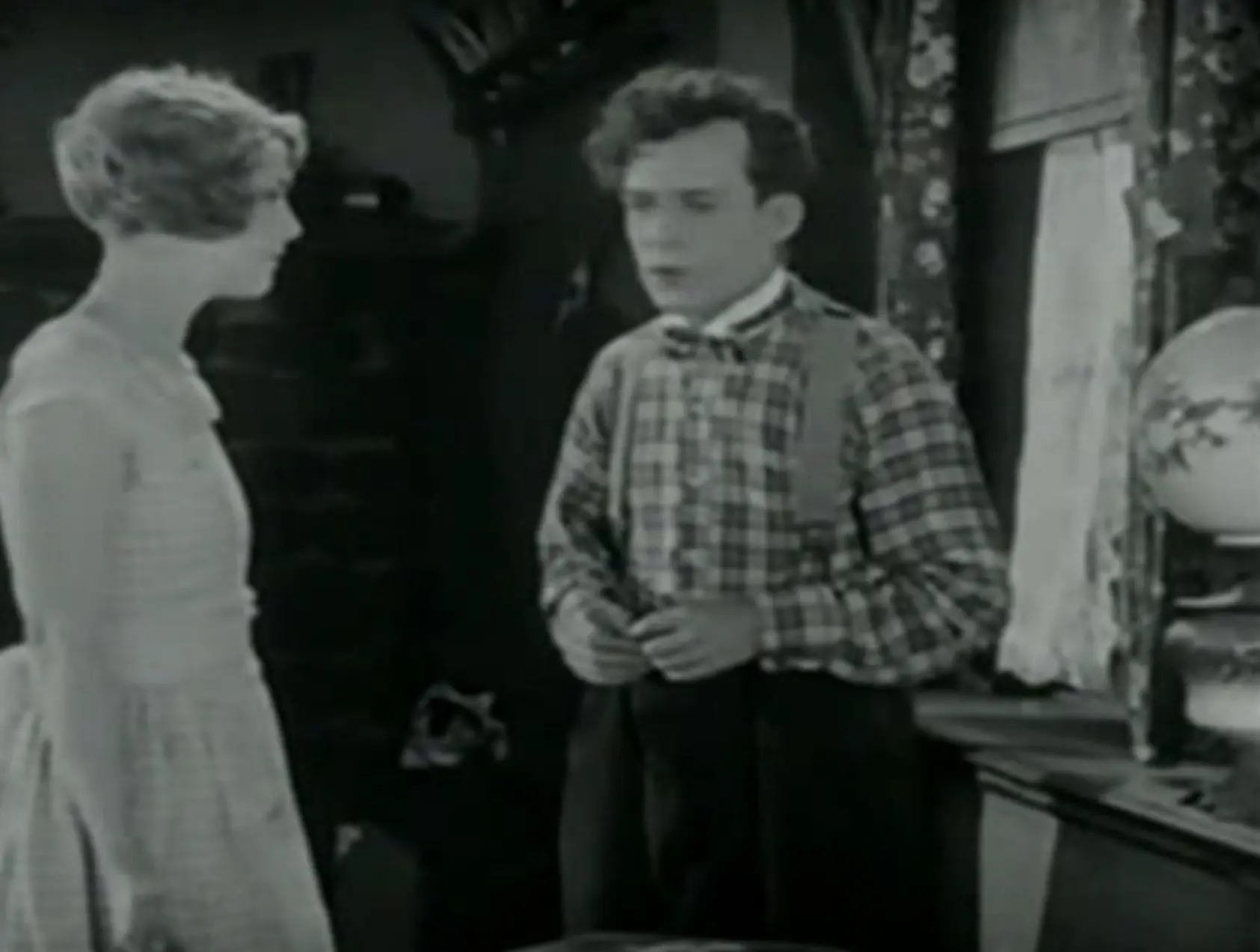
Yes, Now You Tell One is worth watching because it represents a bridge between traditional slapstick and avant-garde surrealism. It offers a unique visual experience that remains technically impressive nearly a century later. If you value creativity over narrative polish, this is a top-tier silent short.
The film uses the Liars Club as a framing device, a staple of early 20th-century Americana. However, Bowers subverts the tradition. Usually, a 'tall tale' is purely verbal. By visualizing these lies through revolutionary stop-motion, Bowers creates a cognitive dissonance. We are seeing the lie manifest as reality. Compared to other shorts of the era like His Own Medicine, which relies more on situational comedy, Now You Tell One is an exercise in pure imagination.
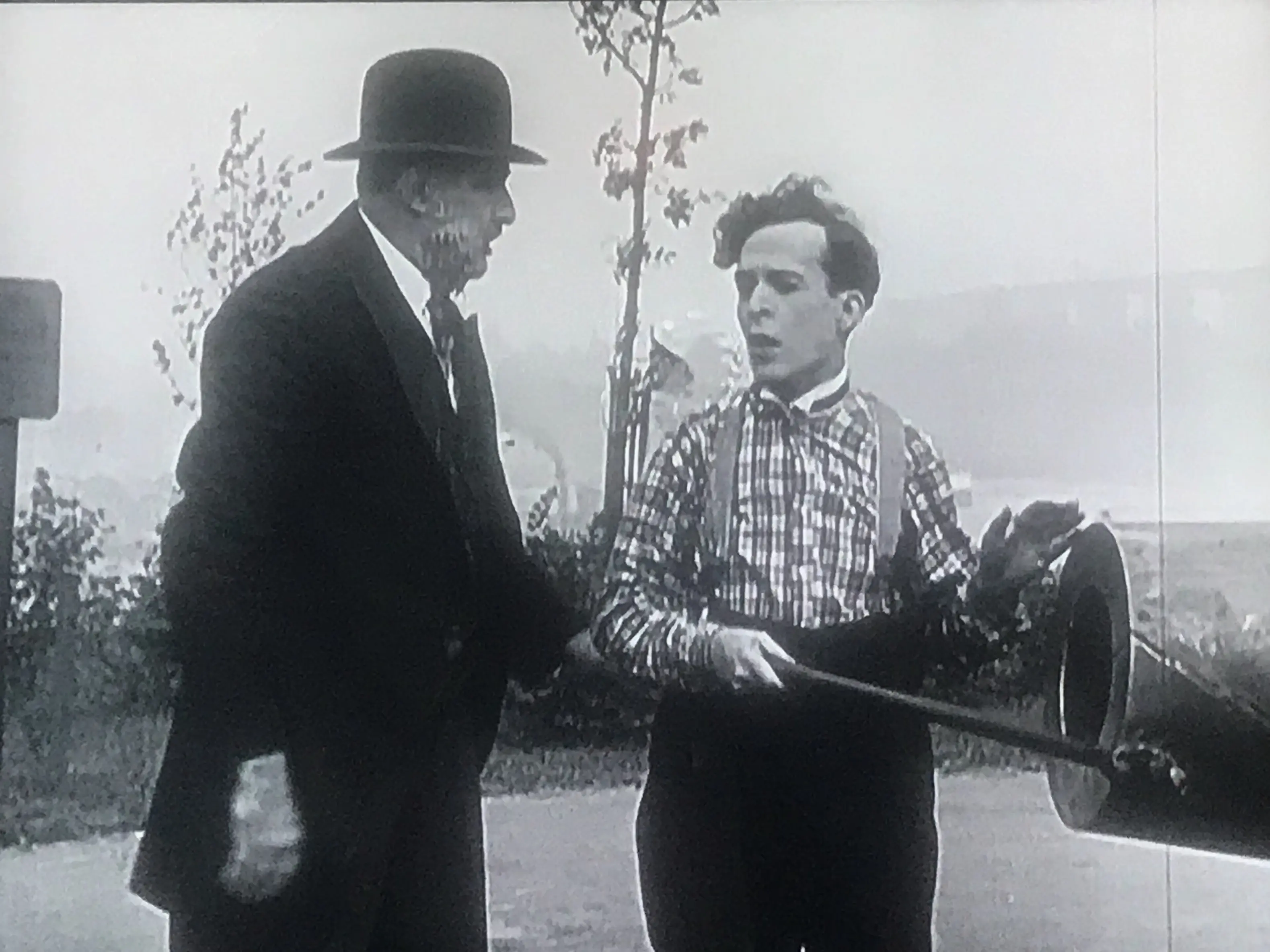
The pacing is frantic, almost breathless. Once the grafting begins, the film stops trying to be a 'movie' and starts being a demonstration of god-like power over the frame. There is a moment where he grows eggs that hatch into fully formed, salt-shaker-wielding birds. It’s a throwaway gag, but it requires more technical effort than most entire feature films of 1926. This dedication to the 'bit' is what separates Bowers from his peers. He wasn't just a comedian; he was a mad scientist of the lens.
The cinematography in Now You Tell One is functional during the live-action sequences but becomes visionary during the animation. Bowers uses a locked-down camera to ensure the 'growth' of his objects looks seamless. This rigidity actually adds to the comedy. By keeping the frame still, the absurdity of the growing objects becomes the sole focus. It forces the viewer to confront the impossibility of the image.
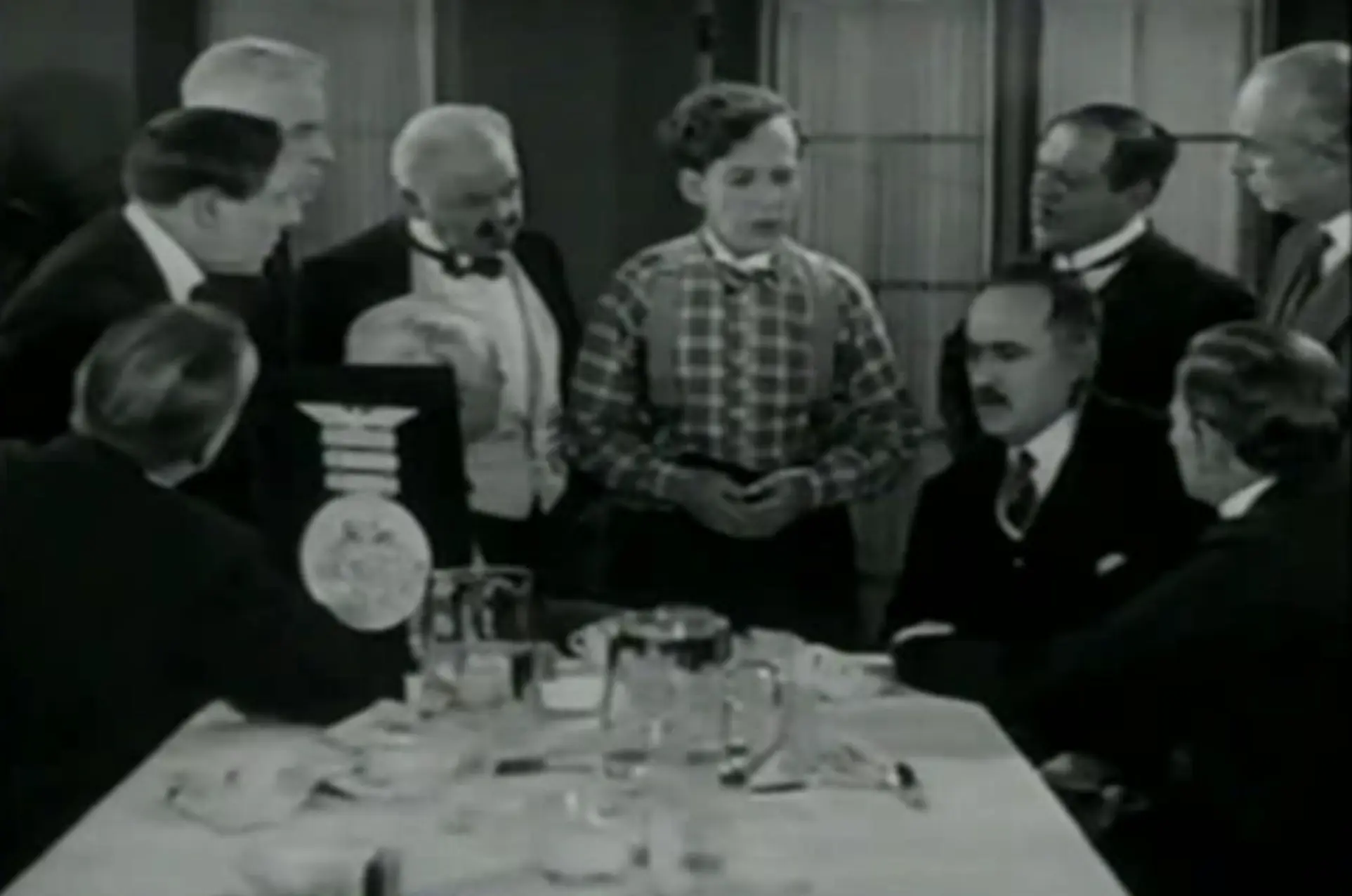
The pacing, however, is where the film shows its age. The opening minutes in the Liars Club drag slightly. We see a series of men telling mediocre lies, and while this sets the stage for Charley’s grand entrance, it feels like a delay of the main event. But once Charley starts talking, the film shifts gears into a high-octane fever dream. It’s a jarring transition, but an effective one. It makes the 'real' world look drab and the 'lied' world look vibrant.
For decades, Bowers was a footnote in film history, overshadowed by the giants of the silent era. But watching Now You Tell One alongside something like Felix Goes West, you see a clear evolution of visual wit. Bowers wasn't interested in the character-driven pathos of Chaplin. He was interested in the malleability of reality. In many ways, his work is more relevant today than many of his contemporaries because it mirrors our own digital obsession with altering the world around us.
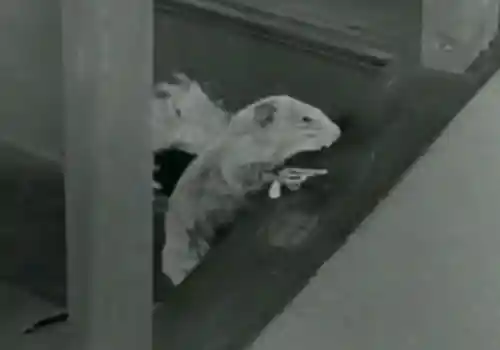
The film’s tone is hard to pin down. It’s not exactly 'funny' in a laugh-out-loud way. It’s more 'funny' in the way a magic trick is funny—you laugh because your brain is trying to process a contradiction. When Charley produces a full-grown cat from a bush, the humor comes from the sheer audacity of the premise. It’s a punchline delivered with a straight face and a soldering iron.
Pros:
Cons:
Now You Tell One is a masterclass in visual fabrication. It is a film that refuses to be contained by the technology of its time. While the narrative is thin—essentially a series of 'look at this' moments—the 'this' in question is so inventive that it doesn't matter. Charley Bowers was a man ahead of his time, or perhaps a man from a different timeline altogether. It works. But it’s flawed. The flaws, however, are just the dirt on the roots of a very strange and beautiful plant. If you want to see what cinema looks like when it stops trying to mimic life and starts trying to invent it, watch this film. It is a 20-minute jolt of pure, unadulterated imagination that puts modern blockbusters to shame.
IMDb —
1923
Community
Log in to comment.