DbcultAccessing Vault...
Cult Review
Senior Film Conservator
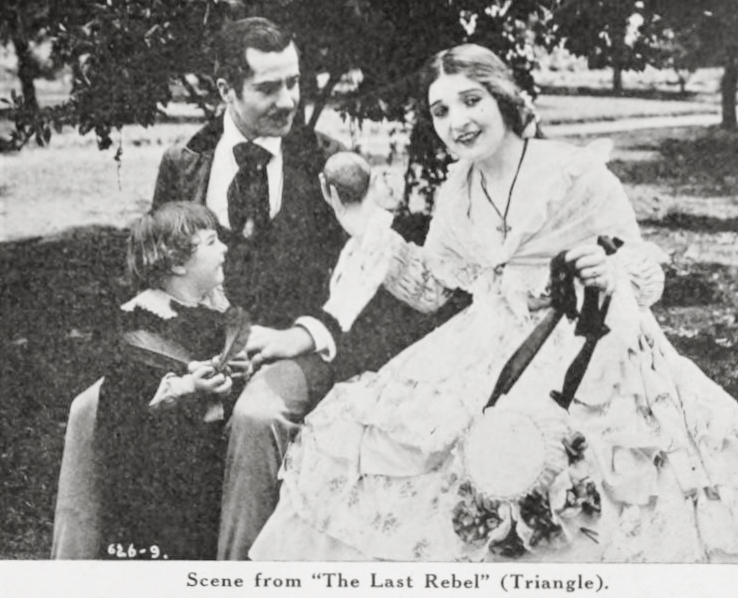
There's an undeniable allure in revisiting the silent era, a profound theatricality that speaks volumes without uttering a single audible word. "The Last Rebel," a 1918 cinematic artifact penned by the imaginative duo George Elwood Jenks and Hapsburg Liebe, offers precisely such an immersive journey into the past. Yet, its significance transcends mere historical curiosity; it presents a timeless dissection of human emotion and societal upheaval, daring to confront the lingering specter of the American Civil War not through grand battlefield spectacle, but through the intensely intimate, agonizing lens of fractured families and hearts rent asunder. Released in an era still grappling with the recent memory of the Great War, this narrative offered audiences a poignant reflection on how historical scars shape individual destinies, serving as a powerful testament to the enduring human capacity for both vengeance and, ultimately, redemption.
At its very core, "The Last Rebel" unfolds as a saga steeped in allegiance and betrayal, ignited by the inferno of the Civil War. The Appersons and Batesfords, once paragons of Southern camaraderie, find their deep-seated bond irrevocably sundered when Harry Apperson, portrayed with a compelling blend of conviction and pathos, makes the audacious choice to side with the Union. This act of perceived treason, a stark divergence from the prevailing sentiment of his Carolina home, is met with an almost visceral scorn by his fiancée, Cora Batesford. Her subsequent, impulsive marriage to Harry's rival, Jack Batesford, transcends mere jilted lover's pique; it crystallizes into a symbolic act of defiance, a hardening of the Southern spirit against what she views as an unforgivable betrayal. This initial rupture sets the stage for a dramatic narrative spanning fifty years, illustrating with stark clarity how a single historical moment can ripple through generations, shaping identities and forging animosities that stubbornly refuse to dissipate.
The film masterfully portrays how personal relationships become agonizing collateral damage in the grander tapestry of national conflict. Cora's decision, though undeniably fueled by passion and pride, is deeply indicative of the societal pressures and ideological fervor that gripped the South. It's not simply a love triangle; it's a microcosm of a nation tearing itself apart, where even the most sacred bonds of friendship and love are sacrificed at the altar of unwavering ideology. The emotional weight of this opening act is palpable, laying a foundation of bitter resentment that informs every subsequent interaction. One can readily imagine the dramatic close-ups of Lucretia Harris, likely as Cora, her condemning gaze conveying profound disdain, or Joe King, embodying Harry, his resolute yet heartbroken stance speaking volumes. Jack Curtis, possibly as Jack Batesford, would have exuded an opportunistic triumph, all contributing to a silent symphony of human drama where every gesture, every facial contortion, was painstakingly crafted to convey the tumultuous inner world of these characters.
Harry Apperson's subsequent journey West is a classic American narrative trope, echoing the post-Civil War migrations that saw countless individuals seeking new beginnings and fortunes beyond the scarred landscapes of the old South. His remarkable success, accumulating significant wealth over five decades, symbolizes the burgeoning industrial and entrepreneurial spirit of a rapidly modernizing nation. Yet, despite his prosperity and the vast distances traversed, the pull of his roots, the ancestral Carolina homestead, remains an unshakeable tether. This persistent longing for home, for a tangible connection to his past, drives his ultimate decision to return, not just for himself, but for his grandson, Jim.
This generational handover of a quest, a desire to reclaim what was lost, adds a layer of poignant depth to the narrative. It suggests that while fortunes can be made and lives rebuilt, some wounds, particularly those inextricably tied to land and legacy, demand a deeper, more profound form of healing. It’s a theme that resonates profoundly with other historical dramas of the era, such as The Upheaval, which similarly explored the profound impact of societal shifts on individual lives and the often-fraught process of adapting to new realities in the wake of conflict. Harry's journey is not merely one of economic advancement but an odyssey of the soul, a testament to the enduring human need for belonging and the desire to mend the rifts of history, even if it takes a lifetime.
Fifty years later, the stage is meticulously set for a generational echo. Jim Apperson, representing the future with his Western-forged resilience, arrives in the South to fulfill his grandfather’s profound longing. Here, he encounters Floribel, Cora Batesford’s granddaughter, a woman still deeply steeped in the inherited animosity towards the Apperson name. Floribel, despite her family's dramatically diminished circumstances—the Batesford estate now imperiled by the insidious machinations of the unscrupulous mortgage broker Pensinger Gale—clings fiercely to her pride and the ancestral grudge. Her initial refusal of Jim's well-intentioned assistance is a powerful demonstration of how deeply ingrained historical resentments can become, almost a genetic memory passed down through the bloodline. This stubborn pride, a characteristic often romanticized in Southern narratives, becomes both her formidable strength and her tragic, isolating flaw.
The narrative here cleverly intertwines the deeply personal with the systemic. Pensinger Gale embodies the predatory capitalism that often preyed on vulnerable families in the aftermath of economic hardship, a theme not dissimilar to elements found in films like Graft, which frequently depicted the darker underbelly of ambition and financial manipulation in a rapidly industrializing America. Floribel's plight—losing her estate, failing to find suitable employment in another town, and ultimately contemplating suicide—highlights the precarious position of many women in that era, particularly those from once-prominent families stripped of their status. Her harrowing journey through despair is crucial; it’s the crucible that ultimately breaks down her inherited prejudice, forcing her to confront the stark reality of her situation beyond the protective veil of family pride. Jim's rescue isn't just a heroic act of chivalry; it's a profound symbolic intervention, pulling her back from the brink of self-destruction and, by extension, offering a lifeline to the fractured legacy of the South itself. This pivotal moment underscores the film's broader message: that genuine healing often begins at the point of greatest vulnerability, when old defenses finally crumble.
The climax of "The Last Rebel" arrives with a gesture of profound reconciliation: Jim presents Floribel with the deed to the Batesford estate as a wedding gift. This isn't merely a romantic overture, though it certainly carries that weight; it's a symbolic act of healing, a deliberate attempt to mend the schism that began half a century prior with Harry and Cora. By returning the land, Jim is not just giving Floribel her home; he is restoring her family's honor, rectifying a historical injustice, and, perhaps implicitly, apologizing for the grievances that drove their ancestors apart. It’s a powerful statement about the possibility of transcending historical animosities through love and unparalleled generosity, suggesting that true wealth lies not in accumulation, but in restoration, shared future, and the courage to forgive. This act elevates the film beyond a simple romance, transforming it into a poignant parable of national healing and intergenerational understanding. It reminds one of the dramatic, often life-altering sacrifices seen in films like A Wife's Sacrifice, where grand gestures frequently underscored profound emotional or moral turning points, redefining relationships and destinies.
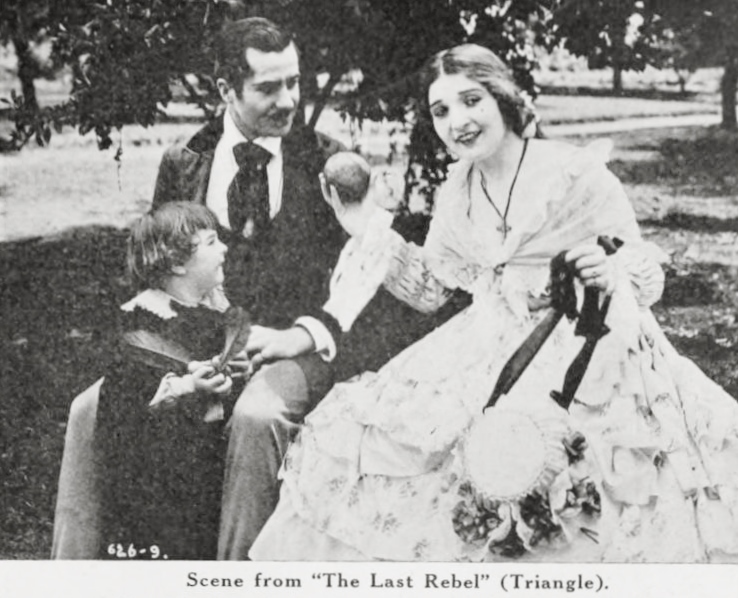
In the silent era, the immense burden of conveying complex emotions, intricate plot points, and nuanced character development fell squarely on the shoulders of the actors. Their every gesture, every flicker of an eye, every carefully choreographed movement, had to articulate internal states with absolute clarity. While specific details of individual performances from "The Last Rebel" are often lost to the mists of time or available only through contemporary, often brief, reviews, the ensemble cast—comprising Lucretia Harris, Joe King, Walt Whitman, Anna Dodge, Joseph Bennett, Belle Bennett, Jack Curtis, and Lillian Langdon—undoubtedly delivered the kind of expressive, often melodramatic, performances characteristic of the period. These actors relied on a rich repertoire of established acting techniques, honed to perfection, to bring the Jenks and Liebe script to vivid, wordless life.
One can vividly envision Lucretia Harris, likely as the proud, initially unforgiving Cora, her posture rigid with conviction, her facial expressions conveying staunch Southern loyalty and wounded pride. Her transformation, or rather, the enduring impact of her choices, would have been conveyed through subtle shifts in demeanor across the decades. Belle Bennett, as Floribel, would have had the particularly challenging task of portraying both inherited animosity and eventual vulnerability. The transition from fierce independence, fueled by ancestral hatred, to desperate despair, and finally to hopeful gratitude and love, would have required a nuanced, albeit physically demonstrative, performance. Her eyes, her slumped shoulders in defeat, her tentative smile of acceptance—all would have been critical in conveying her profound internal journey. Similarly, Floribel's journey through hardship might draw parallels to the struggles depicted in films like The Ragged Princess or The Outcast, where protagonists faced societal pressures and personal ruin.
Joe King, likely embodying Harry Apperson, would have needed to project both the unwavering conviction of his Unionist stance and the deep sorrow of his personal loss. His journey West and subsequent return would have been subtly conveyed through changes in his bearing—perhaps a newfound stoicism tempered by an underlying yearning for his past. Joseph Bennett, as Jim, the younger generation’s protagonist, would have projected a confident, modern sensibility, yet imbued with a deep respect for the past that motivates his actions. The antagonists, such as Jack Curtis as the rival Jack Batesford and the implicitly villainous Pensinger Gale (whose actor, though not explicitly listed, plays a crucial role), would have undoubtedly utilized exaggerated villainous tropes to ensure the audience understood their malevolent intentions without spoken dialogue. The success of silent films hinged entirely on this clear articulation of good versus evil, loyalty versus betrayal, through an expressive visual storytelling language. The ability of these performers to communicate such intricate emotional landscapes and complex character arcs without spoken words is an indelible testament to their craft and the unique, demanding artistry of early cinema.
"The Last Rebel" is richly imbued with thematic layers that transcend its specific historical setting. At its core, it explores the destructive power of inherited prejudice and the arduous, often painful, path to reconciliation. The film posits that while conflicts can tear societies and families apart, the fundamental human spirit ultimately yearns for unity and forgiveness. The stubborn pride of the Batesford family, particularly Floribel's initial, vehement refusal of aid, serves as a powerful symbol of the South's lingering resentment post-Civil War. It's a pride that, while admirable in its tenacity and fidelity to tradition, ultimately becomes self-destructive, pushing individuals to the very brink of ruin. This struggle between a stubborn adherence to the past and the existential necessity of moving forward is a universal theme, one that continues to resonate profoundly in societies grappling with historical injustices and the weight of collective memory.
Furthermore, the film delves deeply into the concept of legacy—not just of wealth or land, but of emotional inheritance and the burdens of ancestral memory. Harry Apperson's enduring desire to reclaim his homestead, and Jim's subsequent willingness to go to such extraordinary lengths for Floribel, speaks to a profound understanding that healing historical wounds requires active, conscious effort and, at times, significant personal sacrifice. It's a narrative that champions empathy over animosity, demonstrating unequivocally that breaking cycles of hatred often requires a courageous act of generosity and a willingness to see beyond past grievances. This echoes the sentiment found in other dramas exploring the human cost of conflict and the moral dilemmas it creates, such as The Battle of Life, where characters frequently face choices that force them to weigh personal gain against collective well-being and the greater good. The film’s nuanced portrayal of these internal and external conflicts grants it a timeless quality.
The setting itself, the old Carolina homestead, transcends its role as a mere backdrop; it becomes a character in its own right, a silent repository of memories, both cherished and painful. Its reclamation is not merely a financial transaction but a spiritual one, symbolizing the profound potential for the South to heal its deep-seated wounds and integrate its complex past into a hopeful, unified future. The land, fertile and enduring, stands in stark contrast to the fleeting, yet deeply felt, animosities of human generations, offering a powerful promise of continuity, renewal, and the eventual triumph of reconciliation over division.
Released in 1918, "The Last Rebel" emerged during an intensely tumultuous period in global history. The world was in the agonizing throes of World War I, and American society was simultaneously grappling with its own internal divisions, the rapid pace of modernization, and the nascent stirrings of the Roaring Twenties. Films like this, which skillfully explored historical conflicts and their eventual resolution, likely offered a powerful form of catharsis or, perhaps, even didactic instruction to audiences of the time. The themes of national unity, reconciliation, and overcoming deep-seated animosities would have resonated with profound power among a populace acutely conscious of its recent entry into a devastating global conflict. The ability of cinema to reflect and, indeed, shape public sentiment was immense in these formative years, and "The Last Rebel" undoubtedly served as a cinematic mirror, reflecting the nation's anxieties while simultaneously projecting its aspirations for peace and unity.
The direction, while specific details are often sparse for films of this vintage, would have focused on clear, compelling visual narratives, employing techniques such as cross-cutting for dramatic effect, evocative close-ups to highlight emotional states, and panoramic shots to establish setting and convey scale. The inherent absence of spoken dialogue mandated an absolute reliance on nuanced body language, meticulous set design, and the judicious use of intertitles to advance the plot and convey crucial informational exposition. The writers, George Elwood Jenks and Hapsburg Liebe, crafted a narrative that, despite its occasional melodramatic flourishes—typical of the era—possessed a strong moral compass and a clear, compelling trajectory towards resolution. Their ability to weave a complex, multi-generational story within the inherent constraints of silent film storytelling is commendable, demonstrating a keen understanding of cinematic rhythm, visual pacing, and effective audience engagement. This film stands as a testament to the ingenuity and artistry of early filmmakers who, without the benefit of sound, managed to create narratives of immense emotional depth and resonance. Comparisons can be drawn to other silent epics of human struggle and triumph, such as La fièvre de l'or (The Gold Rush), which similarly relied on visual storytelling to convey grand narratives and human experiences.
"The Last Rebel" stands as more than just a historical curiosity; it is a potent reminder of cinema's enduring power to address profound societal wounds and champion the timeless values of forgiveness and understanding. While the specific historical context of the Civil War provides its intricate backdrop, the film's exploration of pride, prejudice, and the long, arduous road to reconciliation offers universal insights that remain relevant today. It reminds us, with compelling clarity, that the past, however painful or deeply entrenched, does not have to dictate the future, and that acts of profound generosity and empathetic understanding can indeed bridge the widest of historical divides. For contemporary audiences, it offers a fascinating glimpse into the storytelling conventions of early cinema and a timeless narrative about the complex, often contradictory, American experience. The film posits that true rebellion isn't in clinging stubbornly to old hatreds or immutable grievances, but in bravely forging a new path towards unity, much like Harry Apperson's initial rebellion against the prevailing Southern cause, which is beautifully recontextualized by his grandson's ultimate act of healing. It’s a compelling testament to the powerful idea that love, ultimately, is the most transformative force for change, capable of mending even the deepest historical rifts and forging a new, shared future. The film’s concluding message, that a shared future built on forgiveness can profoundly redeem a fractured past, resonates with an optimistic spirit, characteristic of a nation striving to define its identity and overcome its internal struggles in a rapidly evolving new century.
IMDb 6.6
1919
Community
Log in to comment.