DbcultAccessing Vault...
6.3/10
Senior Film Conservator
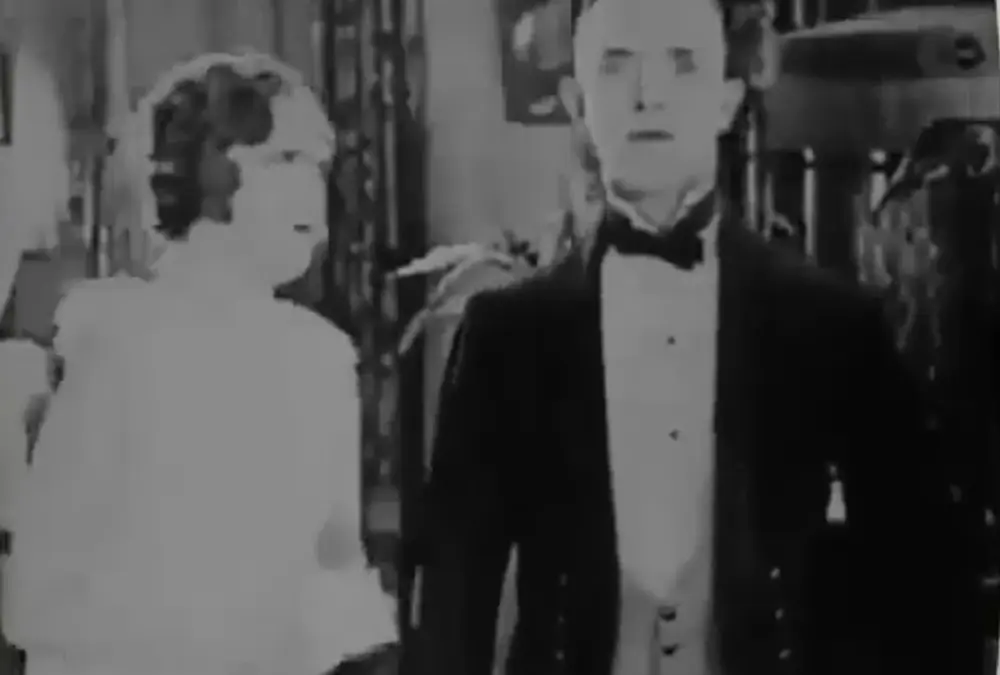
A definitive 6.3/10 rating for a film that redefined the boundaries of cult cinema. Eve's Love Letters remains a cornerstone of transgressive art.
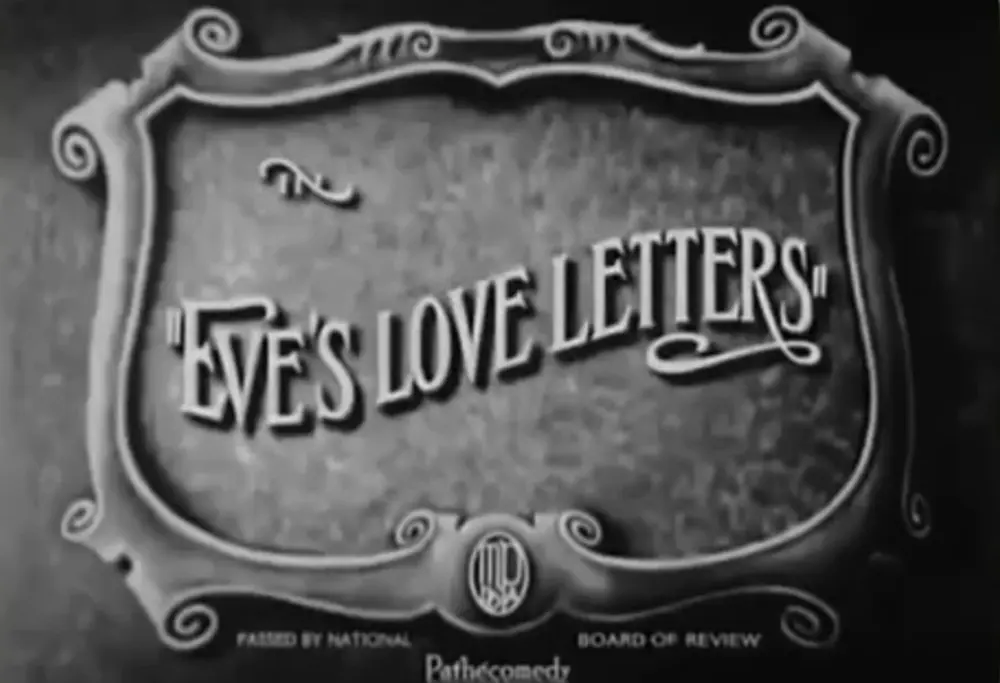
Is Eve's Love Letters worth your time nearly a century after its release? Short answer: yes, but only if you appreciate seeing a comedy legend in his larval stage.
This film is for silent comedy enthusiasts who enjoy the intersection of high-society melodrama and low-brow slapstick. It is not for modern viewers who lack the patience for the deliberate pacing of 1920s short-form storytelling.
1) This film works because Stan Laurel’s physical timing elevates a standard, almost cliché blackmail plot into something genuinely unpredictable.
2) This film fails because the tonal shift between Agnes Ayres’ sincere distress and the slapstick finale is jarring enough to cause narrative whiplash.
3) You should watch it if you want to see how the 'butler' archetype was perfected before it became a tired trope in Hollywood.
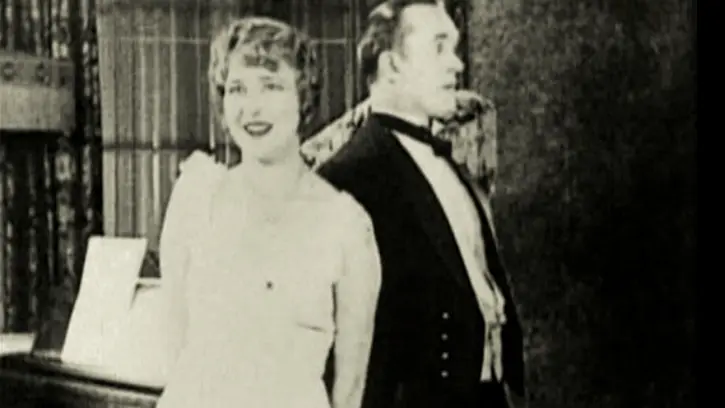
Eve's Love Letters occupies a strange space in the Hal Roach catalog. It starts as a tense drama about a woman’s reputation being held hostage by a ghost from her past.
Agnes Ayres brings a heavy, melodramatic weight to Eve. Her performance reminds one of the high-stakes emotionality found in The Right of Way.
When she discovers the blackmail plot, the film feels like a precursor to the noir genre. Then, Stan Laurel enters the frame, and the movie pivots entirely.
Laurel doesn't just play the butler; he plays the audience's release valve. His presence turns a tragedy into a farce. It works. But it's flawed.
Before he was half of the world's most famous comedy duo, Stan Laurel was a solo force of nature. Here, his character is the tactical engine of the plot.
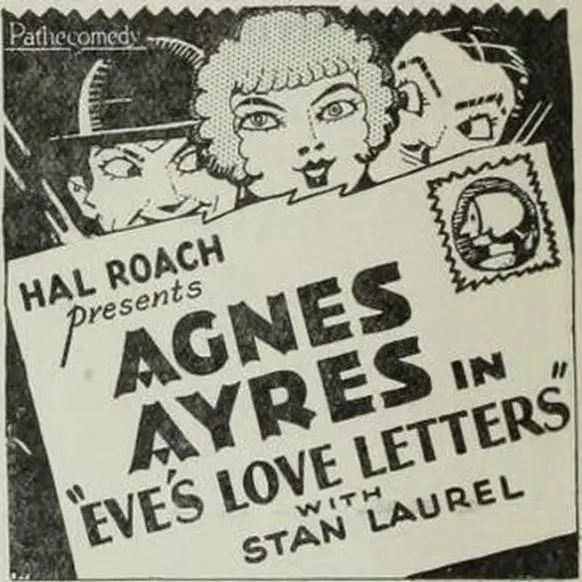
The scene where the butler and Eve hatch their plan is a masterclass in silent communication. Laurel uses his entire body to signal incompetence and brilliance simultaneously.
Consider the moment he attempts to infiltrate the blackmailer’s quarters. His movements are fluid yet jerky, a style he would later refine with Oliver Hardy.
This performance is far more energetic than his work in His Jonah Day. You can see him testing the limits of what a character can do with just a hat and a look.
Leo McCarey’s direction is invisible in the best way possible. He allows the actors to breathe within the frame, which was rare for 1927 shorts.
The pacing is surprisingly tight. Unlike the sprawling narrative of The Return of Peter Grimm, this film knows it only has 20 minutes to live.
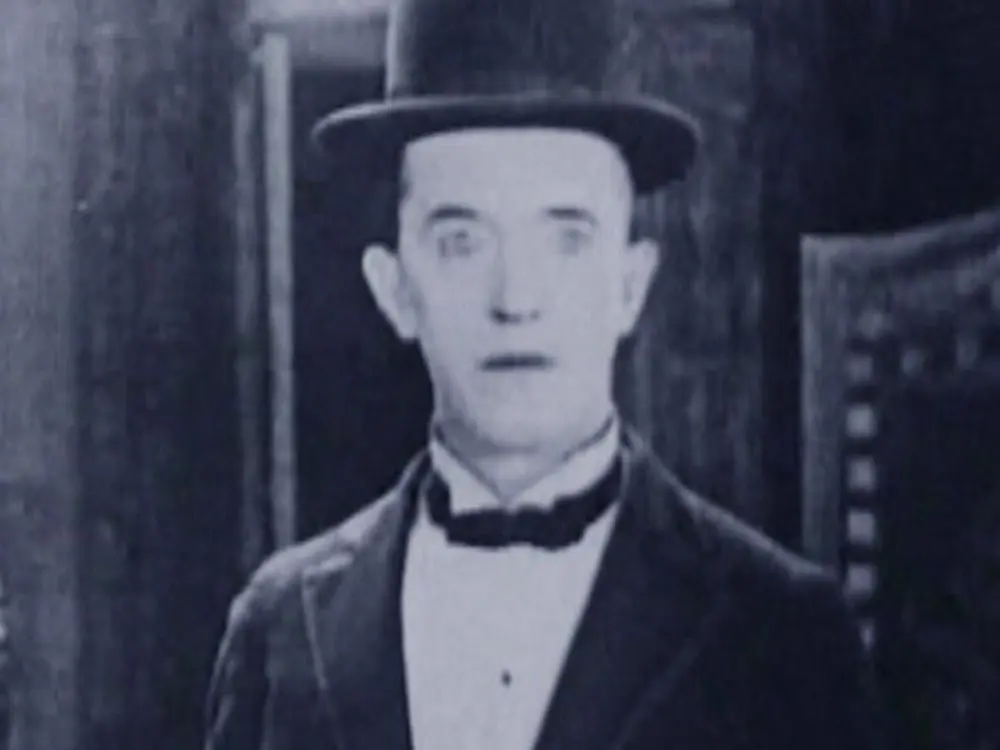
The use of title cards is minimal. McCarey trusts the physical acting to carry the weight of the blackmail threat.
One specific shot stands out: the close-up of the letters. They aren't just props; they are the monster in this domestic horror story.
The lighting in the hotel scenes creates a sense of claustrophobia. It’s a sharp contrast to the bright, airy estate of the opening act.
This visual transition mirrors Eve's descent from security into the murky world of her past. It’s a sophisticated touch for a comedy short.
The camera placement during the 'theft' sequence is particularly effective. It uses the depth of the room to hide and reveal characters at just the right moment.
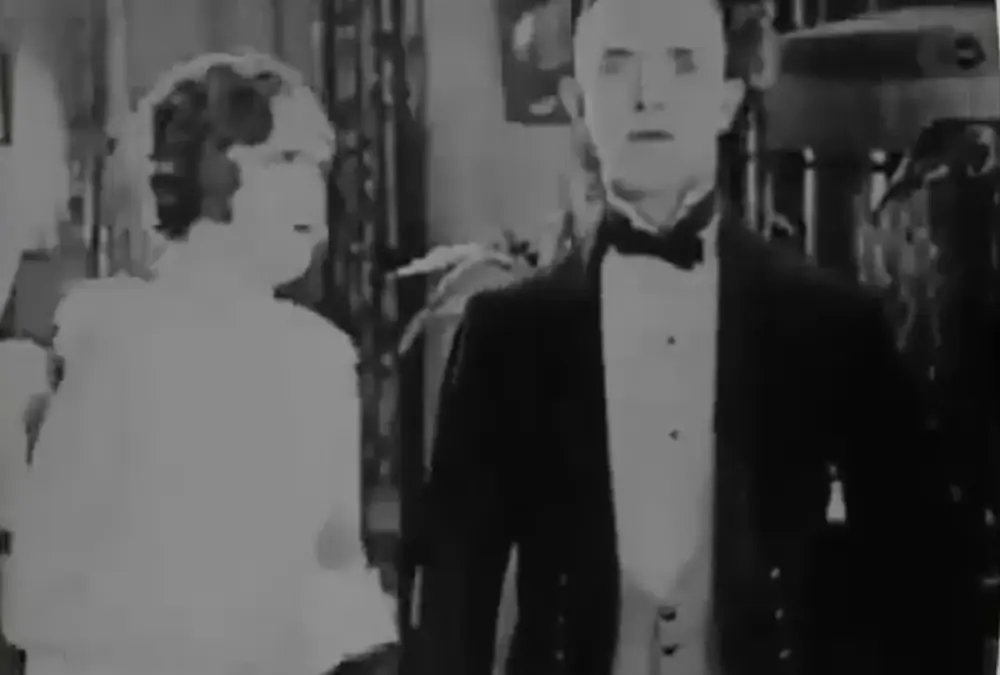
This level of technical precision is something often missed in other shorts like Keep Smiling. Here, the camera is a participant in the heist.
Yes, Eve's Love Letters is worth watching because it serves as a bridge between the Victorian melodrama and the Golden Age of slapstick. It provides a rare look at Stan Laurel's solo screen presence. The film remains engaging due to its short runtime and the genuine tension of its central conflict.
If there is a glaring weakness, it’s the husband. Forrest Stanley plays him with a stiff, unyielding boredom that makes you wonder why Eve cares so much.
His character is a plot device, nothing more. He exists only to be the person who *must not find out*.
In a more modern script, his reaction would be the climax. Here, he is just a ticking clock. It’s a bit of a letdown.
I’d argue the film would be stronger if the husband were more of a villain. Instead, he’s just a suit. A very well-tailored, empty suit.
Pros:
Cons:
What most critics miss is that the butler is effectively the 'man of the house' in this film. He is the one protecting the family unit, while the husband is oblivious.
There is a subtle subversion of class roles here. The 'help' is the only one capable of navigating the moral filth of the blackmailer’s world.
This makes the film more subversive than something like The Girl and the Graft. It suggests that the upper class is fragile and needs the working class to keep its secrets.
Eve's Love Letters is a fascinating artifact. It isn't a perfect film, but it is a necessary one for anyone studying the evolution of film comedy. It proves that a simple premise—a bundle of letters and a deadline—can sustain a film if the performers are top-tier. Stan Laurel is the glue that holds this together. Without him, it would be a forgettable melodrama. With him, it’s a frantic, delightful look at 1920s anxiety. It’s a minor classic that deserves a second look. Just don’t expect a deep character study of the husband. He’s just there for the ride.
IMDb —
1920
Community
Log in to comment.