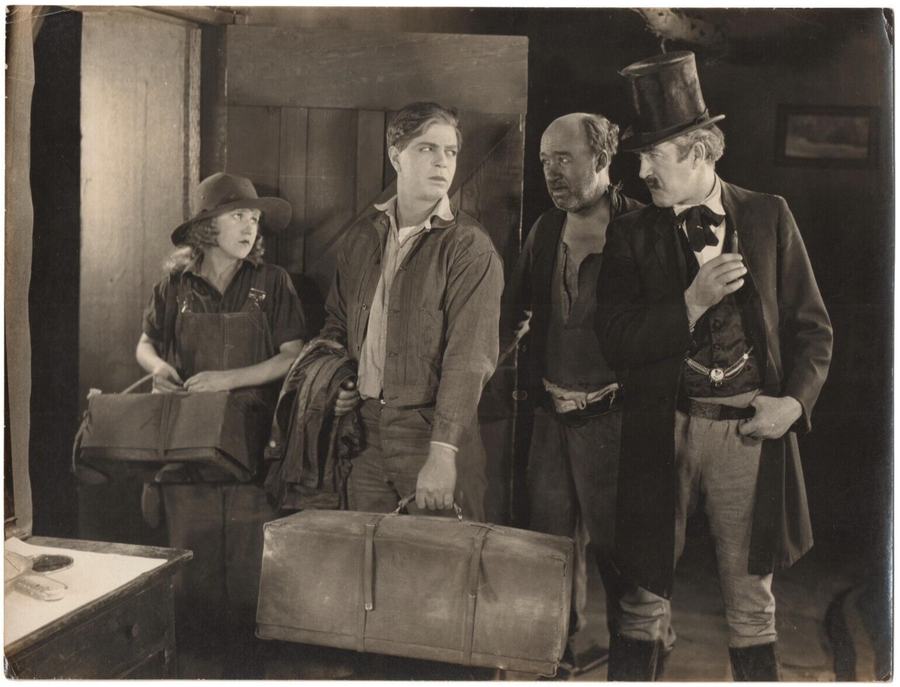
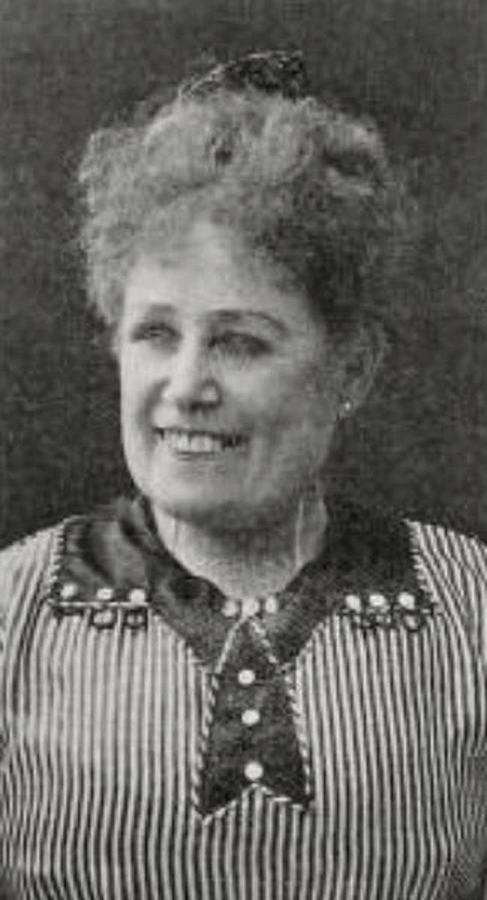
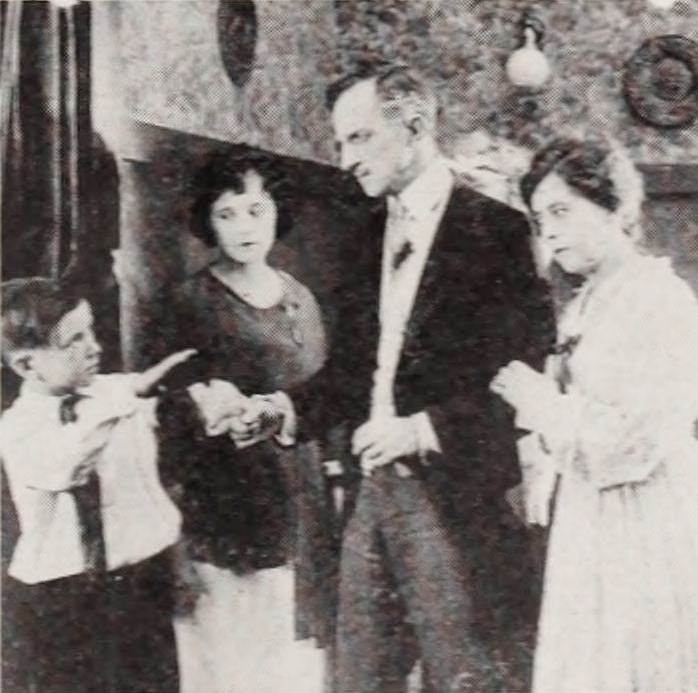
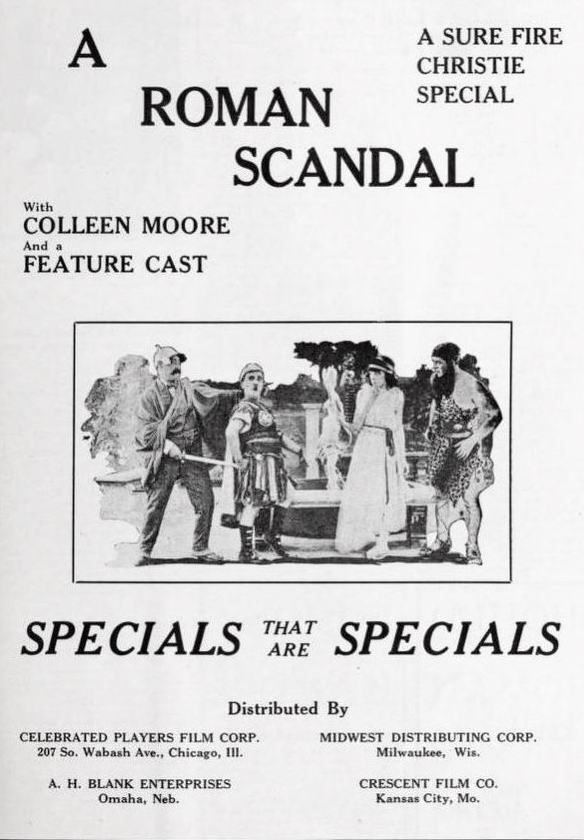
A burlesque of the old standard dramatic plot in which daughter, returning from the big city with unexpected wealth, arrives just in the nick of time to defeat the cruel, cruel landlord, save the old homestead from a tragic foreclosure, and keep the aged folks from being driven out into the blinding snowstorm..
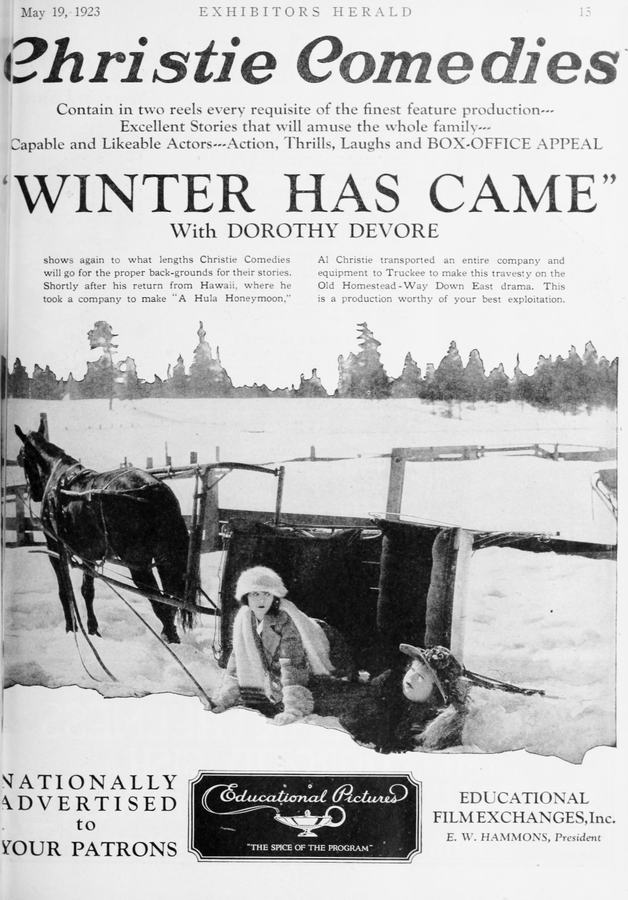
.highlight-orange { color: #C2410C; } .highlight-yellow { color: #EAB308; } .highlight-blue { color: #0E7490; } .section-title { font-size: 1.8em; margin-top: 2em; font-weight: bold; } .subsection-title { font-size: 1.4em; margin-top: 1.5em; color: #C2410C; } p { line-height: 1.6; } ...
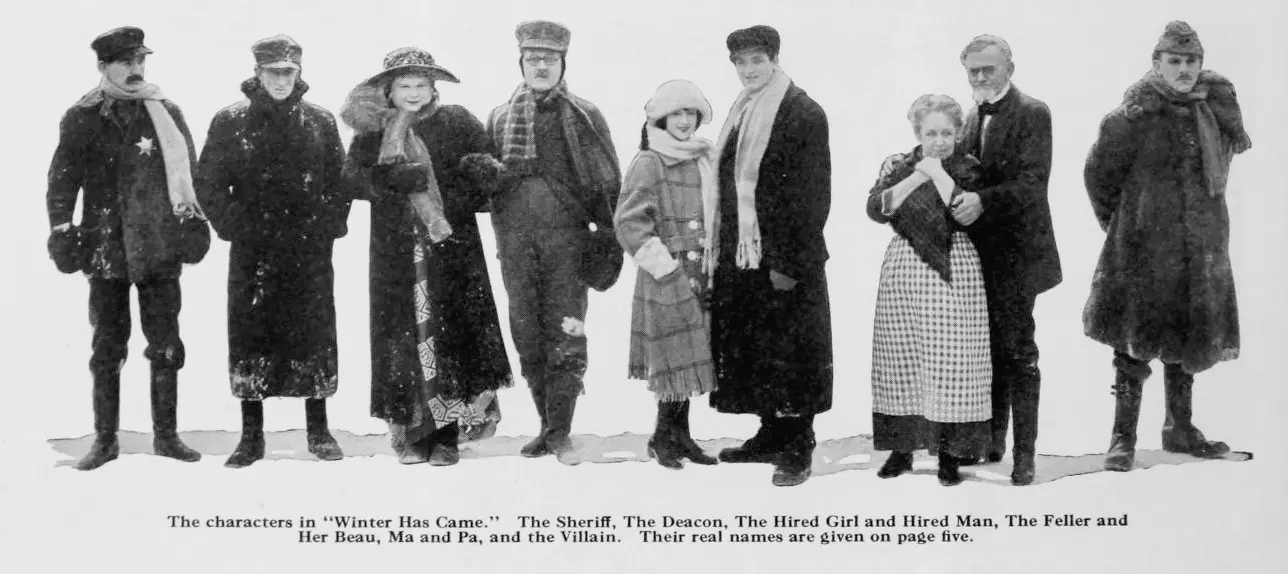
behind_the_scenes
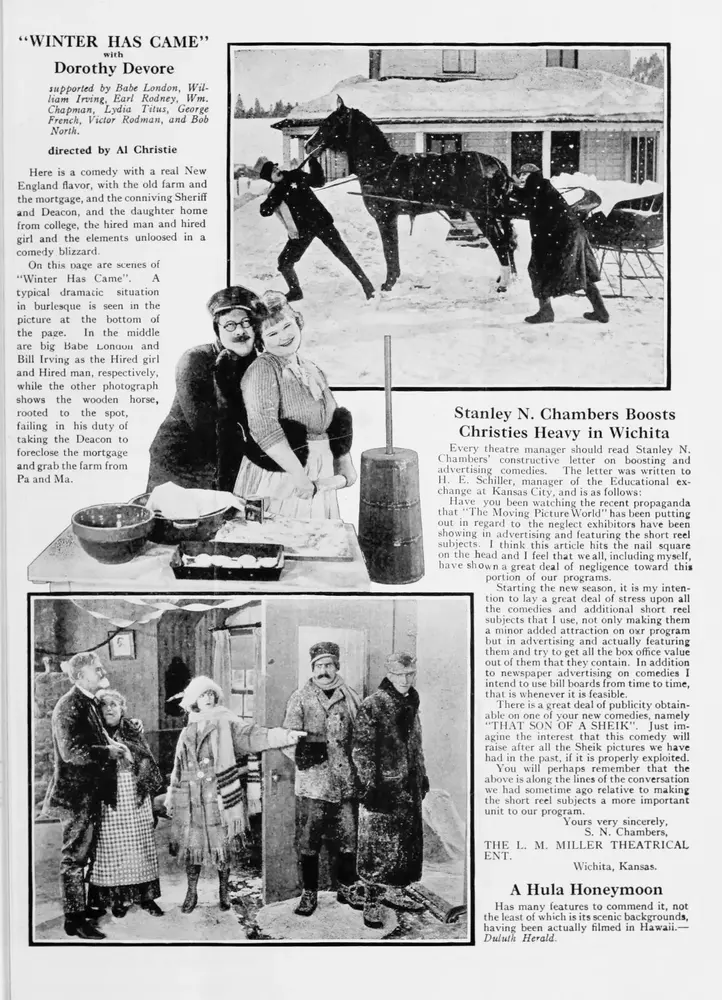
publicity
Comparing the cinematic DNA and archive impact of two defining moments in cult history.
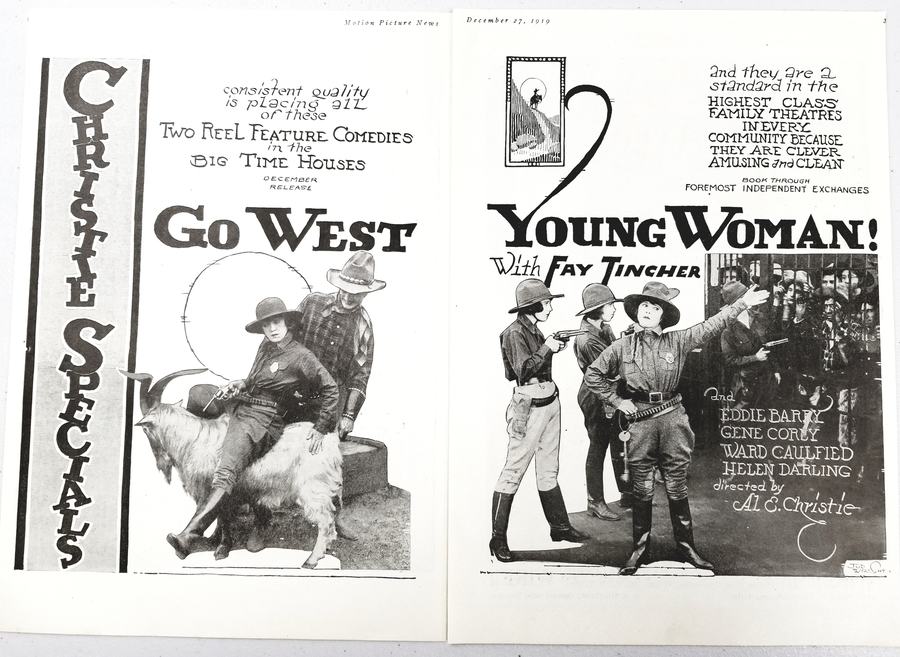
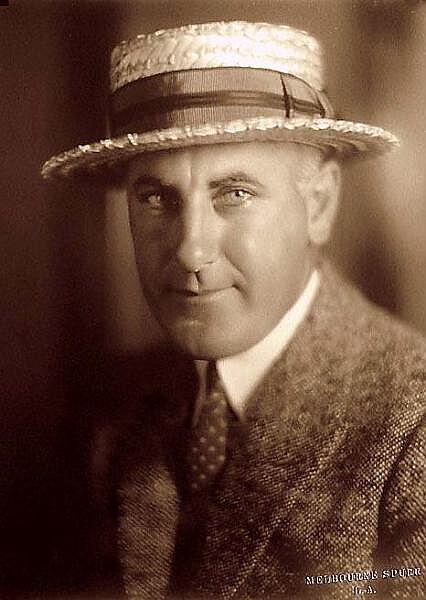
Al Christie
Al Christie
Community
Log in to comment.
" .highlight-orange { color: #C2410C; } .highlight-yellow { color: #EAB308; } .highlight-blue { color: #0E7490; } .section-title { font-size: 1.8em; margin-top: 2em; font-weight: bold; } .subsection-title { font-size: 1.4em; margin-top: 1.5em; color: #C2410C; } p { line-height: 1.6; } In the pantheon of 1920s American cinema, Winter Has Came emerges as both a relic and a relic’s rebellion—a film that mockingly dissects the very tropes it resurrects. Dire..."
Lydia Yeamans Titus
Walter Graham
United States