DbcultAccessing Vault...
6.1/10
Senior Film Conservator
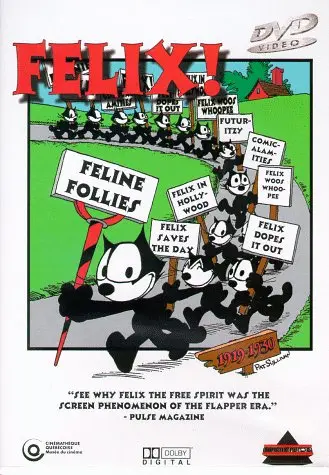
A definitive 6.1/10 rating for a film that redefined the boundaries of cult cinema. Felix All Puzzled remains a cornerstone of transgressive art.
Is Felix All Puzzled worth your time nearly a century after its release? Short answer: yes, but only if you appreciate the primitive, elastic soul of early cinema and can forgive the jagged edges of 1920s tropes.
This film is for history buffs, animation nerds, and those who find joy in the 'rubber hose' logic that defined an era. It is not for viewers who require narrative logic, high-definition nuance, or a protagonist who obeys the laws of gravity.
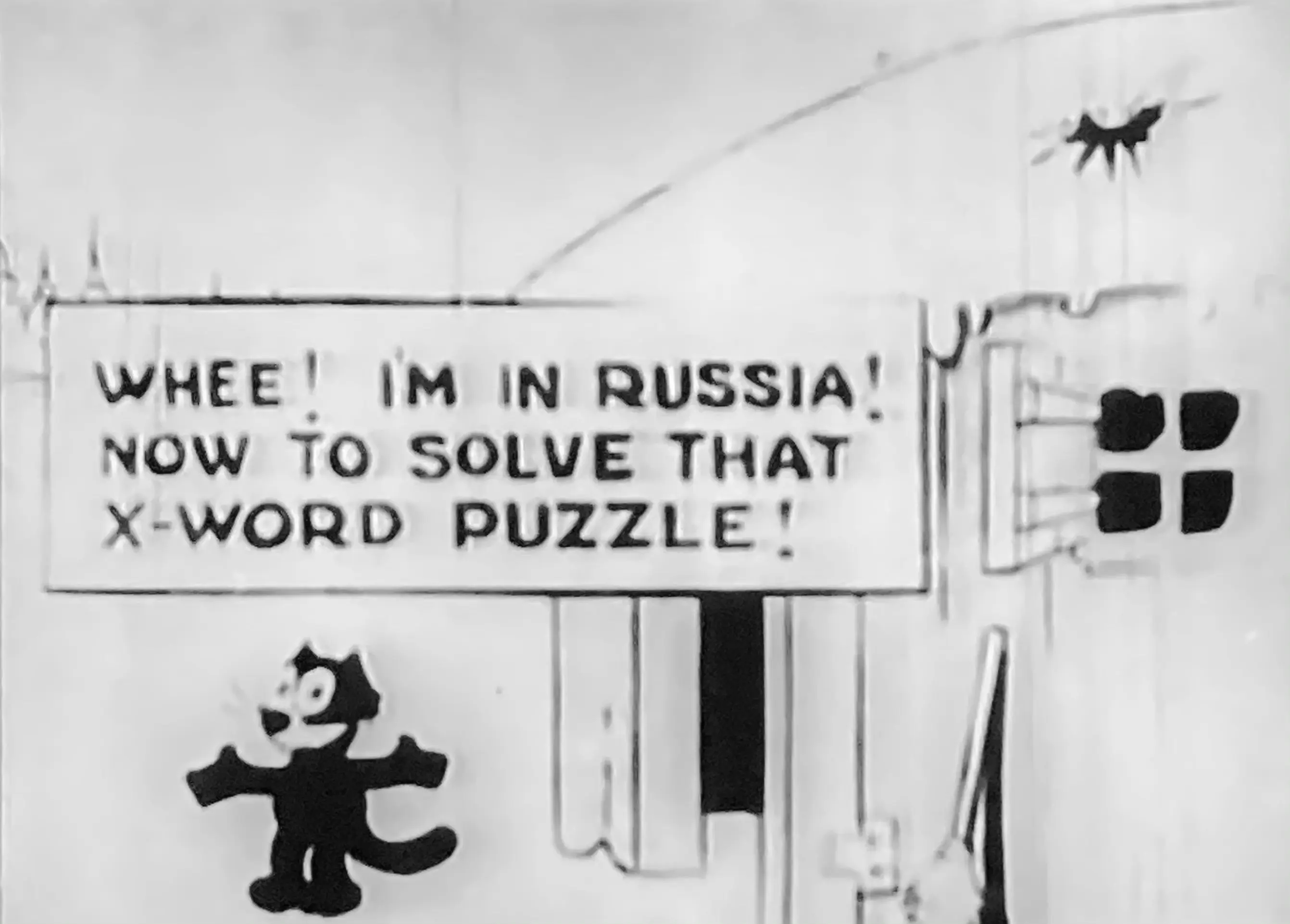
The setup is brutally simple. Felix is hungry. His owner is obsessed with a crossword puzzle. This dynamic sets the stage for what I consider one of the most inventive uses of a 'MacGuffin' in silent animation. The word 'Cossack' (the 7-letter Russian word in question) isn't just a clue; it is the engine that drives Felix out of his comfort zone and into a world of international intrigue.
1) This film works because of its total disregard for the laws of physics and its embrace of visual puns. 2) This film fails because the middle act’s travel sequence feels like a placeholder for more developed gags. 3) You should watch it if you want to see the literal birth of the 'stretch and squash' philosophy that later defined Disney and Warner Bros.
Unlike the more grounded dramas of the time, such as The Woman from Nowhere, Felix All Puzzled operates in a dimension where a cat can walk across the ocean because the plot demands it. It is a reminder that before animation became obsessed with realism, it was a medium of pure, unadulterated imagination.
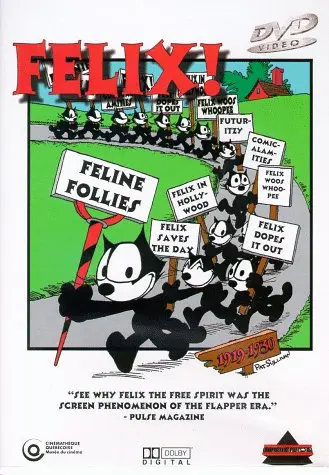
Otto Messmer’s genius is on full display here. While Pat Sullivan often took the credit, Messmer was the one who understood that Felix wasn't just a character—he was a tool. In one specific moment, Felix’s tail detaches and becomes a question mark. This isn't just a gag; it's a structural commentary on the character's internal state. It works. But it’s flawed by today’s standards of pacing.
The way Felix moves is hypnotic. He doesn't just walk; he paces with his hands behind his back, a signature move that conveys more personality than many live-action stars of the 1920s managed. Compared to the more rigid animation seen in Hansel and Gretel, Felix feels alive, a precursor to the personality-driven animation we see today.
Yes, Felix All Puzzled is worth watching because it remains a vital piece of animation history that showcases the sheer creativity of the silent era. It offers a glimpse into the surrealist roots of the medium before it became standardized. The film provides a masterclass in visual storytelling where dialogue is unnecessary, and the humor is derived entirely from movement and form.
Even when compared to other shorts like Hot and Cold or Ship Wrecked, this specific entry stands out for its high stakes. Felix isn't just looking for a toy or a mate; he is literally starving. This adds a layer of desperation to the comedy that makes the payoff—the final solution to the puzzle—feel earned, even if the journey there is chaotic.
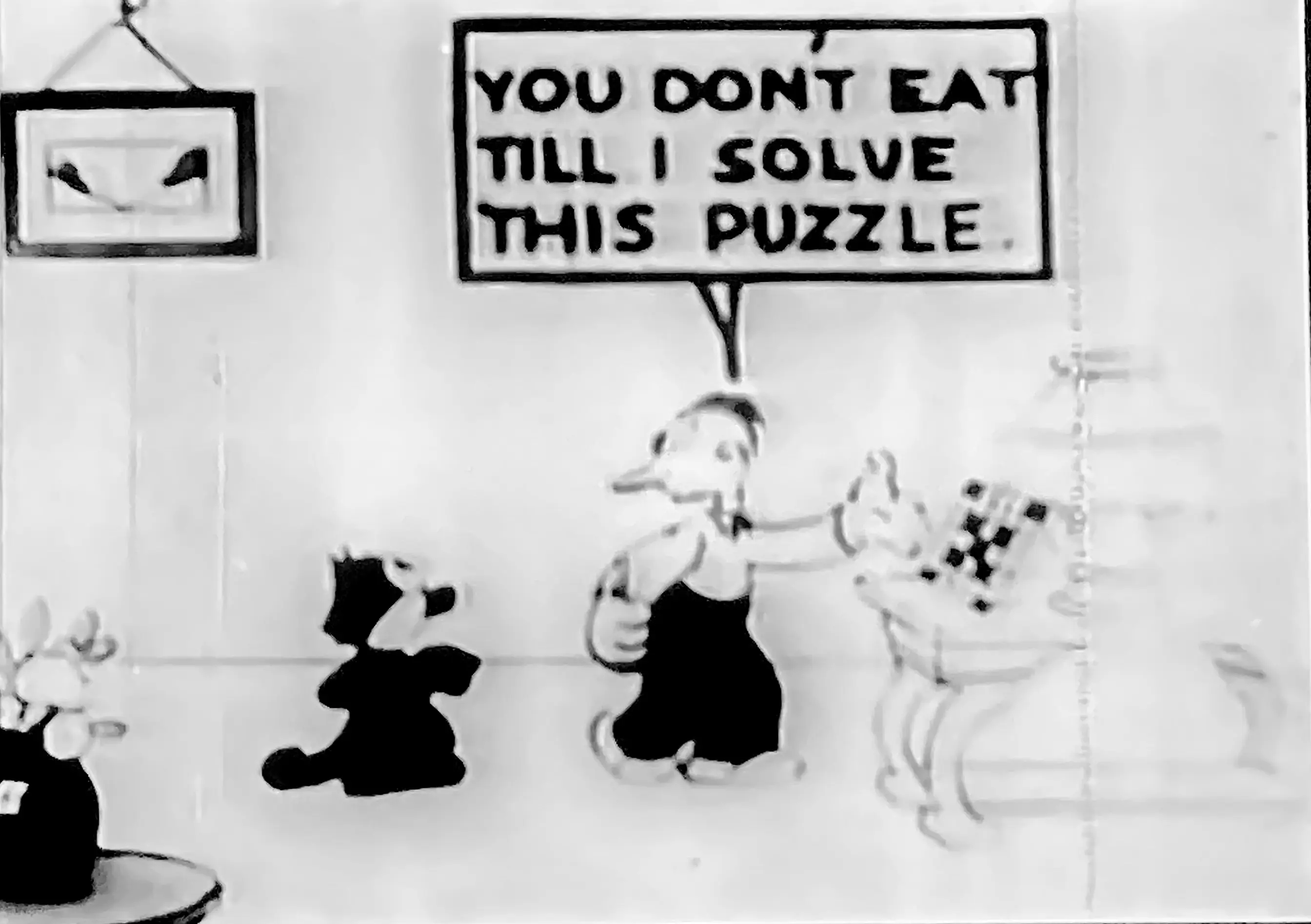
The Russia sequence is where the film takes a sharp, weird turn. Felix is accused of being a spy. In 1924, the fear of the 'Other' was a common trope, and here it is played for laughs. The Russian characters are caricatures, certainly, but they serve as a fantastic foil for Felix’s frantic energy. The sight of a small black cat being chased by massive, bearded soldiers is a classic David vs. Goliath setup.
This sequence reminds me of the tension found in contemporary serials like The Adventures of Ruth, though obviously filtered through a lens of absurdity. While live-action films like The Pursuing Vengeance used chase scenes for drama, Messmer uses them to explore the boundaries of the frame. Felix isn't running from danger; he's running through a playground of ink.
The cinematography—if we can call it that in animation—is minimalist. The backgrounds are often stark white, which forces the viewer to focus entirely on Felix’s silhouette. This was a practical choice to save time and ink, but it resulted in a high-contrast aesthetic that is still striking. It lacks the lushness of Toilers of the Sea, but it gains a sense of iconic clarity.
The pacing is where the film shows its age. The transition from the house to Russia is abrupt. One moment he is in a living room, the next he is on a boat. It’s jarring. However, this 'jump-cut' logic is actually quite modern in its own way, echoing the frantic energy of a TikTok or a YouTube Poop. It’s a proto-meme.
Pros:
- Inventive visual gags that still land today.
- Felix remains one of the most expressive characters in film history.
- A fascinating look at 1920s hobbies (the crossword craze).
Cons:
- The 'spy' plot is a bit thin and resolved too quickly.
- Background art is nearly non-existent compared to peers like Our Alley.
It is easy to forget that in 1924, crosswords were a global mania, much like Wordle was recently. By making the plot about a crossword, Messmer was tapping into a hyper-current trend. This makes the film a time capsule. It’s not just a cartoon; it’s a reflection of what people were doing in their parlors while they listened to the radio.
When you compare this to the more traditional storytelling in Brass Buttons or the Western tropes of Cupid the Cowpuncher, Felix All Puzzled feels incredibly urban and modern. It’s a film about information and the frustration of not having it.
Felix All Puzzled is a frantic, slightly surreal, and historically significant short that proves why Felix was the first true superstar of animation. While it lacks the polish of later 1920s works like A Few Moments with Eddie Cantor, it compensates with pure, unbridled kinetic energy. It is a seven-minute burst of creativity that asks very little of its audience but gives back a wealth of visual inspiration. If you can look past the dated caricatures, you’ll find a character who is more relatable than most modern icons. After all, who hasn't felt like they'd travel to Russia just for a decent meal?
IMDb 7.1
1926
Community
Log in to comment.