DbcultAccessing Vault...
5.8/10
Senior Film Conservator
A definitive 5.8/10 rating for a film that redefined the boundaries of cult cinema. Felix the Cat Misses His Swiss remains a cornerstone of transgressive art.
Is Felix the Cat Misses His Swiss a mandatory watch for the modern viewer? Short answer: yes, but only if you value the raw, unfiltered origins of animated surrealism. This film is for those who enjoy visual puzzles and silent-era slapstick; it is not for those who require modern pacing or narrative complexity.
This film works because it treats the laws of physics as mere suggestions, allowing for a level of visual inventiveness that modern CGI often lacks.
This film fails because its second act relies on repetitive travel gags that lose their novelty before the climax arrives.
You should watch it if you want to understand how early animators used limited technology to create high-concept character comedy.
In the mid-1920s, animation was still clawing its way out of the novelty phase. While films like Hearts and Flowers were exploring sentimentality in live action, Otto Messmer was busy dismantling the physical world. In Felix the Cat Misses His Swiss, the titular cat acts as a bridge between the audience and a world of pure ink-blot chaos.
There is a specific moment where Felix, frustrated by a locked door, detaches his own tail and uses it as a question mark that physically hooks onto a ledge. This isn't just a gag. It is a profound statement on the medium. Messmer understood that because Felix is made of ink, he is not bound by the skeleton of a real cat. He is a fluid entity.
The mice in this film are equally fascinating. They aren't just pests; they are organized. Their decision to leave for Switzerland after being defeated at the local cheese shop shows a level of character agency rarely seen in 1926 shorts. They aren't just looking for food; they are looking for a better life. It is a weirdly human motivation for three circles and some whiskers.
One could argue that Felix the Cat Misses His Swiss is a subtle commentary on the labor and consumption of the era. Felix is the guard dog of the bourgeoisie, protecting the "capital" (the cheese) from the working-class mice. When the mice realize they cannot win in the local market, they seek a globalized solution. They go to the source: Switzerland.
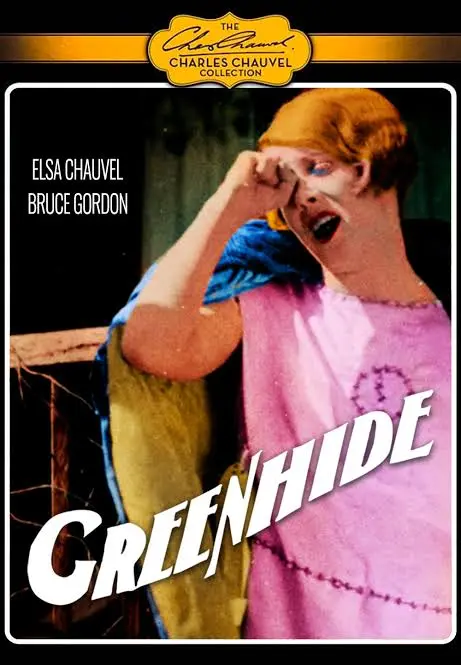
The chase sequence across the ocean is where the film’s pacing hits a slight snag, but the visual flair remains. Unlike the grounded realism of The Re-Creation of Brian Kent, Messmer’s world is one of constant transformation. A boat isn't just a boat; it’s a vessel for visual puns. The way the water is rendered—sharp, jagged lines—creates a sense of danger that feels more visceral than many modern disaster films.
The Alpine setting provides a fresh backdrop. The animators use the mountains not as scenery, but as obstacles. Felix’s struggle with the altitude and the sheer scale of the Swiss cheese wheels creates a David vs. Goliath dynamic. Except in this case, David is a black cat with a detachable tail and Goliath is a giant block of Emmental.
Yes, this film is worth watching for its historical significance and unique visual language. It offers a raw look at early 20th-century creativity. It is a quick, punchy experience that defines the silent era of animation. While it lacks the emotional weight of Destiny's Toy, it compensates with pure, unadulterated energy.
The film is a masterclass in economy. With no dialogue and limited frames, it tells a complete story of ambition, failure, and pursuit. It is a reminder that you don't need a massive budget to be memorable. You just need a good silhouette and a sense of the absurd. Felix is the ultimate silhouette.
Comparing this to other films of the time, like Twenty Dollars a Week, highlights how much more freedom the animators had. While live-action directors were often constrained by the physical limits of their sets, Messmer could draw a new world every five seconds. The speed of the film is relentless. It moves with a frantic grace that mirrors the jazz age.
However, the pacing is a double-edged sword. Some gags are over before the viewer can fully process them. In one scene, Felix interacts with a Swiss local, and the cultural caricatures are... well, they are very 1926. It’s a jarring reminder of the era’s limitations. Yet, the core conflict remains timeless. Everyone wants the better cheese.
The ink quality in the restored versions is surprisingly deep. The blacks are void-like, making Felix stand out against the sparse, white backgrounds. This minimalism is a strength. It forces the eye to focus on the movement. It’s a stark contrast to the busy frames of Under Western Skies.
Pros:
Cons:
Felix the Cat Misses His Swiss is more than just a cartoon. It is a precursor to everything from Looney Tunes to BoJack Horseman. It established the idea that an animated character could be cynical, driven, and slightly unhinged. Felix isn't a hero. He is a guy doing a job, and he’s annoyed that he has to go to Switzerland to finish it.
When you compare the grit of Felix's world to the western landscapes of The Vengeance Trail, you see a shared DNA of the "relentless pursuer." Felix is a hunter. The mice are his prey. But the medium allows for a level of comedy that softens the blow of this predatory relationship. It’s a dance, not a slaughter.
The film’s influence on the "rubber hose" style cannot be overstated. Every time Felix’s limbs stretch or his head spins 360 degrees, we see the birth of a visual language that would dominate the 1930s. It’s more experimental than Welcome Stranger and more kinetic than The Flying Ace.
Felix the Cat Misses His Swiss is a bizarre, fascinating relic. It is odd. It is fast. It is occasionally brilliant. While it doesn't have the narrative depth of Dollar Devils, it doesn't need it. It is a pure exercise in imagination. The cat wins, but the audience wins more by getting to witness this early explosion of creativity.
"Felix is the original meta-character; he knows he is ink, and he uses that knowledge to conquer the world, one cheese shop at a time."
In conclusion, if you have seven minutes to spare, spend them with Felix. You might not learn anything about Switzerland, but you will learn everything about why we love to watch things move on a screen. It works. But it's flawed. And that is exactly why it is worth your time.
IMDb 5.7
1936
Community
Log in to comment.