DbcultAccessing Vault...
Cult Review
Senior Film Conservator
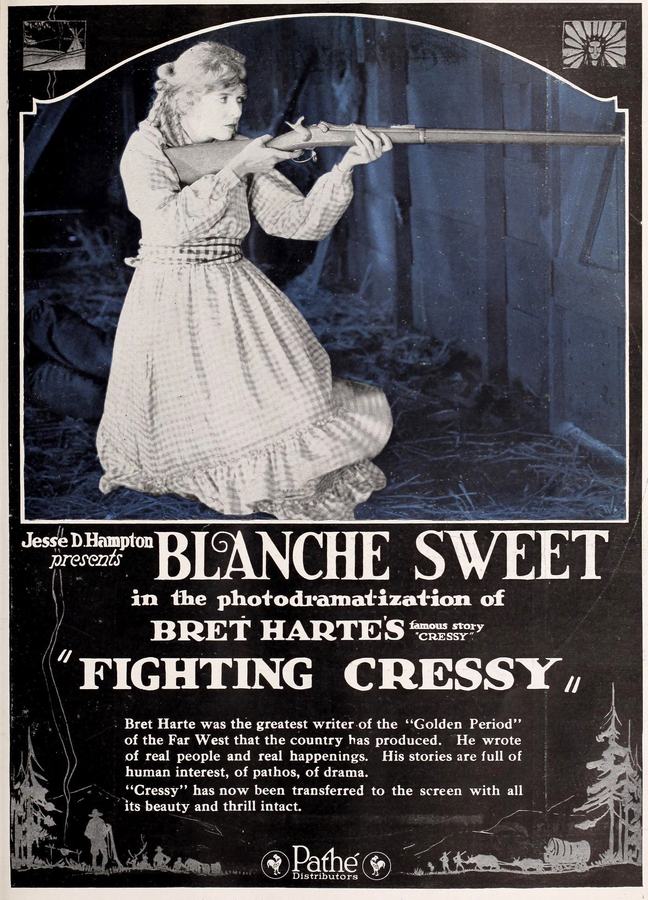
In the annals of early cinema, few settings evoke as much raw human drama and untamed spirit as the California Gold Rush. It was a period defined by audacious ambition, brutal opportunism, and the forging of new societal norms in a land yet to be fully tamed. Amidst this tumultuous backdrop emerges Fighting Cressy, a film that, even a century after its release, resonates with an almost primal energy, offering a compelling glimpse into the lives of those who sought fortune and forged destinies on the frontier. Based on the works of Bret Harte, a chronicler par excellence of this very era, the film is more than just a period piece; it’s a vibrant tapestry woven with threads of love, vengeance, betrayal, and the relentless pursuit of belonging.
At the heart of Fighting Cressy lies a deeply entrenched feud between two families, the McKinstrys and the Harrisons, both transplants from Kentucky, now squatting in California with dreams gilded by gold. This boundary dispute, ostensibly about mere lines on a map, quickly escalates into a visceral struggle for identity and survival. It's a classic frontier narrative, where the law is often a distant echo and personal honor, or perceived slights, dictate the course of justice. The land isn't just property; it's a proxy for their very existence, a symbol of their hard-won stake in a new world. The film masterfully portrays how such disputes can poison generations, creating a chasm of animosity that overshadows even the deepest human connections.
This territorial friction, a recurring motif in cinematic depictions of early American expansion, serves as the primary engine for the narrative's thrust. It encapsulates the tension between the yearning for order and the inherent lawlessness of a burgeoning society. The McKinstrys and Harrisons, despite their shared origins and similar aspirations, are locked in a struggle that transcends simple property rights, delving into the psychological warfare of grudges and ancestral pride. The very notion of 'squatting' highlights the transient, often precarious nature of their claims, making the arrival of a legal representative from San Francisco later in the film a disruptive, almost existential threat to their established, if informal, order. It forces a reckoning with the concept of legitimate ownership versus the sweat equity of those who have toiled the land.
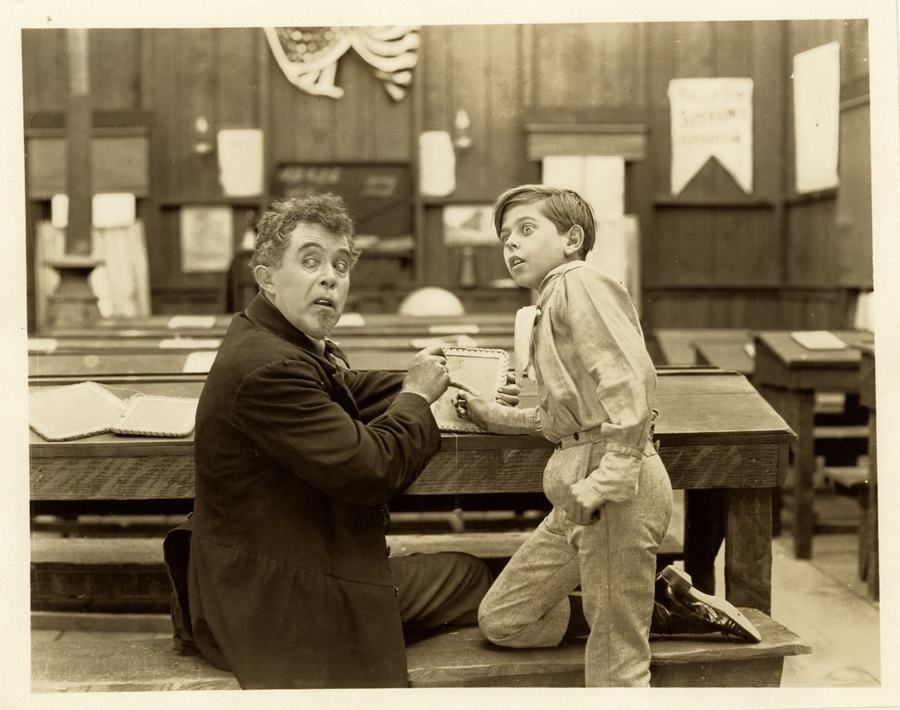
Blanche Sweet, a luminary of the silent screen, delivers a performance as Cressy McKinstry that is nothing short of electrifying. Cressy is no damsel in distress; she is a force of nature, embodying the fierce independence and resilience demanded by the frontier. Her character is a captivating study in contrasts: outwardly disdainful of Joe Masters, a cousin to the rival Harrisons, yet secretly consumed by an ardent love for him. This internal conflict forms the emotional core of the film, showcasing Cressy's strength not just in physical resolve but in her capacity for deep, forbidden affection. Sweet portrays this duality with nuanced grace, her expressive face conveying volumes without a single spoken word. Her Cressy is pragmatic, intelligent, and fiercely loyal to her family, even as her heart pulls her in a different direction.
Cressy's journey is one of strategic maneuvering and emotional fortitude. She navigates the treacherous landscape of familial loyalty and personal desire with a calculating mind, ultimately orchestrating a plan to secure the disputed land in her name. This move solidifies her as a proactive agent in her own destiny, rather than a passive recipient of fate. Her character arc is a testament to the pioneering spirit, where resourcefulness and courage are paramount. In an era where female protagonists were often relegated to supportive roles, Cressy stands as a towering figure of agency, her 'fighting' spirit extending beyond mere physical confrontation to encompass intellectual and emotional resilience. Her portrayal by Sweet elevates the film, making Cressy a truly memorable and impactful character, one who would not feel out of place alongside the strong-willed women seen in later Westerns or even in the complex narratives of films like Enoch Arden, where characters face immense personal trials with unwavering resolve.
Pell Trenton's Joe Masters is the perfect foil to Cressy's fiery spirit. As a Harrison cousin, he is inherently embroiled in the feud, yet his affection for Cressy transcends these manufactured boundaries. Joe represents the hope for reconciliation, the possibility of breaking free from the shackles of inherited animosity. His initial portrayal as an object of Cressy's disdain gradually gives way to a deeper understanding of his character – a man of quiet strength, capable of great loyalty and love. The bullet wound he sustains during the climax serves as a stark symbol of the violence inherent in their world, but also as a catalyst for Cressy's decisive action, solidifying their bond and forcing the families to confront the human cost of their prolonged conflict.
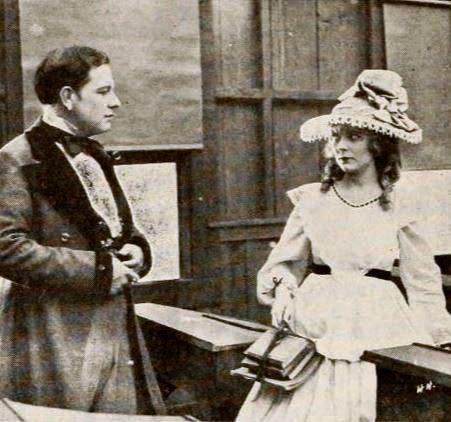
Beyond the central romance and land dispute, Fighting Cressy introduces a compelling, albeit tragic, subplot involving Nellie Dabney, her husband Ben, and the city-bred John Ford. Nellie's flight from Ben for Ford, followed by her desertion and subsequent rejection by Ford (who has since become the schoolteacher and developed an interest in Cressy), paints a poignant picture of societal expectations, betrayal, and the precarious position of women in this rugged frontier. This narrative thread adds a layer of moral complexity to the film, exploring themes of infidelity, shame, and the difficult road to redemption. Ben's violent reclamation of Nellie, while unsettling by modern standards, reflects the prevailing attitudes of the time regarding marital ownership and frontier justice. The raw emotion in this segment, particularly Nellie's plight, resonates with the profound human dramas explored in films like Der Weg, der zur Verdammnis führt, 1.Teil - Das Schicksal der Aenne Wolter, where characters grapple with societal condemnation and the consequences of their choices, or the intense emotional conflicts found in Fanatics. This subplot serves as a stark counterpoint to the more hopeful romance of Cressy and Joe, illustrating the darker undercurrents of human passion and societal judgment in a world still finding its moral compass.
John Ford's character, initially presented as an alluring alternative to Ben, quickly reveals his superficiality, highlighting the dangers of seeking escape in fleeting romantic dalliances. His transformation into a schoolteacher, a figure of nascent respectability, only underscores his hypocrisy when he rejects Nellie. This moral failing indirectly fuels the main narrative, as it brings Ben into Cressy's orbit for their land-acquisition scheme. The interwoven nature of these storylines speaks to the intricate social fabric of these nascent communities, where personal choices have ripple effects across the entire settlement. The film, through Nellie's tragic arc, subtly critiques the double standards often applied to men and women in matters of the heart and fidelity during this period.
Directed with a keen eye for dramatic tension and character development, Fighting Cressy showcases the evolving sophistication of silent cinema. The film effectively uses intertitles to convey dialogue and internal monologues, but it is the visual storytelling, particularly through the expressive performances, that truly captivates. The wide shots of the Californian landscape, while perhaps not as sprawling as later Westerns, still convey a sense of vastness and untamed wilderness, serving as a powerful backdrop to the human drama unfolding within it. The action sequences, particularly the boundary line skirmish, are staged with a clear understanding of escalating conflict, building to a dramatic crescendo that feels both inevitable and impactful.
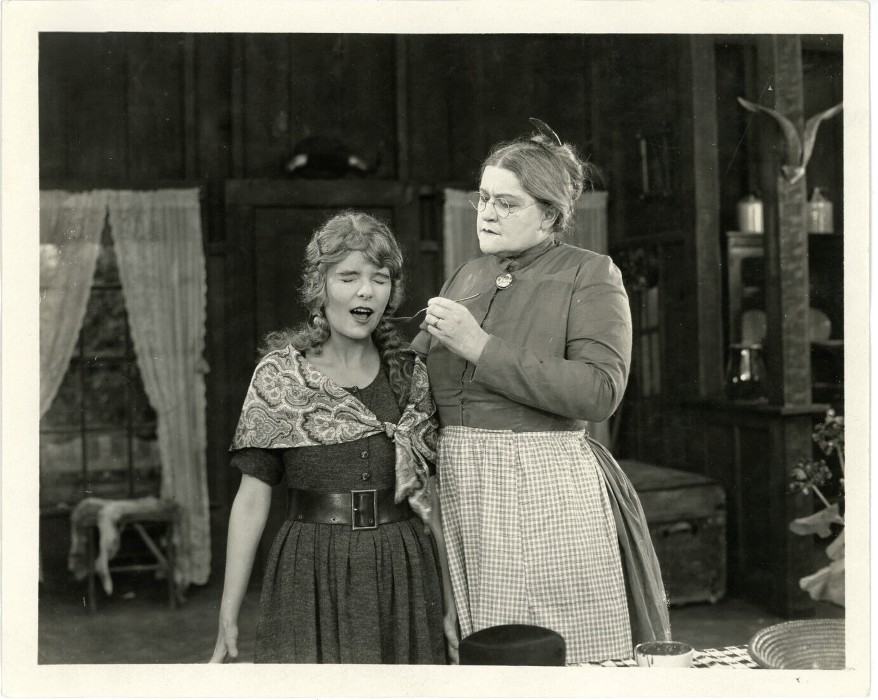
The adaptation of Bret Harte's work by Fred Myton is commendable, capturing the essence of Harte's vivid characters and his authentic portrayal of Gold Rush life. Harte had a remarkable ability to infuse his frontier tales with both rugged realism and underlying sentimentality, a balance that Fighting Cressy largely achieves. The film, much like Harte's stories, understands that beneath the rough exterior of the pioneers lay complex emotions and moral dilemmas. The narrative progression, from deep-seated animosity to eventual reconciliation, is handled with a believable pace that allows the audience to invest in the characters' journeys. The resolution, while offering a happy ending for Cressy and Joe, doesn't gloss over the hardships endured, emphasizing the hard-won nature of their peace.
In its exploration of land ownership, love across divides, and the search for belonging, Fighting Cressy stands as a significant entry in the early Western genre. It is a film that, through its compelling characters and dramatic narrative, offers more than just entertainment; it provides a window into the foundational myths of America, where individual will and collective destiny converged. Blanche Sweet's iconic performance alone makes it a must-see for aficionados of silent film and a valuable historical document for anyone interested in the evolution of cinematic storytelling. Its themes of reconciliation and the triumph of love over inherited hatred remain timeless, cementing its place as an enduring classic of the silent era.
The film’s emphasis on the strength of character, particularly in Cressy, offers a fascinating contrast to more overtly action-driven narratives of the period. While there are skirmishes and dramatic confrontations, the true 'fighting' often occurs on an emotional and intellectual plane. This nuanced approach to conflict elevates it beyond mere genre fare. It reminds us that the struggle for identity and place in a new world was as much about wit and resilience as it was about brute force. The resolution, which sees the families reconciled and the lovers united, speaks to a deeply human yearning for harmony amidst chaos, a desire for stability in a landscape defined by flux. This aspiration for a settled, peaceful existence, even in the wild, is a powerful undercurrent that lends the film its lasting resonance. Much like the intricate plotting and character-driven drama of I tre moschettieri, Fighting Cressy weaves multiple threads into a cohesive, satisfying whole, demonstrating the narrative power available even in cinema's nascent years.
IMDb 5.8
1932
Community
Log in to comment.