DbcultAccessing Vault...
5.8/10
Senior Film Conservator
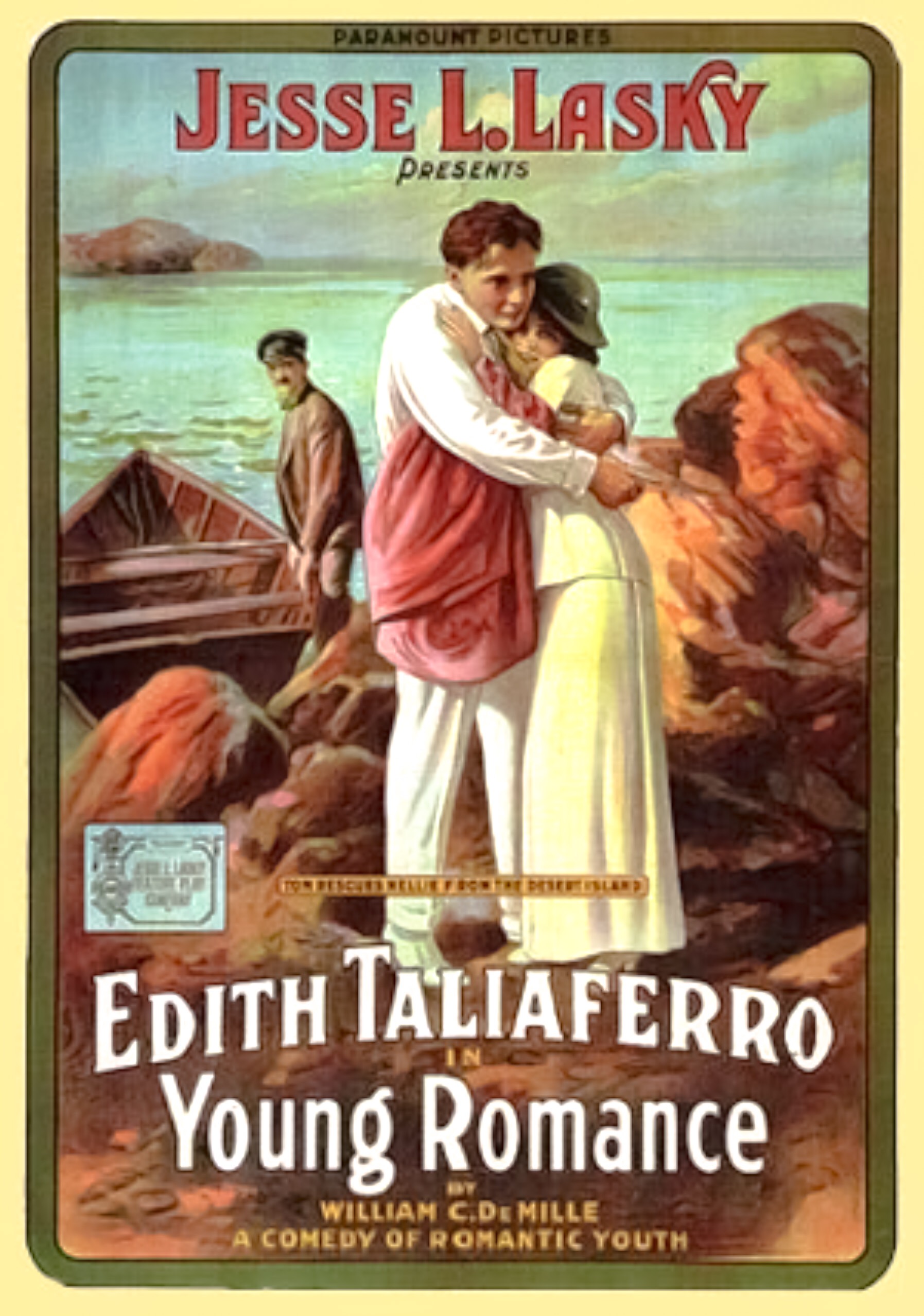
A definitive 5.8/10 rating for a film that redefined the boundaries of cult cinema. Young Romance remains a cornerstone of transgressive art.
The year 1915 stands as a watershed moment in the evolution of cinematic grammar, an era where the medium began to shed its stage-bound chrysalis to embrace the sophisticated nuances of visual storytelling. Amidst the burgeoning epics and the slapstick shorts, Young Romance emerges as a remarkably prescient exploration of the performative nature of class. Directed by William C. de Mille—whose contribution to the early industry is often overshadowed by his brother Cecil’s penchant for the monumental—this film is a delicate, satirical tapestry that weaves together the threads of aspiration, deception, and the burgeoning American Dream.
The film opens in the claustrophobic confines of a department store, a microcosm of the industrial proletariat where Edith Nolan (Edith Taliaferro) and Tom Forman's character operate as mere cogs in the capitalist machine. De Mille utilizes the setting not just as a backdrop, but as a catalyst for the ensuing drama. The department store represents the tantalizing proximity of wealth; the workers handle the finery they can never afford, fostering a deep-seated yearning for the 'other' life. This sense of social claustrophobia is rendered with a grit that contrasts sharply with the escapist fantasies of the era, such as the surreal journeys found in A Message from Mars.
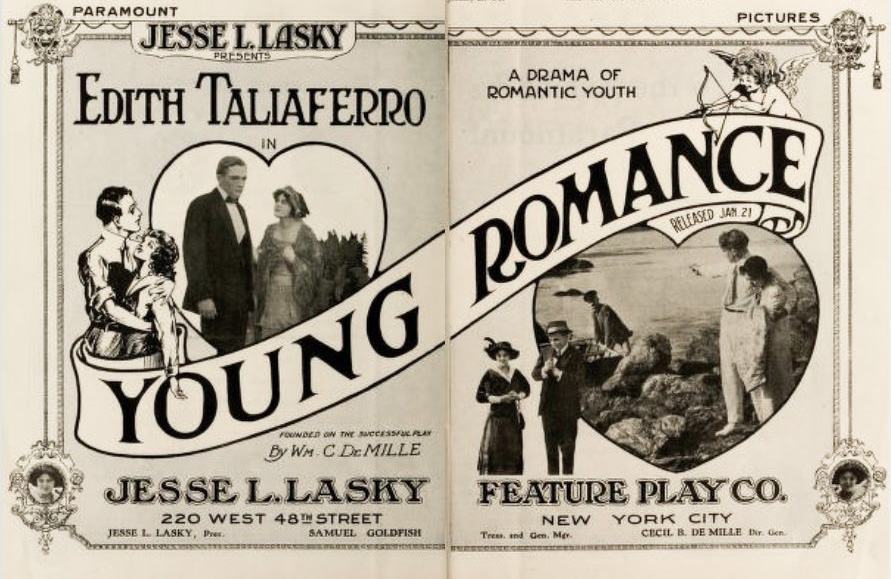
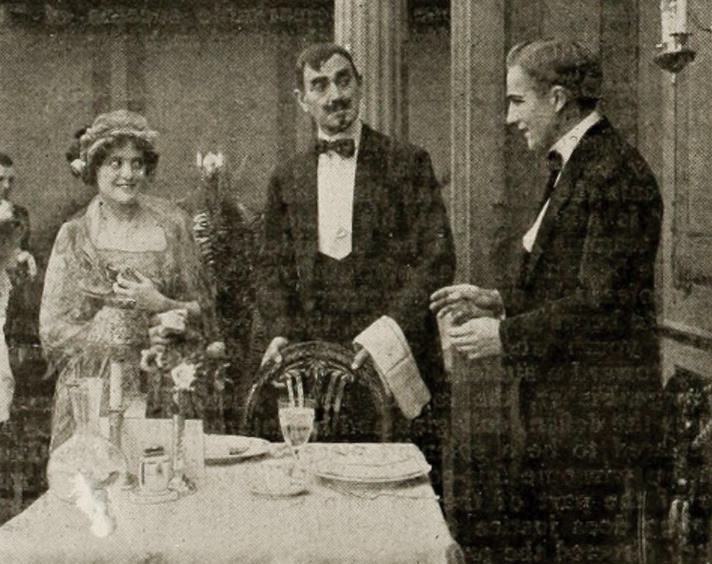
Edith’s decision to spend her life savings on a single week of aristocratic mimicry is portrayed not as a folly, but as a desperate act of self-reclamation. When she arrives at the coastal resort, the cinematography shifts, embracing a more expansive, airy aesthetic that mirrors her psychological liberation. The resort is a stage, and Taliaferro’s performance is a masterclass in layered acting—she is a shopgirl playing a lady, and the subtle cracks in her veneer provide the film's most poignant comedic and dramatic beats.
The narrative engine of Young Romance is the serendipitous meeting of two identical lies. When Edith encounters Tom, who is similarly ensconced in a borrowed identity, the film enters a realm of high-stakes romantic irony. Their interactions are choreographed with a delightful tension; every polite gesture and aristocratic platitude is a potential landmine. Unlike the overt melodrama of Rose of the Rancho, de Mille opts for a more grounded, observational humor that feels surprisingly modern.
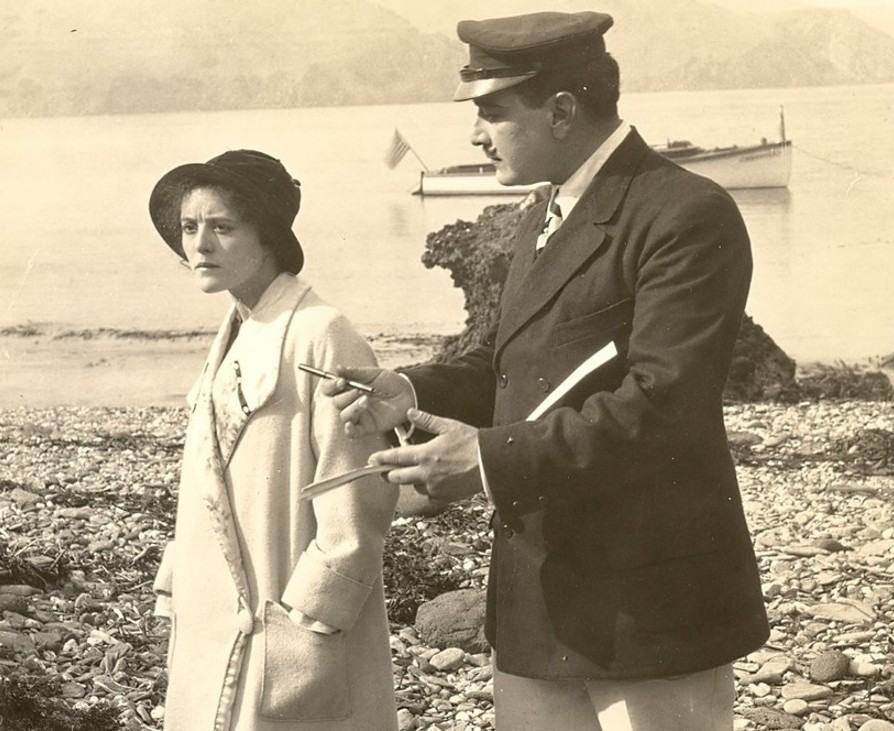
The chemistry between the leads is palpable, even through the flickering grain of the century-old celluloid. They are drawn to one another not by the wealth they project, but by a subconscious recognition of their shared struggle. There is a profound sadness beneath the humor—a realization that their romance is predicated on a reality that cannot survive the train ride back to the city. This thematic depth elevates the film above the standard 'rom-com' tropes of its time, aligning it more closely with the psychological explorations of Prestuplenie i nakazanie, albeit in a much lighter, more accessible register.
While the core of the film is a romantic satire, William C. de Mille introduces a subplot involving a nefarious 'Count' (played with oily perfection by Al Ernest Garcia) and a kidnapping scheme. This pivot into the realm of the crime thriller might seem jarring to contemporary audiences, but it reflects the genre fluidity of 1910s cinema. Much like the serialized thrills of The Million Dollar Mystery, these plot developments serve to raise the stakes and force the protagonists out of their comfort zones.
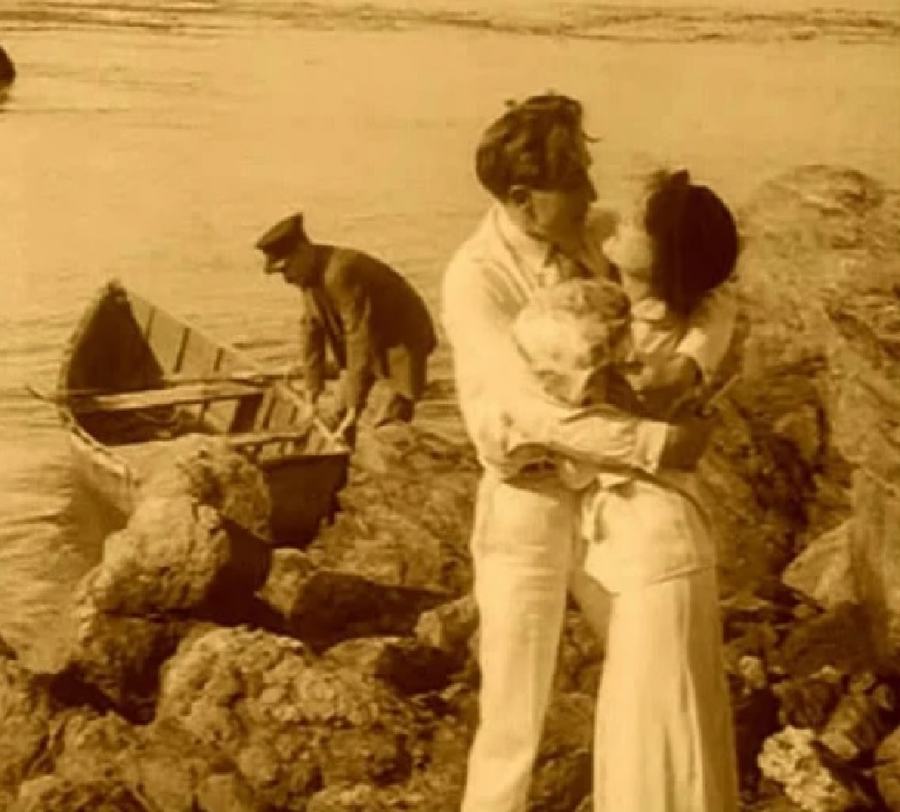
The kidnapping of Edith serves a dual purpose. First, it provides the necessary kinetic energy for a climactic resolution. Second, it strips away the artifice. In the face of genuine danger, the masks of aristocracy are useless. Tom must rely on his working-class grit rather than his borrowed suit to save the woman he loves. This transition from the 'fake' world of the resort to the 'real' world of action and consequence is handled with a deft directorial hand, ensuring that the shift in tone feels earned rather than forced.
Technically, Young Romance is a testament to the sophistication of the Lasky Feature Play Company’s production values. The lighting, particularly in the interior resort scenes, demonstrates a burgeoning understanding of how to use shadow to create depth and mood. While it may not possess the experimental fervor of De røvede Kanontegninger, its visual clarity and pacing are exemplary for 1915.
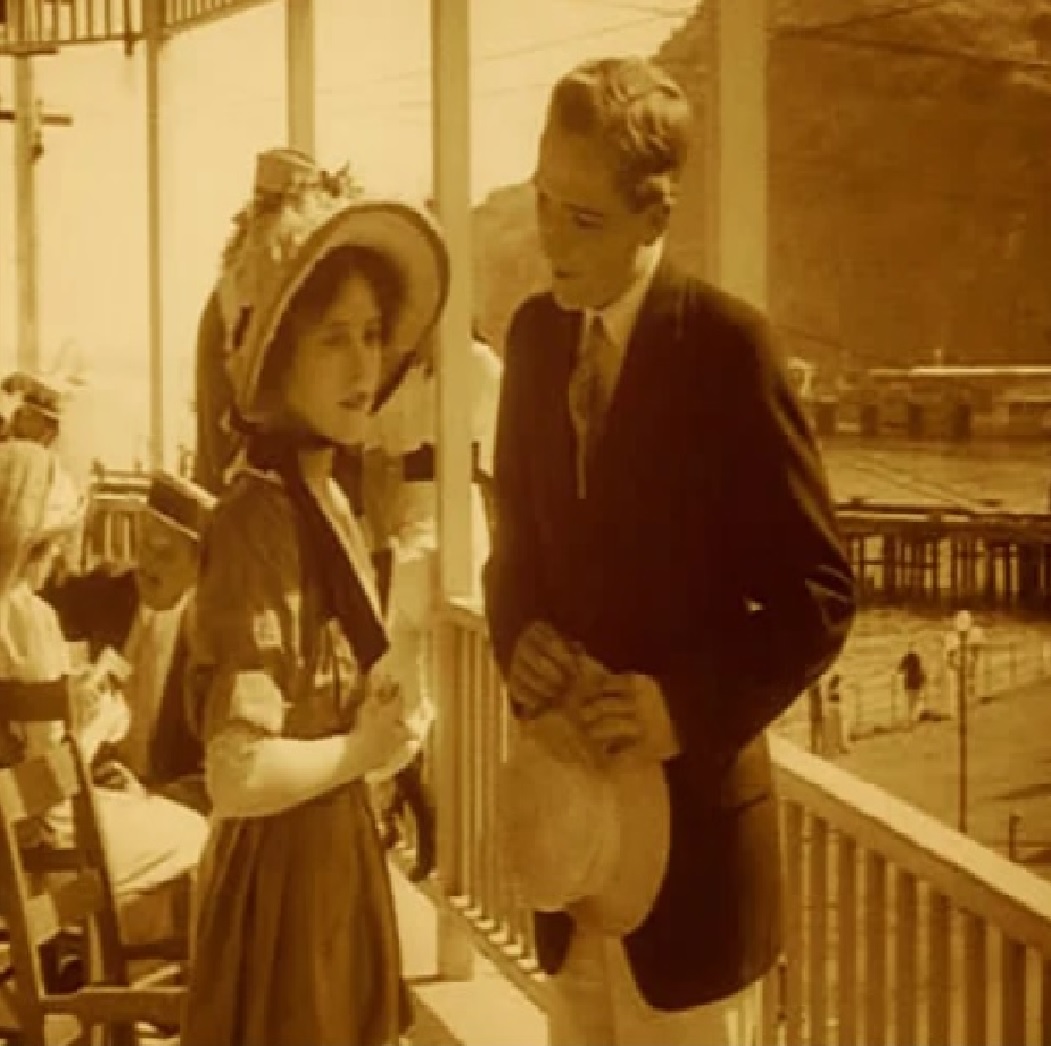
The set design deserves special mention. The contrast between the cramped, cluttered living quarters of the department store employees and the sprawling, opulent vistas of the resort serves as a visual shorthand for the class divide. It is a world of sharp lines and soft fabrics, where every object is a signifier of status. This attention to detail ensures that the film remains grounded in a recognizable reality, even as the plot ventures into the improbable. It shares a certain sociological interest with What 80 Million Women Want, particularly in its depiction of women's agency and the economic constraints placed upon them.
When placed alongside its contemporaries, the uniqueness of Young Romance becomes even more apparent. It lacks the overt religious moralizing of God, Man and the Devil or the heavy-handed symbolism of Miraklet: Tavlor ur det katolska samfundslivet. Instead, it offers a more secular, humanistic view of morality—one where the primary sin is not deception, but the social conditions that make such deception necessary for happiness.
Furthermore, while films like The Story of the Kelly Gang focused on the rugged defiance of the outlaw, Young Romance finds its heroism in the quiet resilience of the urban worker. It is a domestic epic, a story of the battles fought in the heart and the bank account rather than on the frontier. Even when compared to the international intrigue of Das Geheimnis von Chateau Richmond, the stakes in de Mille's film feel more intimate and, consequently, more relatable.
The resolution of the film, where both characters reveal their true identities, is handled with a refreshing lack of cynicism. There is no sense of shame in their mutual exposure; rather, there is a profound relief. The 'Young Romance' of the title is not just the attraction between a man and a woman, but the romantic notion that one can transcend their circumstances through sheer force of will and a well-tailored suit. It captures the zeitgeist of an America on the brink of modernity, a place where the old rules were being rewritten by the sheer ambition of the masses.
In the broader canon of silent cinema, Young Romance deserves a place of honor. It is a film that understands the power of the image to convey complex social hierarchies and the enduring human desire to be seen as something more than what our paychecks dictate. It avoids the pitfalls of mawkish sentimentality, opting instead for a clever, clear-eyed look at the games we play to find love and dignity in an indifferent world. Whether compared to the gritty realism of O Crime dos Banhados or the adventurous spirit of An Odyssey of the North, it remains a singular achievement in early narrative storytelling.
For the modern viewer, the film is more than just a historical curiosity. It is a vibrant, breathing piece of art that speaks to the universal experience of 'faking it until you make it.' The costumes may have changed, and the department stores may have been replaced by digital storefronts, but the yearning for a life of greater meaning and the masks we wear to achieve it remain as relevant today as they were in 1915. William C. de Mille’s work here is a reminder that even in the infancy of the medium, cinema was already capable of profound psychological insight and sophisticated social commentary. It is a gem of the silent era, waiting to be rediscovered by a new generation of cinephiles who appreciate the art of the subtle grift and the sincere heart.
IMDb —
1925
Community
Log in to comment.