DbcultAccessing Vault...
6.4/10
Senior Film Conservator
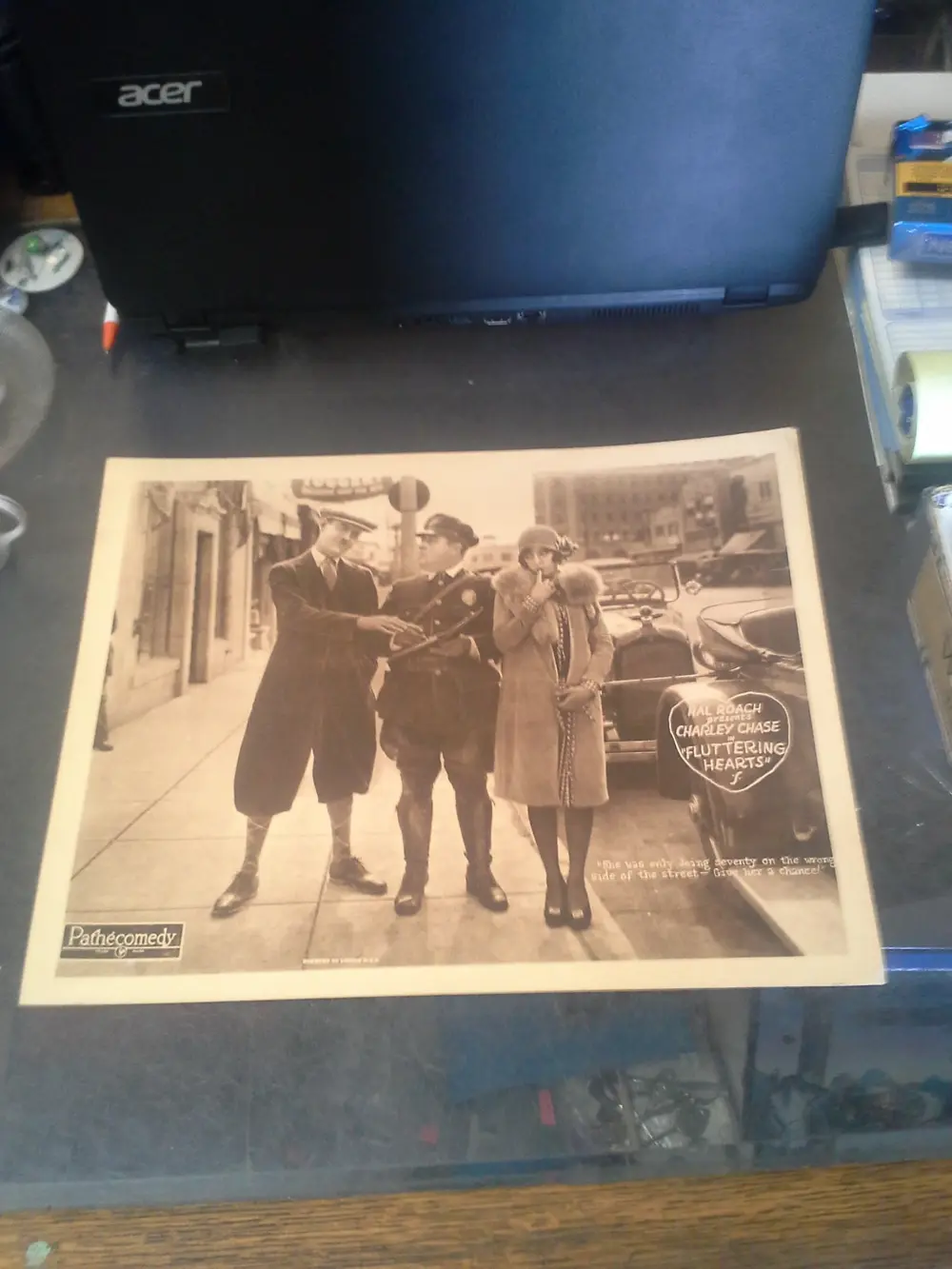
A definitive 6.4/10 rating for a film that redefined the boundaries of cult cinema. Fluttering Hearts remains a cornerstone of transgressive art.
Is Fluttering Hearts worth your time in an era of high-definition blockbusters? Short answer: yes, but only if you possess an appetite for the frantic, unpolished energy of the Hal Roach studio at its peak.
This film is for the cinephile who finds beauty in a well-timed trip and the historian curious about the pre-Laurel and Hardy evolution of Oliver Hardy. It is emphatically not for those who require a complex narrative or a slow-burn emotional payoff.
1) This film works because it understands the inherent comedy of social desperation, using the 'sale' at a department store as a battlefield for physical comedy that feels oddly contemporary.
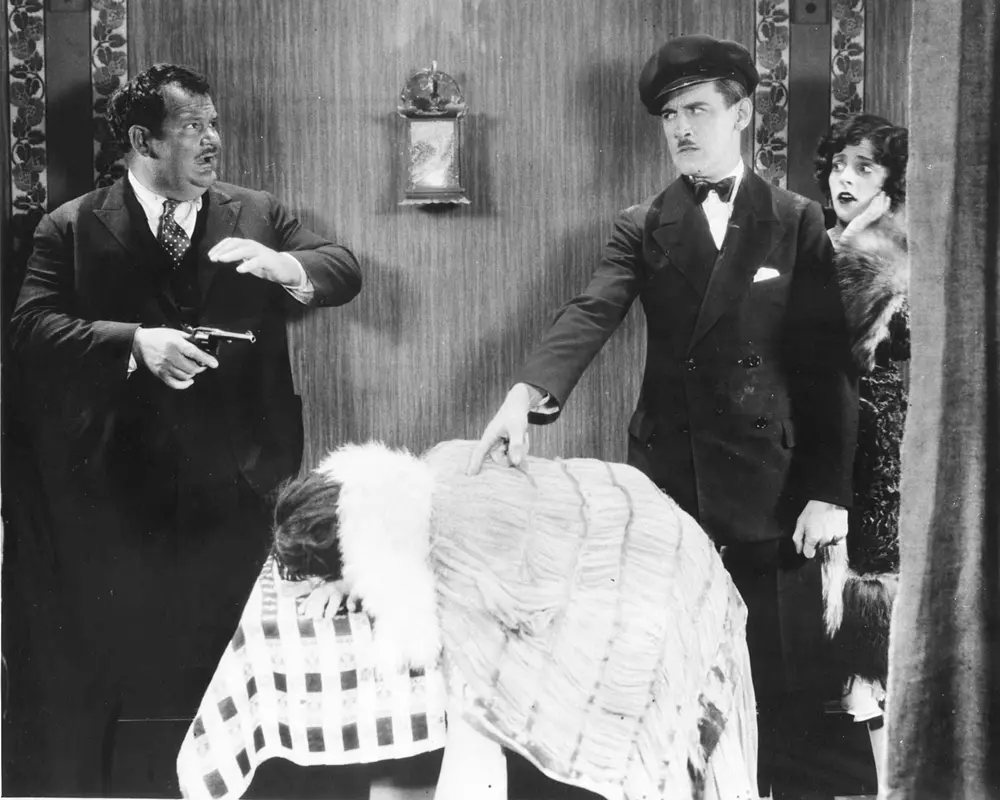
2) This film fails because its dual-plot structure—the daughter's chase and the father's letter—is joined by the thinnest of narrative threads, making the transition between scenes feel jarring.
3) You should watch it if you want to see Oliver Hardy playing a 'heavy' motorcycle cop with a level of physical menace that he would later soften into his iconic bumbling persona.
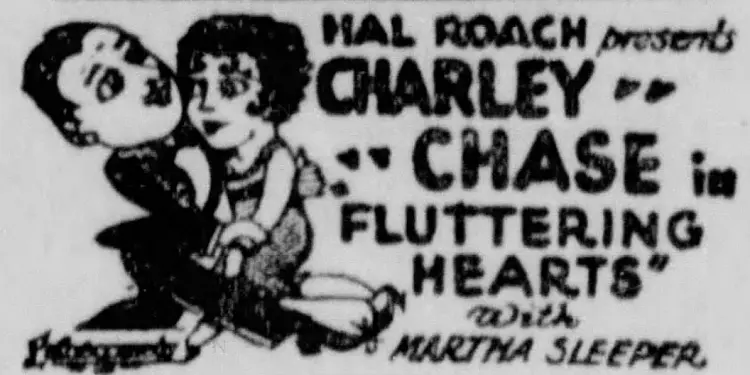
Unlike the more polished features of the time, such as The Chorus Girl's Romance, Fluttering Hearts thrives on a certain brand of suburban anarchy. The opening sequence, where Martha Sleeper’s character ignores her father (William Burress), sets a tone of youthful defiance that drives the entire short. Sleeper doesn't just drive; she weaponizes her vehicle. The chase with the motorcycle cop (Hardy) is not just a sequence of stunts; it’s a rhythmic dialogue between two performers who understand that comedy is about the narrow margin between safety and disaster.
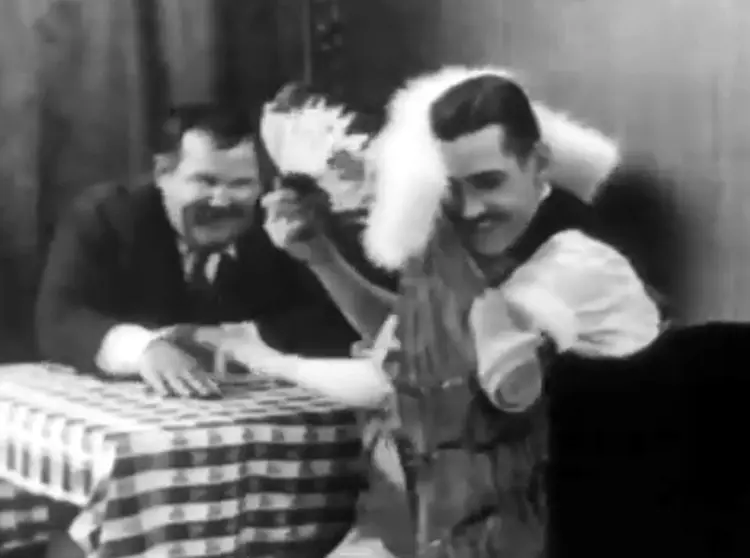
One specific moment stands out: the way Hardy handles his motorcycle. There is a weight to his movements that anchors the absurdity. When he finally catches up to Sleeper, the interaction isn't just a ticket-writing exercise; it’s a power struggle. This isn't the 'Ollie' we know from later years. He is sharp, aggressive, and genuinely intimidating, which makes the eventual 'winning him over' through the millionaire's intervention feel like a genuine subversion of authority.
Charley Chase remains one of the most underrated figures in silent comedy. While Chaplin had the Tramp and Keaton had the Great Stone Face, Chase played the 'everyman' who was often just a bit too confident for his own good. In Fluttering Hearts, his role as the millionaire is less about wealth and more about social lubrication. He is the bridge between the law and the lawless daughter. His timing during the store sale sequence is impeccable. He doesn't just walk through a crowd; he flows through it, using his lanky frame to emphasize the claustrophobia of the bargain-hunting mob.
Consider the scene where the sale turns into a literal riot. The camera work here is surprisingly modern, capturing the frantic hands and faces of the shoppers. It echoes the consumerist critiques found in Extravagance, but strips away the melodrama in favor of pure, unadulterated chaos. Chase’s ability to remain the calm center of this storm is what makes him a comedic genius. He doesn't need to do a pratfall to be funny; he just needs to react to the world falling apart around him.
While the daughter is out causing traffic accidents, the father’s plot involving a 'compromising letter' adds a layer of 1920s morality that is fascinating to dissect. William Burress plays the father with a nervous energy that borders on the neurotic. The letter is never fully explained, which is a brilliant choice by writer H.M. Walker. By leaving the contents to our imagination, the stakes feel higher. It’s a classic MacGuffin, but one that grounds the film in a sense of domestic peril.
This subplot feels like it belongs in a different movie, perhaps something more akin to Glass Houses. However, the way it eventually converges with the main chase is a testament to the Roach studio's ability to juggle multiple tones. The father is desperate for help, and the 'help' he receives is just as chaotic as the daughter’s driving. It’s a cynical view of the family unit: everyone is out for themselves, and only the intervention of a wealthy stranger can save them from their own impulses.
If you are looking for a deep emotional resonance, look elsewhere. But if you want to see the DNA of modern physical comedy, Fluttering Hearts is essential. It is a loud, fast, and occasionally mean-spirited short that captures a specific moment in American history where the car and the department store were the new frontiers of freedom and frustration.
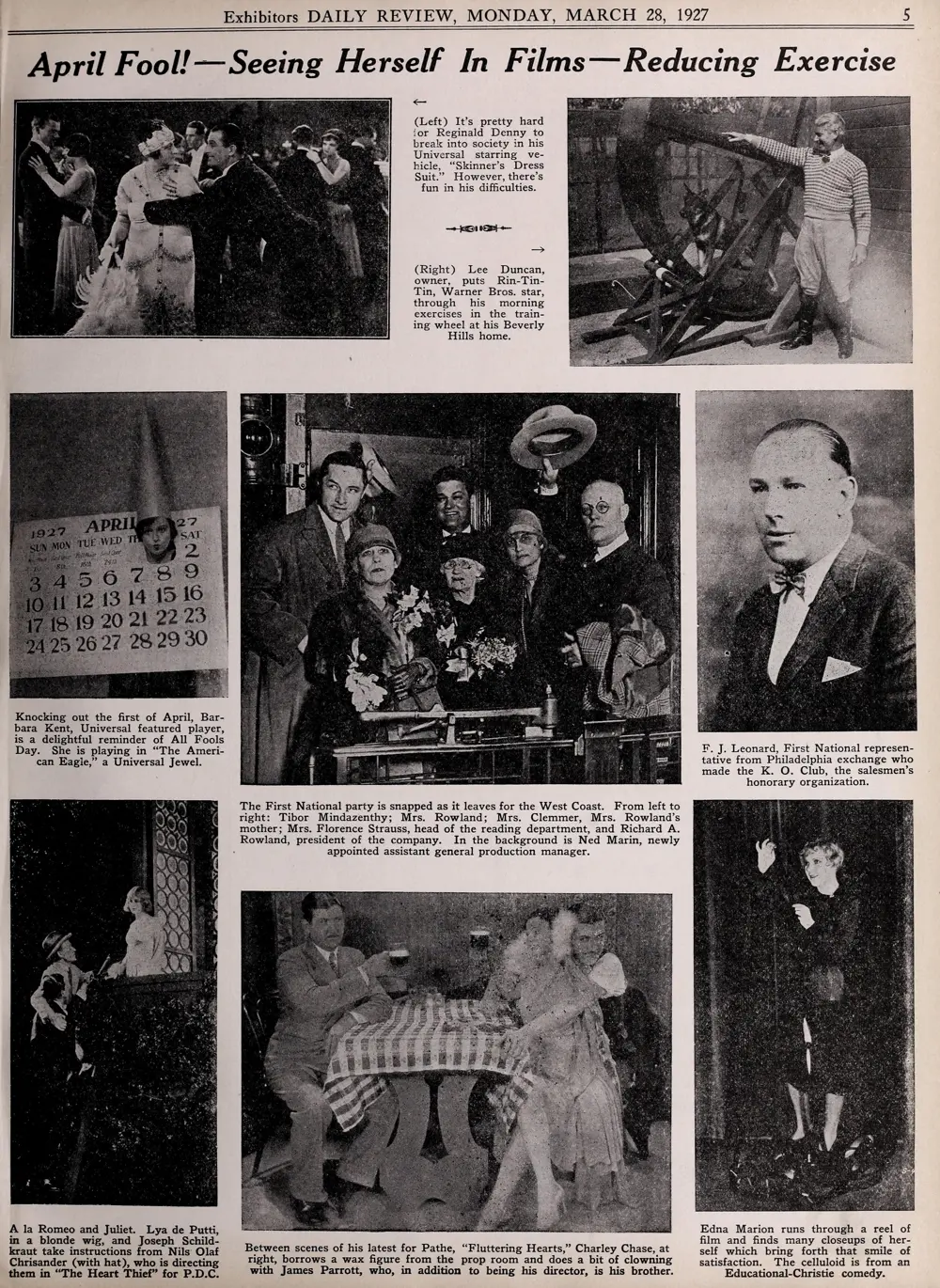
The film is worth watching for the Hardy-Chase dynamic alone. Seeing these two giants of comedy before their styles were fully codified is like watching a rough diamond being cut. It’s jagged. It’s a bit messy. But it shines brighter than most of the over-produced features of the same year.
Pros:
Cons:
The direction (often attributed to James Parrott, though Roach himself had a hand in everything) is remarkably focused on the 'gag.' There is no wasted space. Every shot is designed to either set up a joke or deliver a punchline. This is a contrast to the more atmospheric work found in The Moment Before. Here, the camera is a witness to the chaos, often placed at low angles to emphasize the speed of the cars and the height of the actors.
The pacing is where Fluttering Hearts truly excels. It’s a twenty-minute film that feels like five. The transition from the domestic argument to the street chase is handled with a snap. H.M. Walker’s titles are punchy and avoid the flowery prose common in silents of the era. He lets the actors do the heavy lifting. When the father is shown sweating over his letter, the title card doesn't explain his fear; it mocks it. This cynical edge is what keeps the film from feeling like a dusty relic.
"The sale scene is a terrifyingly accurate depiction of human greed, played for laughs but filmed like a riot. It’s the most honest moment in 1920s comedy."
Fluttering Hearts is a jagged, joyful piece of silent cinema. It doesn't try to be high art, and that is its greatest strength. It is a film about movement—cars moving, people running, and hearts fluttering (mostly from the stress of a police chase). It works. But it’s flawed. The reliance on a wealthy benefactor to solve the plot's problems is a bit of a cop-out, yet it fits the breezy, escapist tone of the Hal Roach shorts. If you want to see a world where a motorcycle cop can be bribed with a smile and a millionaire can solve your blackmail problems, this is the film for you. It’s a 20-minute shot of pure adrenaline that reminds us why we fell in love with the movies in the first place.
IMDb —
1916
Community
Log in to comment.