DbcultAccessing Vault...
4.4/10
Senior Film Conservator
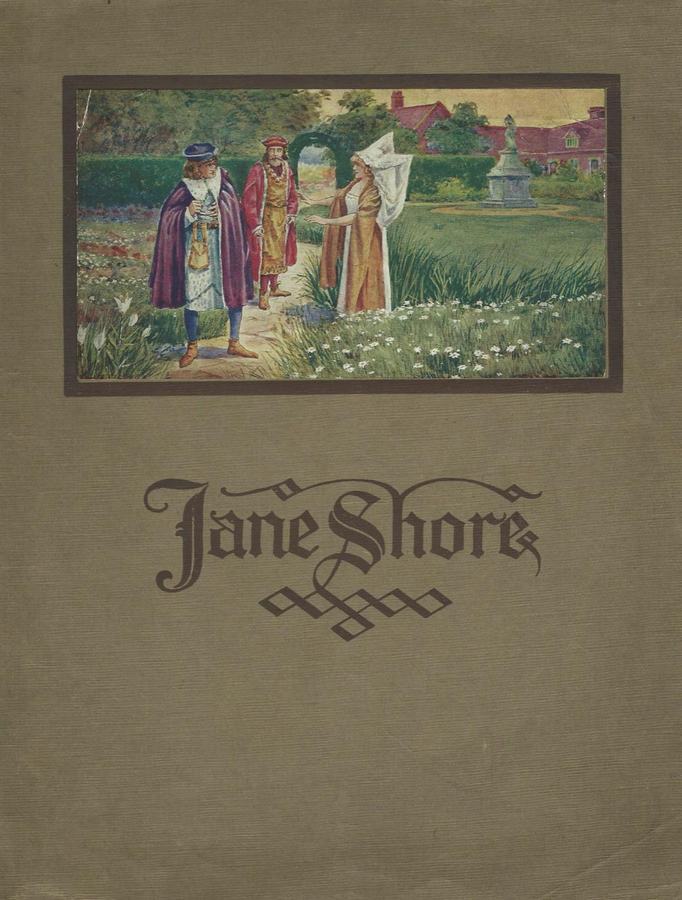
A definitive 4.4/10 rating for a film that redefined the boundaries of cult cinema. The Eternal Strife remains a cornerstone of transgressive art.
Imagine celluloid as a sheet of hammered goldleaf: hold it to the light and every crease becomes a corridor of power. The Eternal Strife—released in the bruised autumn of 1916 when Europe itself seemed struck upon an anvil—takes that conceit literally. It begins inside a forge whose embers are hand-tinted burnt-orange, so that every spark registers like a comet against the monochrome dusk. We see furnaces inhale, bellows exhale, and Blanche Forsythe’s Isolde framed between them as if she, too, were a malleable metal still deciding what shape love will force her to take.
Nicholas Rowe’s scenario, stitched together from Elizabethan fragments and fin-de-siècle decadence, refuses the moral absolutes that silent cinema of the period so often painted in broad white-and-black strokes. Isolde’s bargain with the sovereign is not sin but metallurgy: she offers her body as ore to be coined into her husband’s survival. Thomas H. MacDonald’s monarch—half Saturn, half satyr—doesn’t merely lust; he hoards. His obsession is less erotic than numismatic: he wants to possess the one jewel he cannot mint. Thus every caress becomes a die stamp, every whispered endearment a mintage pressed into the treasury of his ego.
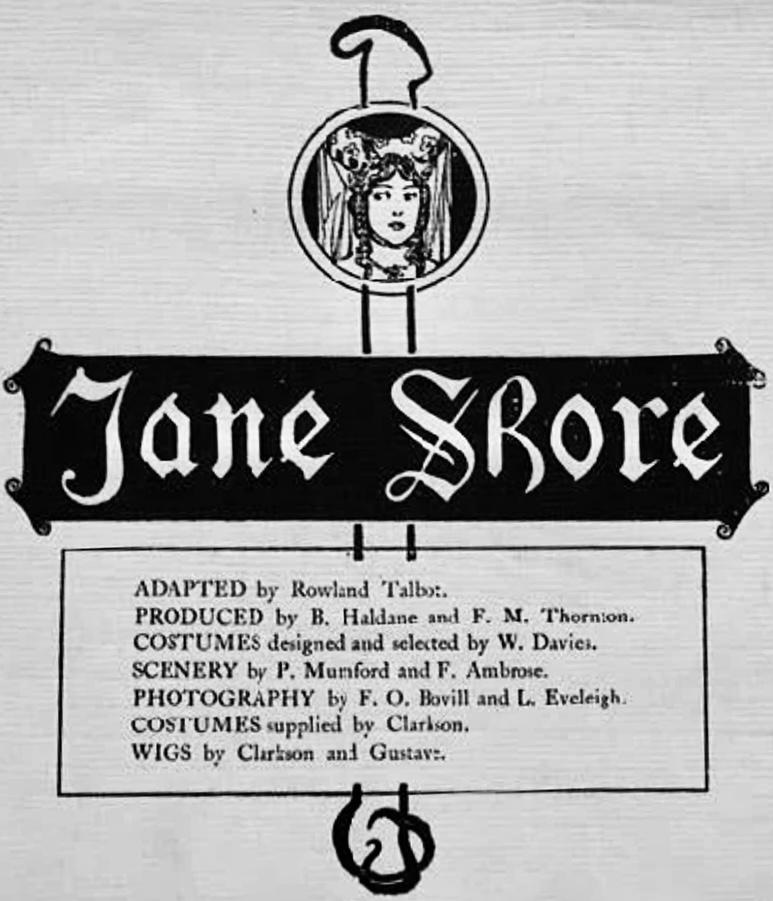
The film’s second act relocates tension from bedchamber to throne-room, where candle-smoke and court gossip swirl into a single, suffocating vapor. Rowland Talbot’s intertitles—lettered in uncial script that glows faintly crimson—quote pseudo-apocryphal verses: “A crown is but a collar of lead whose inside is lined with blood.” It’s a line that could fall into purple bombast, yet onscreen it lands like a drop of molten lead on skin; the film has already trained us to feel history as metallurgic pain.
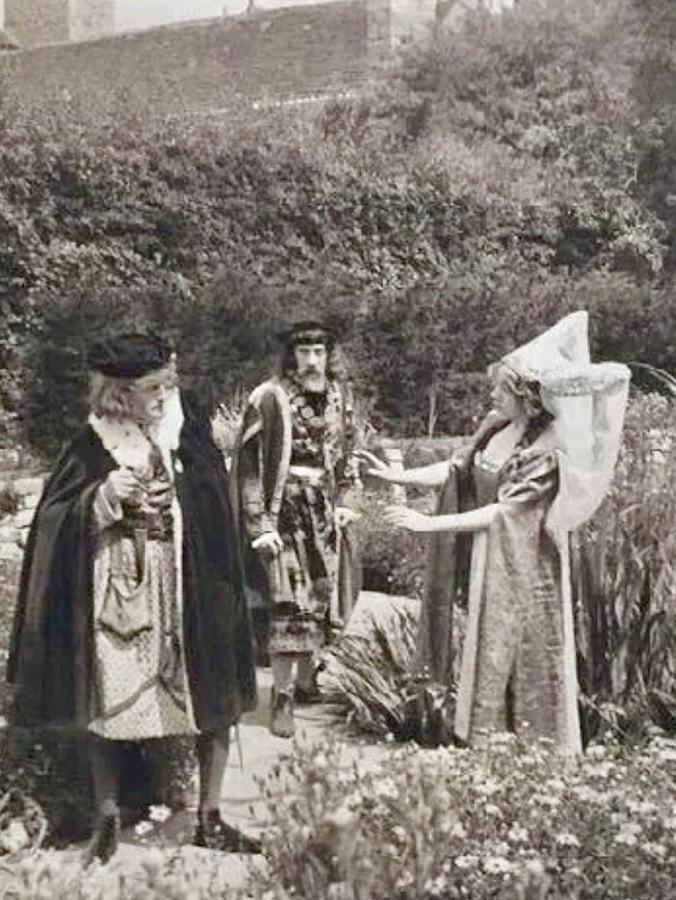
Forsythe’s acting style oscillates between the tremulous minimalism of Nell Gwynne and the volcanic interiority later glimpsed in Tess of the D’Urbervilles. Watch her pupils in the extreme close-up that precedes the seduction scene: they widen not with fear but with the recognition that desire itself can be a weaponized currency. MacDonald counterbalances with a louche physicality—every step leaves a residue of entitlement on the flagstones. Their clash is filmed in a single, unbroken medium shot that lasts ninety seconds, an eternity for 1916, allowing the space between their bodies to become a battlefield of shifting power differentials.
Roy Travers as the senior courtier provides a serrated edge of comic sadism, his eyebrows penciled into inverted circumflexes that telegraph every intrigue. Robert Purdie’s turn as the imprisoned goldsmith is mostly conveyed through insert shots of hands: scarred, trembling, yet still capable of air-sculpting the memory of a chalice. The performance is so kinetic you can almost hear metal clang though the film itself is silent.
Director Rowland Talbot, who cut his teeth on travelogues like Assisi, Italy, imports a documentarian’s hunger for texture. Grainy stock is over-printed with actual gold dust during the melting sequence, so that when the camera pans across the crucible the frame appears to bleed specie. The tinting schema is rigorously symbolic: amber for the forge, viridian for the dungeon, lavender for the moonlit garden where Isolde rehearse her assassination. The final tableau—Elric stumbling into blinding daylight while clutching a fistful of cooling metal—was shot at dawn on the Kent coast, fog diffusing the sun into a molten wafer that seems to fuse sky and sea into a single sheet of bullion.
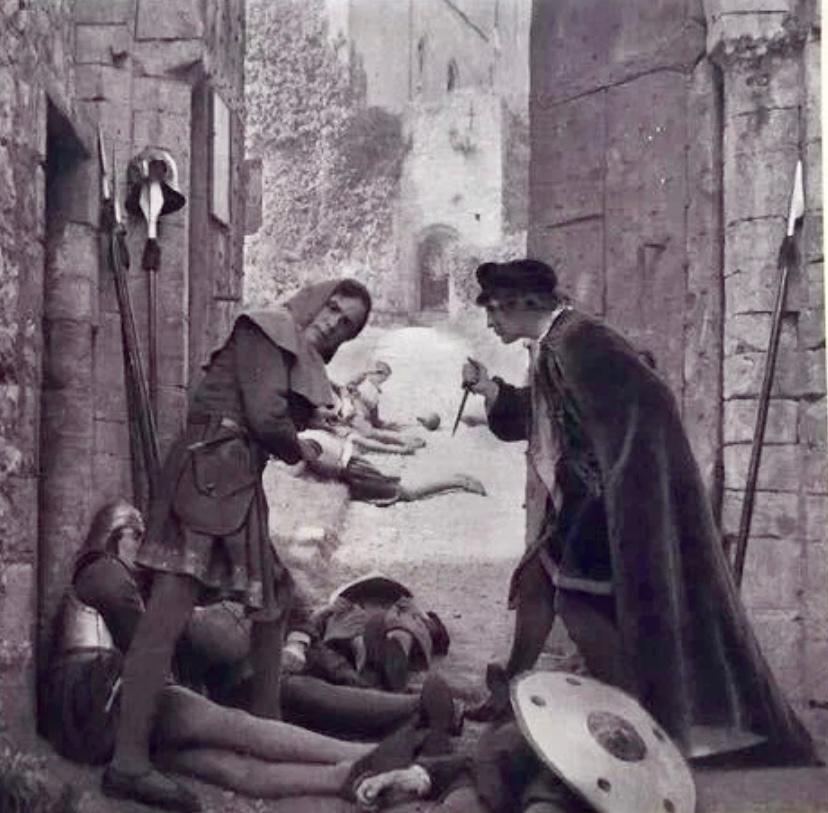
Unlike the femme fatale of The Traitress, Isolde’s sexuality is not a trap but a promissory note. The film interrogates the patriarchal ledger where female bodies serve as collateral against male debt. Yet it complicates the ledger: once inside the palace, Isolde discovers that the king’s own power is mortgaged to the spectacle of his invulnerability. By exposing that spectacle—literally melting the crown—she annuls both debts, rewriting the economy of monarchy into something anarchic and volatile.
This thematic audacity places The Eternal Strife closer to the moral vertigo of Slave of Sin than to the redemptive simplicity of A Pardoned Lifer. The film refuses to sanctify its heroine; it simply records the cost of her transaction in frames hot enough to scorch.
Editor W.G. Wills alternates between languorous long takes and staccato cuts that mimic hammer strikes. The most bravura sequence cross-cuts three temporal planes: the forging of the original crown (past), Isolde’s nocturnal bargain (present), and the imagined execution of Elric (future). The tripartite montage collapses into a single shot when the king’s face is superimposed over the crucible, implying that tyranny is the alloy where memory, desire, and terror fuse.
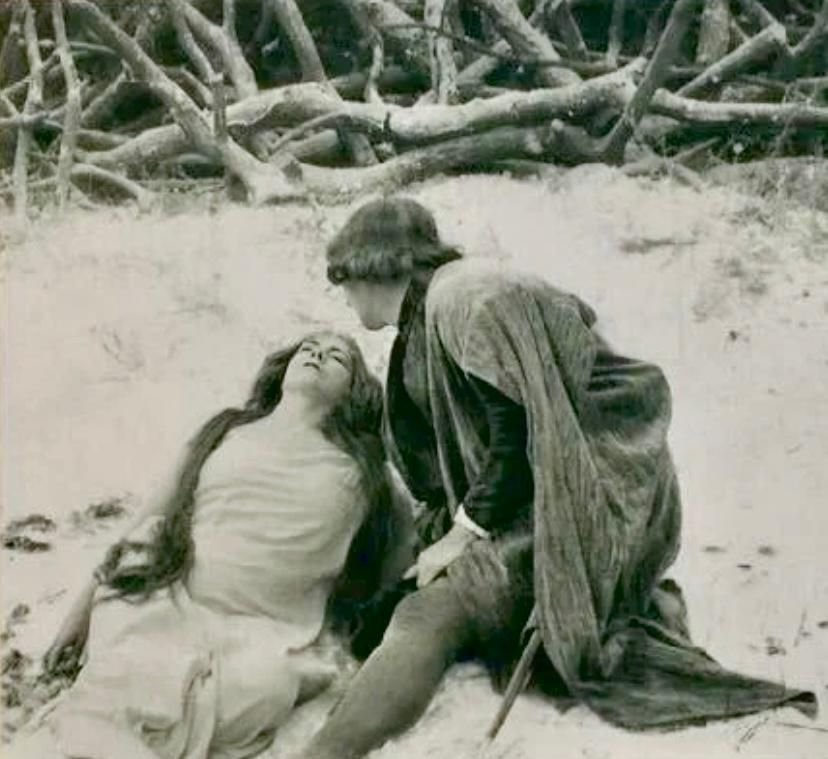
This temporal layering anticipates the narrative fractals later explored in Fantômas: The False Magistrate, yet it does so without the safety net of a serial structure. Here, the audience must assemble the chronology from shards, making the act of viewing itself a kind of metallurgic reconstruction.
Though released without a prescribed score, contemporary exhibitors often accompanied the picture with a percussive ensemble: anvils struck offstage, chains rattled in wax bowls, cello strings prepared with metal clips to imitate the rasp of files against silver. Archival reports from the Pavilion Theatre, Hull, describe audiences gasping at moments when the offstage blacksmith mistimed his blow, creating a syncopated jolt that fused diegesis and reality. Today, viewed on 4K restoration with a commissioned accompaniment by Edmund Farrow, those same hammer beats land like Morse code from a lost century, reminding us that cinema was never truly silent—only speaking a language we have forgotten how to hear.
Where The Typhoon channels natural catastrophe into melodrama, The Eternal Strife locates the tempest inside fiscal policy and flesh. Both films climax with a wife’s sacrificial gesture, yet the earlier picture externalizes guilt through storm imagery while the latter internalizes it until the body itself becomes a crucible. One film shouts; the other whispers through clenched teeth.
Shot during the Somme’s opening salvos, the production smuggles wartime anxieties into medieval dress. The king’s demand for limitless bullion mirrors Parliament’s insatiable appetite for war metal; Isolde’s body, offered up to keep the forge cold, becomes a surrogate for every colonial resource requisitioned under duress. When the final crown liquefies, the image resonates with newsreels of artillery melted for scrap—an uncanny prophecy that gives the film a metallic aftertaste of propaganda without ever naming the front.
For decades the negative was assumed lost in the Blitz until a 1998 attic discovery in Antwerp yielded a decomposing nitrate print. The 2019 restoration by the BFI’s Unlocking Film Fund reconstructed missing intertitles from censorship records stored in the Home Office, producing a 97-minute cut that premiered at the London Film Festival with a live score by the BBC Concert Orchestra. Kino Lorber’s 2022 Blu-ray offers both the tinted and a rare black-and-white export version, alongside a commentary track that excavates the political allegory with forensic zeal.
Great art should leave scars; The Eternal Strife leaves brands. It is not merely a relic of early British cinema but a molten core from which later masterpieces poured—echoes of its gendered economics reverberate in The Naked Truth, while its chiaroscuro forges anticipate the moral darkness of The Reckoning. Watch it not as penance for cinephile completism but as alchemy: let the embers tint your retina, let the clang linger in your marrow, and emerge newly minted—sharp enough to cut through the gilded lies of any era.
IMDb 5.1
1928
Community
Log in to comment.