DbcultAccessing Vault...
5.8/10
Senior Film Conservator
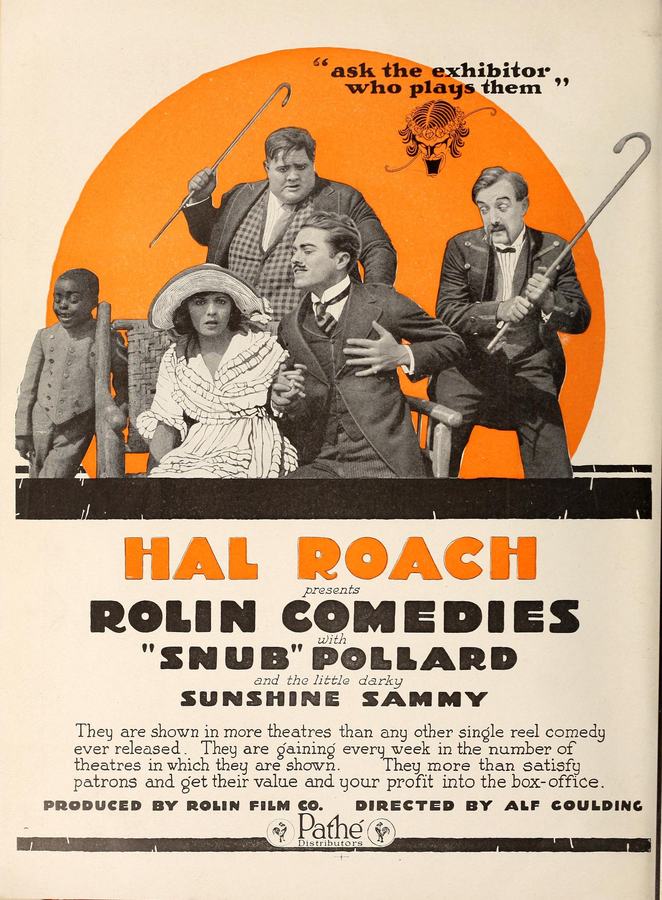
A definitive 5.8/10 rating for a film that redefined the boundaries of cult cinema. Fresh Paint remains a cornerstone of transgressive art.
Ninety-odd years before TikTok turned pratfalls into micro-dopamine, Fresh Paint was already sprinting ahead of the curve, celluloid tongue firmly in cheek, determined to prove that the shortest distance between high art and low comedy is a banana-yellow bicycle seat.
Picture Pollard—rubber-limbed, pop-eyed, a Buster Keaton who’s been stretched on a taffy hook—arriving at a villa that looks looted from a Sargent soirée. The iron gates yawn like ironic lips; inside, marble satyrs leer at visitors who might as well be trespassers in the Garden of earthly leaseholders. The whole estate is a dare: can a film survive on nothing but flirtation, pigment, and the physics of collapsing scaffolding? Answer: gloriously, yes.
The script, a tissue-thin pretext for catastrophe, is nevertheless tattooed with double entendre. When Snub’s courier pouch is swapped for a palette, the gesture whispers: commerce and art are both delivery systems for desire. The models—Mosquini leading the pack—flaunt the new freedoms of 1920: calves, collarbones, and the audacity to laugh while still being painted. Their scanty costumes aren’t mere titillation; they’re heraldic flags announcing the death of Victorian drapery.
Director Charley Chase (hiding behind the pseudonym Charles Parrott) orchestrates destruction like Satie composing a gymnasium. Every set piece is a fugue: ladders become metronomes, buckets mutate into chandeliers, and a descending dumbwaiter scores the bass line. The camera, usually nailed to the floor in early two-reelers, here glides—modestly, but enough to let us ogle the trompe-l’oeil chaos. One tracking shot pursues Young’s cuckolded husband through a corridor of Renaissance reproductions; as he passes, painted nymphs seem to wince at his cuckold fury, a visual gag worthy of Tex Avery a decade early.
Gaylord Lloyd, Harold’s lesser-known sibling, plays the artist with the languid cruelty of a man who trusts beauty to fight his battles for him. He appears only long enough to ignite the plot, then evaporates—an absent god content to let mortals smear themselves into masterpieces. Mosquini, all gams and gaze, weaponizes girlishness; her sidelong smirk at the camera is a dare, breaking the fourth wall before critics had even built it. Noah Young, meanwhile, is a Neanderthal in a three-piece suit, his swings so wild they threaten to punch through the film itself. When he rips a canvas thinking it’s a paramour, we feel nitrate shudder.
Though technically black-and-white, the picture drips with color synesthesia. Intertitles—hand-tinted amber in the surviving print—shout “RED!” when a model streaks carmine across Snub’s cheeks. Critic-historian William K. Everson claimed audiences swore they saw turquoise in the oil-slicked puddles, proof that imagination can outpace Technicolor.
Released mere months before Prohibition tightened its grip, Fresh Paint is a cocktail without the liquor: intoxicated on nudity, mobility, and the sudden possibility that the working boy might pedal straight into the mansion. Compare it to Fairy of Solbakken’s pastoral moralizing or The Sealed Envelope’s Victorian claustrophobia, and you see how swiftly American slapstick was dynamiting the old world.
Today’s viewers, armed with gender-studies radar, might flinch at the husband-as-avenger trope. Yet the film slyly undercuts him: every punch lands on a door, a canvas, or his own reflection. The women—ostensibly objects—control space like chess grandmasters, shifting positions the instant male attention wavers. In one sublime cut, Mosquini locks eyes with the camera, then ducks behind an unfinished nude self-portrait; the resulting superimposition makes her both artist and muse, subject and object reconciled in a single mischievous wink.
Most prints circulated after 1925 were recut for juvenile matinees, scissoring the racier towel-dance sequence. The 2018 4K restoration, scraped from a Portuguese collector’s nitrate negative, reinstates 43 seconds of Mosquini’s shimmy—enough to make archivists blush. Watch for the splice where the grain puckers like goose-flesh; that’s history stitching itself back into flesh.
I screened it with the Mont Alto Motion Picture Orchestra’s new score—xylophones mimicking bicycle spokes, muted trumpet doing the husband’s huff. Yet part of me prefers the hollow clack of the projector alone, letting the absence of sound echo like the inside of a paint can. Silence, after all, is the purest primer.
You’ll spot its DNA in the Marx Brothers’ A Night at the Opera dressing-room avalanche, in the rainbow explosion of From Caterpillar to Butterfly, even in the slow-motion paintball symphonies of 1990s adverts. Like a drop of vermilion in water, Fresh Paint keeps dispersing, tinting everything it touches.
Is it a masterpiece? No, thank heavens—masterpieces hang in climate-controlled corridors. Fresh Paint is a sidewalk caricature that leaps off the pavement, grabs you by the collar, and smooches paint onto your lips. It is imperfect, irreverent, and absolutely necessary. Watch it at midnight, projector humming like a hornet, and you’ll swear the very air smells of linseed and possibility.
—Celluloid Apothecary, May 2024
IMDb 2.4
1928
Community
Log in to comment.