DbcultAccessing Vault...
6.9/10
Senior Film Conservator
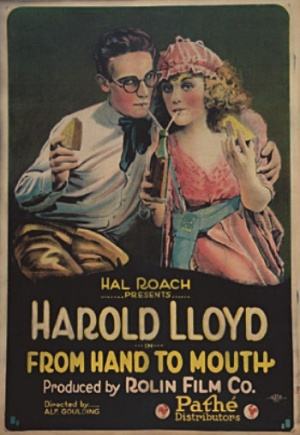
A definitive 6.9/10 rating for a film that redefined the boundaries of cult cinema. From Hand to Mouth remains a cornerstone of transgressive art.
In the bustling, burgeoning landscape of early 20th-century cinema, amidst the burgeoning behemoths of epic dramas and the nascent art of the feature film, there existed a particular genius for distilling life's absurdities into pure, unadulterated hilarity. Harold Lloyd, a name synonymous with the 'glasses character' and an architect of the silent screen's most enduring gags, carved out a unique niche, a blend of aspirational everyman and daredevil stunt performer. His 1919 offering, From Hand to Mouth, stands as a vibrant, kinetic testament to his burgeoning comedic prowess and the intricate narrative craft of the era. This isn't just a film; it's a meticulously constructed comedic engine, designed to elicit gasps, guffaws, and a genuine sense of rooting for the underdog.
The film plunges us headfirst into the chaotic existence of 'The Boy,' played with inimitable charm and boundless energy by Lloyd himself. He is a figure of profound destitution, a character whose daily struggles are etched onto his threadbare attire and the perpetual hunger in his eyes. Yet, crucially, he is not defined by his poverty. Instead, he embodies an indomitable spirit, an almost naive optimism that propels him through a world seemingly designed to thwart his every effort. This fundamental characterization is what elevates Lloyd's work beyond mere slapstick; his protagonists, even in their most ludicrous predicaments, retain a relatable humanity, a spark of resilient hope that resonates deeply with audiences across generations.
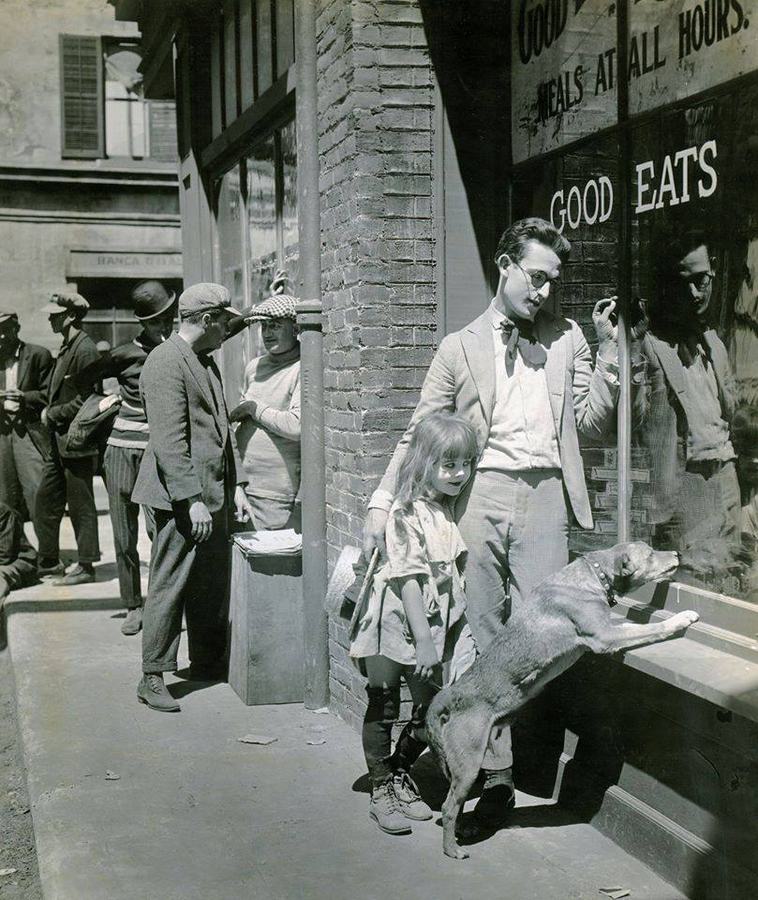
The narrative, deftly penned by Harold Lloyd himself alongside H.M. Walker, weaves a surprisingly complex tapestry for a two-reeler of its time. Our penniless hero inadvertently crosses paths with a young heiress, portrayed with captivating grace by Mildred Davis, who finds herself in dire straits. Her inheritance, a substantial sum, is being systematically siphoned away by a cabal of unscrupulous guardians and their henchmen, led by the menacing Charles Stevenson and the conniving John Warnack. These villains are not one-dimensional caricatures; they exude a palpable sense of menace, providing a genuine dramatic foil to Lloyd's comedic escapades. The stakes are immediately apparent: the heiress faces not only financial ruin but also the grim prospect of forced institutionalization, a fate far more chilling than a simple monetary loss. It's a testament to the script's cleverness that it manages to balance such weighty themes with the inherent levity of Lloyd's comedic style.
The initial encounters between The Boy and the Heiress are a masterclass in comedic misdirection and escalating absurdity. From a chance meeting in a park to a series of misunderstandings, Lloyd expertly builds the foundation for their unlikely alliance. His attempts to procure food, which invariably lead to chaotic interactions with the law (personified by the ever-stern Noah Young), serve not only as standalone gags but also as crucial plot points, pushing him further into the heiress's orbit. The film brilliantly uses these seemingly disparate threads to slowly tighten the knot of the main plot, drawing our hero inexorably into a world of wealth, conspiracy, and genuine danger. It’s this organic integration of comedy and plot progression that makes the film feel remarkably cohesive, distinguishing it from many contemporaneous shorts that often favored episodic gags over a strong central narrative.
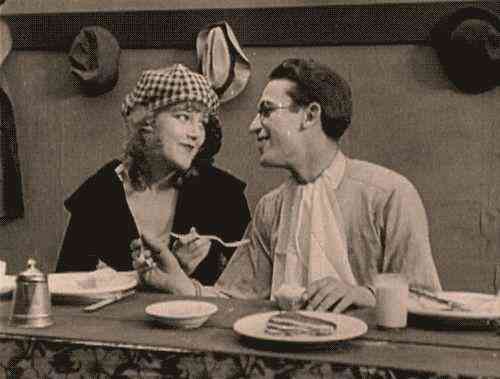
No discussion of Harold Lloyd is complete without acknowledging his extraordinary physical comedy and daring stunts. From Hand to Mouth is replete with moments that showcase his agility, timing, and willingness to push boundaries. The climactic chase sequence, a hallmark of Lloyd's films, is an exhilarating display of kinetic energy. The Boy, often propelled by sheer desperation, navigates rooftops, scurries through bustling streets, and narrowly escapes capture, all while maintaining that characteristic blend of earnestness and wide-eyed panic. These sequences are not merely spectacles; they are integral to the emotional core of the film, symbolizing the hero's struggle against overwhelming odds.
The supporting cast, a veritable who's who of silent comedy stalwarts, contributes significantly to the film's vibrant texture. 'Snub' Pollard, with his perpetually bewildered expression, adds another layer of comedic relief, often finding himself caught in the periphery of Lloyd's escalating chaos. Sammy Brooks, J.H. Hawkins, and Gaylord Lloyd (Harold's younger brother) round out a formidable ensemble, each playing their part in the intricate dance of comedic timing and character interaction. Even minor roles, like those of Marie Mosquini and Madeline Terry, are imbued with a distinct personality, preventing the film from feeling like a mere vehicle for its star. The collaborative spirit, evident in the seamless interplay between the actors, is a hallmark of the studio system at its finest, even in these formative years.
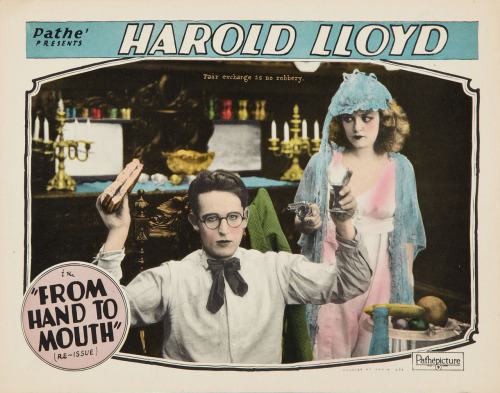
Under the steady hand of director Fred C. Newmeyer, the film maintains a brisk, engaging pace, never allowing a moment of slack. Newmeyer understood Lloyd's comedic rhythm implicitly, knowing precisely when to hold a shot for a reaction and when to unleash a flurry of frantic action. His direction, coupled with Lloyd's meticulous planning of gags and stunts, results in a film that feels remarkably modern in its construction, despite its age. The cinematography, though basic by today's standards, is effective in conveying both the grandeur of the urban settings and the intimacy of character moments. The use of intertitles is judicious, enhancing the narrative without over-explaining, a subtle art form in itself during the silent era.
Comparing From Hand to Mouth to other films of its period, one can discern its unique blend of social commentary and pure entertainment. While films like The Terror might have sought to thrill with darker narratives, or Rasputin, the Black Monk aimed for historical grandeur, Lloyd's work grounded its spectacle in the everyday struggles of the common man. It shares a certain thematic resonance with films like Love Never Dies in its exploration of enduring human spirit, albeit through a radically different lens. Lloyd’s approach, however, always retained an accessible lightness, ensuring its appeal was broad and enduring. The contrast between the earnestness of the hero and the cynicism of the villains creates a dynamic tension that is both humorous and genuinely affecting.
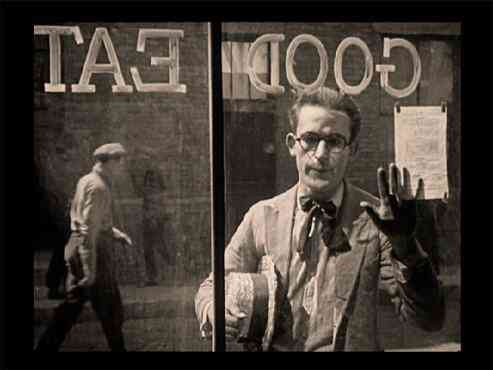
What truly sets Lloyd apart, and what makes From Hand to Mouth such a captivating viewing experience, is the inherent vulnerability and relatability of 'The Boy.' He isn't a superhero; he's just an ordinary fellow trying to make his way in the world, often overwhelmed but never entirely defeated. His heroism isn't born of strength or cunning, but of circumstance and an innate moral compass. This makes his eventual triumph, however small or grand, feel earned and deeply satisfying. When he finally helps the heiress secure her inheritance, it's not just a victory for them, but a vicarious victory for every viewer who has ever faced adversity with a hopeful heart.
The film’s thematic undercurrents, particularly the stark juxtaposition of wealth and poverty, are handled with a surprising degree of nuance for a comedy of its era. While played for laughs, the desperation of The Boy’s situation is never fully trivialized. This grounding in reality provides a subtle depth to the humor, allowing the audience to empathize with his plight even as they laugh at his predicaments. It’s a delicate balance, one that Lloyd and his creative team masterfully maintained throughout his career. This blend of social observation and pure escapism is a testament to the sophistication of silent film storytelling.
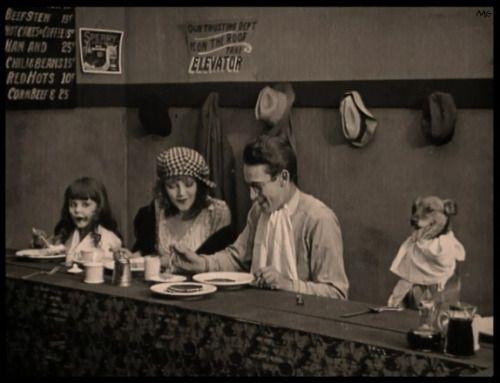
The sheer ingenuity in crafting a compelling narrative primarily through visual storytelling is something that modern audiences often overlook. From Hand to Mouth, like many of its contemporaries, relies on exaggerated gestures, expressive facial work, and brilliantly choreographed physical action to convey emotion, plot points, and character motivations. The cast, including the likes of Peggy Cartwright and Hazel Powell in smaller but memorable roles, understood this lexicon implicitly, delivering performances that transcended the absence of spoken dialogue. Their contributions, though often subtle, are crucial in building the rich, believable world within the film's brief runtime.
Even the villains, with their sneering expressions and furtive glances, communicate their malevolence without uttering a single word. This non-verbal communication is a lost art, and watching films like this reminds us of the profound expressive potential of the human body and face. The rhythm of the editing, the composition of each shot, and the precise timing of every gag – all converge to create a seamless flow of information and emotion. It's a testament to the collective genius of Harold Lloyd, H.M. Walker, and Fred C. Newmeyer that they could distill such a rich and engaging story into a format that, in less capable hands, might have felt simplistic or underdeveloped.
Over a century after its initial release, From Hand to Mouth continues to captivate. It serves as an invaluable window into the stylistic conventions and thematic preoccupations of its era, while simultaneously offering timeless comedic relief. For aficionados of silent cinema, it's a foundational text; for newcomers, it's an accessible entry point into the world of Harold Lloyd, a world characterized by boundless energy, ingenious gags, and a deeply empathetic protagonist. Its restoration and digital availability have ensured that this cinematic gem can be appreciated by new generations, allowing its vibrant spirit to endure.
The film's influence can be seen in countless subsequent comedies, particularly in its pioneering use of escalating stakes and a character-driven approach to physical humor. Lloyd’s ability to generate laughter from both the mundane and the spectacular, and to infuse his stunts with a genuine sense of peril, set a benchmark for future generations of comedians and filmmakers. It's a film that reminds us that true artistry, whether in the realm of high drama or pure comedy, transcends the limitations of its medium and its time. The meticulous craftsmanship, the vibrant performances, and the sheer joy emanating from every frame ensure its place in the pantheon of cinematic classics.
In conclusion, From Hand to Mouth is far more than a simple silent comedy; it is a meticulously crafted piece of cinematic art that embodies the very best of Harold Lloyd's genius. It’s a delightful, thrilling, and ultimately heartwarming journey that continues to resonate with its audience, proving that the universal language of laughter, courage, and the pursuit of justice is truly timeless. If you seek a glimpse into the foundational brilliance of comedic cinema, look no further than this enduring masterpiece.
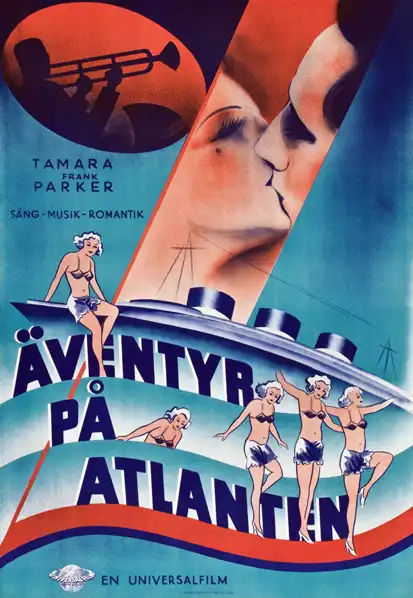
IMDb 5.3
1935
Community
Log in to comment.