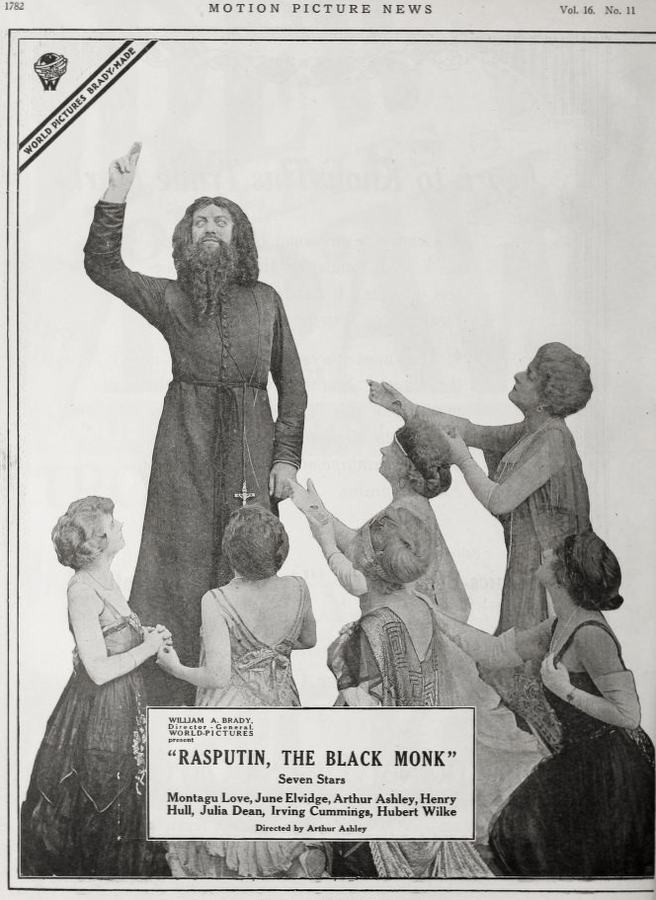
The story of the rise and fall of Rasputin, the so-called "mad monk" who dominated the court of the Russian czar in the period prior to the Russian revolution..
United States
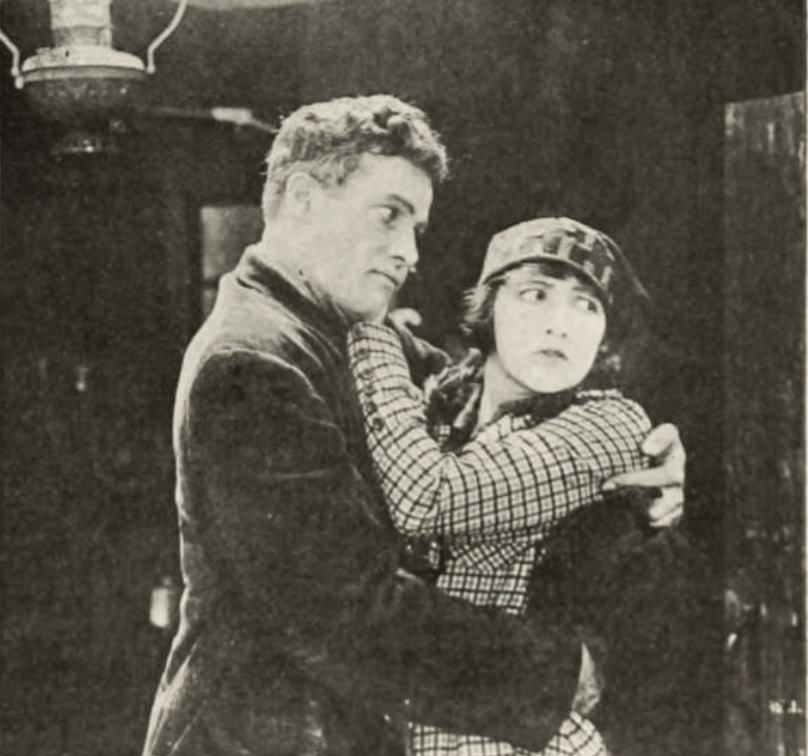
The first time I saw Rasputin, the Black Monk I was half-drunk on cheap kvass in a Rochester rep-house whose velvet seats bled more history than the film itself. The print was bruised, dupey, spliced together like a fevered confession; yet when Bertram Grassby’s hooded eyes filled the frame the room temperature droppe...
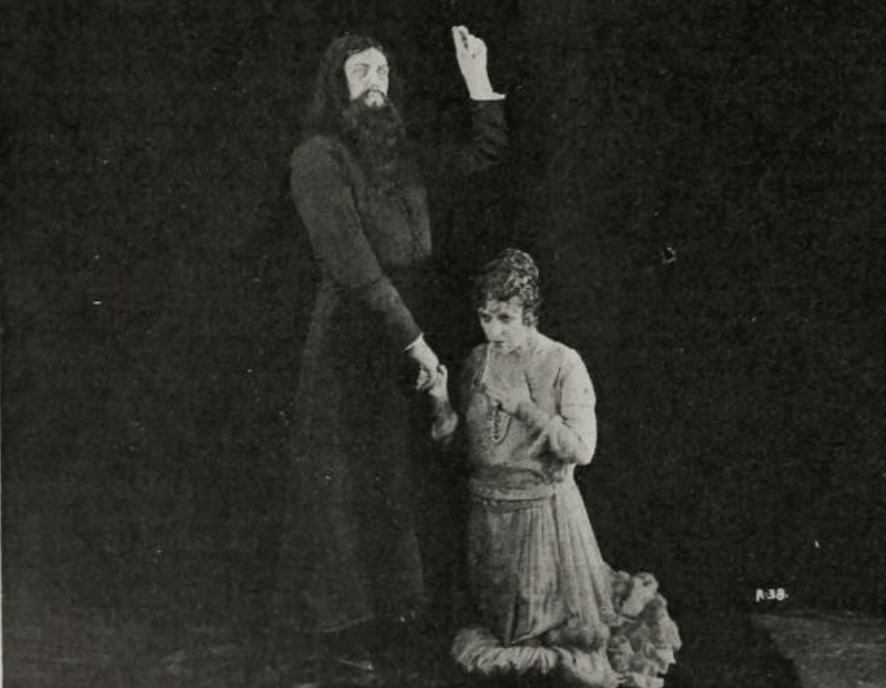
still_frame
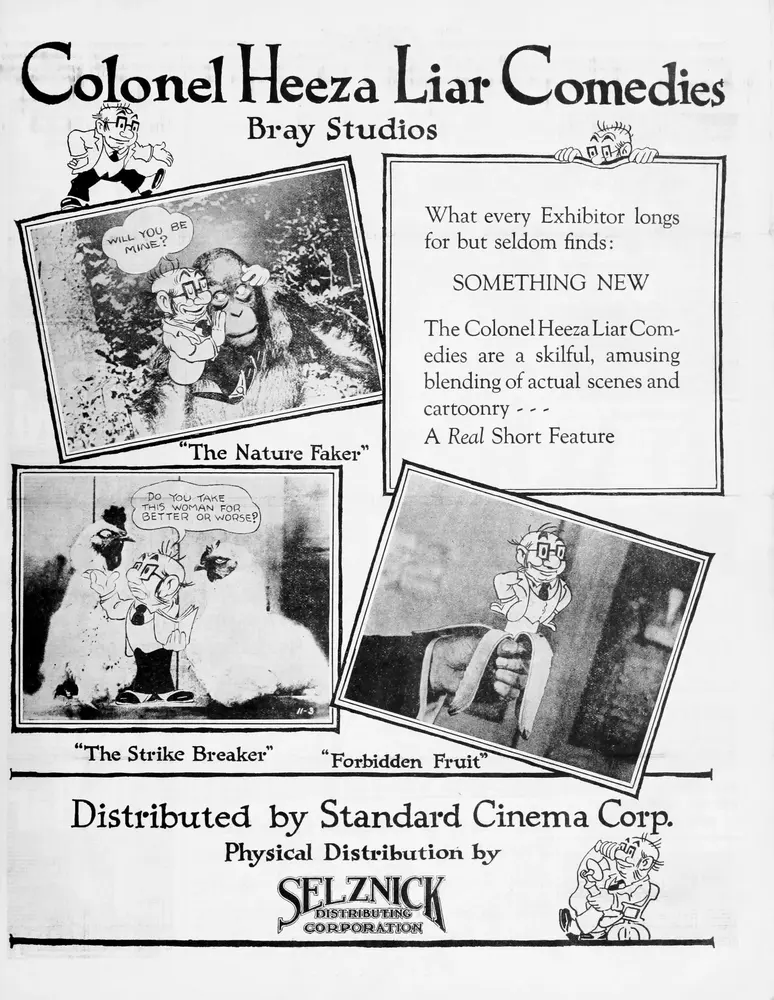
Comparing the cinematic DNA and archive impact of two defining moments in cult history.
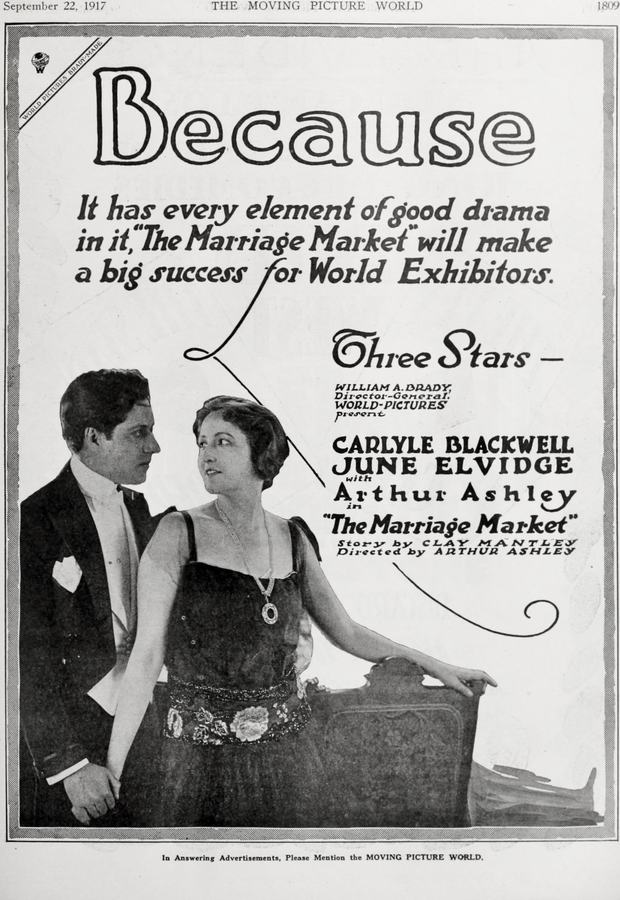
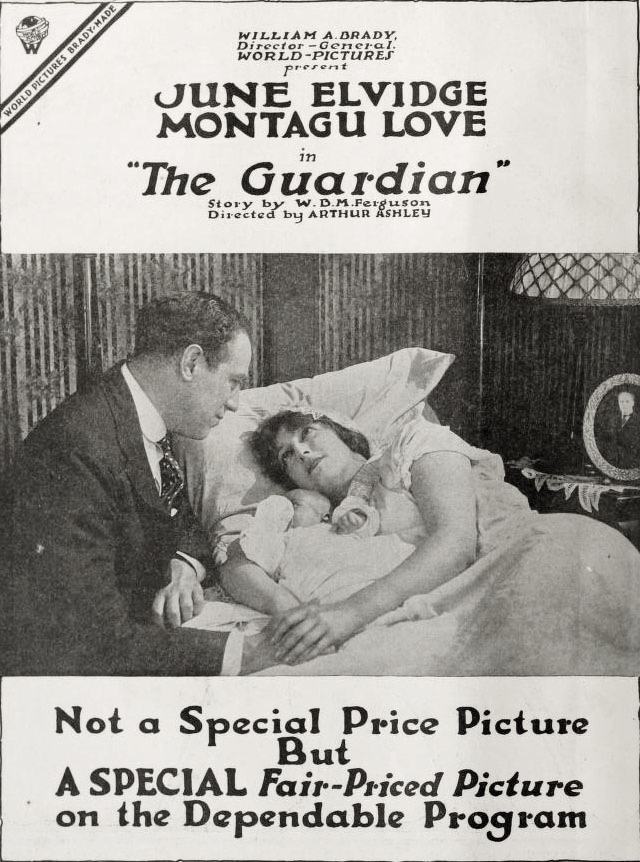
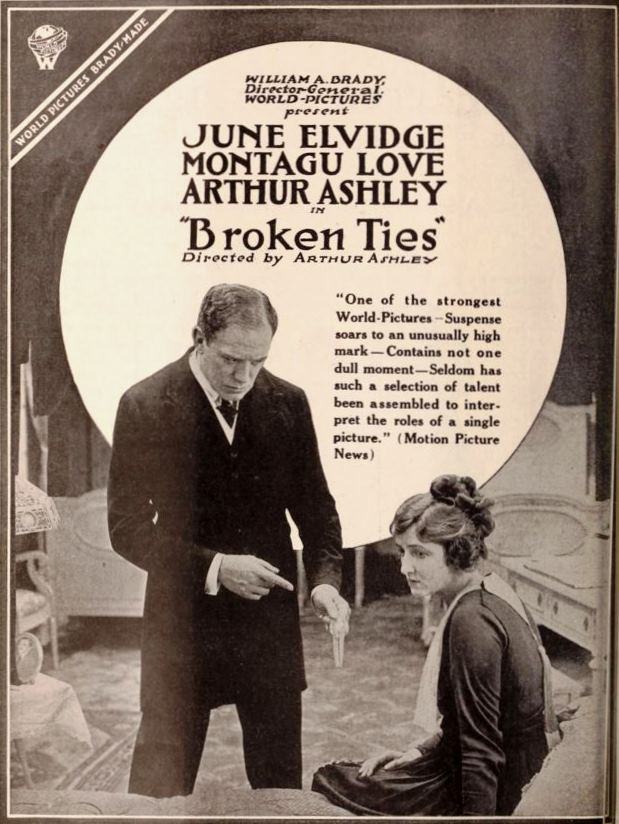
Arthur Ashley
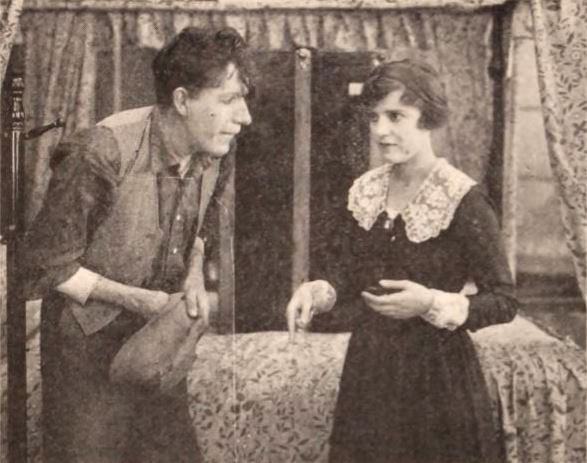
Arthur Ashley
Community
Log in to comment.
" The first time I saw Rasputin, the Black Monk I was half-drunk on cheap kvass in a Rochester rep-house whose velvet seats bled more history than the film itself. The print was bruised, dupey, spliced together like a fevered confession; yet when Bertram Grassby’s hooded eyes filled the frame the room temperature dropped five degrees. That is the occult pull of Arthur Ashley’s 1917 curiosity: it leaks off the screen and puddles in your shoes. A Celluloid Séance Forget every stately biopic gramma..."
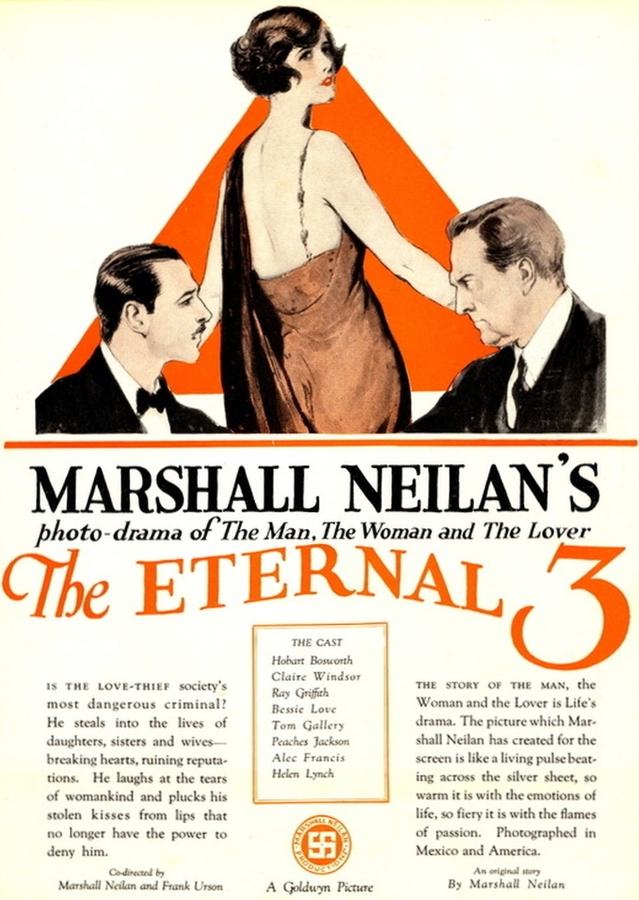
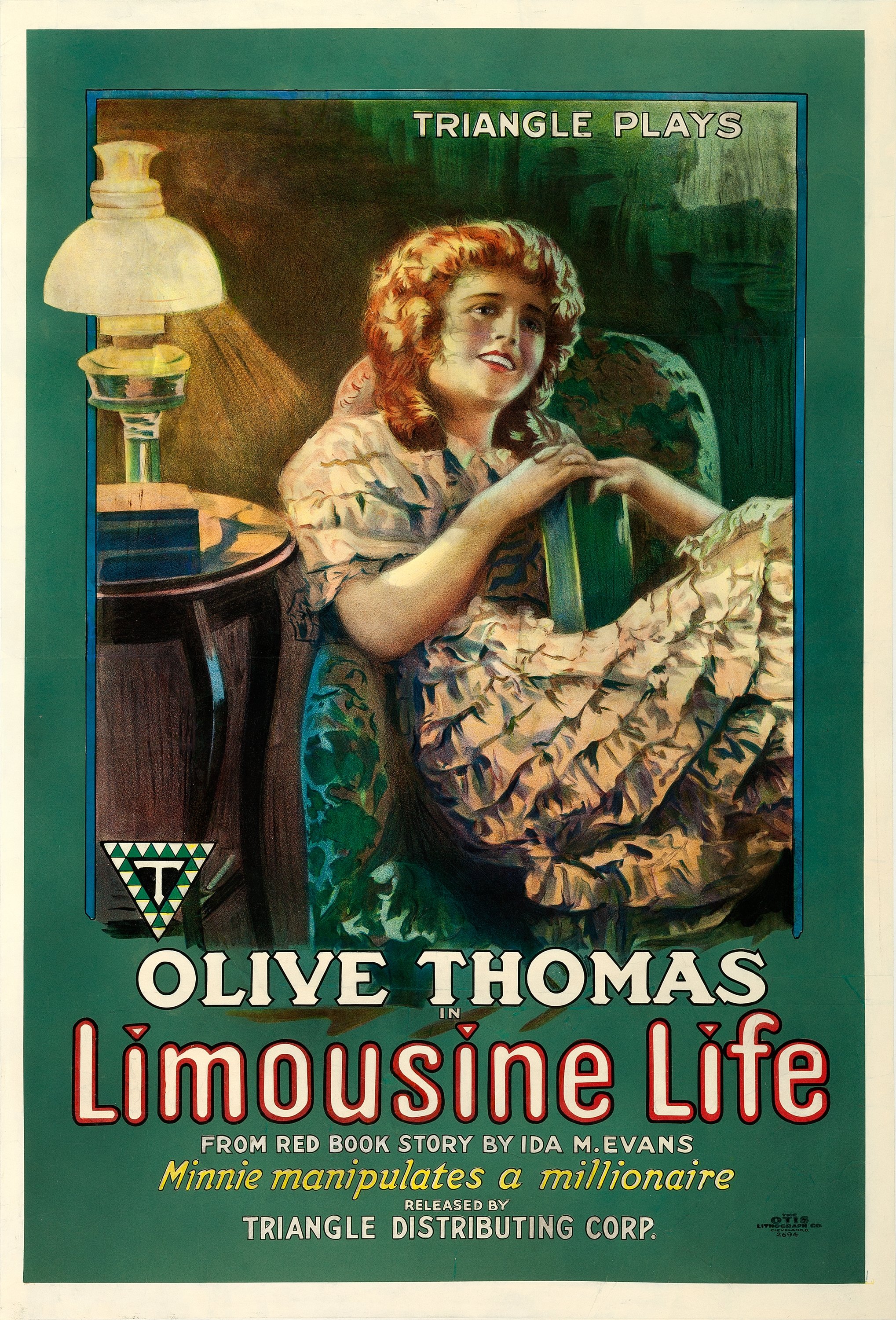
Deep dive into the cult classic
Discover similar cinematic experiences
A Directorial Spotlight on Arthur Ashley