DbcultAccessing Vault...
Cult Review
Senior Film Conservator
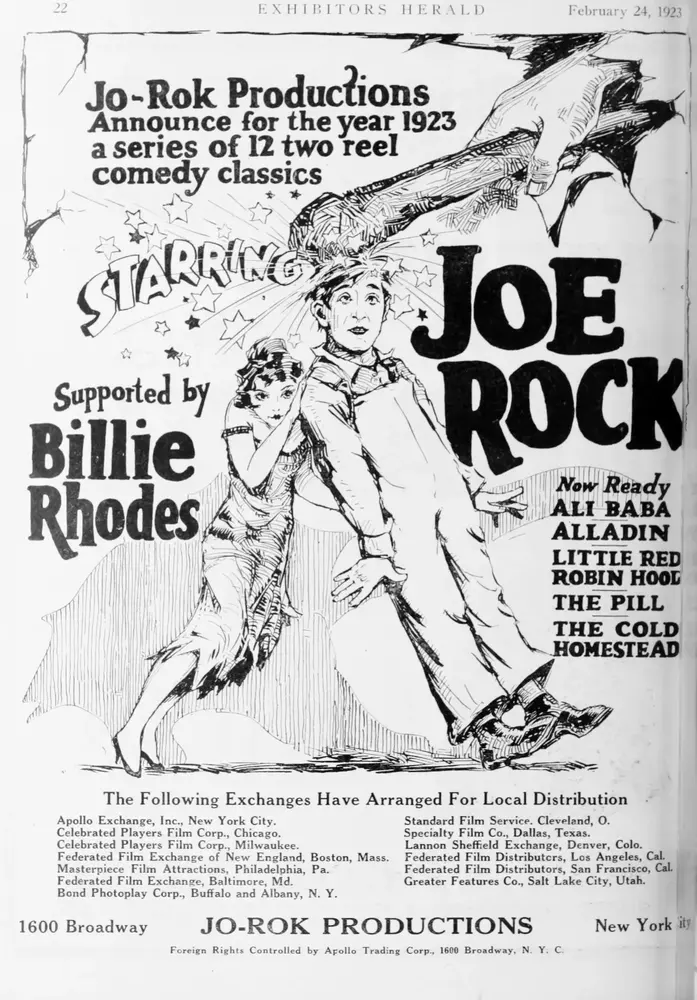
When the reels of "Funny Paper" begin to whirl, the audience is thrust into a metropolis that throbs with ambition, vice, and the relentless clatter of the printing press. Joe Rock, embodying the hapless yet determined Harold Finch, navigates a labyrinth of moral ambiguity with a physicality that feels simultaneously comic and tragic. His lanky silhouette against the soot‑blackened walls of the old newsroom evokes a visual metaphor for the fragile light of truth fighting to pierce the gloom.
The narrative unfurls like a meticulously typeset column: each scene a paragraph, each intertitle a footnote. The inciting incident—a dusty ledger of scandalous anecdotes—serves as both MacGuffin and thematic nucleus. It propels Finch from passive inheritor to active agitator, compelling him to resurrect the "Funny Paper" as a weapon of satire. The screenplay, though unsigned, demonstrates a deft hand at pacing; the first act establishes stakes with the quiet desperation of a dying press, the second act escalates with a series of exposés that ripple through the city’s power structures, and the third act culminates in a kinetic showdown that fuses slapstick choreography with high‑stakes drama.
Billie Rhodes, as Lila Marlowe, delivers a performance that transcends the silent medium’s constraints. Her expressive eyebrows and rapid, almost frantic gestures convey a journalist’s relentless curiosity. In moments of confrontation with the mayor’s cronies, Rhodes’ eyes flash with a ferocity that rivals any spoken retort. The chemistry between Rock and Rhodes crackles; their silent banter is punctuated by exaggerated glances and synchronized movements, reminiscent of the dynamic duos found in Thou Art the Man and The Wasp.
Supporting actors, though less heralded, imbue their roles with texture. The mayor, portrayed by a stern‑faced character actor, exudes an air of bureaucratic rot, while the crooked contractor, a hulking presence, embodies the physicality of unchecked capitalism. Their interactions with Finch and Marlowe are choreographed with a precision that mirrors the mechanical rhythm of the press itself.
Cinematographer Harold Glazer employs chiaroscuro lighting to accentuate the dichotomy between illumination and obscurity. The newsroom’s dimly lit corridors, punctuated by the harsh glare of the printing press, become a visual allegory for the struggle between truth and suppression. In a particularly striking tableau, a single shaft of amber light pierces the gloom, illuminating the ink‑stained hands of Finch as he feeds the machine—a moment that lingers like a still‑life of defiance.
The film’s set design, a mélange of Art Deco motifs and gritty industrial realism, situates the narrative firmly within its historical moment. The juxtaposition of opulent ballrooms with squalid speakeasies underscores the socioeconomic chasm that the "Funny Paper" seeks to bridge. This visual stratification recalls the aesthetic contrasts seen in Life's Blind Alley and Hungry Hearts.
At its core, "Funny Paper" is an exploration of the power of satire as a subversive force. The film interrogates the ethics of journalism, the perils of censorship, and the capacity of humor to destabilize entrenched authority. Each exposé published within the narrative is a micro‑essay on accountability, echoing the real‑world impact of muck‑raking publications of the era.
Thematically, the movie aligns with the rebellious spirit of Off His Trolley, wherein protagonists challenge societal norms through unconventional means. Finch’s transformation from a timid inheritor to a crusading editor mirrors the archetypal hero’s journey, yet the film subverts this trajectory by emphasizing collective action over solitary heroism—Lila Marlowe’s investigative prowess is indispensable, positioning the narrative as a duet of dissent.
The screenplay’s architecture is meticulously layered. Early scenes employ long, static shots that linger on the desolation of the newspaper office, establishing a somber mood. As the plot progresses, the editing becomes increasingly kinetic, mirroring the escalating tempo of the press. The climactic sequence—an orchestrated melee within the pressroom—utilizes rapid cuts, cross‑cutting between the frantic machinery and the protagonists’ desperate struggle, achieving a crescendo that feels both visceral and symbolic.
Intertitles are sparingly used, each one crafted with a wry, aphoristic tone that reinforces the film’s satirical undercurrent. The occasional use of bold, stylized fonts for headlines within the film adds a meta‑textual layer, inviting the audience to contemplate the interplay between printed word and visual storytelling.
When positioned alongside contemporaneous works such as The Strike Breaker and A Circus Romance, "Funny Paper" distinguishes itself through its unapologetic embrace of satire as a narrative engine. While many silent dramas of the period leaned heavily on melodrama, this film injects a razor‑sharp wit that feels prescient of later sound-era comedies.
The film also anticipates the narrative daring of modern satirical cinema, prefiguring the tonal balancing act later perfected by directors like Stanley Kramer and, more recently, by the creators of the "Fast and Furious" franchise, albeit in a vastly different genre. The underlying principle—using humor to critique power—remains a throughline across cinematic history.
Although "Funny Paper" is a silent picture, its original accompaniment—performed live in theaters—featured a ragtime piano score interlaced with brass motifs that punctuated moments of revelation. The music’s syncopated rhythm mirrors the erratic clatter of the printing press, while softer, melancholic passages accompany scenes of personal loss, thereby enriching the emotional texture without spoken dialogue.
Despite its modest box‑office performance upon release, "Funny Paper" has garnered a cult following among scholars of early American cinema. Its daring commentary on press freedom resonates in contemporary debates surrounding media integrity. Film historians frequently cite it as a precursor to the investigative journalism narratives that would later dominate both literature and film, including the seminal work Lord Loveland Discovers America.
The film’s preservation status remains precarious; only a fragmented print survives in the Library of Congress, prompting restoration efforts spearheaded by independent archivists. The ongoing quest to restore the missing reels underscores the broader imperative to safeguard cinematic artifacts that challenge sociopolitical norms.
"Funny Paper" stands as a testament to the enduring potency of satire, a reminder that the printed word, even when rendered in silent frames, can ignite revolutions. Its blend of visual inventiveness, performative nuance, and incisive commentary renders it a vital study for cinephiles, historians, and activists alike. The film’s final image—pages of the "Funny Paper" fluttering against a midnight sky—offers a visual haiku: ink, light, resistance.
IMDb 6
1926
Community
Log in to comment.