DbcultAccessing Vault...
3.8/10
Senior Film Conservator
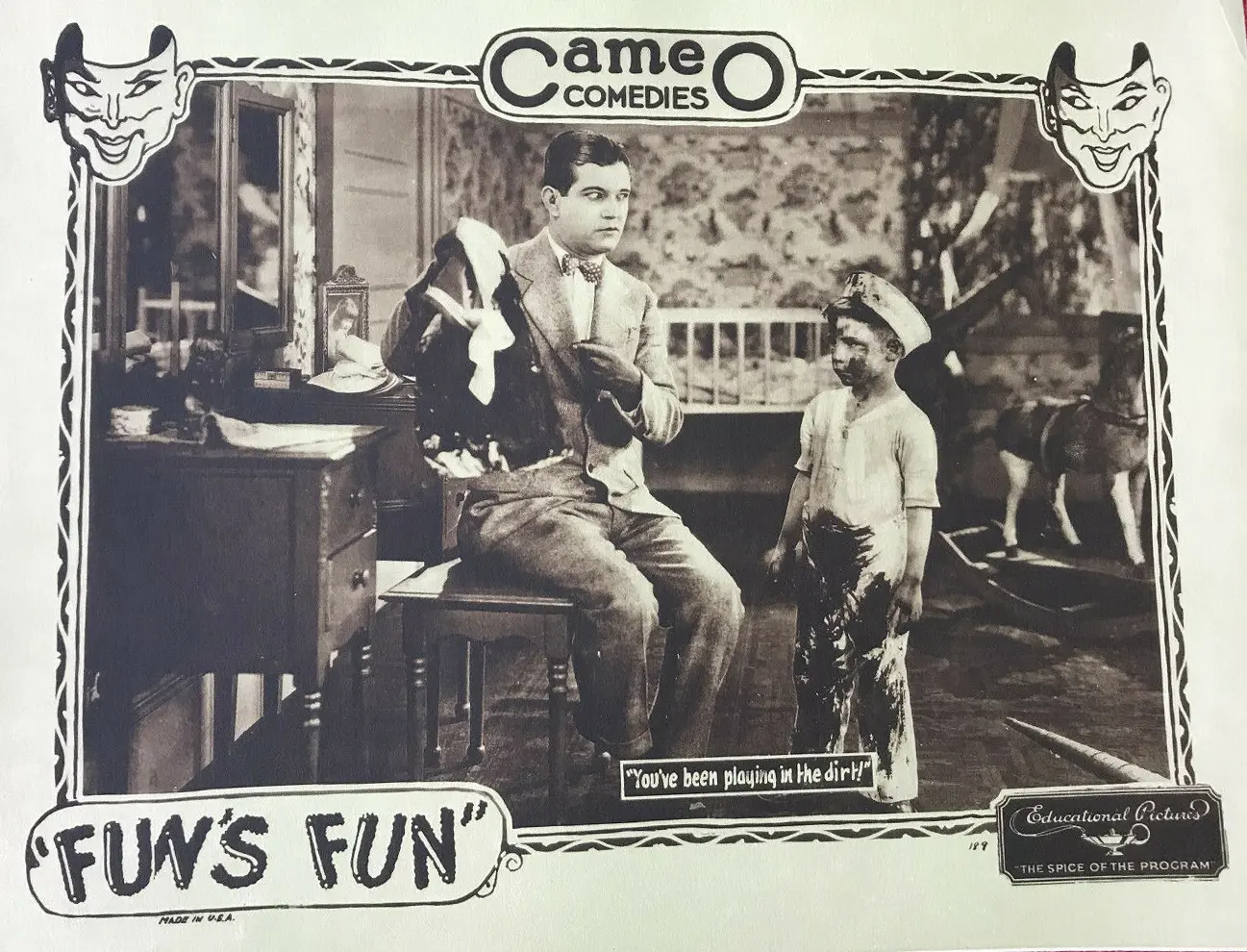
A definitive 3.8/10 rating for a film that redefined the boundaries of cult cinema. Fun's Fun remains a cornerstone of transgressive art.
Is 'Fun's Fun' worth watching today? Short answer: absolutely, but temper your expectations for a profound narrative; this is pure, unadulterated slapstick from an era long past, offering a fascinating glimpse into the foundations of screen comedy.
This film is a delightful diversion for enthusiasts of early cinema, silent comedy, and those who appreciate the foundational elements of physical humor, but it will likely leave modern viewers accustomed to intricate plots and sophisticated character arcs feeling somewhat underwhelmed by its simplicity.
This film works because... it masterfully executes simple physical comedy, relying on universal themes of domestic chaos that transcend time.
This film fails because... its narrative depth is non-existent, and its humor, while foundational, can feel dated or repetitive to a contemporary audience expecting more than escalating mess.
You should watch it if... you want a quick, nostalgic peek into the origins of comedic filmmaking, appreciate the raw craft of silent-era performers, or simply need a reminder of the timeless exasperation of parenthood.
Stepping back into the raucous world of silent-era shorts, 'Fun's Fun' emerges not as a forgotten relic, but as a vibrant, if brief, testament to the enduring power of physical comedy. This film, centered around the domestic tribulations of Cliff and Virginia, whose lives are upended by their 'belligerent youngster' and a similarly mischievous neighbor, is a masterclass in escalating chaos. It's a snapshot of a particular comedic sensibility, one that predates intricate dialogue and character psychology, opting instead for the primal, universal language of slapstick.
The plot, as sparse as it is, serves merely as a framework for a series of escalating gags. We are introduced to Cliff and Virginia, ostensibly proud parents, whose pride is swiftly put to the test. Their son, an agent of pure, unadulterated energy, finds his perfect accomplice in the neighbor's child. Together, they transform the family home into a battlefield of innocent destruction. This isn't a story of good versus evil, or even complex moral quandaries; it's a joyous, relentless assault on order, played for maximum laughs.
At its core, 'Fun's Fun' taps into a comedic vein that remains potent even today: the exasperation of adults confronted by the boundless, often destructive, energy of children. It’s a theme that resonates across generations, from early cinema to modern sitcoms. The film doesn't aim for sophisticated satire or profound social commentary. Instead, it revels in the simple, relatable spectacle of a tidy home being systematically dismantled by pint-sized agents of chaos. This direct approach might seem unsophisticated to contemporary eyes, but it is precisely this lack of pretense that gives the film its raw, enduring charm.
The humor is broad, physical, and relies heavily on visual cues and exaggerated reactions – the hallmarks of silent comedy. We can almost hear the crashes, the splatters, and the frantic shouts, even in the absence of sound. It's a testament to the performers' ability to convey emotion and narrative through gesture alone. The film, in its unapologetic embrace of pure spectacle, stands as a foundational text for understanding how early filmmakers captivated audiences without the benefit of spoken words.
Sidney Smith, Virginia Vance, and Cliff Bowes anchor this whirlwind of domestic pandemonium with performances that are, by necessity, larger than life. Vance, as Virginia, is particularly compelling as the increasingly frazzled mother. Her expressions shift from weary optimism to outright despair with remarkable speed, a silent ballet of parental anguish. One can easily envision her silently screaming as a vase tumbles or a wall gets an unplanned crayon mural. Her physical comedy, while perhaps over-the-top by today's standards, perfectly communicates the character's internal struggle.
Cliff Bowes, as Cliff, provides a more grounded, though equally exasperated, paternal presence. His reactions often involve a slower burn, a gradual acceptance of the inevitable, which contrasts effectively with Vance's more immediate distress. Their interplay forms the emotional core of the film, even if that core is primarily about their shared misery. The children, unnamed but unforgettable, are the true stars, embodying a pure, unselfconscious mischievousness that feels utterly authentic. Their antics, such as turning a pristine rug into a mud pit, are the engine of the film's humor, driven by an instinctive understanding of how to push parental buttons.
What's truly remarkable is how these performers convey so much without a single spoken word. It’s a stark reminder of the unique demands of silent cinema acting, where every gesture, every facial contortion, and every physical interaction had to carry the weight of dialogue and emotional subtext. Their craft, in this context, is undeniable, even if the specific gags might feel familiar to those well-versed in the history of comedy.
Given the era, the directorial approach in 'Fun's Fun' is straightforward, prioritizing clarity of action over complex visual stylings. The camera is largely static, serving as an impartial observer of the escalating domestic chaos. This choice allows the audience to fully appreciate the physical comedy unfolding within the frame, ensuring that every spilled bucket and every overturned piece of furniture is captured in its full, destructive glory. There's a pragmatic charm to this simplicity, a directness that serves the comedic intent without distraction.
The pacing is brisk, a rapid-fire succession of gags that build upon each other, preventing any moment from overstaying its welcome. This relentless forward momentum is crucial for silent comedy, where sustained attention relied heavily on continuous visual stimulation. The escalation is key: from minor infractions to full-blown household anarchy, the film understands the comedic power of building intensity. It reminds one of the relentless comedic pursuits seen in shorts like The Bike Bug, where the narrative, however thin, is always propelled by the next physical predicament.
While 'Fun's Fun' doesn't boast the innovative camera work of a Keaton or the intricate narrative structures of a Griffith, its direction is effective within its genre. It's a testament to the power of clear storytelling and well-executed physical gags. The film's apparent lack of a sophisticated script is, ironically, its greatest strength, forcing a reliance on pure physical performance that modern cinema often overlooks.
The cinematography, though rudimentary by today's standards, is perfectly functional. It captures the action with a straightforward gaze, allowing the performers and their destructive exploits to take center stage. There are no fancy tracking shots or elaborate close-ups; instead, we get clear, wide frames that encompass the full scope of the children's mischief. This approach ensures that the audience doesn't miss a single overturned pot or a single flour-dusted face. The focus is always on the gag, on the physical transformation of the domestic space.
Pacing, as mentioned, is paramount. The film moves with an energetic clip, each new act of destruction quickly following the last. There’s little time for reflection or character development, nor is it needed. The rapid succession of visual jokes keeps the audience engaged, building a rhythm of escalating absurdity. This relentless pace is characteristic of many early comedies, designed to elicit immediate, visceral reactions from the audience. It’s a foundational lesson in comedic timing, proving that sometimes, simply piling on the mayhem is the most effective strategy.
The tone is lighthearted and farcical throughout. Even as the house descends into utter disarray, there's an underlying sense of playful mischief rather than genuine malice. The film never takes itself too seriously, inviting the audience to laugh along with the parents' plight rather than pity them. This commitment to a consistently jovial, chaotic tone is what ultimately makes 'Fun's Fun' so… well, fun.
Yes. It is a valuable piece of film history. It provides insight into early comedic techniques. It offers genuine, if simple, laughs. It is an excellent example of silent-era physical comedy. It works. But it’s flawed.
For those with an appreciation for the origins of cinema, 'Fun's Fun' is an essential watch. It showcases the raw talent of performers navigating a new medium, relying on their bodies and expressions to tell a story. Film students and historians will find much to admire in its unadorned approach to comedic storytelling. It’s a window into a bygone era, providing context for the evolution of the art form.
However, for the casual modern viewer accustomed to CGI spectacles, intricate screenplays, and multi-layered characters, 'Fun's Fun' might feel simplistic, even quaint. Its humor, while universal in theme, can sometimes feel dated in its execution. The lack of dialogue means a different kind of engagement is required, one that might not appeal to everyone. This is not a film to analyze for deep meaning, but rather to enjoy for its surface-level, boisterous charm.
Perhaps the greatest triumph of 'Fun's Fun' isn't its immediate comedic punch, but its accidental documentation of early 20th-century domestic life, however exaggerated. It shows us that parental struggles with rambunctious children are not a modern phenomenon, but a timeless human experience. The film, in its very simplicity, highlights a core truth about comedy: it often derives from shared experiences and universal frustrations. Whether it’s a child drawing on walls or spilling milk across the floor, these are scenarios that resonate across cultures and centuries.
It's a reminder that before the advent of sophisticated cameras, complex editing, and sound design, filmmakers were already tapping into fundamental human emotions and situations to entertain. The enduring appeal of 'Fun's Fun' lies precisely in this primal connection. It's not trying to be anything more than it is: a short, sharp burst of chaos designed to make you laugh, if only at the sheer audacity of childhood.
Watching it today, one can draw parallels to the foundational work of other comedic pioneers. While it might not possess the philosophical depth of a Chaplin or the acrobatic precision of a Keaton, it shares their understanding of physical humor's power. It’s a stepping stone, a building block in the vast architecture of comedic cinema, influencing countless films that followed, even those as seemingly disparate as The Lure of New York in its urban chaos, or the domestic strife depicted in The Woman He Married, albeit in a more dramatic context.
'Fun's Fun' is not a film that will redefine your understanding of cinema, nor will it challenge you with profound philosophical questions. What it offers, instead, is a delightful, unpretentious slice of early comedic genius. It’s a vibrant, boisterous reminder of a time when laughter was forged from physical spectacle and exaggerated reactions, a pure form
IMDb 6.6
1936
Community
Log in to comment.