DbcultAccessing Vault...
Cult Review
Senior Film Conservator
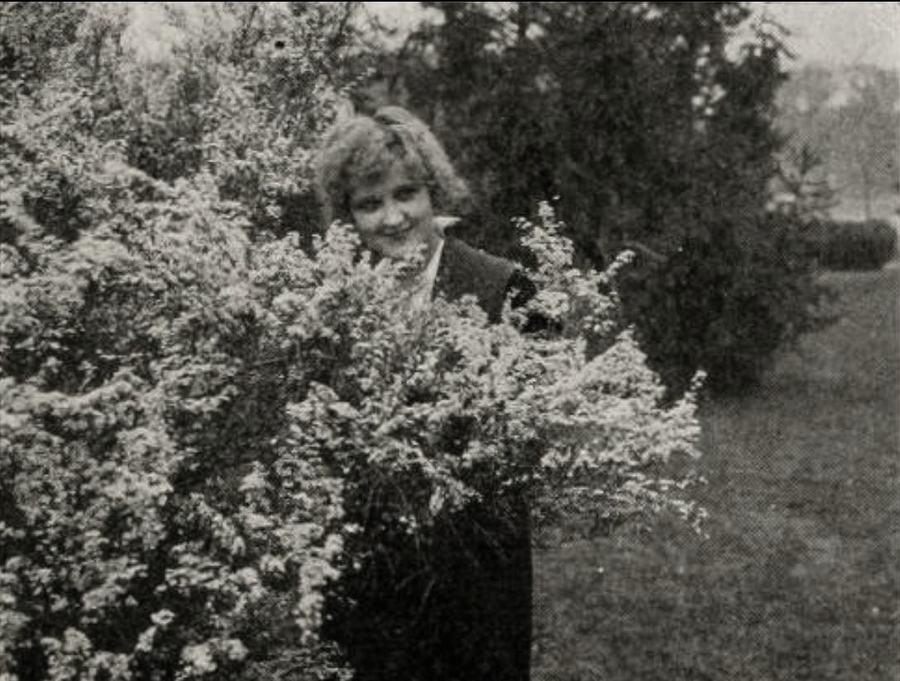
Ronald MacDonald’s 1915 one-reel marvel arrives like a half-remembered nightmare soaked in iodine and kerosene. Shot through with chiaroscuro so vicious it feels carved, not lit, the film weaponizes shadow the way later noirs would weaponize cigarette smoke.
There’s no establishing shot of the village—only a match-flare on a drowned man’s cufflinks—so we piece the geography together from gossip: a granite church whose bell was melted for bullets, a customs house converted to opium den, a lighthouse that now serves as gallows-witness. MacDonald refuses pastoral beauty; even the gulls sound like they’re coughing up blood money.
Dorothy Bernard’s Mildred contains universes of fatigue beneath a single raised eyebrow. Watch her fingers in the witness box: they worry the hem of her wool jacket until the weave frays—an inadvertent confession that outshouts any dialogue card. Fuller Mellish’s Gambier prowls the proceedings with the languid menace of a man who has already read the last page of the novel and found it lacking. When he removes his gloves mid-summation, the gesture lands like a gauntlet thrown at the entire Victorian notion of moral certainty.
MacDonald fractures chronology with Eisensteinian brutality. A flashback to the lighthouse inferno intrudes mid-testimony, its frames tinted cyanotype blue so the flames appear frozen, archaeological. Later, a reverse-angle jump-cut reveals the jury foreman privately sketching Mildred’s face on a betting slip—justice auctioned to the highest id. The effect predates Rashomon by decades yet feels eerily modern, as though the film strip itself were cross-examining us.
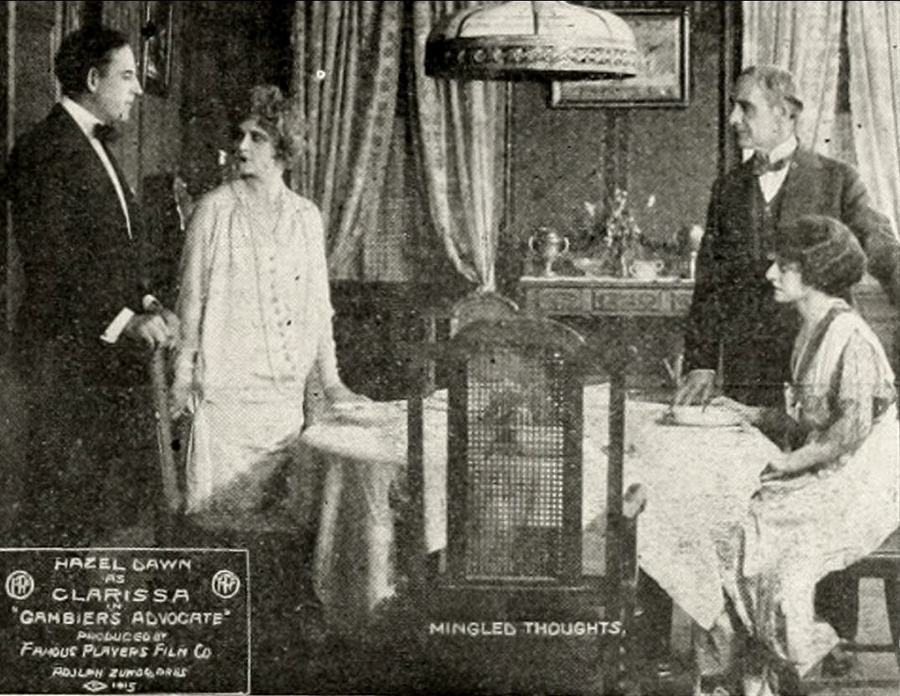
Where The Red Circle traffics in pulp fatalism and Pamela Congreve flirts with drawing-room melodrama, Gambier’s Advocate occupies a liminal hush—half gospel, half police report. Its DNA echoes through The Flames of Justice yet surpasses that flicker’s moral absolutism by insisting that innocence can itself be a corrupting force.
Cinematographer James Kirkwood (pulling double duty as the doomed fisherman in flashback) wedges the camera inside a lobster trap for one delirious POV; another shot mounts the lens on the swinging lighthouse pendulum, turning the beam into a metronome of doom. The resultant vertigo rivals any CGI contortion of the digital age, achieved with nothing more than gumption, fishing wire, and the devil’s own timing.
Though silent, the film invokes sensory overload. Intertitles appear sparingly, often no more than ten words, scrawled in a jittery cursive that mimics witness tremor. Between them we hear what isn’t there: the lighthouse Fresnel lens clicking off-beat, rope stretching against pulley, the soft thud of a woman’s heart learning it has been pardoned and therefore must keep beating.
Maude Odell’s supporting turn as the consumptive daughter is a masterclass in cinematic vapor. She coughs not for pity but to spray blood-tinged spittle onto the moral ledger, reminding the court that every verdict writes itself across somebody’s lung tissue. Hazel Dawn’s fleeting cameo as a stenographer who deliberately mis-spells “innocent” as “in no cent” injects covert feminist sabotage into the official record.
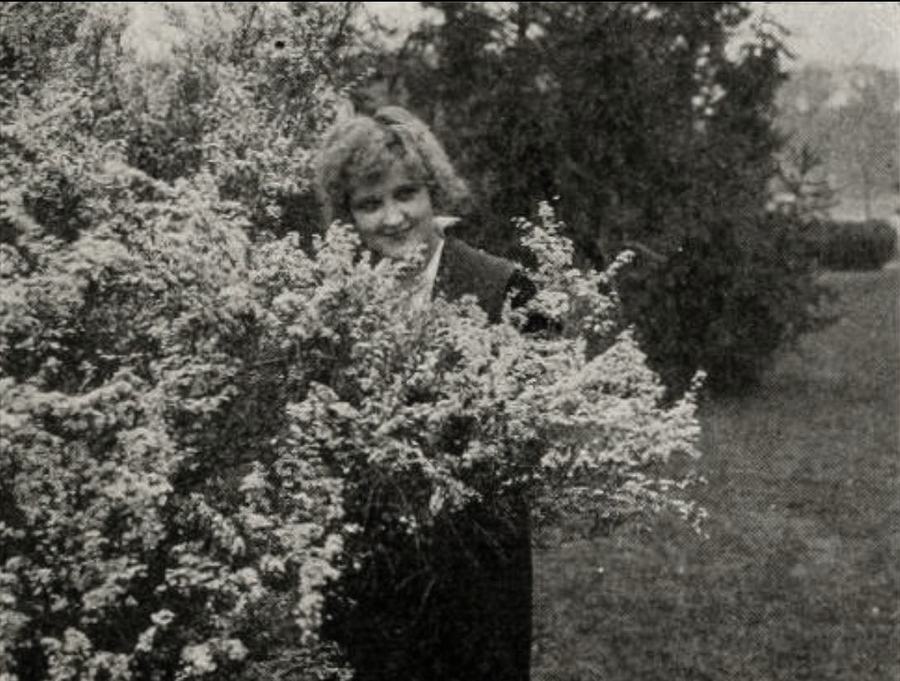
MacDonald laces the scenario with biblical detritus: a reference to Joseph’s multicolored garment surfaces when Gambier dons a waistcoat stitched from mismatched sailcloth, implying that the advocate, like Joseph, carries the burden of interpreting dreams not his own. The lighthouse itself becomes a Tower of Babel built backward—its purpose to scatter darkness rather than people, yet it fails on both counts.
Most prints lack the penultimate reel, lost in a 1918 warehouse blaze. Cineastes have reconstructed its essence from production stills: Mildred wading into phosphorescent tide, Gambier’s gloved hand reaching out but not touching, a title card reading: “The law is a lantern; the sea, the dark.” Its absence feels intentional, as though the film were protecting us from the full glare of its own nihilism.
Nitrate deterioration claimed 40 percent of the original negative, yet the San Francisco Silent Film Foundation recently stitched together a 4K restoration from two incomplete Czech prints and a roll of outtimes discovered inside a piano bench. The tints—amber for interiors, viridian for sea—have been recreated using photochemical dyes rather than digital overlay, preserving the film’s material ache.
While The World, the Flesh and the Devil interrogates post-war anxiety and Way Outback romanticizes frontier stoicism, Gambier’s Advocate stands apart: it prosecutes the very concept of moral spectatorship. Every close-up asks whether we, the jury in velvet seats, deserve to exhale in relief when the gavel falls.
Long after the curtain, you’ll taste brine on your upper lip and wonder if you, too, have been acquitted of something you secretly desired. That aftertaste is the mark of art that refuses to dim its beacon, even as it steers you toward the rocks.
Tags: silent courtroom thriller, Dorothy Bernard performance, Ronald MacDonald screenplay, 1915 lost film, lighthouse symbolism, pre-noir cinematography, moral ambiguity cinema
IMDb —
1929
Community
Log in to comment.