DbcultAccessing Vault...
Cult Review
Senior Film Conservator
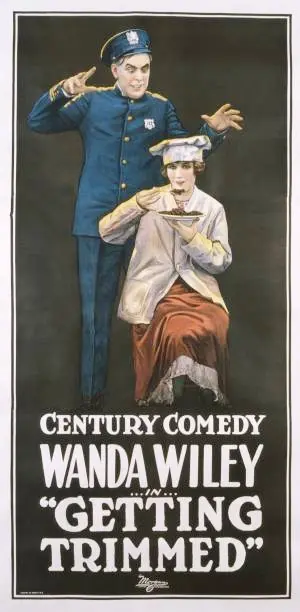
Is 'Getting Trimmed' actually worth your time in the modern era? Short answer: yes, but only if you have a high tolerance for the beautiful, kinetic stupidity of 1920s slapstick. This isn't a film for those seeking a nuanced character study or a tight narrative arc; it is for the viewers who want to see the laws of physics and professional ethics violated for a laugh.
This film is specifically for fans of physical comedy who find the sanitized humor of today a bit too safe. It is NOT for anyone who cringes at the sight of property damage or expects a silent film to have the poetic weight of something like Fanchon, the Cricket. This is a blue-collar comedy that hits hard and moves fast.
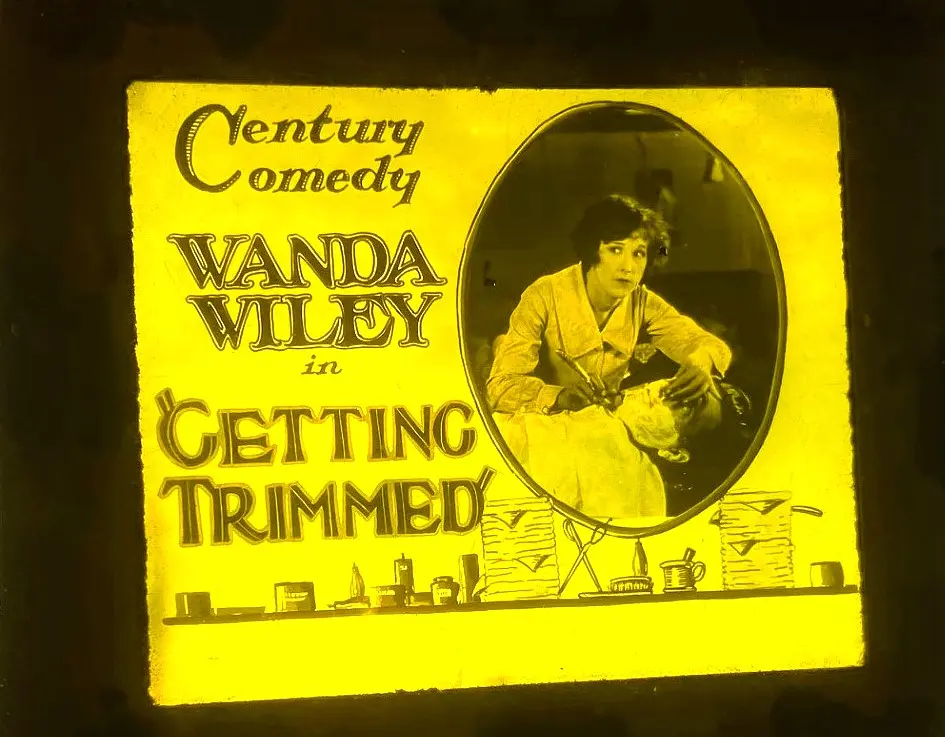
History often forgets Wanda Wiley, and that is a cinematic crime. In 'Getting Trimmed', she isn't just a female comedian playing a role; she is a wrecking ball in a skirt. Most female leads of this era were either the romantic interest or the victim of the comedy, but Wiley occupies the space usually reserved for Buster Keaton or Harold Lloyd. She is the instigator of the chaos.
Take the manicuring scene, for instance. She doesn't just accidentally nick a finger; she systematically mashes the thumbs of flirty customers. There is a deliberate, almost malicious edge to her performance that feels surprisingly modern. She is a woman who is clearly overworked and has decided that if she has to work three jobs at once, everyone is going to suffer for it. It’s a relatable sentiment disguised as low-brow humor.
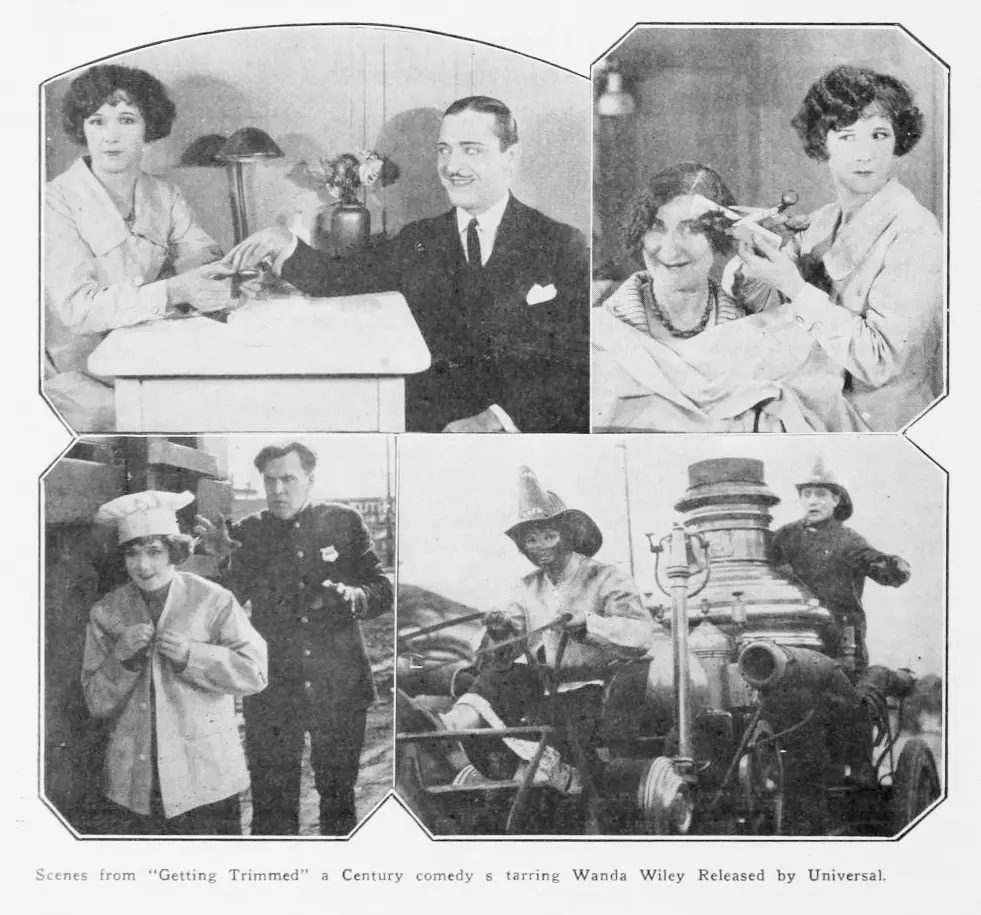
Her physicality is remarkably fluid. Whether she is fighting a trick barber chair that seems to have a mind of its own or accidentally 'painting' a customer's shoes the wrong color, her movements are sharp and calculated. She understands the geometry of a gag. When she pours cement on the cop’s face, her reaction isn't one of horror—it’s a realization that the 'shave' has gone south, and it’s time to move. It's punchy. It's fast. It works.
The first half of the film is a masterclass in 'contained chaos.' Edward Ludwig’s direction keeps the camera relatively static, allowing the frame to become a pressure cooker for Wanda’s incompetence. The barbershop is cluttered, and every prop is a potential weapon. This setup reminds me of the intricate domestic traps found in The Scarecrow, though with far less mechanical grace and much more brute force.
The 'trick chair' sequence is a standout. It’s a classic trope of the era—man vs. machine—but Wiley’s struggle with the furniture feels more like a wrestling match than a comedy bit. When the chair malfunctions, the timing of the flips and drops is impeccable. You can almost feel the bruises. It is this commitment to the physical reality of the gag that keeps the film grounded, even when the logic begins to evaporate.
Then there is the cement. In a world before CGI, seeing a man get a face full of actual, heavy sludge is inherently funny because of the sheer messiness of it. It’s a brutal joke. The cop isn't just humiliated; he’s practically encased in stone. This is the turning point where the film shifts from a service-industry satire into a full-blown pursuit movie, and the energy never dips.
Yes, 'Getting Trimmed' is worth watching because it serves as a high-octane example of female-led slapstick that has been largely erased from the popular canon. It offers a raw, unpolished energy that is often missing from the more 'prestigious' silent films of the time. If you want to see how comedy functioned when the stakes were literally life and limb, this is a prime specimen.
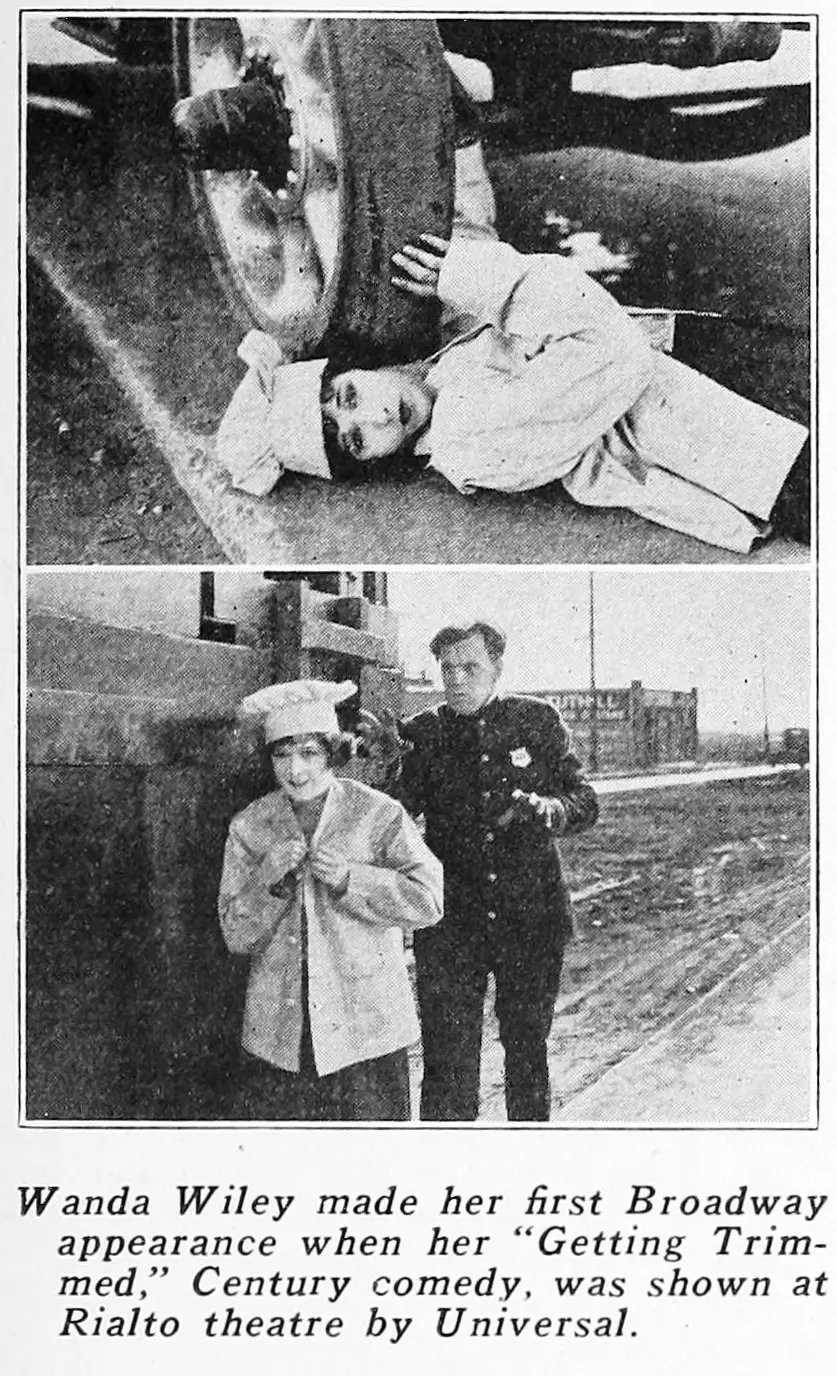
Once Wanda leaves the shop, the film gains a frantic, almost desperate pace. The sequence involving the lunch stand being picked up by a truck is a logistical marvel for 1925. It’s a large-scale stunt that requires precise coordination, and while it lacks the polish of a Keaton set-piece, it has a gritty, DIY charm that I find more engaging than the high-budget spectacles of The Dancer of the Nile.
The ride on the moving derrick is where the film's 'bravery' really shines. Wiley is hanging off industrial equipment with what appears to be zero safety harnesses. This isn't just acting; it’s a high-wire act. The sheer scale of the objects she interacts with—trucks, cranes, fire engines—contrasts beautifully with her small frame. It reinforces the theme of the individual being tossed around by the machinery of the modern city.
The ending, where she is dropped into a fire engine and emerges blackened by soot, is a classic 'dusting off' trope. However, in Wiley’s hands, it feels like a badge of honor. She has survived the city, she has survived the law, and she has survived her own incompetence. It’s a cynical but hilarious conclusion to a film that refuses to apologize for its protagonist's behavior.
Edward Ludwig, who would go on to direct more conventional fare like Anything Once, shows a surprising knack for spatial awareness here. He understands that for a chase to be funny, the audience needs to understand where the characters are in relation to the danger. He uses wide shots effectively, ensuring that the scale of the trucks and derricks is always apparent.
The pacing is relentless. There is no 'down time' in 'Getting Trimmed'. From the first broken nail to the final soot-covered crawl, the film operates at a 110% speed. This can be exhausting, but it prevents the viewer from questioning the absurdity of the plot. You don't have time to ask why there is a bucket of cement in a barbershop because Wanda is already being chased by a truck. It’s a distraction technique that works perfectly for short-form comedy.
"Getting Trimmed isn't just a movie; it's a 15-minute panic attack captured on celluloid. It’s crude, it’s loud without making a sound, and it’s brilliant."
Pros:
+ Incredible physical performance by Wanda Wiley.
+ Inventive use of urban props and industrial machinery.
+ Fast-paced editing that never feels dull.
+ A rare look at a woman as the primary 'chaos agent' in a 1920s short.
Cons:
- The plot is essentially non-existent beyond the 'chase' structure.
- Some gags feel repetitive (how many times can you fall off a chair?).
- The final soot-covered ending may feel slightly dated to modern sensibilities.
'Getting Trimmed' is a fascinating, if slightly unpolished, relic of the silent era. It lacks the thematic depth of The Early Bird, but it makes up for it with pure, unadulterated energy. Wanda Wiley is the star here, and her performance alone justifies the runtime. She is a reminder that the history of comedy isn't just a boys' club; it was also built by women who weren't afraid to get hit with a bucket of cement for a laugh.
It’s flawed. It’s messy. But it is undeniably alive. If you want a quick hit of cinematic adrenaline, you could do a lot worse than watching Wanda Wiley dismantle a city block. It’s a short, sharp shock of comedy that still manages to land its punches nearly a century later.
IMDb 6
1934
Community
Log in to comment.