DbcultAccessing Vault...
Cult Review
Senior Film Conservator
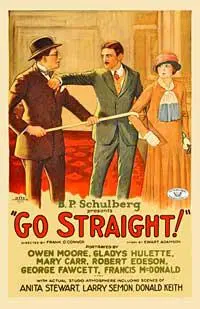
Is 'Go Straight' a silent film worth unearthing from the annals of 1925 cinema? Short answer: yes, but with significant caveats. This early crime drama, while undeniably a product of its time, offers a surprisingly engaging narrative about the relentless pull of the past and the elusive nature of a second chance, making it a compelling watch for specific audiences.
This film is absolutely for anyone with a keen interest in silent era storytelling, those fascinated by the evolution of character-driven drama, or viewers who appreciate a nuanced portrayal of moral struggle without the crutch of spoken dialogue. It is emphatically NOT for those seeking fast-paced action, modern cinematic polish, or a narrative that resolves all its threads neatly and unambiguously. Expect a deliberate pace and a visual language that demands your attention, rather than spoon-feeding emotional cues.
This film works because... it captures a universal human struggle—the desire for reinvention against the backdrop of an inescapable past—with a raw emotionality often underestimated in silent cinema, driven by a committed central performance.
This film fails because... its pacing occasionally meanders, and some supporting characterizations lean into caricature, preventing a truly immersive experience for modern viewers.
You should watch it if... you are a cinephile keen to explore the foundations of narrative film, appreciate the expressive power of silent acting, and enjoy a character study wrapped in a period crime drama.
At its core, 'Go Straight' is a poignant exploration of Gilda, a woman caught in the suffocating web of her criminal associations. Her name itself, suggestive of gilding or superficial covering, hints at the façade she yearns to shed. She’s not merely a 'crook'; she’s a soul desperate for absolution, her every attempt to break free met with the relentless, almost predatory, insistence of her old 'pals' who see her as an indispensable cog in their illicit machinery. This isn’t a simple story of good versus evil; it’s a deeply human struggle against the inertia of habit and the powerful, often suffocating, bonds of loyalty, however misguided.
Her flight to Hollywood isn't just a change of scenery; it's an existential leap. Hollywood, even in the 1920s, was already a symbol of transformation, a place where identities could be forged anew. Gilda's journey there represents her profound hope for a narrative rewrite, a chance to shed the persona of the 'crook' and embrace a life untainted by her past transgressions. It’s a bold, almost naive, gamble on the American dream of self-reinvention.
The subsequent arrival of her old gang isn't just a plot device; it's the inevitable collision of her past with her nascent future. It’s a stark reminder that geographical distance rarely equates to emotional or moral freedom. The central tension becomes a desperate, almost frantic, race against time: can Gilda sever these ties before they utterly decimate her fragile new life? The film doesn't shy away from the brutal reality that escaping one's past is often a more arduous task than escaping prison walls.
In silent cinema, the onus of conveying emotion and character falls squarely on the actors' physical expressiveness. 'Go Straight' is no exception, and the performances here, particularly from Gladys Hulette as Gilda, are the film's undeniable anchor. Hulette delivers a portrayal that transcends mere melodrama, imbuing Gilda with a palpable sense of weariness, hope, and ultimately, steely resolve.
Her eyes, often wide with a mixture of fear and determination, communicate volumes. There’s a particular scene, early in the film, where Gilda receives a letter from her past associates. Hulette doesn't just read it; she reacts to it. The subtle tightening of her jaw, the slight tremor in her hands as she crumples the paper, and the way her gaze drifts to the window, as if searching for an escape route, speak volumes about her internal conflict. It’s a masterclass in understated silent acting, avoiding the common pitfalls of over-the-top gesticulation that sometimes plague films of this era.
The supporting cast, while less nuanced, serves its purpose effectively. Owen Moore, likely playing the lead 'pal' or a romantic interest, brings a brooding intensity that contrasts sharply with Hulette’s earnestness. His presence is a constant, looming threat, and Moore understands how to convey menace through posture and a downturned mouth, rather than relying on an intertitle to explain his intentions. The 'gang' characters, while somewhat archetypal, are portrayed by actors like Francis McDonald with a necessary blend of joviality and underlying ruthlessness, ensuring they are both charmingly persistent and genuinely dangerous.
However, it must be said that some of the broader comedic relief, perhaps intended to lighten the mood, occasionally detracts from the central drama. Characters like Ethel Wales
IMDb 5.4
1934
Community
Log in to comment.