DbcultAccessing Vault...
5.2/10
Senior Film Conservator
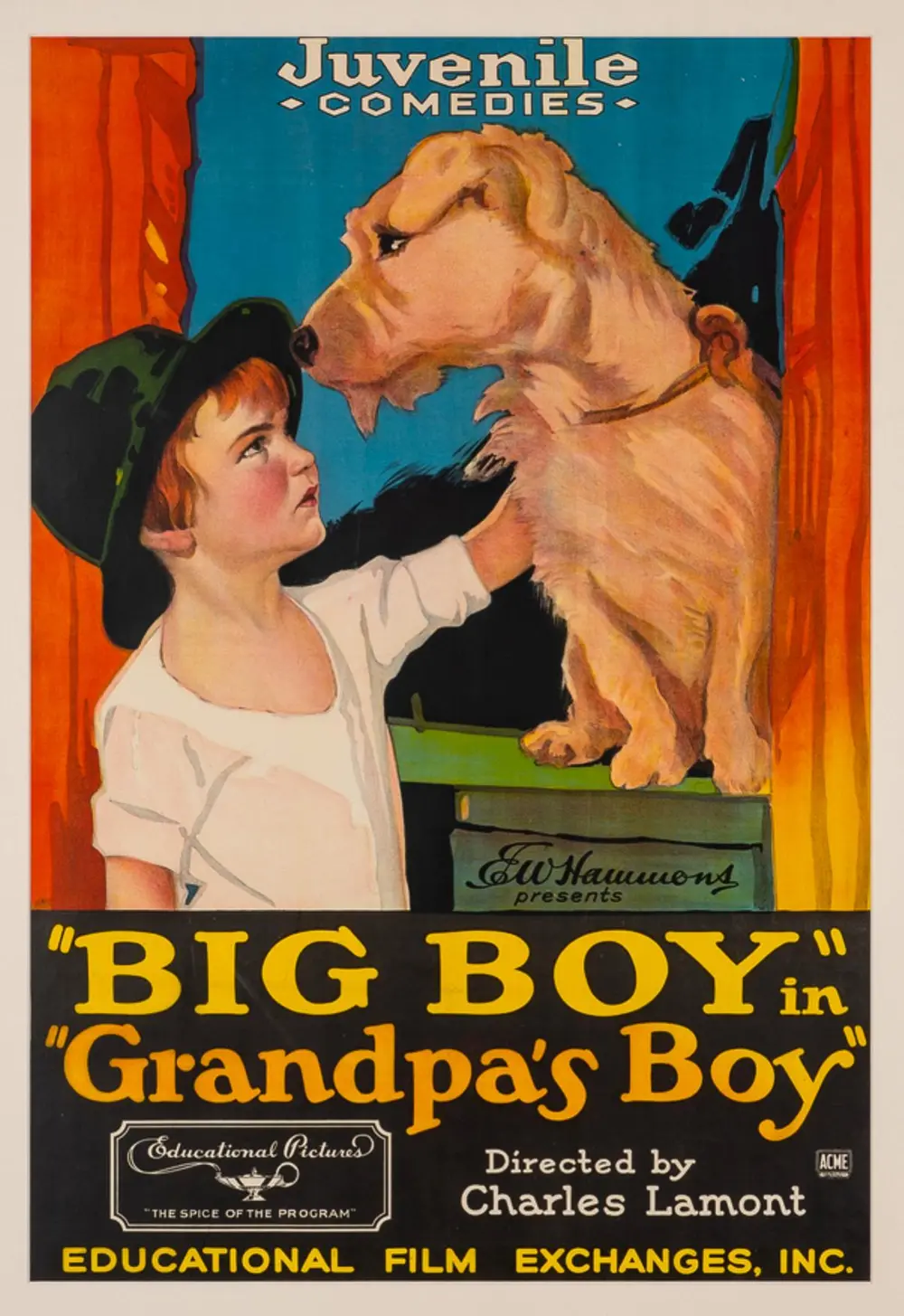
A definitive 5.2/10 rating for a film that redefined the boundaries of cult cinema. Grandpa's Boy remains a cornerstone of transgressive art.
Is this film worth watching today? Short answer: Yes, but only if you appreciate the specific, kinetic energy of late-period silent comedy. It is a film for those who find joy in the unscripted chaos of animals and children, but it is certainly not for viewers who demand complex psychological depth or a subversion of 1920s tropes.
This film works because its animal star, Mutt, possesses a comedic timing that rivals the best human slapstick performers of the era. This film fails because its central transformation—the grandfather’s change of heart—is telegraphed from the opening frame and lacks genuine narrative resistance. You should watch it if you want a lighthearted, 20-minute escape into a world where a dirty dog is the ultimate social equalizer.
Grandpa's Boy operates on a simple, yet effective, binary. On one side, we have the widow’s farm: a place of dirt, communal living, and emotional transparency. On the other, the millionaire’s mansion: a place of silence, silk, and social isolation. The film’s brilliance lies in how it uses Big Boy and Mutt as wrecking balls against the latter.
The scene where Big Boy accidentally steps into his grandfather’s silk hat is not just a gag; it is a symbolic destruction of the patriarch's dignity. The hat, a symbol of high-society status, is literally crushed by the foot of the future. It’s punchy. It’s effective. And it sets the tone for the rest of the film’s domestic warfare.
Unlike the more choreographed stunts found in Buster Keaton’s Cops, the humor here feels more organic, almost accidental. When Big Boy gets tangled in the hat rack, the frustration feels real. The set design emphasizes the child's smallness against the cold architecture, making his eventual victory over the household's rigidity feel earned, even if it is predictable.
While the title points to the boy, the film belongs to Mutt. The dog’s journey—clinging to the car’s bumper, becoming caked in exhaust soot, and eventually invading the mansion—is the narrative’s true engine. There is a raw, unpolished quality to the animal's performance that modern CGI-assisted films simply cannot replicate.
The parrot chase sequence is a masterclass in low-budget silent editing. The way the dog interacts with the environment, tracking mud across expensive rugs, serves as a visceral middle finger to the millionaire’s obsession with order. The dog is the star. The humans are merely props in his quest for chaos.
Compare this to other animal-centric shorts like The Tail of a Cat, and you’ll see that Grandpa's Boy has a much firmer grasp on the 'pet-as-disruptor' archetype. The dog isn't just a sidekick; he is the catalyst for the grandfather's emotional evolution.
Jack McHugh as 'Big Boy' delivers a performance that avoids the sugary-sweet traps of many child actors from the late 20s. His farewell to the farm animals—the cows, the pigs, and the chickens—is played with a genuine pathos that grounds the film before the slapstick takes over. You feel the weight of his displacement.
However, the film’s reliance on the 'smile that melts a heart' trope is its weakest link. While McHugh is charming, the script asks his face to do too much heavy lifting in the final act. The transition from the grandfather’s 'cold regard' to 'safely established' happens in a narrative blink of an eye, lacking the gradual thaw seen in more sophisticated dramas like The Pride of Palomar.
The supporting cast, particularly the servants, are played for broad laughs. Their rage at the mud-tracking is a bit one-note, but it serves the purpose of making the mansion feel like a fortress that needs to be breached. The acting is functional. But it’s flawed.
For a 1927 production, the cinematography is surprisingly fluid. The shots of Mutt riding the rear bumper of the car provide a sense of motion that keeps the middle section from dragging. The use of soot as a visual motif—linking the dog’s exterior to the 'dirtiness' the grandfather fears—is a clever, if simple, bit of visual storytelling.
The pacing is brisk. By the time the dog enters the frame to chase the parrot, the film has already established the stakes. There is no wasted movement. This efficiency is a hallmark of the era, reminiscent of the tight editing in Two A.M., though with a much more sentimental core.
Yes, Grandpa's Boy is worth watching for anyone interested in the evolution of family-centric comedy. It provides a fascinating look at the 'Our Gang' style of humor applied to a featurette-length narrative. The film is short, energetic, and features one of the best canine performances of the silent era.
Pros:
- Exceptional animal training and comedic timing.
- Heartfelt performance by Jack McHugh.
- Sharp visual contrast between the two primary settings.
- Fast-paced and easy to digest.
Cons:
- Predictable plot beats.
- The grandfather’s character arc is shallow.
- Some gags feel repetitive by the third act.
Grandpa's Boy is a charming, if slight, piece of cinematic history. It doesn't reinvent the wheel, but it rolls it with significant enthusiasm. The parrot is the true antagonist of the film, and the dog is its savior. While it lacks the technical bravado of Keaton or the poetic depth of Chaplin, it succeeds as a pure, unadulterated crowd-pleaser. It’s a messy, muddy, and joyful reminder that sometimes, the best way to fix a broken family is to let a soot-covered dog run through the house. It works. But it’s flawed. And that’s exactly why it remains watchable nearly a century later.
IMDb 7.2
1926
Community
Log in to comment.