DbcultAccessing Vault...
5.9/10
Senior Film Conservator
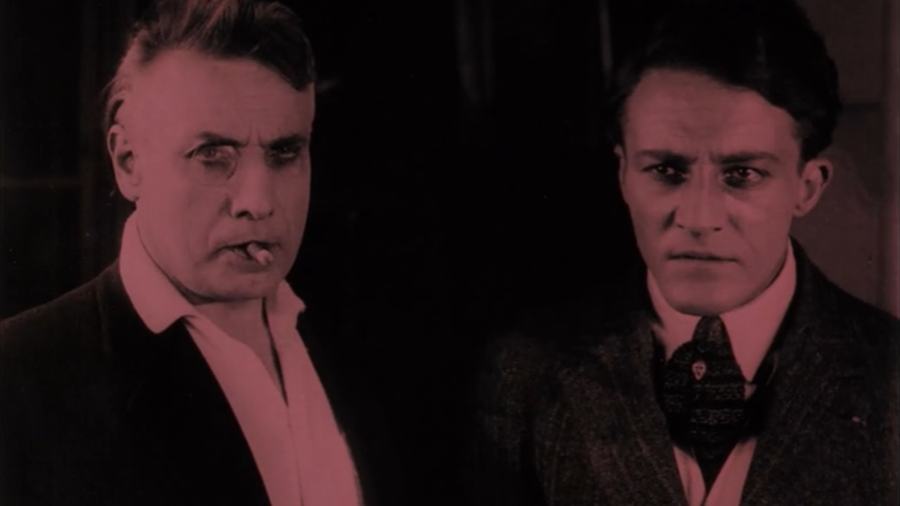
A definitive 5.9/10 rating for a film that redefined the boundaries of cult cinema. Haceldama ou Le prix du sang remains a cornerstone of transgressive art.
Julien Duvivier's early cinematic endeavors, particularly Haceldama ou Le prix du sang (1919), offer a fascinating glimpse into the nascent stages of a directorial vision that would later define French cinema for decades. This silent drama, steeped in the grim realities of human avarice and the relentless pursuit of vengeance, stands as a testament to the power of visual storytelling in an era devoid of spoken dialogue. It's a film that, despite its age, resonates with a stark, almost primal energy, exploring themes that remain tragically timeless. The very title, evoking the biblical 'Field of Blood' – a place bought with Judas's betrayal money – immediately sets a tone of inevitable, bloody consequence, a promise of retribution that hangs heavy over every frame.
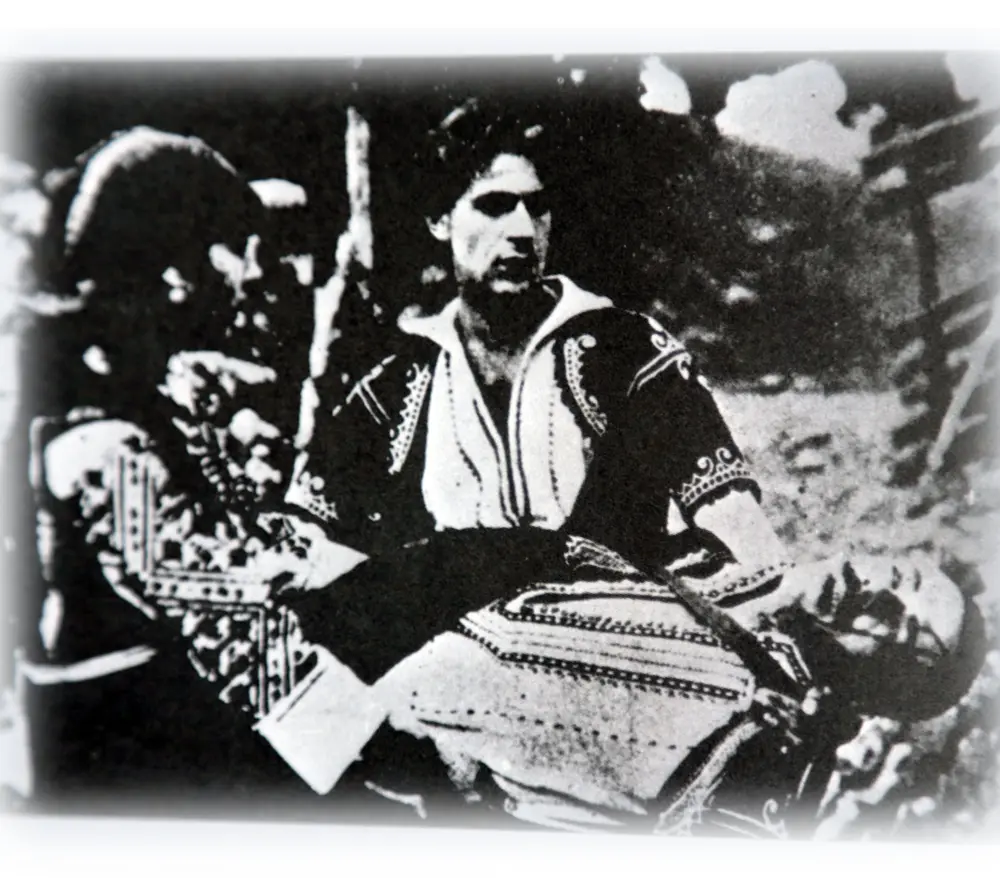
The narrative itself is a masterclass in escalating tension, a carefully constructed edifice of converging destinies. We are introduced to Landry Smith, portrayed with a brooding intensity by Séverin-Mars, a figure whose prosperity in rural Corrèze seems to mask a past riddled with moral compromise. He lives a seemingly tranquil life, sharing his home with his innocent ward, Minnie, brought to life by the delicate presence of Suzy Lilé. Yet, this veneer of peace is fragile, threatened by the insidious machinations unfolding within his own household. His servant, Kate Lockwood, played by Camille Bert with a chilling blend of calculated malice and simmering resentment, embodies the archetypal figure of the betrayer. Her motivations, while rooted in the tangible desire for Landry's wealth, hint at a deeper, more personal grudge, a score to be settled that transcends mere lucre. It's a portrayal that, even without dialogue, conveys a profound sense of simmering animosity, a slow burn of envy and perceived injustice.
Kate's plan is audacious in its simplicity and chilling in its execution: she enlists the services of Bill Stanley, a character of pure, unadulterated menace, depicted by Jean Lorette. Stanley is not merely a hitman; he is a force of nature, a sadistic Mexican cowboy whose arrival in Corrèze heralds an almost biblical plague. His presence, a stark contrast to the pastoral French countryside, immediately injects a palpable sense of danger and foreign, brutal efficiency. Duvivier uses this contrast to great effect, juxtaposing the serene beauty of the landscape with the encroaching darkness of human depravity. The film skillfully builds an atmosphere of dread, where every shadow seems to conceal a threat, and every quiet moment is pregnant with the promise of violence.
Crucially, the plot introduces a parallel narrative thread that elevates the film beyond a simple crime drama. Jean Didier, portrayed by Yvonne Brionne, arrives in the same vicinity, propelled by a profound and tragic motive: the suicide of his father, directly caused by Landry Smith's past actions. Didier is not driven by greed, but by a righteous, almost sacred, quest for justice. His arrival is not coincidental; it is an act of cinematic fate, intertwining the mercenary plot with a more profound, karmic reckoning. This dual narrative structure, where two distinct forces of destruction—one driven by base desire, the other by a thirst for moral redress—converge on a single man, is where Haceldama truly distinguishes itself. It posits that some debts, whether financial or moral, must ultimately be paid, often with blood.
Duvivier, even in these early years, demonstrates a remarkable command of visual grammar. The emotional weight of the story is conveyed through exaggerated gestures, intense facial expressions, and sophisticated lighting techniques, all hallmarks of the silent film era. The director's keen eye for composition ensures that each frame tells a part of the story, with symbolic elements often subtly woven into the mise-en-scène. The contrasting landscapes – the cozy, albeit threatened, interior of Landry's home versus the rugged, unforgiving outdoors where Stanley roams – serve as powerful visual metaphors for the internal and external conflicts at play. The film's pacing is deliberate, allowing the tension to coil slowly, relentlessly, before unleashing its inevitable climax. This approach is reminiscent of the patient, methodical build-up seen in other silent era dramas focused on moral decay, such as Das Laster, which similarly delves into the corrupting influence of vice, though perhaps with a different flavor of societal critique.
The performances in Haceldama are particularly noteworthy. Séverin-Mars, a prominent actor of his time, imbues Landry Smith with a complex mix of arrogance and vulnerability. His silent performance masterfully communicates the character's internal struggle and eventual realization of his impending doom. Camille Bert's Kate Lockwood is a study in quiet malevolence; her expressions, often subtle, convey a deep-seated bitterness that makes her betrayal all the more chilling. Jean Lorette's Bill Stanley is a terrifying presence, his physicality and menacing demeanor requiring no intertitles to convey his sadistic nature. Suzy Lilé's Minnie, in contrast, provides a poignant counterpoint to the surrounding darkness, her innocence serving to highlight the depravity of the adults around her. These actors, under Duvivier's direction, navigate the challenging terrain of silent film acting with an impressive degree of nuance, making the characters feel remarkably three-dimensional despite the limitations of the medium.
The film's exploration of vengeance, a recurring motif in cinema, finds a unique expression here. Unlike the clear-cut hero-villain dynamics of some revenge narratives, Haceldama presents a more ambiguous moral landscape. Landry Smith, though targeted, is not entirely innocent; his past actions are the very catalyst for Jean Didier's pursuit. This moral ambiguity invites the audience to consider the nature of justice: is it merely the satisfaction of a wronged party, or a broader, systemic balancing of scales? The film suggests the latter, implying that the 'price of blood' is ultimately exacted, regardless of who collects it. This complex take on retribution sets it apart from more simplistic revenge tales, aligning it more with the nuanced moral explorations found in films like The Evil Thereof, which similarly grapples with the consequences of human failings and the ripple effects of malevolent acts.
Duvivier's camera work is often dynamic, employing tracking shots and close-ups to heighten emotional impact, a technique that was still evolving in the silent era. He understands the power of the unspoken, allowing the audience to infer motives and emotions through visual cues. The use of natural light, especially in the outdoor scenes, adds a layer of realism to the rustic setting of Corrèze, grounding the dramatic events in a tangible, if threatened, reality. The film's visual poetry is undeniable, transforming simple settings into stages for grand human dramas. The starkness of the silent medium often forces a greater reliance on visual symbolism, and Haceldama excels in this regard, using objects and environmental details to subtly foreshadow events or underscore character traits.
Considering its place within Duvivier's extensive filmography, Haceldama serves as an important early indicator of his thematic preoccupations and stylistic inclinations. Even in this nascent stage of his career, one can discern the seeds of the psychological depth and fatalistic worldview that would characterize his later, more celebrated works. It demonstrates his early fascination with the darker aspects of human nature, the destructive power of obsession, and the inescapable grip of destiny. While perhaps not as widely known as some of his later masterpieces, its historical significance as a formative work by a major director cannot be overstated. It offers a crucial insight into the development of French cinema in the post-World War I period, a time when filmmakers were experimenting with new forms of expression to reflect a world irrevocably altered by conflict.
The film's title, Haceldama ou Le prix du sang, translates directly to 'Aceldama or The Price of Blood,' a reference that resonates deeply with the film's themes. Aceldama, in biblical tradition, is the 'Field of Blood' purchased with the money Judas received for betraying Jesus, a place where strangers were buried. This allusion immediately frames the narrative within a context of betrayal, ill-gotten gains, and a final, bloody resting place. It suggests that the wealth Landry Smith possesses, and which Kate Lockwood covets, is tainted, and that its acquisition, or even its mere presence, will ultimately lead to a violent end for those involved. The film thus operates on both a literal and a symbolic level, making the physical acts of violence a manifestation of a deeper, spiritual reckoning. This allegorical depth elevates the film beyond a simple thriller, giving it a profound, almost mythical quality, much like the moral fables explored in films such as Fides, which often explored themes of faith, betrayal, and consequence in a similarly weighty manner.
In conclusion, Haceldama ou Le prix du sang is more than just a historical artifact; it is a compelling, if bleak, examination of human nature. Duvivier, with the combined talents of Séverin-Mars, Suzy Lilé, Camille Bert, Yvonne Brionne, Jean Lorette, Angèle Decori, and Pierre Laurel, crafts a silent drama that speaks volumes. It’s a stark reminder of the enduring power of greed, the corrosive nature of betrayal, and the inexorable march of fate. For enthusiasts of silent cinema, and for those keen to trace the origins of a master filmmaker's vision, this film offers a rich, rewarding, albeit unsettling, experience. It stands as a powerful testament to the fact that even without spoken words, the deepest human emotions and most profound moral dilemmas can be conveyed with breathtaking clarity and devastating impact. The film leaves an indelible mark, a chilling echo of the price that must inevitably be paid when the scales of justice, however slowly, begin to tip.
IMDb 6.4
1927
Community
Log in to comment.