DbcultAccessing Vault...
6.3/10
Senior Film Conservator
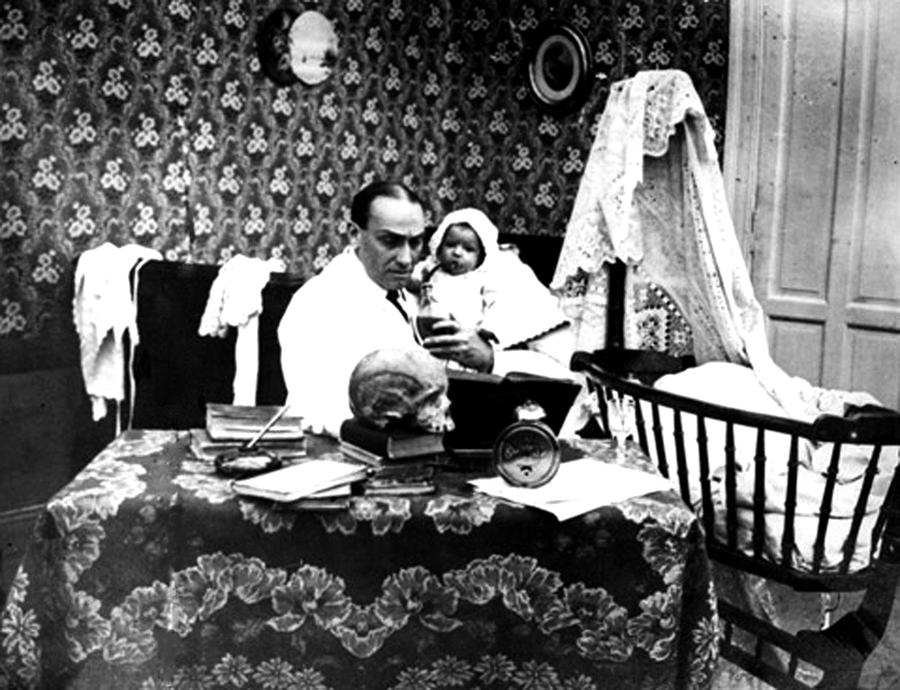
A definitive 6.3/10 rating for a film that redefined the boundaries of cult cinema. Hasta después de muerta remains a cornerstone of transgressive art.
The Argentine cinematic landscape of the early 20th century often yielded fascinating, if sometimes uneven, works that wrestled with the burgeoning medium's narrative potential. Among these, "Hasta después de muerta" (1920) stands as a particularly intriguing artifact, a film that boldly attempts to deconstruct linear storytelling while simultaneously serving as a vehicle for the singular genius of Florencio Parravicini. It is not merely a film; it is a theatrical experience transmuted onto the silver screen, a testament to a specific era's sensibilities and a mirror reflecting the societal mores of a burgeoning Buenos Aires. This is a production that defies easy categorization, oscillating with a compelling rhythm between the profound and the playful, the tragic and the farcical, all while maintaining a distinctly bourgeois perspective.
From its very inception, "Hasta después de muerta" announces its departure from conventional narrative structures. The film commences not with a burgeoning romance or a dramatic confrontation, but with the stark, somber image of a newly dug grave, a poignant symbol of finality that paradoxically serves as the genesis of the entire story. This audacious opening immediately establishes a melancholic tone, yet it’s a melancholy imbued with a sense of narrative curiosity. The grave acts as a silent sentinel, prompting a sprawling, multi-layered flashback that constitutes the vast majority of the film’s runtime. It’s a clever device, one that immediately invests the audience in the fate of the unseen individual, transforming the subsequent unfolding of events into a prolonged elegy, a forensic examination of a life cut short. This narrative inversion, starting with the conclusion and working backward, imbues every interaction, every laugh, and every tear with a profound sense of preordained destiny, akin to the dramatic irony found in classical tragedies.
At the pulsating heart of "Hasta después de muerta" lies the formidable talent of Florencio Parravicini. Not content with merely portraying a character, Parravicini assumed the dual mantle of both scriptwriter and leading actor, a convergence of creative energies that profoundly shaped the film's idiosyncratic character. The plot description itself hints at this, referring to the narrative as a "transcript of the multiple personality of Florencio Parravicini." This isn't merely hyperbole; it speaks to a performance so deeply intertwined with the script's very fabric that one suspects the character was conceived as an extension, or perhaps a distillation, of Parravicini's own stage persona and artistic philosophy. His presence is magnetic, a gravitational force around which the other performances orbit. He masterfully navigates the film's tonal shifts, transitioning seamlessly from moments of lighthearted banter to scenes laden with profound emotional weight. This versatility, a hallmark of great theatrical performers, translates surprisingly well to the nascent language of cinema, demonstrating a nuanced understanding of how to project sincerity and artifice in equal measure.
Parravicini's influence extends beyond his on-screen charisma. As the sole credited writer, he meticulously crafted a narrative that, while ostensibly a melodramatic tale, is peppered with an intelligent, often self-aware, comedic sensibility. This blend is crucial to the film's enduring appeal. It prevents the melodrama from becoming suffocatingly earnest, injecting moments of levity that provide necessary emotional respite. This artistic choice distinguishes "Hasta después de muerta" from more straightforward melodramas of the era, such as perhaps Anna Karenina (though a different cultural context, shares a similar emotional intensity) or even the more overtly dramatic Judge Not. Parravicini understood the power of contrast, recognizing that laughter often makes tragedy more potent, and vice versa. His script is a testament to a writer unafraid to explore the full spectrum of human emotion, even within the confines of what was considered popular entertainment.
The film firmly plants itself within a "bourgeois and citizen theme," a setting that provides fertile ground for exploring the social dynamics and moral complexities of early 20th-century Argentina. The characters, particularly the young woman whose life is recounted and the medical students with whom she interacts, are archetypes of this class. Their concerns, their aspirations, and their predicaments are deeply rooted in the societal expectations and unspoken rules that governed the urban middle and upper classes. This focus allows the film to subtly critique, or at least observe, the hypocrisies and pressures inherent in such a milieu.
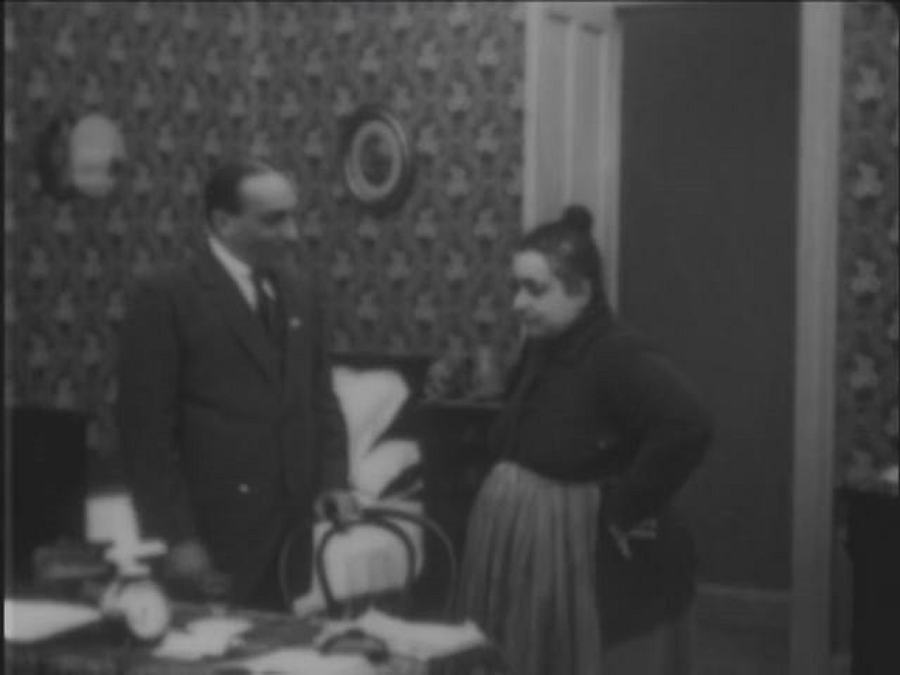
Unlike the stark social commentary of some European contemporaries, like perhaps Miss Peasant which often highlighted agrarian struggles, "Hasta después de muerta" delves into the psychological landscape of urban gentility. The film’s portrayal of the medical students, for instance, hints at the burgeoning professionalism and intellectual curiosity of the era, yet also perhaps the detachment or ethical quandaries that might arise. The young woman, central to the flashback, embodies the aspirations and vulnerabilities of women navigating a society still largely patriarchal, where personal choices could have profound social repercussions. The film, therefore, acts as a valuable sociological document, inadvertently preserving a snapshot of a specific time and place, allowing contemporary audiences a glimpse into the anxieties and entertainments of a bygone era.
One of the most remarkable aspects of "Hasta después de muerta" is its deft oscillation between comedic interludes and profoundly dramatic sequences. This tonal fluidity, rather than feeling disjointed, contributes to a more authentic portrayal of life itself, where moments of levity often punctuate periods of intense suffering, and vice versa. The "touches of comedy" mentioned in the plot summary are not mere distractions; they are integral components of Parravicini's narrative strategy. They serve to humanize the characters, making their eventual dramatic plights all the more resonant. A well-timed jest or a farcical misunderstanding can make the subsequent heartbreak feel sharper, more earned. This artistic tightrope walk is reminiscent of the way certain playwrights like Chekhov would blend the absurd with the tragic, creating a rich tapestry of human experience.
The melodrama, when it arrives, is delivered with a sincerity that avoids outright mawkishness. The film embraces the heightened emotions inherent in the genre but grounds them in believable character motivations and societal pressures. This is where the performances of the ensemble cast truly shine. Pedro Quartucci, María Fernanda Ladrón de Guevara, Argentino Gómez, Enrique Serrano, Orfilia Rico, and Silvia Parodi, alongside Parravicini himself, collectively contribute to this delicate balance. Their interactions, whether exchanging witty barbs or delivering heartfelt declarations, feel organic within the film's established world. The dramatic turns, particularly those surrounding the young woman's fate, are handled with a weight that underscores the gravity of the consequences within the bourgeois context, where honor, reputation, and social standing often superseded individual happiness. This dramatic intensity, perhaps not unlike the psychological depth found in The Sphinx or the moral quandaries of The Root of Evil, ensures the audience remains emotionally invested in the unfolding tragedy.
Beyond its narrative and thematic intricacies, "Hasta después de muerta" offers a fascinating window into the technical and aesthetic practices of early Argentine cinema. While specific directorial credits might be less emphasized in historical accounts compared to the star power of Parravicini, the film’s execution speaks volumes. The pacing of the flashback, the framing of key scenes, and the use of visual storytelling elements all contribute to its impact. One can imagine the challenges of conveying complex emotional shifts and comedic timing in a silent film era, relying heavily on exaggerated gestures, facial expressions, and intertitles. The film likely employed many of the prevalent cinematic techniques of its time, such as tableau staging, cross-cutting for dramatic effect, and perhaps some innovative camera work to emphasize particular moments.
Comparing it to other works from a similar period, one might draw parallels with the narrative ambition of European serials like Fantômas: The False Magistrate or The Vampires: The Thunder Master, not in genre, but in the desire to tell expansive, multi-part stories, even if "Hasta después de muerta" is a single feature. The commitment to character development and intricate plotting within the constraints of early cinema is commendable. The film's success in weaving together multiple threads of humor and pathos suggests a sophisticated understanding of audience engagement, a craft honed by years of theatrical experience brought to the new medium.
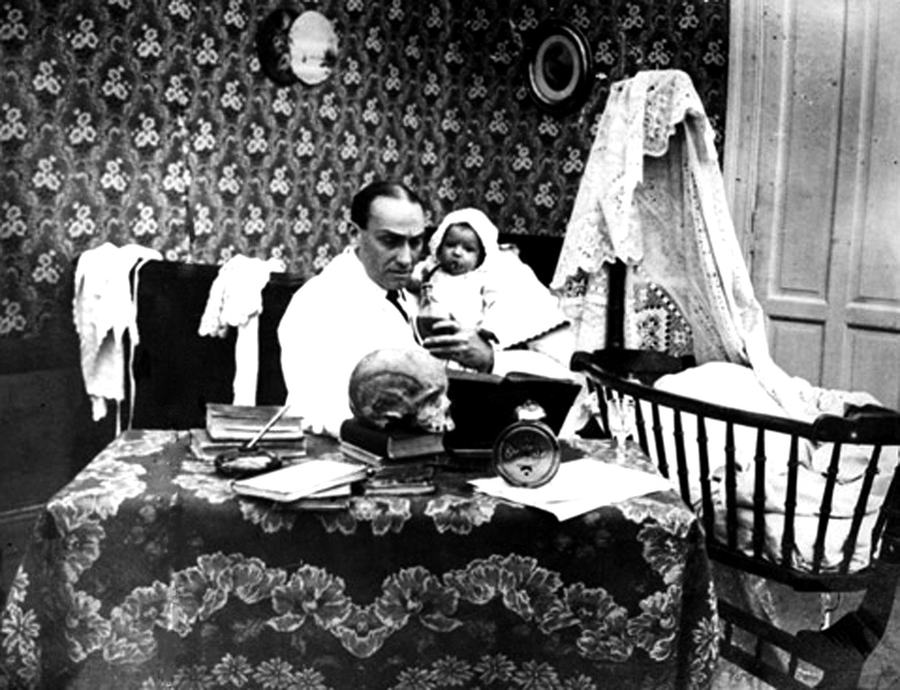
While Parravicini is undeniably the gravitational center, the film’s effectiveness is also a testament to the collective talent of its cast. María Fernanda Ladrón de Guevara, in particular, would have carried much of the emotional weight as the young woman whose life story unfolds. Her ability to convey innocence, joy, despair, and ultimately, resignation, would have been crucial to the audience's empathy. Pedro Quartucci and Argentino Gómez, likely portraying the medical students, would have needed to embody both the youthful exuberance and the inherent complexities of their characters, often serving as foils or catalysts for the central drama.
The supporting cast, including Enrique Serrano, Orfilia Rico, and Silvia Parodi, would have filled out the bourgeois world, providing the necessary societal texture. Their portrayals of family members, friends, or societal figures would have reinforced the film's thematic concerns regarding reputation, social pressure, and the intricacies of human relationships. In an era where performances were often more theatrical and less naturalistic than modern cinema, the skill lay in conveying clear emotional beats and character motivations without the aid of spoken dialogue. This required a nuanced understanding of mime and gesture, a skill that these seasoned performers undoubtedly possessed. Their collective efforts create a believable, albeit heightened, world that draws the viewer into its dramatic orbit.
"Hasta después de muerta" occupies a significant, if perhaps understated, place in the annals of Argentine cinema. It represents a period of experimentation and growth, where filmmakers were actively defining the visual language of the medium while simultaneously adapting theatrical traditions for the screen. The film’s unconventional structure, its blend of genres, and its focus on a distinctly local "bourgeois and citizen theme" make it a valuable historical document. It reminds us that early cinema was not merely a crude precursor to modern film but a vibrant, evolving art form with its own sophisticated narrative strategies.
While not as widely known globally as some epic productions like Chûshingura (Japanese classic) or the adventurous spirit of Die Jagd nach der Hundertpfundnote oder Die Reise um die Welt, "Hasta después de muerta" holds its own as a significant contribution to its national cinema. It showcases the ambition of its creators to craft compelling stories that resonated with local audiences, reflecting their lives and concerns. The enduring appeal of such films lies in their ability to transport us to a different time, offering insights into cultural values, social anxieties, and the universal human experiences of love, loss, and the search for meaning. Its status as a "transcript of the multiple personality of Florencio Parravicini" solidifies its unique position, not just as a film, but as a direct artistic expression of a towering figure in Argentine culture.
In conclusion, "Hasta después de muerta" is far more than a simple melodrama. It is a carefully constructed narrative experiment, a showcase for a charismatic leading man, and a poignant commentary on bourgeois life. Its blend of humor and pathos, its non-linear structure, and its historical context make it a work worthy of rediscovery and appreciation. It’s a film that, despite its age, continues to speak to the complexities of the human condition, proving that some stories, and some performances, truly live “hasta después de muerta” – even after death.
IMDb —
1916
Community
Log in to comment.