DbcultAccessing Vault...
Cult Review
Senior Film Conservator
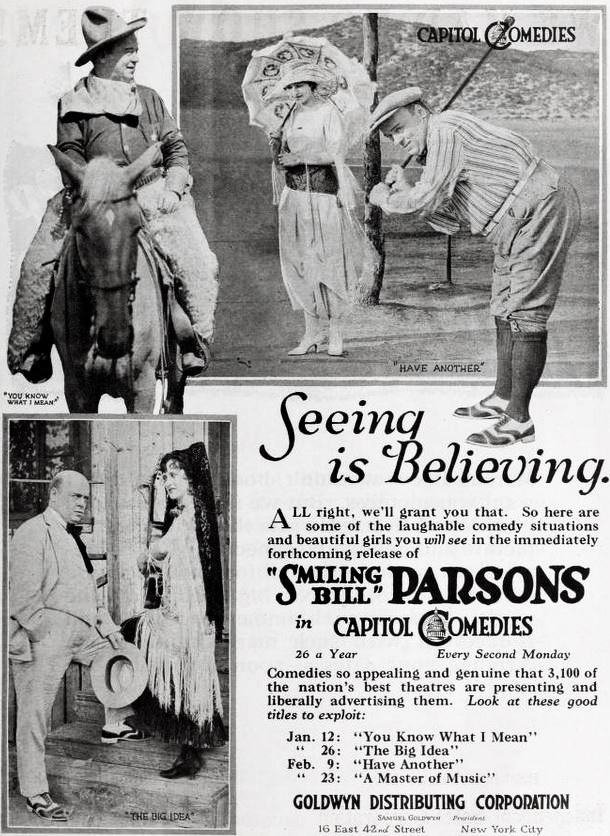
There are films that merely tell a story, and then there are those that burrow deep into the psyche, unsettling long-held assumptions about truth, consequence, and the insidious nature of obsession. Tom Bret's 'Have Another' unequivocally belongs to the latter category, a masterclass in psychological tension that refuses easy answers. It is a cinematic experience that lingers, its tendrils of doubt and moral ambiguity wrapping around the viewer long after the credits roll. From the outset, Bret establishes a somber, almost elegiac tone, painting a portrait of a man adrift, tethered to a past he cannot escape. William Parsons, in a career-defining performance, embodies Arthur Finch with a raw vulnerability that is both heartbreaking and utterly compelling. His portrayal is not one of a fallen hero seeking grand redemption, but rather a man suffocating under the weight of his own errors, a nuanced depiction that grounds the film's more labyrinthine plot points in authentic human struggle.
Finch, as we encounter him, is a ghost haunting his own life. The vibrant, tenacious investigative journalist who once commanded respect and fear in equal measure has been reduced to a shadow, his days marked by the monotonous rhythm of regret. Bret’s screenplay meticulously details this descent, showing us not just the aftermath of his professional catastrophe, but the quiet, corrosive despair that has become his constant companion. It's a testament to Bret's writing and Parsons's nuanced performance that Finch never devolves into a caricature of self-pity. Instead, we witness a man wrestling with the profound implications of his past actions, actions that, in their initial execution, seemed justifiable, even noble. The film cleverly avoids spoon-feeding the audience the specifics of Finch’s original misstep, allowing the weight of its impact to speak volumes through his shattered demeanor. This narrative choice forces the audience to engage more actively, piecing together the fragments of his former life and understanding the immense pressure under which he once operated.
The arrival of Marcus Thorne, played with an unnerving, almost reptilian calm by Harry O'Connor, serves as the catalyst for Finch’s reluctant re-entry into the world he desperately tried to abandon. O'Connor's portrayal is a masterclass in understated menace. Thorne is not overtly villainous, nor is he overtly benevolent; he exists in a shadowy moral grey, his motives as opaque as the dimly lit corridors Finch finds himself navigating. The dynamic between Parsons and O'Connor is electric, a tense dance of suspicion and desperate alliance. Thorne’s proposition – to 'have another' go at uncovering the truth, to correct the record – is a poisoned chalice. It offers the tantalizing prospect of redemption, yet simultaneously threatens to plunge Finch into an even deeper abyss. This central conflict, the allure of vindication against the peril of revisiting old wounds, forms the beating heart of 'Have Another'.
As Finch reluctantly picks up the threads of his old life, the film skillfully constructs a labyrinthine narrative of corporate espionage, political maneuvering, and deeply entrenched corruption. Bret's script is dense without being convoluted, each revelation building upon the last to create a sense of escalating dread. The audience is invited to solve the puzzle alongside Finch, but the answers are rarely straightforward, often leading to more questions about the nature of truth itself. The film posits that objective truth is a fragile, malleable thing, easily twisted and weaponized by those with power. This theme resonates deeply, especially in an era grappling with the proliferation of misinformation. The visual language of 'Have Another' perfectly complements this intricate plot. The cinematography, with its deliberate use of low light and stark contrasts, mirrors Finch’s internal state. Shadows cling to him, reflecting the hidden truths he seeks and the dark corners of his own conscience. The urban landscapes are rendered with a grim, almost noirish aesthetic, emphasizing the isolation and moral decay that permeate the narrative. The score, subtle yet pervasive, underscores the tension without ever becoming overbearing, a testament to its thoughtful integration.
What sets 'Have Another' apart from a mere thriller is its profound exploration of redemption. Is it truly possible to right a past wrong, or does the very act of trying merely compound the original sin? Finch’s journey is fraught with moral compromises, the temptation to cut corners, to believe convenient lies, to sacrifice integrity for the sweet taste of vindication. The film doesn't shy away from the ugly side of this pursuit, showing how obsession can warp one’s judgment and blur the lines between justice and vengeance. There are echoes here of films like The Tempting of Justice, where the protagonist's quest for righteousness leads them down a morally ambiguous path, or even the intense psychological pressure found in something like Sacrifice, where personal cost becomes an unavoidable factor in a larger moral battle. However, 'Have Another' elevates these themes by focusing intensely on the internal landscape of its protagonist, making his moral wrestling the true spectacle.
William Parsons’ performance is the linchpin. His eyes, often clouded with weariness, occasionally spark with the old fire of the journalist, a flicker of the man he once was. This internal conflict is brilliantly conveyed, making Finch a character we root for, even as we question his methods. Harry O'Connor, as Thorne, acts as a dark mirror, reflecting Finch’s own past temptations and future pitfalls. His controlled delivery and unsettling stillness create a character who is both ally and potential betrayer, keeping the audience perpetually off balance. The script by Tom Bret is remarkably tight, with dialogue that is sharp, purposeful, and devoid of unnecessary exposition. Every line serves to advance the plot or deepen character, contributing to the film’s relentless forward momentum.
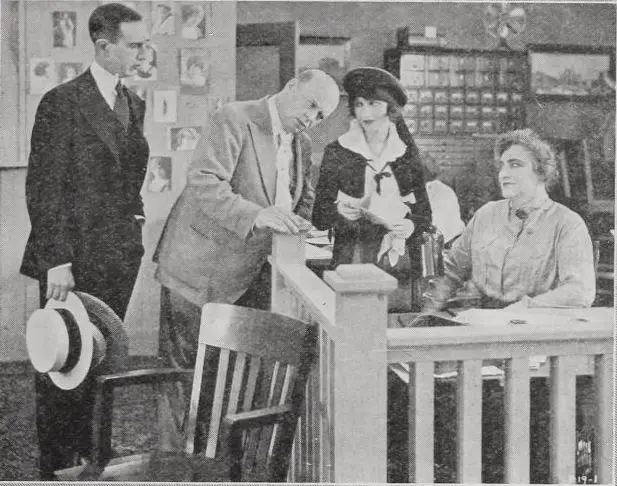
The film’s pacing is deliberate, allowing the tension to build organically rather than relying on cheap thrills. It’s a slow burn that ignites into a furious conflagration, with each twist and turn feeling earned and impactful. The narrative structure is sophisticated, employing flashbacks and fragmented memories not as crutches, but as essential tools to deepen our understanding of Finch’s fractured psyche and the events that led to his downfall. This approach is reminiscent of the intricate storytelling seen in a film like A Game of Wits, where the audience is constantly challenged to keep up with the shifting perspectives and hidden agendas. However, 'Have Another' adds an emotional layer that makes it uniquely poignant.
The supporting cast, though smaller in presence, contributes significantly to the film’s rich tapestry. Each character, no matter how minor, feels fully realized, adding to the sense of a complex, interconnected world. The film's production design is understated yet effective, creating environments that feel lived-in and authentic, from Finch’s spartan apartment to the opulent, yet sterile, corporate offices he infiltrates. These details, though seemingly small, contribute immensely to the film’s immersive quality. The sound design deserves particular mention, utilizing ambient noise and subtle cues to heighten suspense and convey Finch’s heightened state of paranoia. The rustle of papers, the distant sirens, the almost imperceptible click of a camera – these elements are woven into the fabric of the film, enhancing its overall atmospheric impact.
'Have Another' is not content with simply resolving its plot; it aims higher, probing at fundamental questions about journalistic integrity, the corrosive power of secrets, and the elusive nature of justice. It challenges the audience to consider the price of truth, particularly when that truth is inconvenient or dangerous. The film’s ending, without giving anything away, is both inevitable and unsettling, refusing to offer a neat, comforting resolution. It leaves the viewer with a lingering sense of unease, a reflection of the complex moral landscape it has so expertly navigated. This refusal to tie up every loose end is a brave choice, one that elevates the film from a mere genre piece to a piece of profound cinematic art. It’s a bold statement, much like the challenging narratives found in films such as Obryv, which dared to explore difficult social themes without compromise, or the raw realism of The Man from Nowhere, which depicted the stark realities of its world unflinchingly.
In an age saturated with disposable content, 'Have Another' stands as a testament to the power of thoughtful storytelling and compelling character development. It’s a film that demands your attention, rewards your patience, and ultimately leaves an indelible mark. Tom Bret has crafted a work that is both intellectually stimulating and emotionally resonant, a rare combination in contemporary cinema. William Parsons delivers a performance that will undoubtedly be remembered as one of his finest, a masterclass in portraying the quiet desperation and simmering resolve of a man on the precipice. Harry O'Connor’s enigmatic presence perfectly complements Parsons’ intensity, creating a magnetic push-and-pull that drives the narrative forward. This is not just a film to watch; it's a film to experience, to dissect, and to ponder long after the final frame fades to black. It's a stark reminder that some wounds, once opened, can never truly be healed, and some truths, once unearthed, can never be fully buried. 'Have Another' is a triumph of nuanced storytelling and powerful performances, solidifying its place as a standout psychological thriller of our time.
The film's exploration of journalistic ethics is particularly potent. Finch's initial mistake wasn't necessarily malicious, but rather a lapse in judgment, a moment of hubris that spiraled into disaster. His subsequent quest for redemption forces him to confront the very principles he once held dear. How far is too far in the pursuit of truth? When does investigation cross the line into obsession? These are not easy questions, and 'Have Another' doesn't pretend to offer easy answers. Instead, it presents a complex moral dilemma, inviting the audience to grapple with the same ambiguities that plague its protagonist. This intellectual engagement is one of the film's greatest strengths, elevating it beyond a simple genre exercise. It challenges the viewer to look inward, to consider their own biases and assumptions about justice and accountability. Much like the intricate plots and moral quandaries presented in films such as The Ransom or The Millionaire Pirate, 'Have Another' demands active participation from its audience, making the experience all the more rewarding.
Ultimately, 'Have Another' is a profoundly human story, wrapped in the guise of a taut thriller. It speaks to the universal desire for a second chance, while simultaneously warning of the dangers inherent in revisiting a painful past. It’s a testament to Tom Bret's vision and the exceptional performances of William Parsons and Harry O'Connor that this film resonates so deeply. It's a must-see for anyone who appreciates cinema that challenges, provokes, and lingers in the mind long after the screen goes dark. This is a film that will undoubtedly spark conversations, debates, and introspection, solidifying its place as a significant entry in the psychological drama canon. It’s a compelling argument for the power of cinema to explore the darkest corners of the human condition with both intelligence and heart, leaving us to wonder about the choices we make and the paths we choose to 'have another' go at.
IMDb —
1925
Community
Log in to comment.